Oceania
Paradise islands and rugged outback under Southern Cross
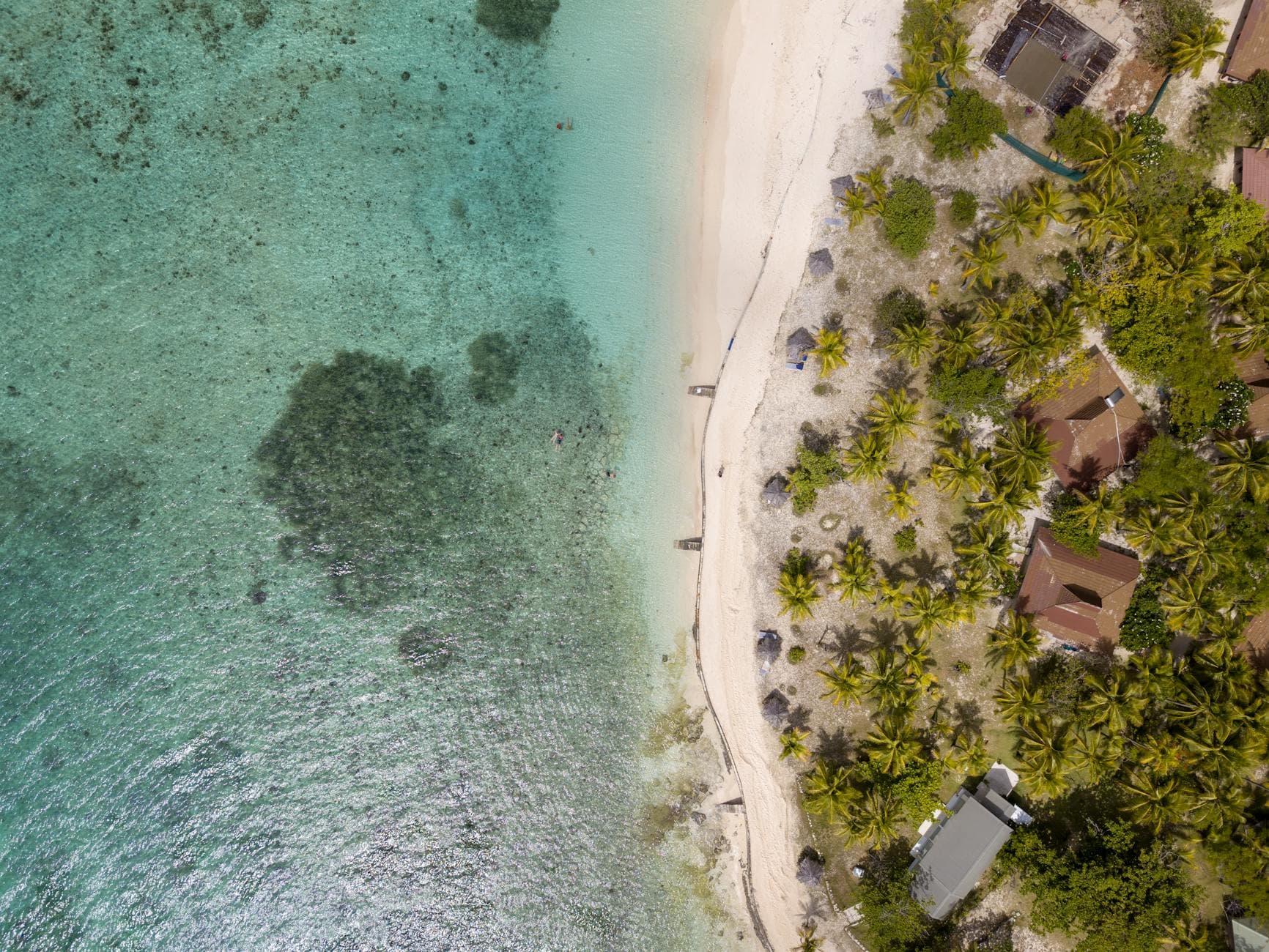
Picture this: You're snorkeling through rainbow coral gardens in Fiji one week, then camping under a blanket of stars in Australia's Red Centre the next. Welcome to Oceania, where paradise islands meet ancient landscapes under the Southern Cross.
This isn't your typical beach-and-cocktails destination. Sure, you'll find pristine white sand beaches that look photoshopped in places like Vanuatu and the Cook Islands. But step inland in Australia or New Zealand, and you're hiking through landscapes older than dinosaurs, spotting wildlife that exists nowhere else on Earth.
The region spans an area larger than the moon's surface, yet most of it is water. Twenty-five thousand islands dot the Pacific, from volcanic peaks in Samoa to coral atolls in Tuvalu that barely rise above sea level. Each island group has its own personality - Tahiti's French sophistication, Tonga's royal traditions, Papua New Guinea's tribal cultures.
Here's what makes Oceania special: the pace slows down the moment you arrive. Island time isn't just a cliché - it's a way of life. Buses run when they run. Restaurants close when the fish runs out. And somehow, everything works out exactly as it should. The locals call it "no worries" in Australia, "hakuna matata" nowhere (that's Africa), but the sentiment translates across every island: life's too short to stress about schedules.
Explore Destinations

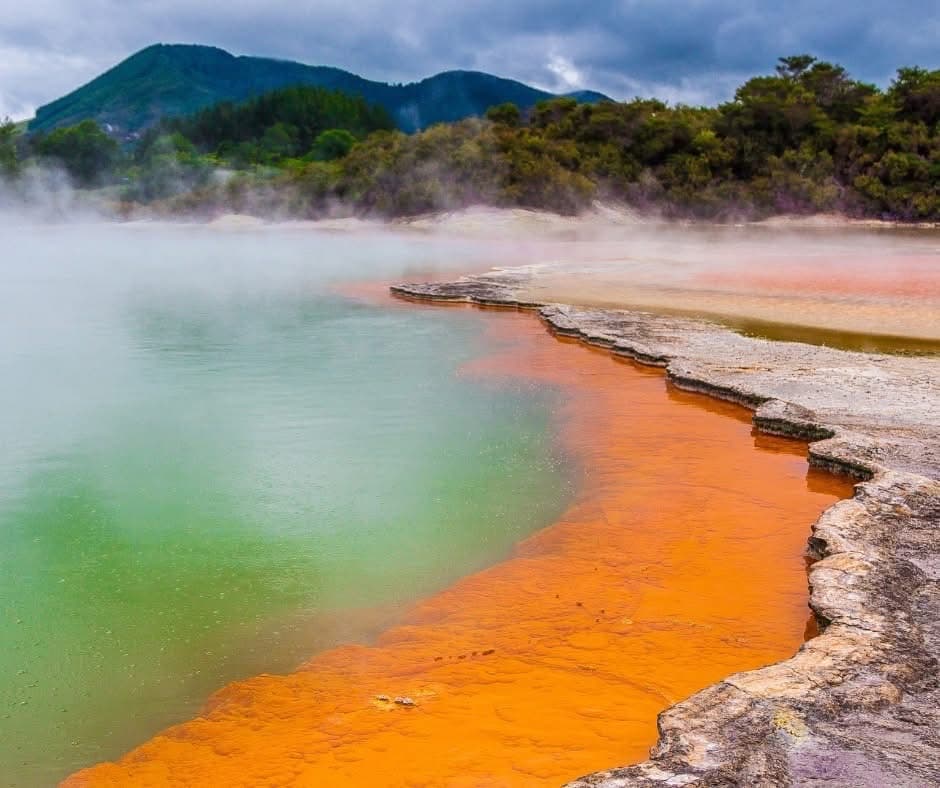
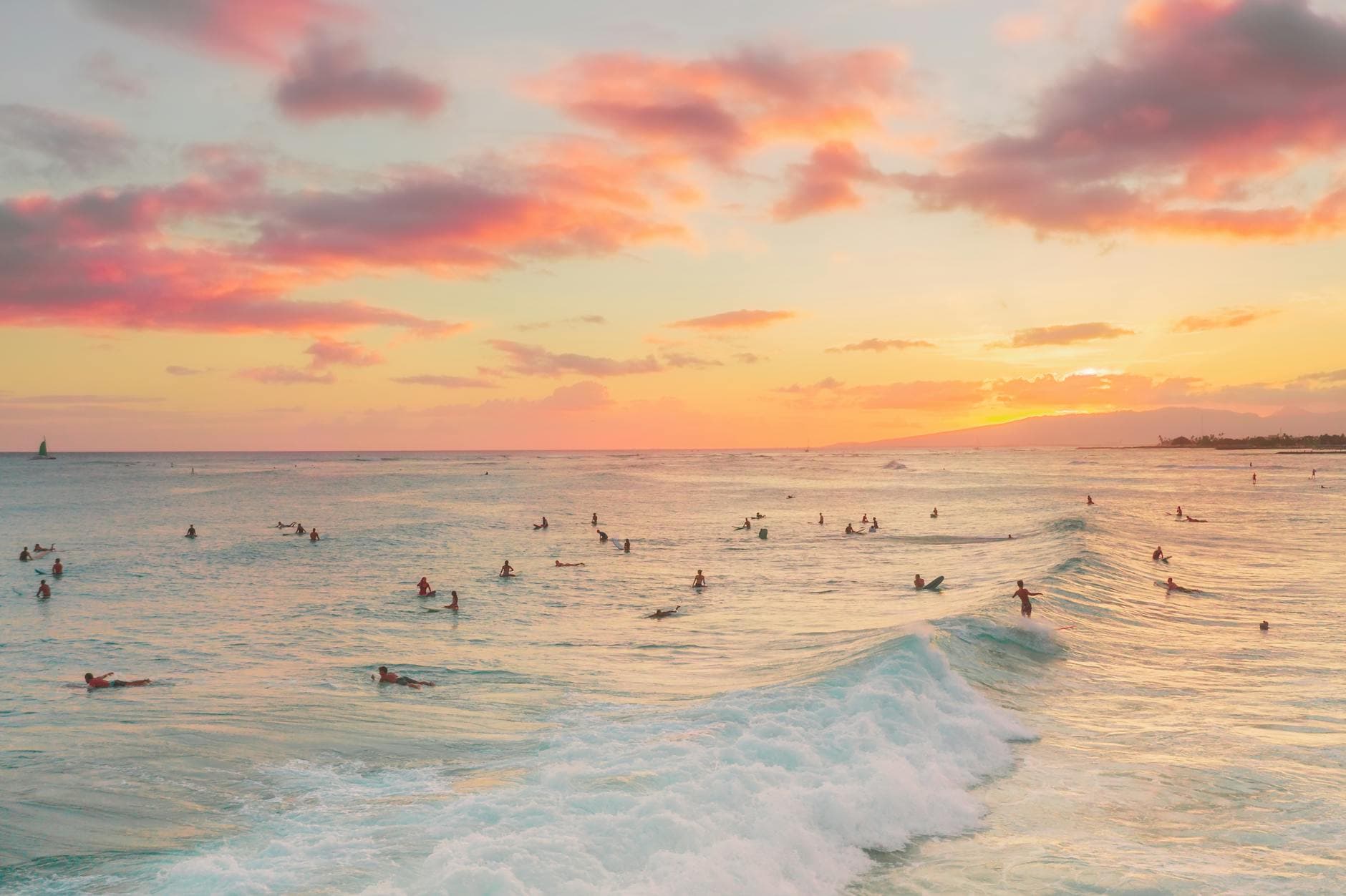
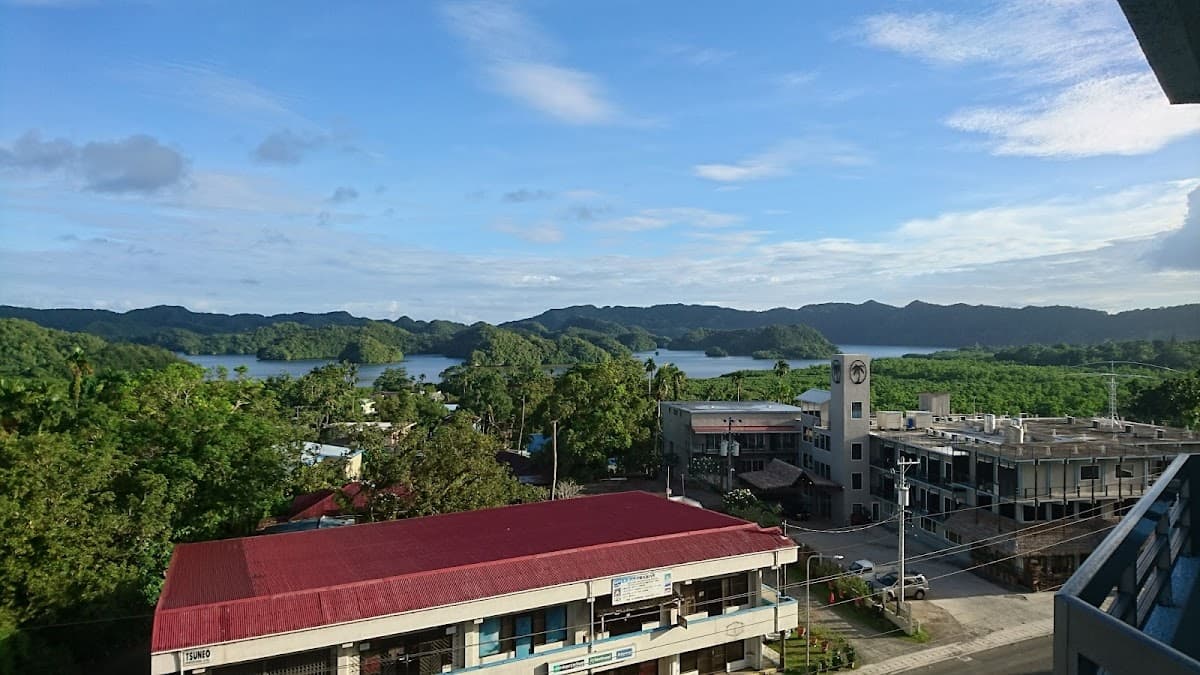
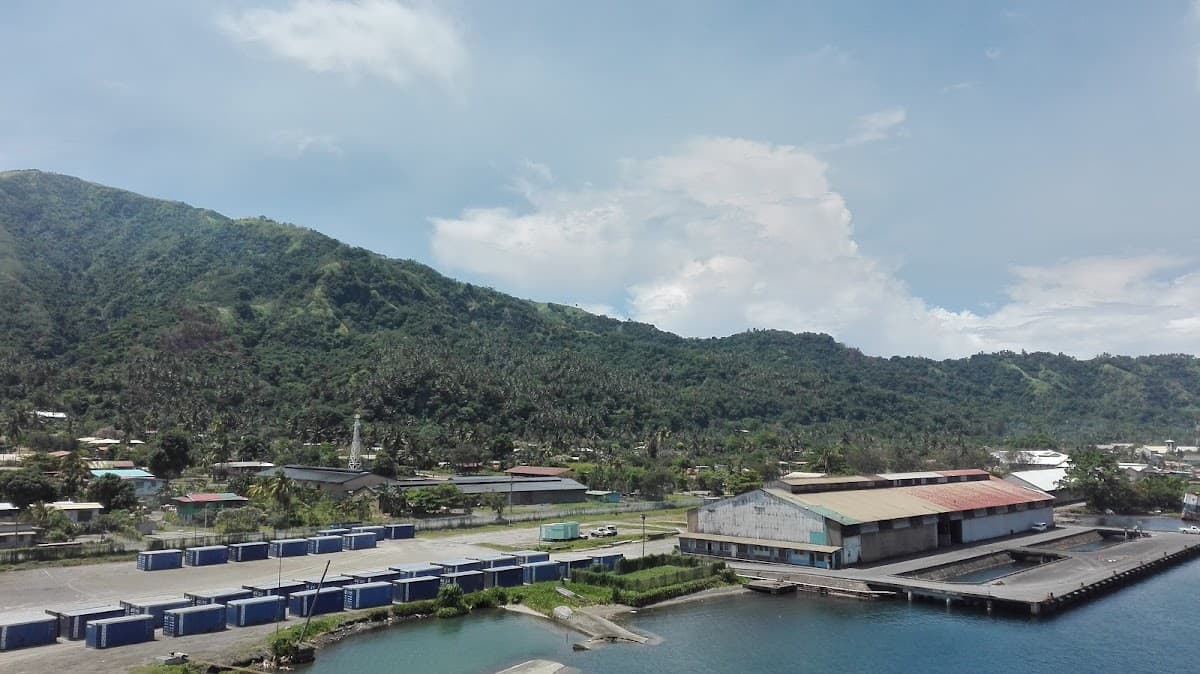
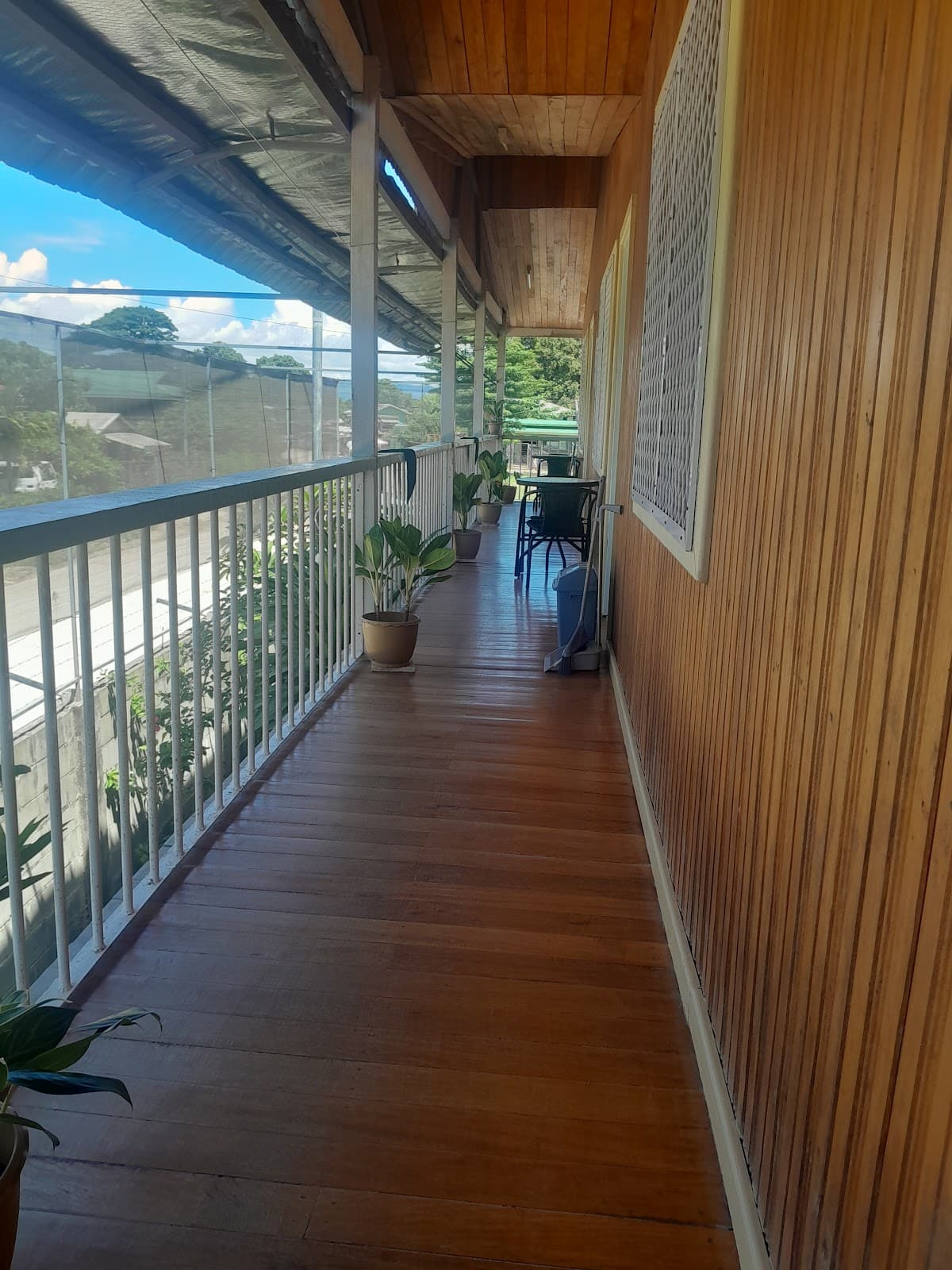
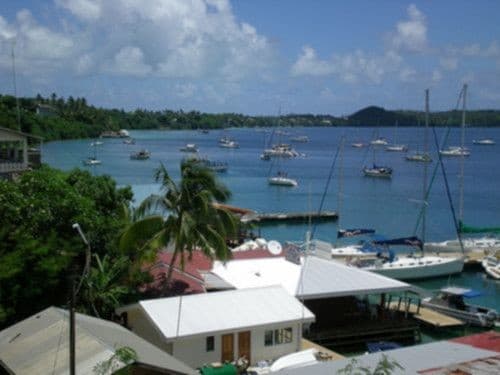
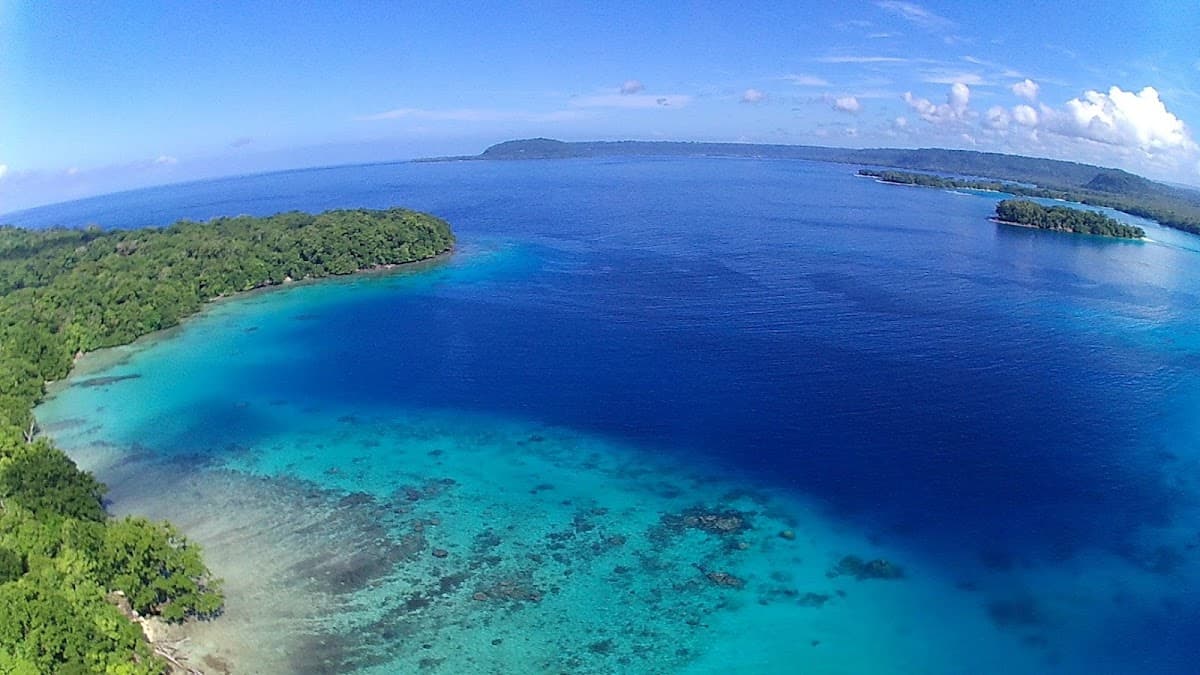
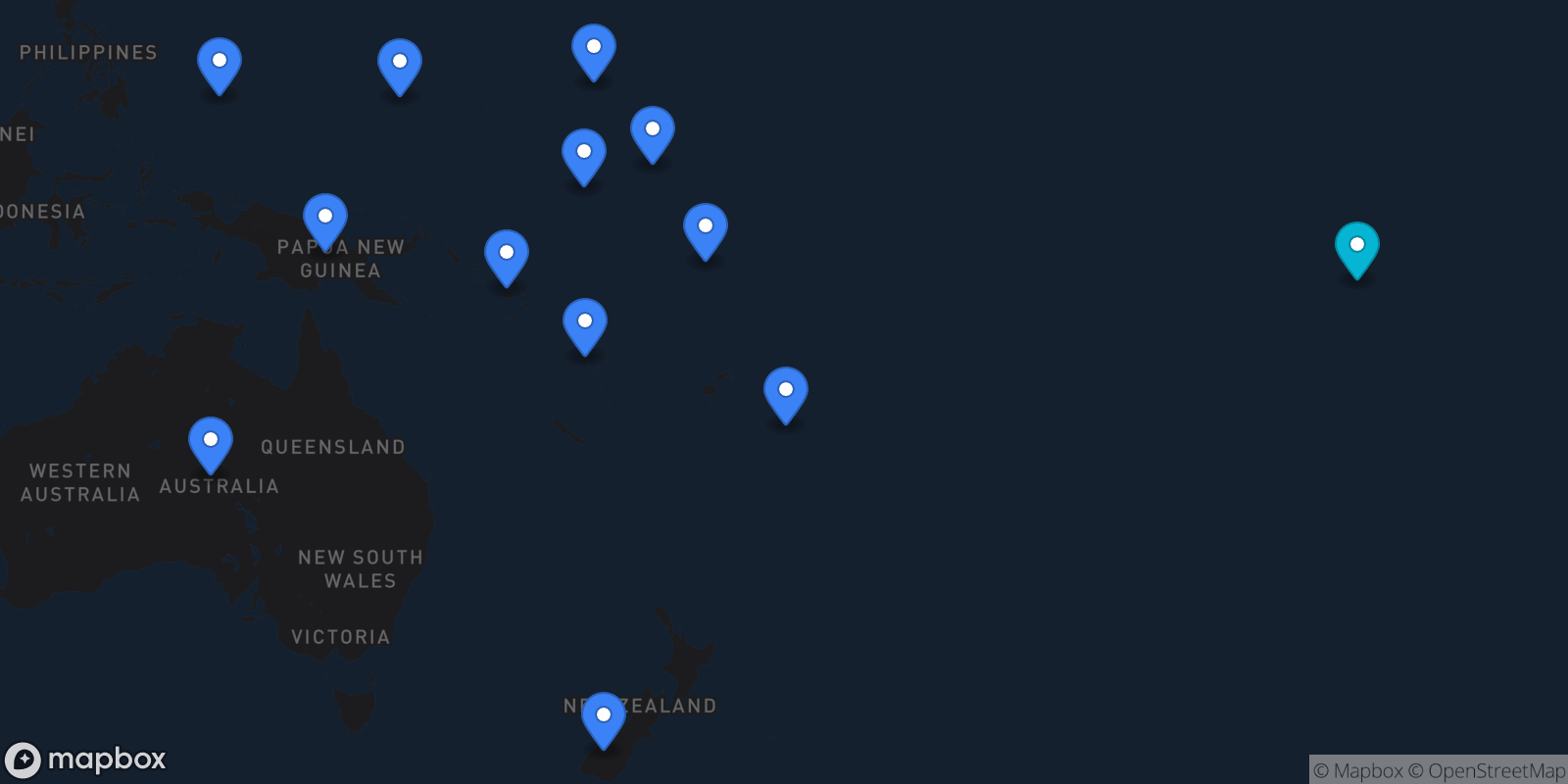
Explore the Region
Oceania Itineraries
View all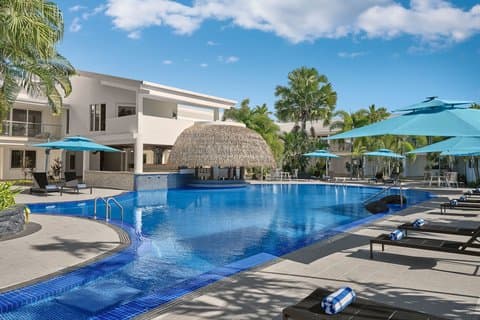
Apia on a Shoestring: Markets, Mangroves, and Local Flavor
Weekend · $

Kanamaluka Gourmet Day: Launceston’s City of Gastronomy Intro
Weekend · $$$

Sydney Adventure Sampler: Nature, Food, and Harbour Views
Weekend · $$
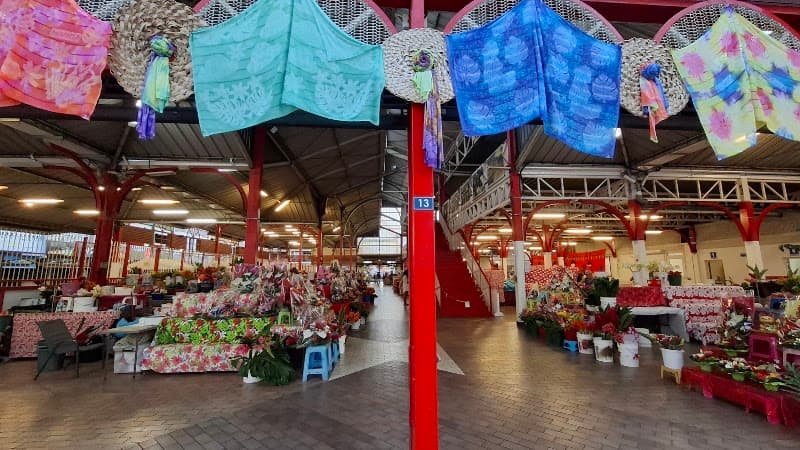
Shoestring Tahiti: Lagoon Dreams on a Backpacker Budget
Week · $
9 Days Down Under: Coastal Cities, Bush, and Beaches
Weekend · $$
Western Australia: Beaches, Wine, Wildlife, and Coastal Adventure
Week · $$
Money-Saving Tips
- 1.Book flights during Australian/New Zealand winter (June-August) when demand drops significantly
- 2.Use hostel networks like YHA for budget accommodation - they're cleaner and safer than most backpacker places
- 3.Shop at local markets instead of resort restaurants - fresh tropical fruit costs pennies compared to hotel prices
- 4.Take advantage of free city attractions like Sydney's harbor walks, Melbourne's street art tours, and Auckland's volcanic peaks
- 5.Buy alcohol duty-free when flying between islands - local liquor prices can be 300% higher than home
- 6.Cook your own meals in holiday rentals - groceries cost similar to home prices but restaurant meals don't
- 7.Use public transport day passes in major cities instead of taxis - Sydney's Opal card and Melbourne's Myki save serious money
Travel Tips
- •Pack reef-safe sunscreen - many Pacific islands ban regular sunscreen to protect coral reefs
- •Download offline maps before island hopping - internet can be spotty or expensive on remote islands
- •Bring a universal power adapter - different islands use different plug types inherited from colonial powers
- •Check visa requirements carefully - some Pacific islands require onward tickets or proof of funds
- •Pack layers for Australia and New Zealand - temperatures can swing 20 degrees in a single day
- •Learn basic Polynesian greetings - locals appreciate the effort and it opens doors to authentic experiences
- •Book accommodation early during school holidays and festival seasons - options fill up quickly on smaller islands
Frequently Asked Questions
- Adelaide
- Alice Springs
- Barossa Valley
- Blue Mountains
- Blue Mountains National Park
- Brisbane
- Broome
- Bruny Island
- Bungle Bungles
- Byron Bay
- Canberra
- Cradle Mountain
- Daintree Rainforest
- Daintree Region
- Darwin
- Fraser Island
- Fremantle
- Freycinet National Park
- Great Barrier Reef
- Great Barrier Reef Marine Park
- Great Ocean Road
- Hamilton Island
- Hobart
- Hunter Valley
- Kakadu National Park
- Kangaroo Island
- Karijini National Park
- Kimberley
- Larapinta Trail
- Launceston
- Lord Howe Island
- Magnetic Island
- Margaret River
- New South Wales
- Ningaloo Reef
- Noosa
- Norfolk Island
- Northern Territory
- Outback
- Overland Track
- Perth
- Pinnacles Desert
- Port Douglas
- Queensland
- Rottnest Island
- Simpson Desert
- Six Foot Track
- SS Yongala Wreck
- Sunshine Coast
- Sydney Opera House
- Tasmania
- Twelve Apostles
- Uluru-Kata Tjuta
- Victoria
- Wave Rock
- Whitehaven Beach
- Whitsunday Islands
- Yarra Valley
- Abel Tasman Coast
- Abel Tasman Coast Track
- Abel Tasman National Park
- Aitutaki
- Aoraki/Mount Cook National Park
- Bay of Islands
- Central Otago
- Central Otago Wine Region
- Coromandel Peninsula
- Dunedin
- Fiordland
- Fiordland National Park
- Franz Josef
- Franz Josef Glacier
- Great Barrier Island
- Hawke's Bay
- Kaikoura
- Kepler Track
- Lake Tekapo
- Lake Wanaka
- Marlborough
- Marlborough Wine Region
- Milford Sound
- Milford Track
- Napier
- Nelson
- North Island
- Northland
- Poor Knights Islands
- Punakaiki Pancake Rocks