Manchester
Industrial heritage meets vibrant music and football culture
Manchester doesn't try to be pretty. It's too busy being brilliant. This is the city that gave birth to Oasis, The Smiths, and Joy Division. Where United and City fans share the same trams but never the same pubs. Where Victorian cotton mills now house cutting-edge galleries and the curry mile stretches longer than some countries are wide.
The rain? Yeah, it's real. But here's what the weather apps don't tell you: Manchester's magic happens indoors. In basement clubs where tomorrow's headliners play tonight. In gastropubs serving Sunday roasts that'll ruin you for anywhere else. In museums that make industrial history feel like the coolest thing since sliced bread.
This isn't a city that poses for Instagram. It's one that gets under your skin, makes you want to move here, and leaves you humming Wonderwall on the plane home.
Best Months
MAY – SEP
~20°C · moderate crowds
Culture & Context
MUSIC NEVER DIES
Manchester doesn't do understated. This is the city that gave the world Oasis, Joy Division, The Smiths, and the Haçienda, and it still trades on that musical capital every single day. But there's more to it than nostalgia.
Manchester is a genuinely working city that reinvented itself after its cotton mills closed, turning old industrial bones into restaurants, galleries, and apartment blocks. The worker bee is everywhere: on lamp posts, pub walls, tattoos, and the official city crest. It means something here.
Football is practically a religion, and you absolutely will be asked which team you support. Red means Manchester United. Blue means Manchester City.
Pick a side or politely dodge the question entirely. The city is also one of the UK's most diverse, with a huge South Asian community in Rusholme, a historically significant Chinatown (second largest in the UK), and a Gay Village on Canal Street that's been a landmark of LGBTQ+ life since the 1980s. Rain is not a stereotype.
It rains often. Pack accordingly and you'll get on just fine.
Local Customs
PICK YOUR FOOTBALL SIDE
Football allegiance is taken seriously. Before casually saying you like 'Manchester' football, know whether you mean United (red, Old Trafford) or City (blue, Etihad Stadium). Mixing them up or claiming neutrality will get you odd looks..
Mancunians are direct. They say what they mean without much softening. This isn't rudeness — it's just how conversations work here.
Don't mistake bluntness for unfriendliness.. The worker bee symbol is everywhere and genuinely means something to locals. After the 2017 Manchester Arena attack, it became a symbol of solidarity and resilience.
You'll see it tattooed on people, painted on walls, and stamped on souvenirs. It's not just branding.. Pubs often don't take table service as standard — you go to the bar.
Some newer places have introduced table ordering apps but traditional boozers expect you to come up.. Queuing is taken seriously. Don't push in.
It will be noticed and commented on.. The Metrolink tram runs on a pay-before-you-board honour system with random ticket inspectors. Always buy your ticket at the platform machine before getting on.
Fines are real.. If someone holds a door for you, say thank you. It's basic but expected..
Tipping is not mandatory the way it is in the US. Around 10-12.5% is appreciated in restaurants.
Many places add a discretionary service charge to the bill automatically — check before you tip on top of it.
Safety
WATCH YOUR POCKETS
Manchester is generally safe for tourists, especially in the city centre. Violent crime rarely targets visitors. The main things to watch for are petty theft — pickpocketing around Piccadilly Gardens, Market Street, and during big events like Parklife or football matches — and the usual late-night incidents that come with a big nightlife scene.
The city has extensive CCTV and visible police presence, and security at venues has been significantly tightened since the 2017 Manchester Arena attack. Crime across Manchester dropped 9.5% in 2025.
Didsbury and Chorlton are consistently the safest neighbourhoods. Moss Side, Cheetham Hill, and Longsight have higher-than-average crime rates — not no-go zones, but worth being aware of at night. The Gay Village on Canal Street is generally safe and welcoming, though some solo women have reported feeling uncomfortable with groups of men late on weekend nights.
Use app-based taxis rather than walking long distances alone after midnight. Standard advice: don't flash expensive kit, use bank-branded ATMs, and keep your phone in your pocket on busy streets.
Getting Around
METROLINK & WALKABLE
The Metrolink tram is the spine of the city. It covers 99 stops across 64 miles of track, making it the largest light rail network in the UK. Key hubs are St Peter's Square, Piccadilly Gardens, Victoria, and Deansgate-Castlefield.
From Manchester Airport, a direct tram runs to the city centre in around 45-55 minutes. But the train from the airport to Piccadilly takes only 15-20 minutes and is often faster. Buy your Metrolink ticket at the platform machine before boarding — inspectors do check.
In 2026, tram frequency is currently running at every 15 minutes on most routes due to a staff recruitment drive (down from the usual 12 minutes), so factor that into timing. Buses are plentiful and the flat £2 fare cap makes them simple. Free buses run loops around the city centre.
The Bee Network app covers live tram and bus departures. For getting around on foot: the city centre is compact and very walkable. The Northern Quarter, Ancoats, Piccadilly, and the Gay Village are all within a 15-minute walk of each other.
Didsbury, Chorlton, and Rusholme are a short tram ride south. Cycling is growing — Starling Bank Bikes (the city's hire scheme) cover key routes. Taxis via Uber are widely available.
Licensed black cabs are also safe and metered. Manchester Airport (IATA: MAN) is the UK's third busiest airport, around 9 miles south of the city centre, with direct trains to Liverpool (70 mins), Leeds (80 mins), Sheffield (75 mins), and York (105 mins).
Useful Phrases
Manchester Itineraries
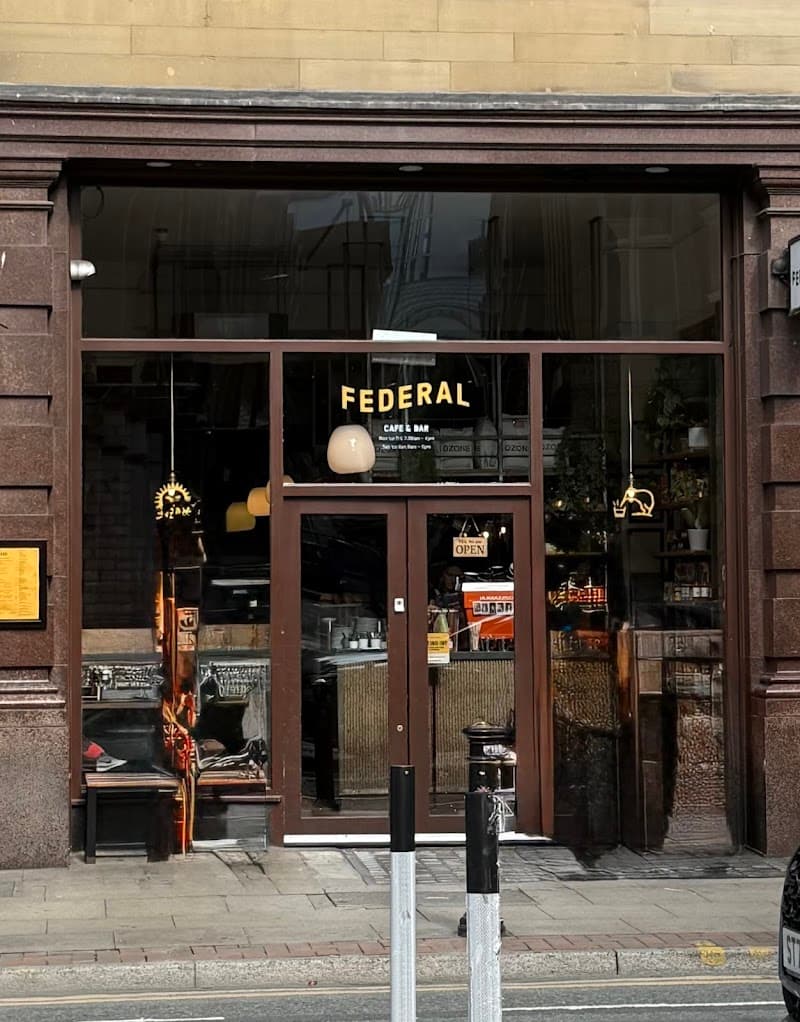
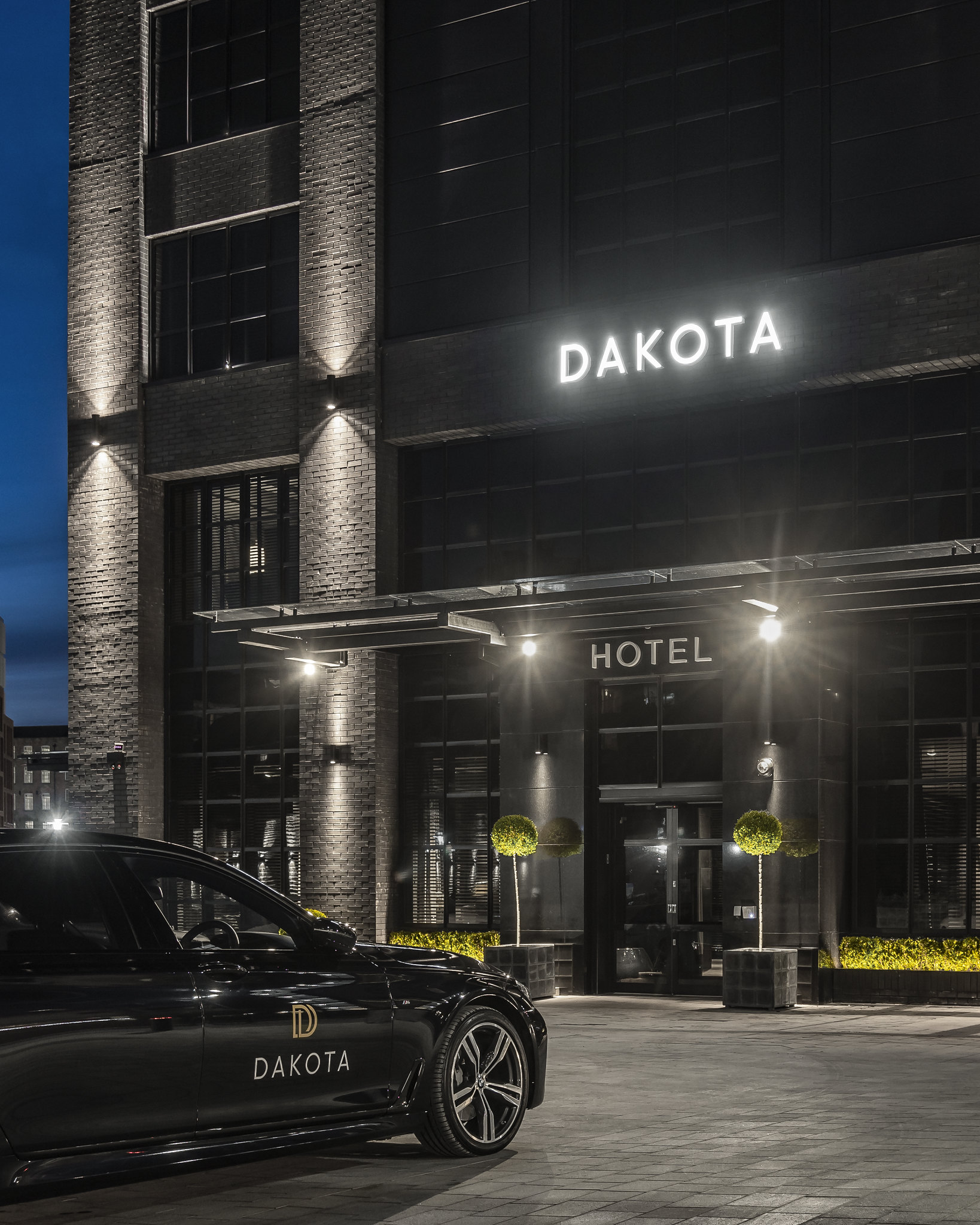
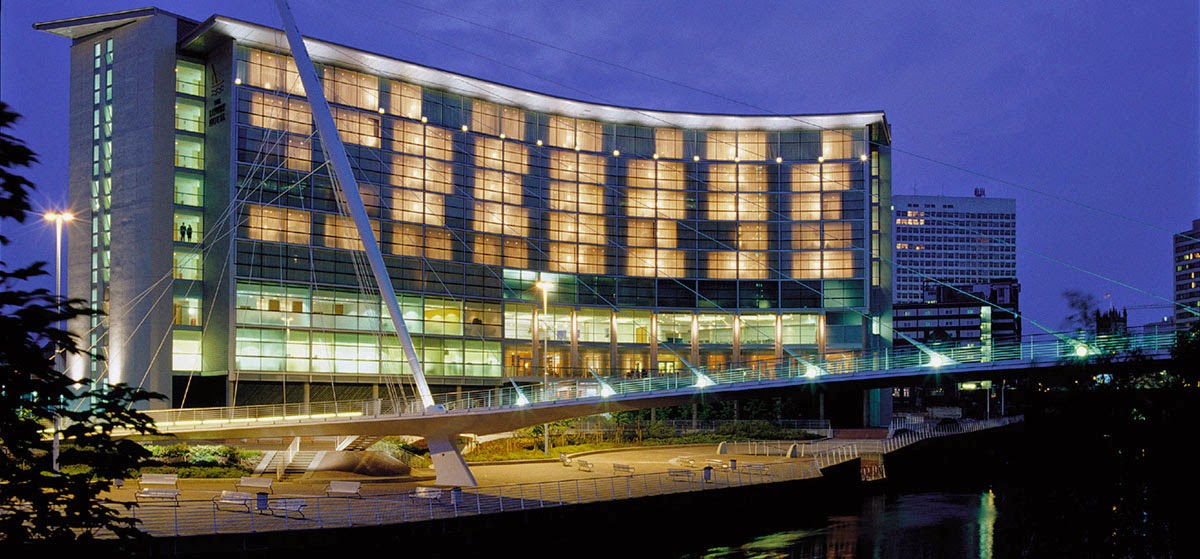
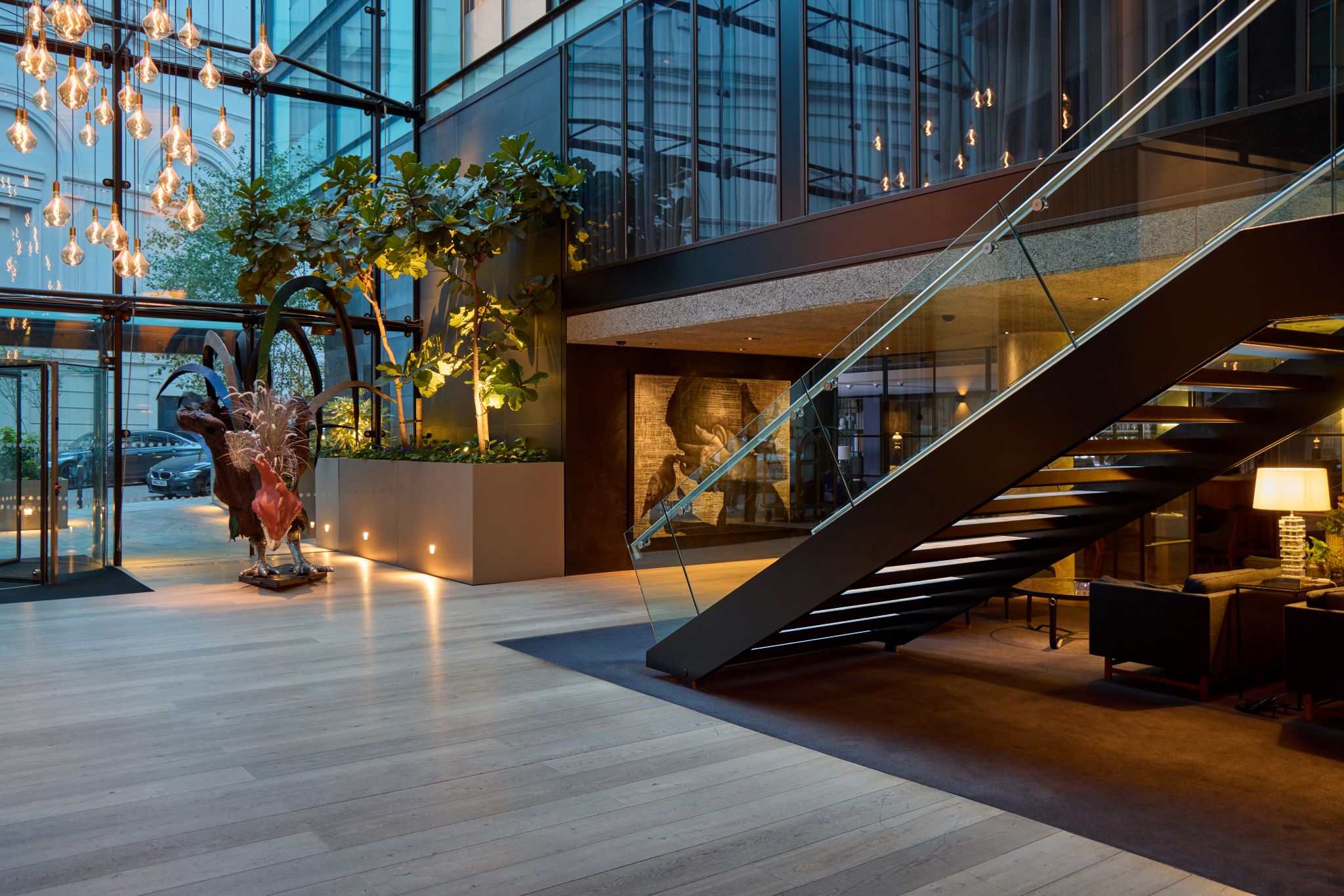
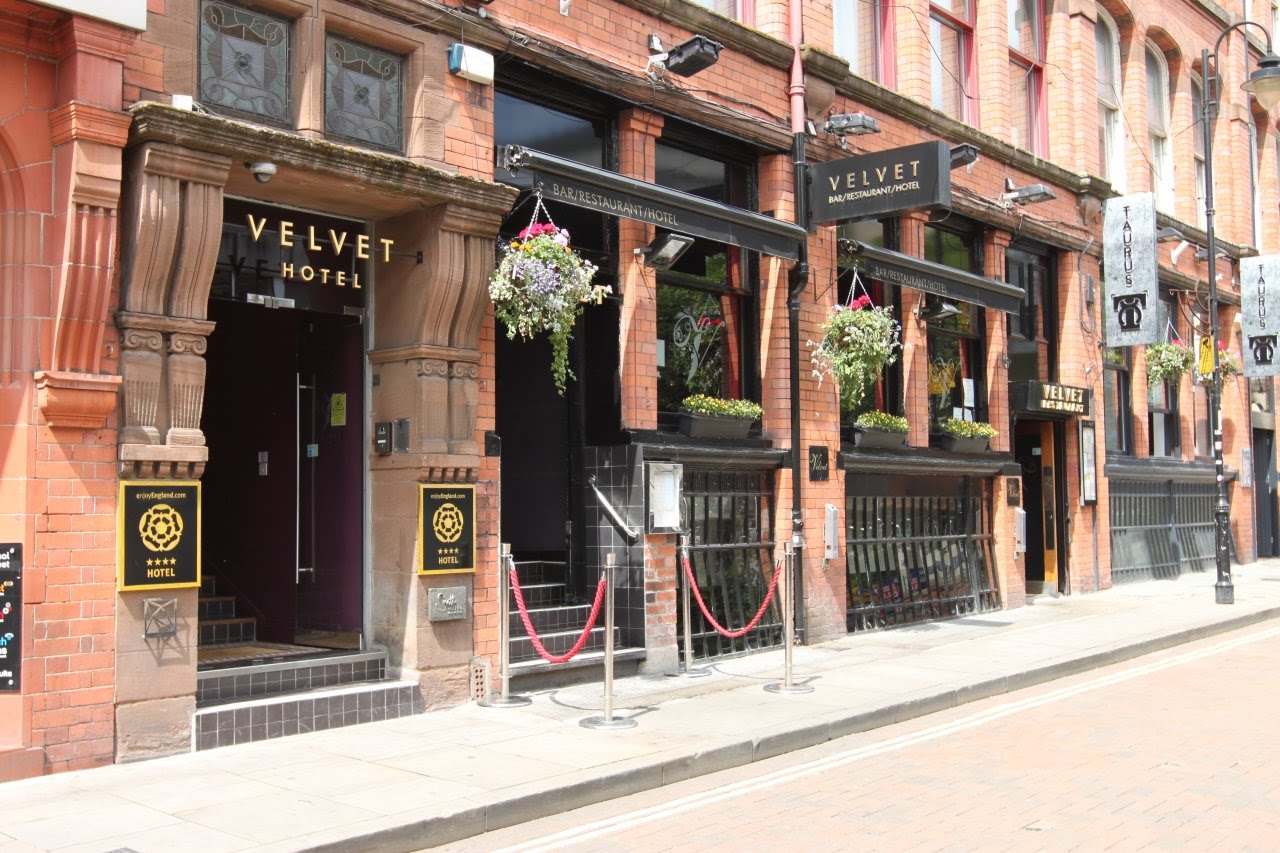
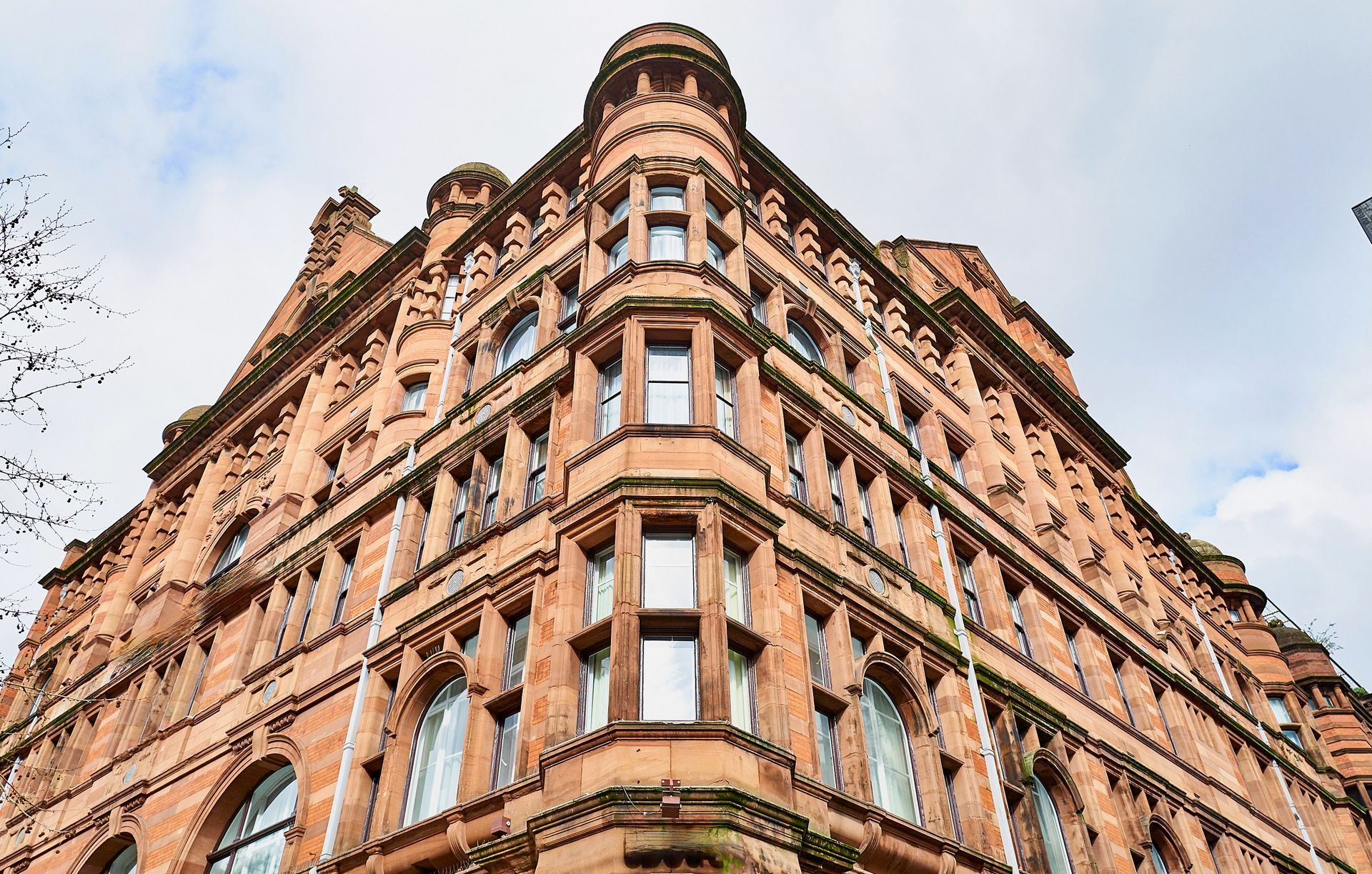
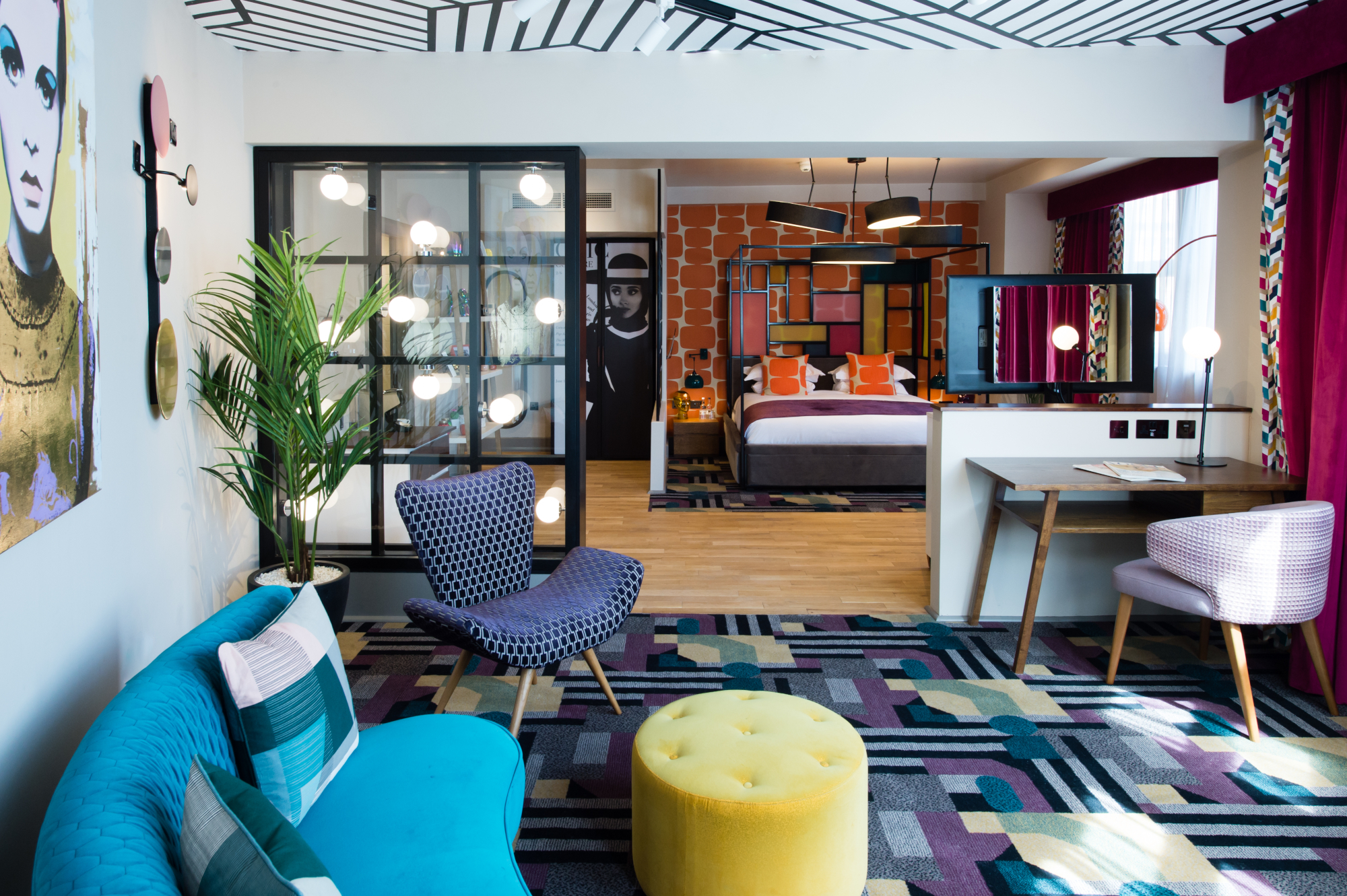
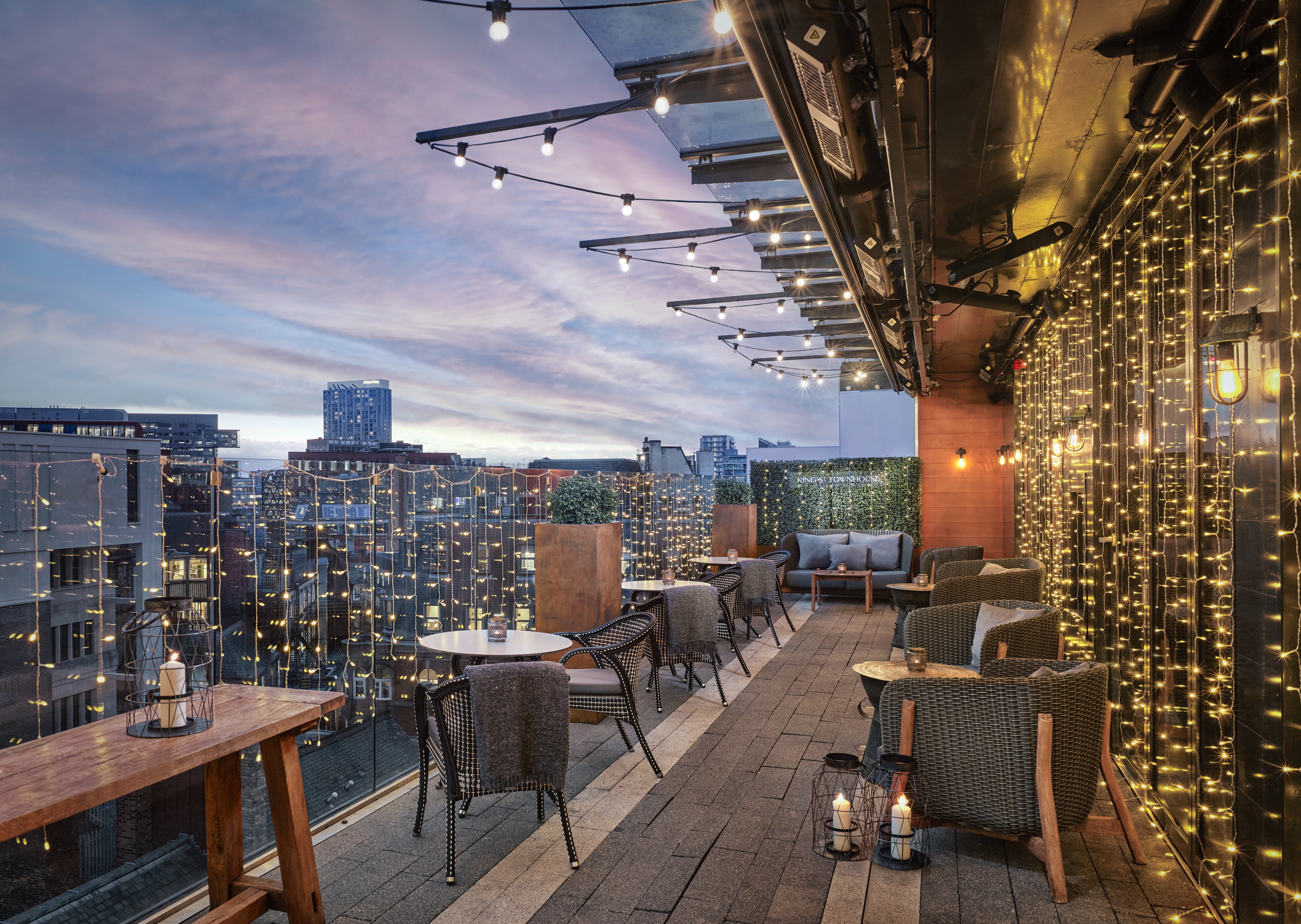
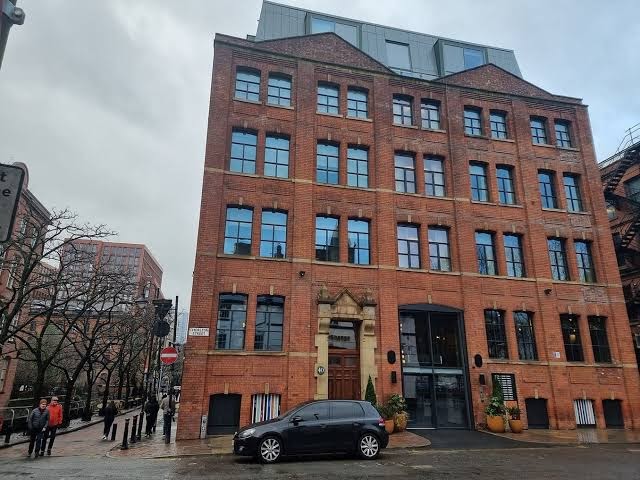
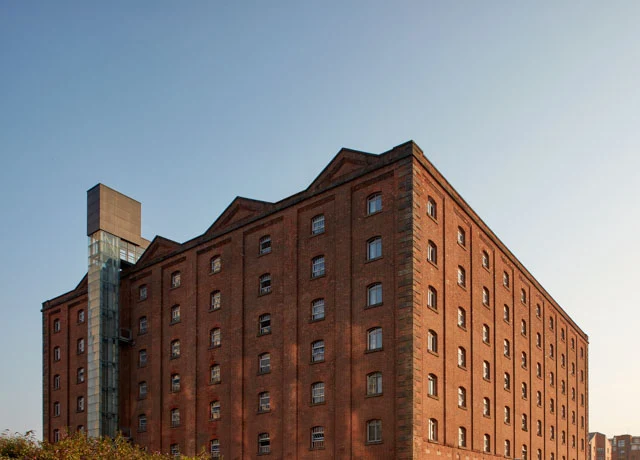
Where to Stay in Manchester
9 recommended properties
Things to Do in Manchester
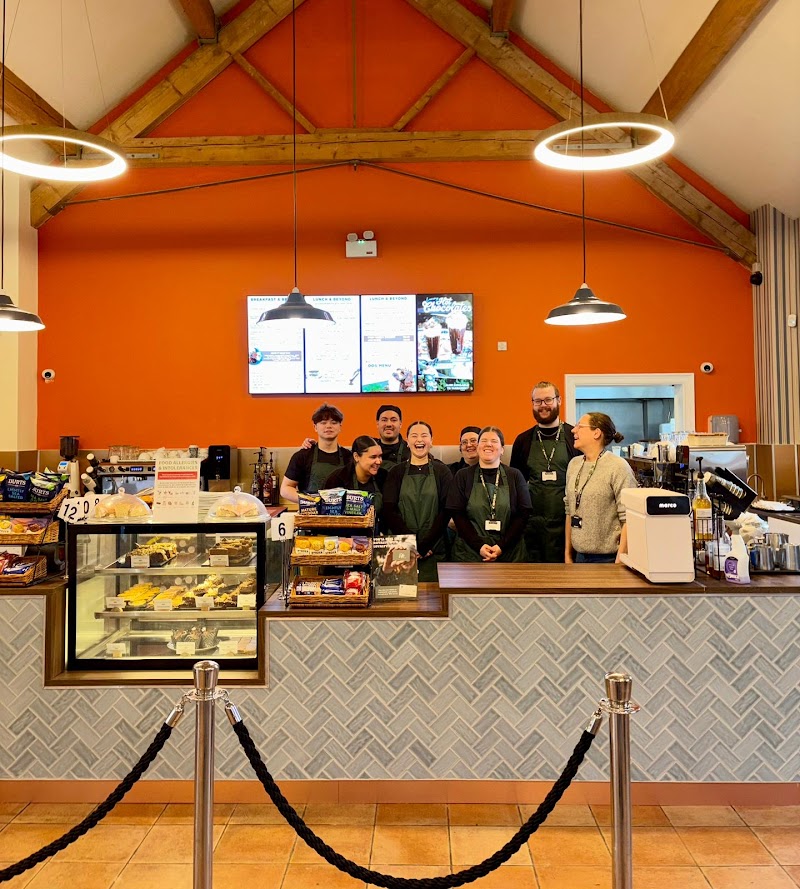
Heaton Park Lakeside & Woodland Walks
Heaton Park (North Manchester) · 120 min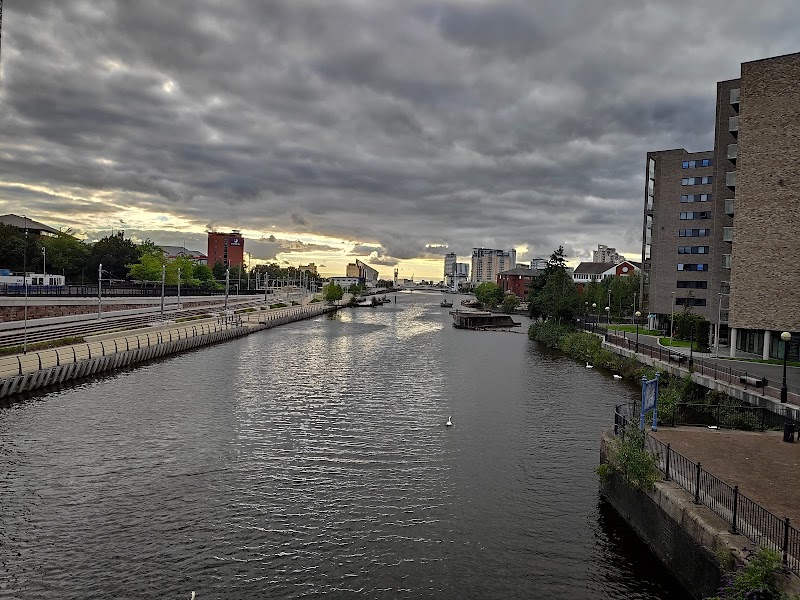
Salford Quays Waterfront Stroll
Salford Quays · 120 minMoney-Saving Tips
- 1.Tram day passes cost £5.60 and cover most attractions - much cheaper than individual tickets at £2.80 each
- 2.Many museums are free including Manchester Art Gallery and the Museum of Science and Industry
- 3.Happy hour at Northern Quarter bars runs 4-7pm with £4 pints and £6 cocktails
- 4.Curry Mile restaurants offer lunch specials for £8-12, half the price of dinner portions
- 5.City center parking costs £15+ daily - use Park and Ride from Etihad Campus for £5 including tram travel
- 6.Student discounts apply at most venues - bring ID even if you graduated years ago
- 7.Warehouse Project early bird tickets cost £30 vs £60 at the door
- 8.Supermarket meal deals cost £3-4 and work better than tourist cafe lunches
- 9.Many pubs offer 2-for-1 meals Monday-Wednesday
- 10.Manchester Airport bus costs £5 vs £25+ taxi to city center
Travel Tips
- •Download the Bee Network app for real-time tram and bus updates - it's more accurate than Google Maps
- •Carry cash for smaller pubs and venues - many still don't accept cards under £10
- •Book restaurant tables in Ancoats at least a week ahead, especially weekends
- •Football match days mean packed trams and pubs - plan extra travel time
- •The rain is real but usually light - a compact umbrella beats heavy waterproofs
- •Northern Quarter shops open late (11am) but stay open until 7-8pm
- •Taxis get scarce after midnight on weekends - book ahead or walk to main roads
- •Museum of Science and Industry needs 3+ hours - don't squeeze it into a busy day
- •Gay Village bars welcome everyone but respect the space and community
- •Free WiFi works well in most city center areas and all major venues