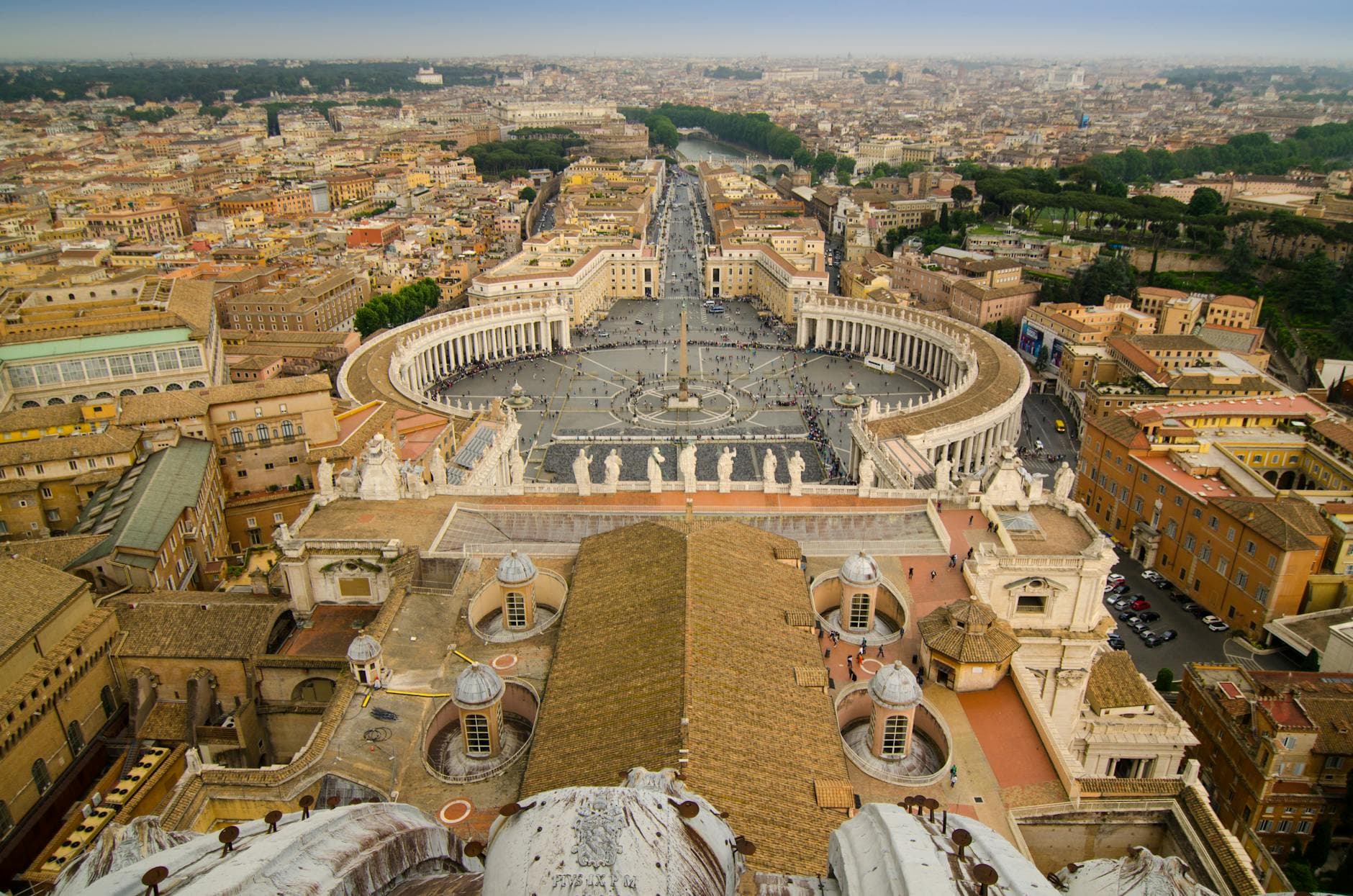
Europe
Timeless elegance where history lives in every cobblestone
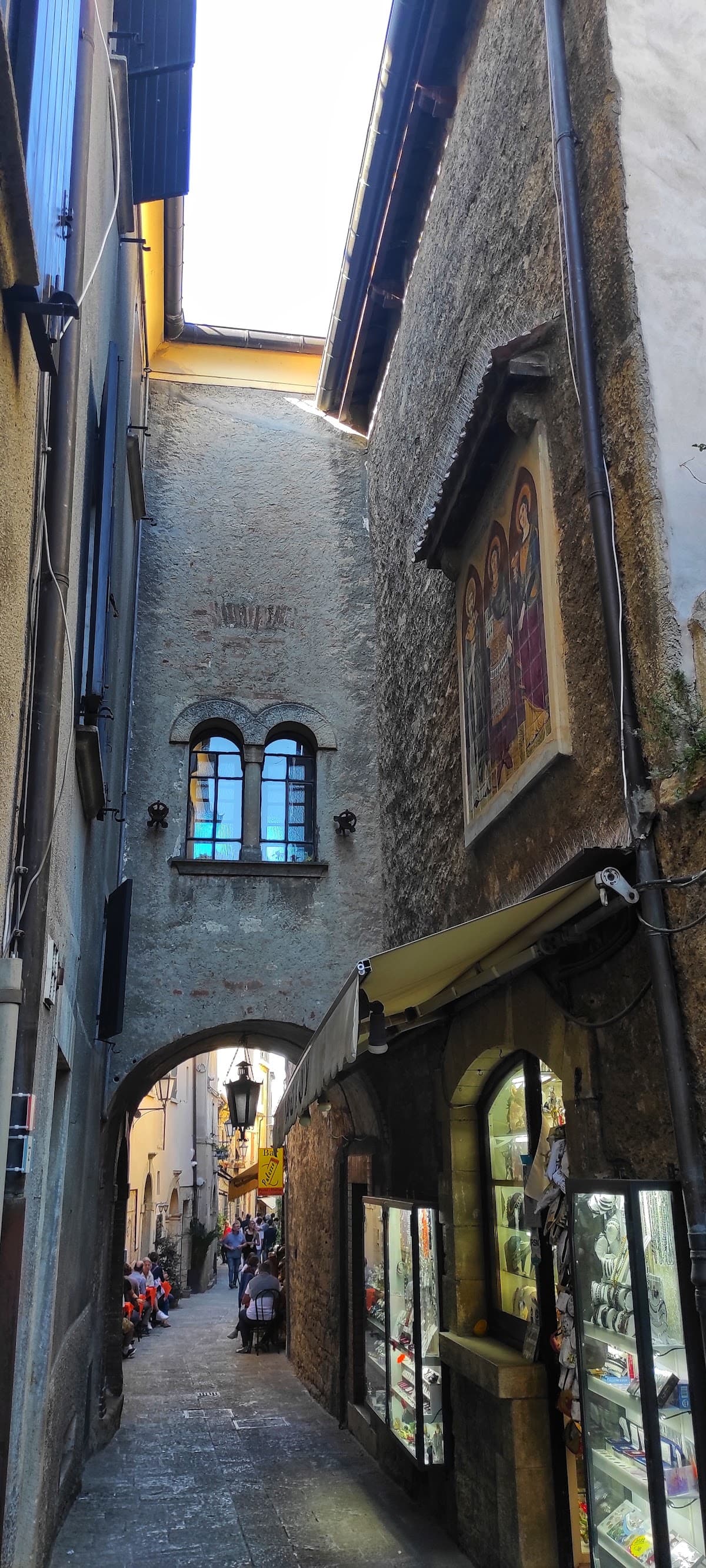
Europe doesn't need an introduction, but it deserves a better one than the tourist board clichés you've heard a thousand times. This isn't about checking boxes or racing through capitals with a selfie stick. It's about finding your rhythm in a place where every street corner has stories older than your country.
The thing about Europe is that it rewards slow travelers. Sure, you can hit Paris, Rome, and Barcelona in a week, but you'll miss the magic that happens between the monuments. Like stumbling into a family-run osteria in Trastevere where the owner's grandmother still makes the pasta. Or finding yourself in a Prague beer hall at 2 PM on a Tuesday, deep in conversation with locals about everything except tourism.
Here's what makes Europe different: the infrastructure actually works. Trains run on time, metros connect seamlessly, and you can eat well without breaking the bank if you know where to look. But it's also where luxury feels effortless - not flashy, just refined. A glass of champagne in a Parisian café costs the same as a cocktail back home, but somehow tastes like celebration.
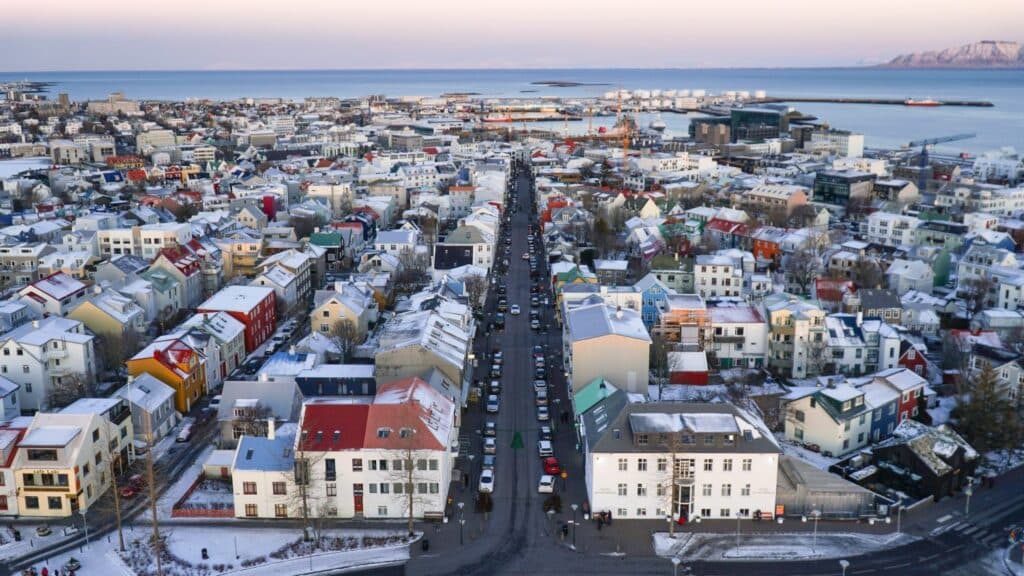
The best part? Europe changes with the seasons in ways that matter. Spring brings tulips to Amsterdam's canals and outdoor dining to Barcelona's Gothic Quarter. Summer means midnight sun in Scandinavia and festival season across the continent. Fall delivers truffle season in Italy and cozy pub culture in London. Even winter has its charm - Christmas markets in Germany, northern lights in Iceland, and the simple pleasure of warming up in a Viennese coffeehouse after walking snowy streets.
Explore Destinations
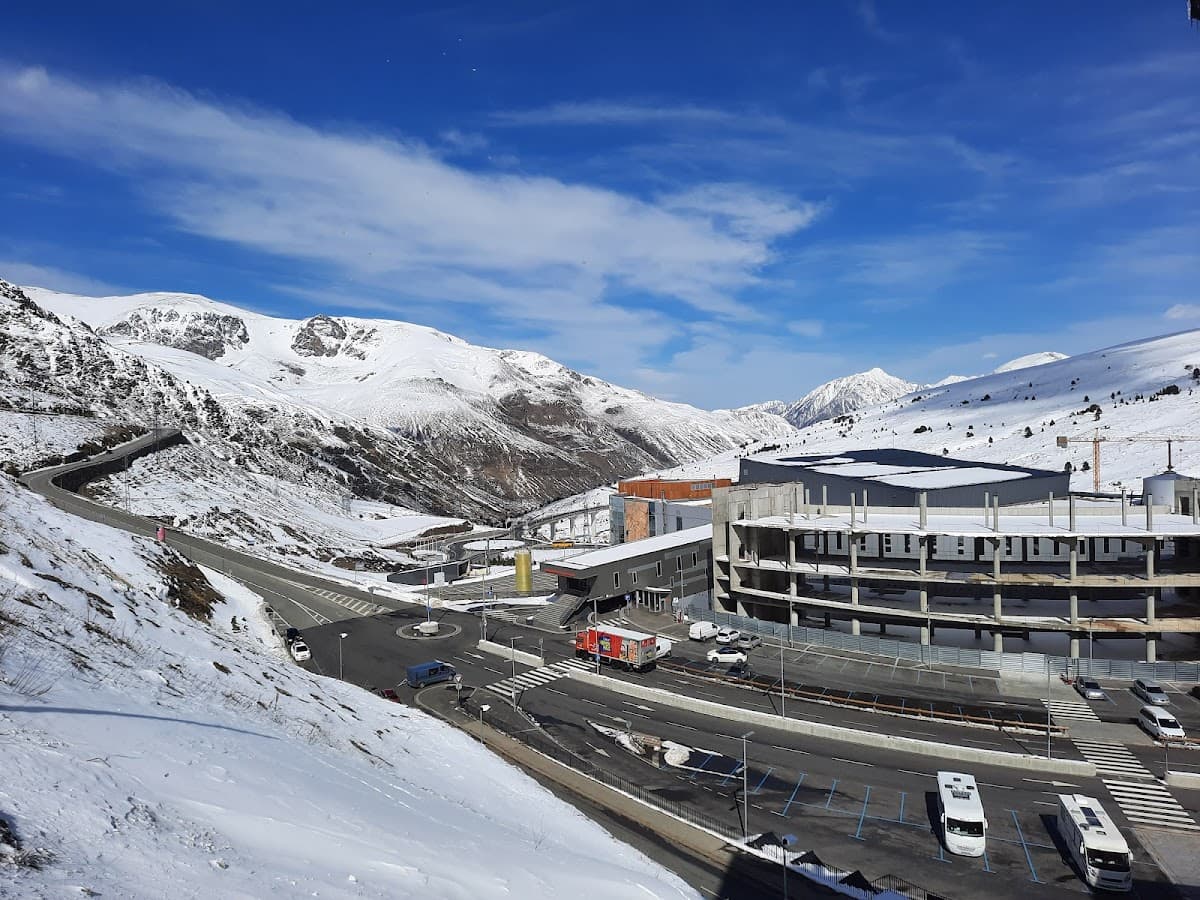
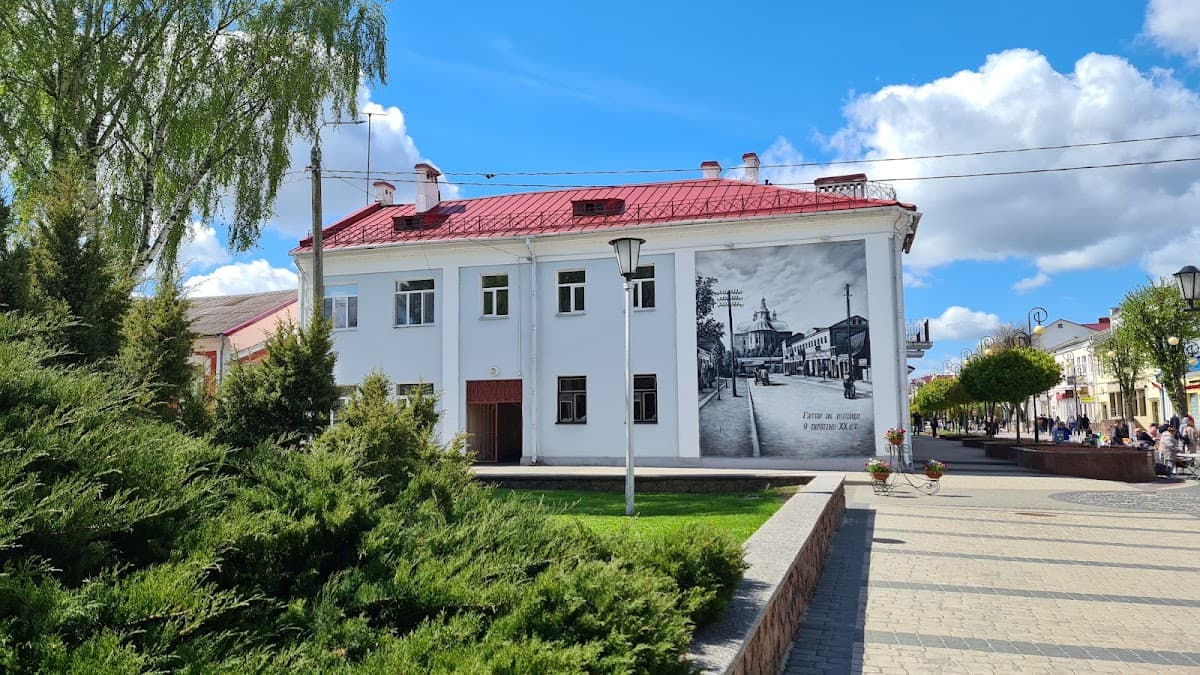
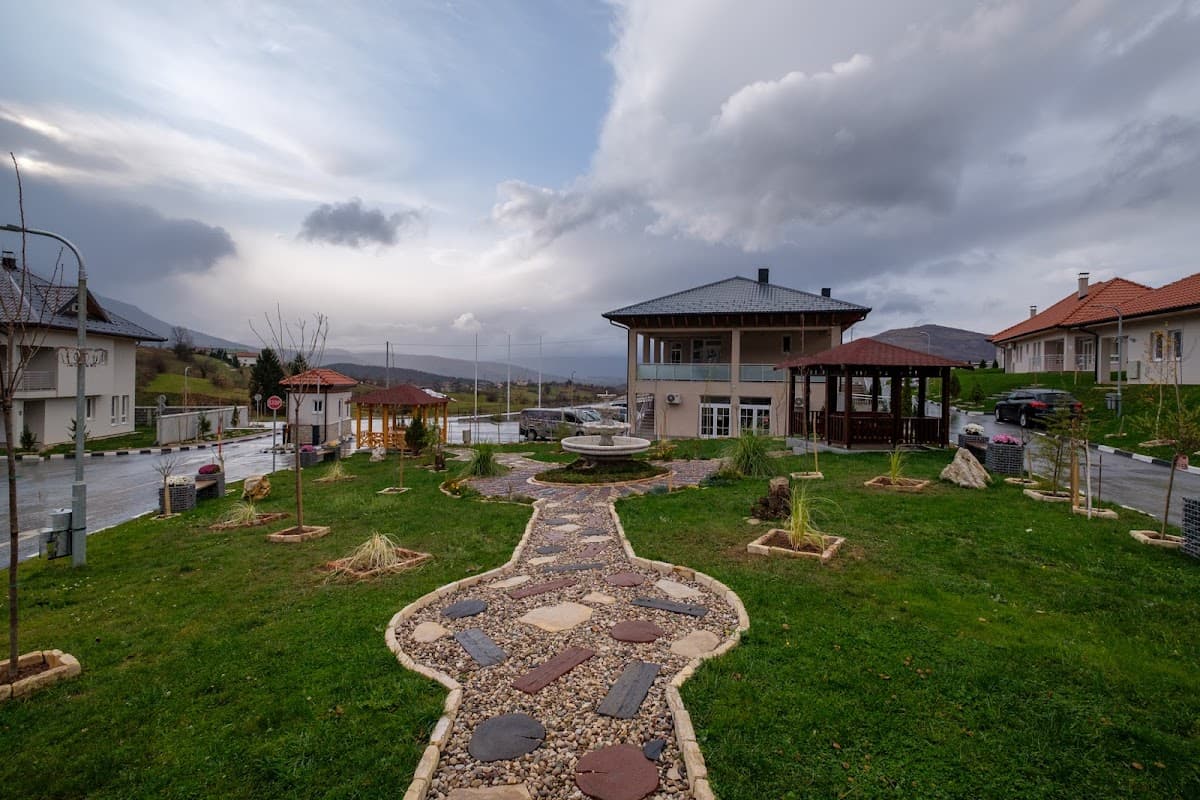
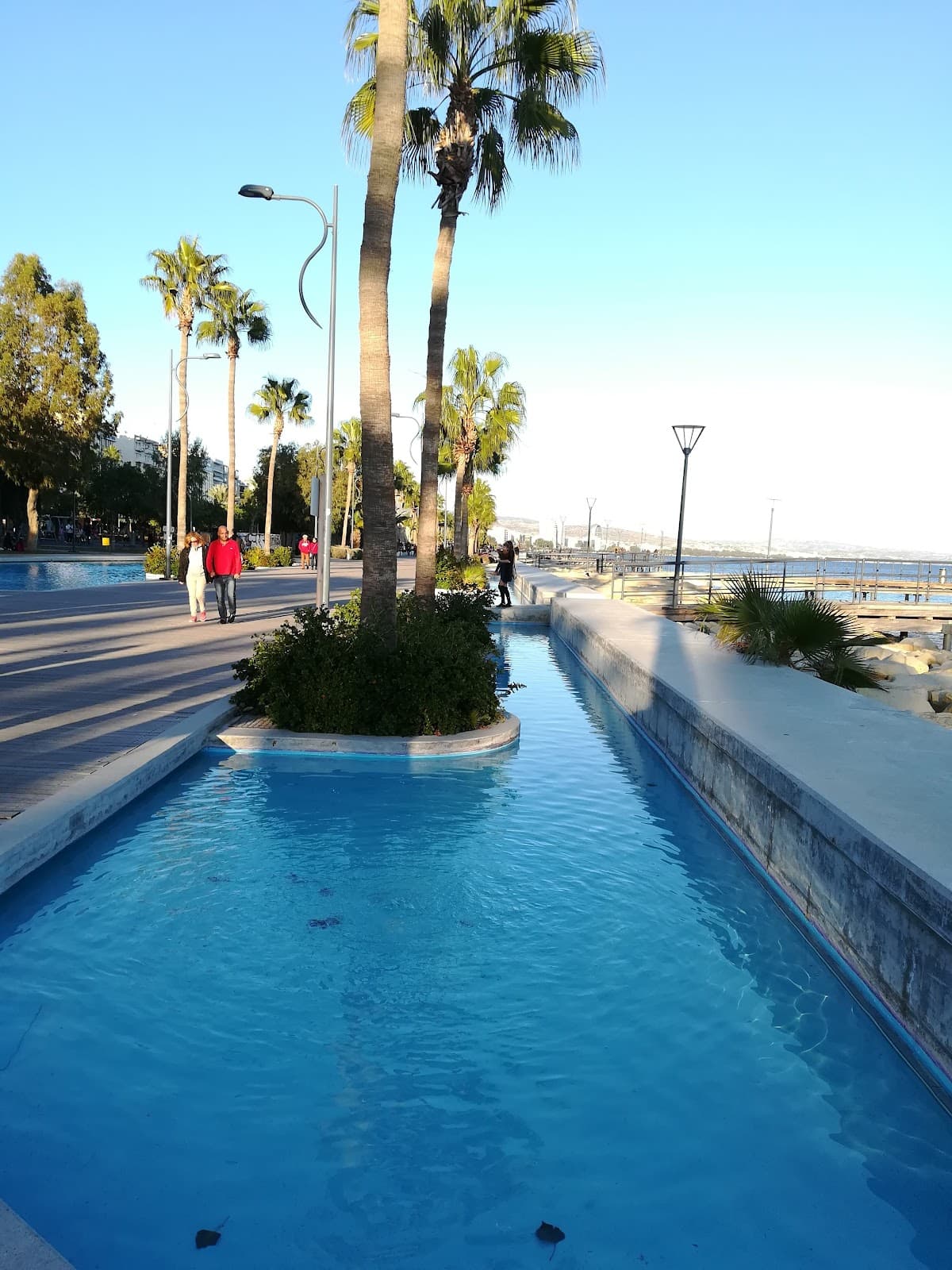
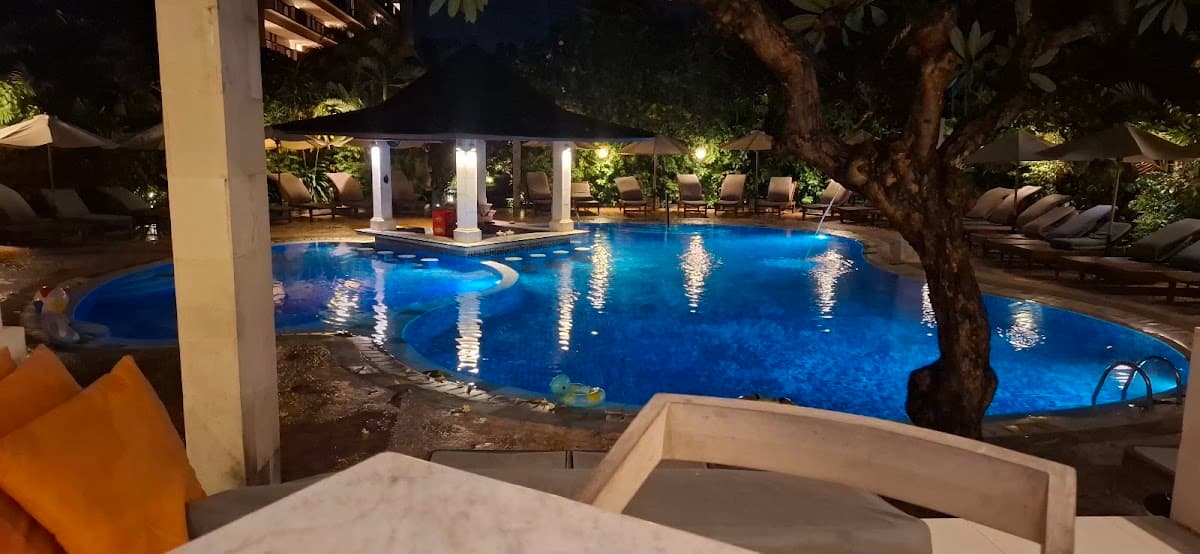
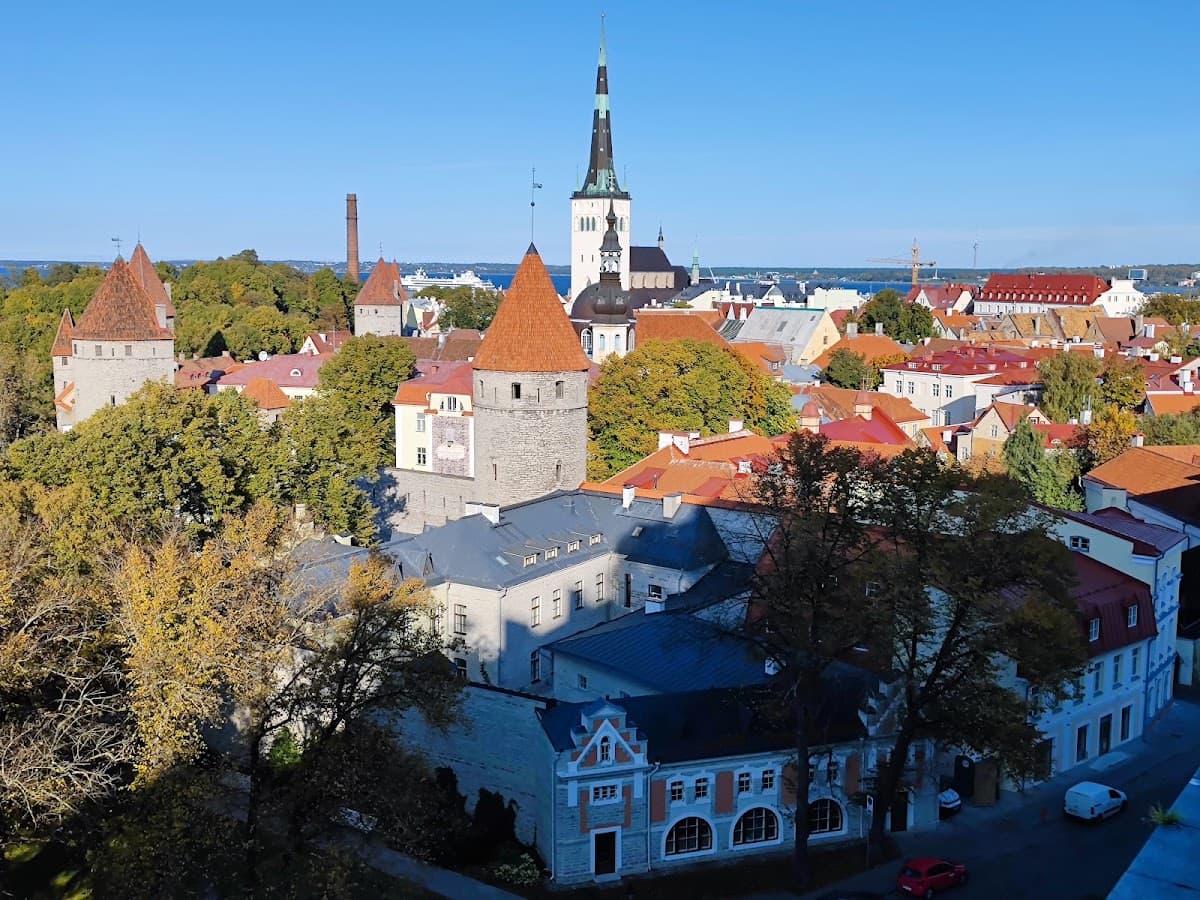
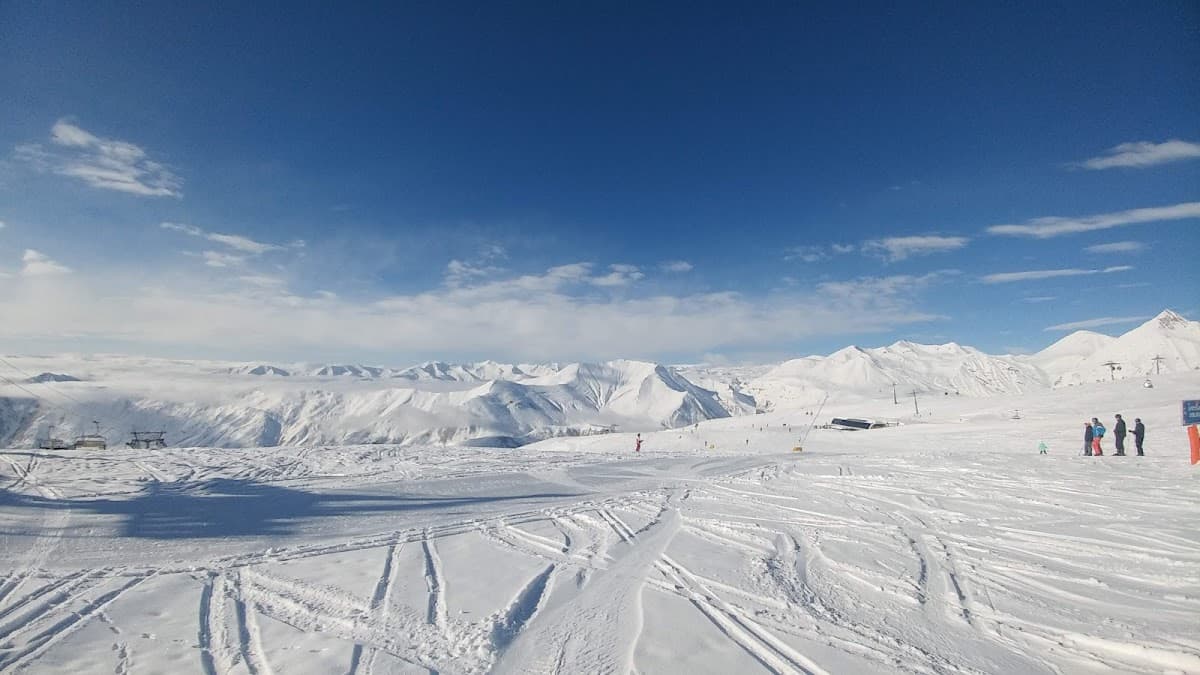



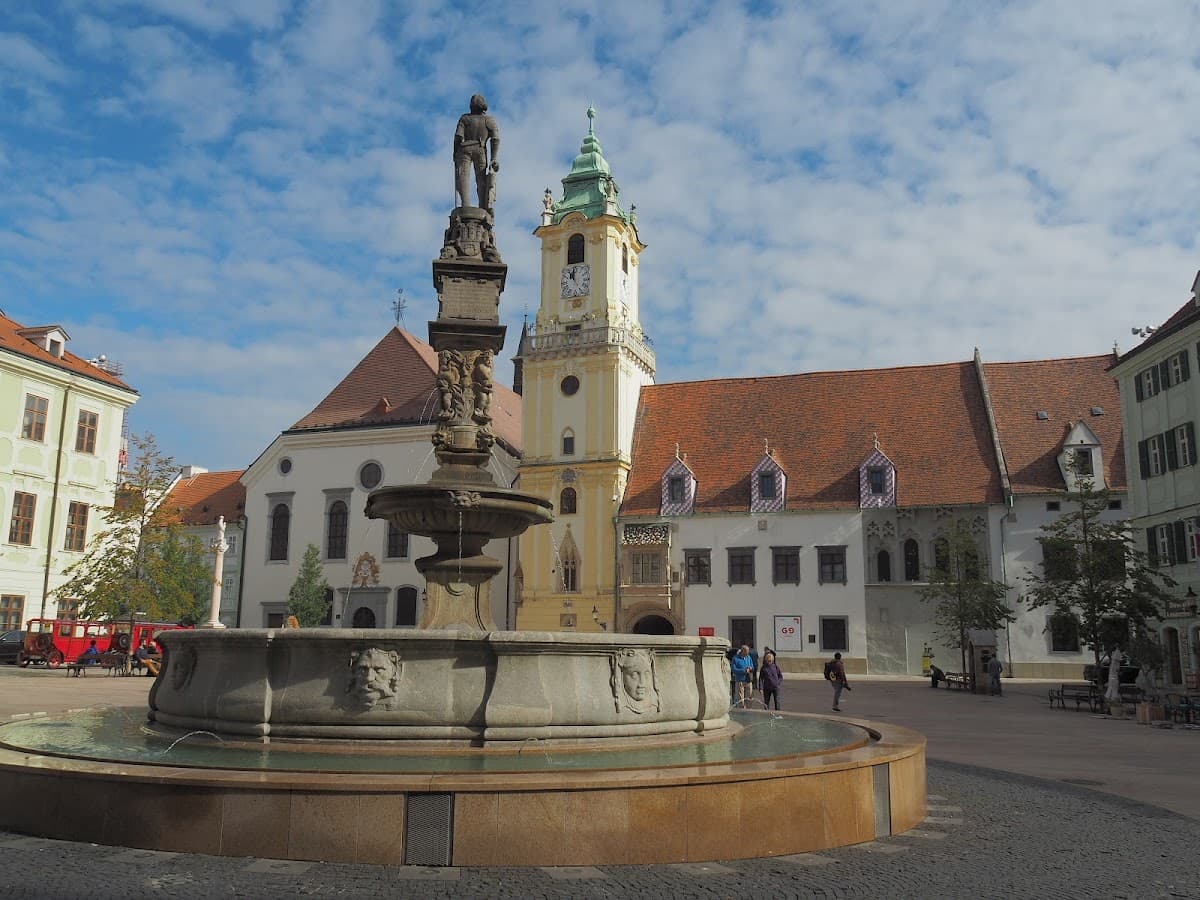
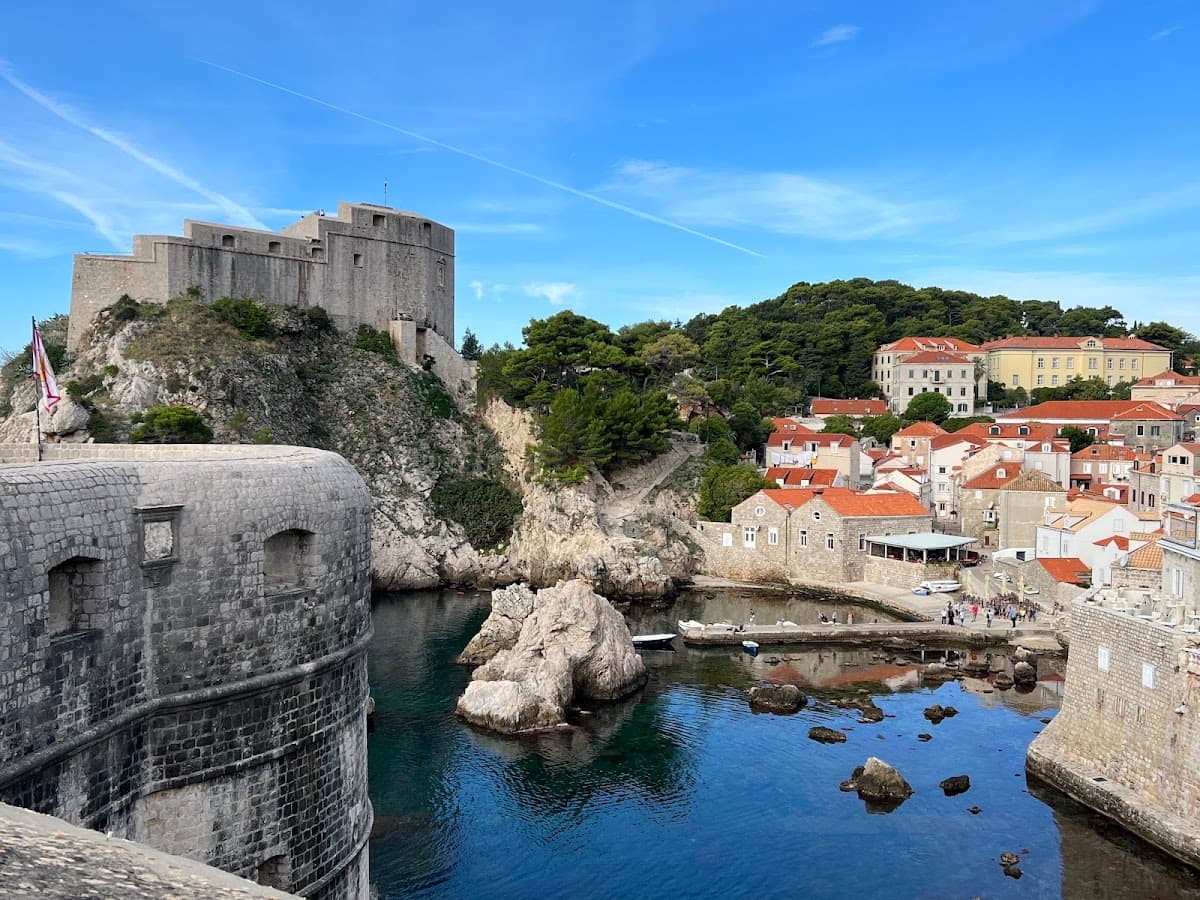
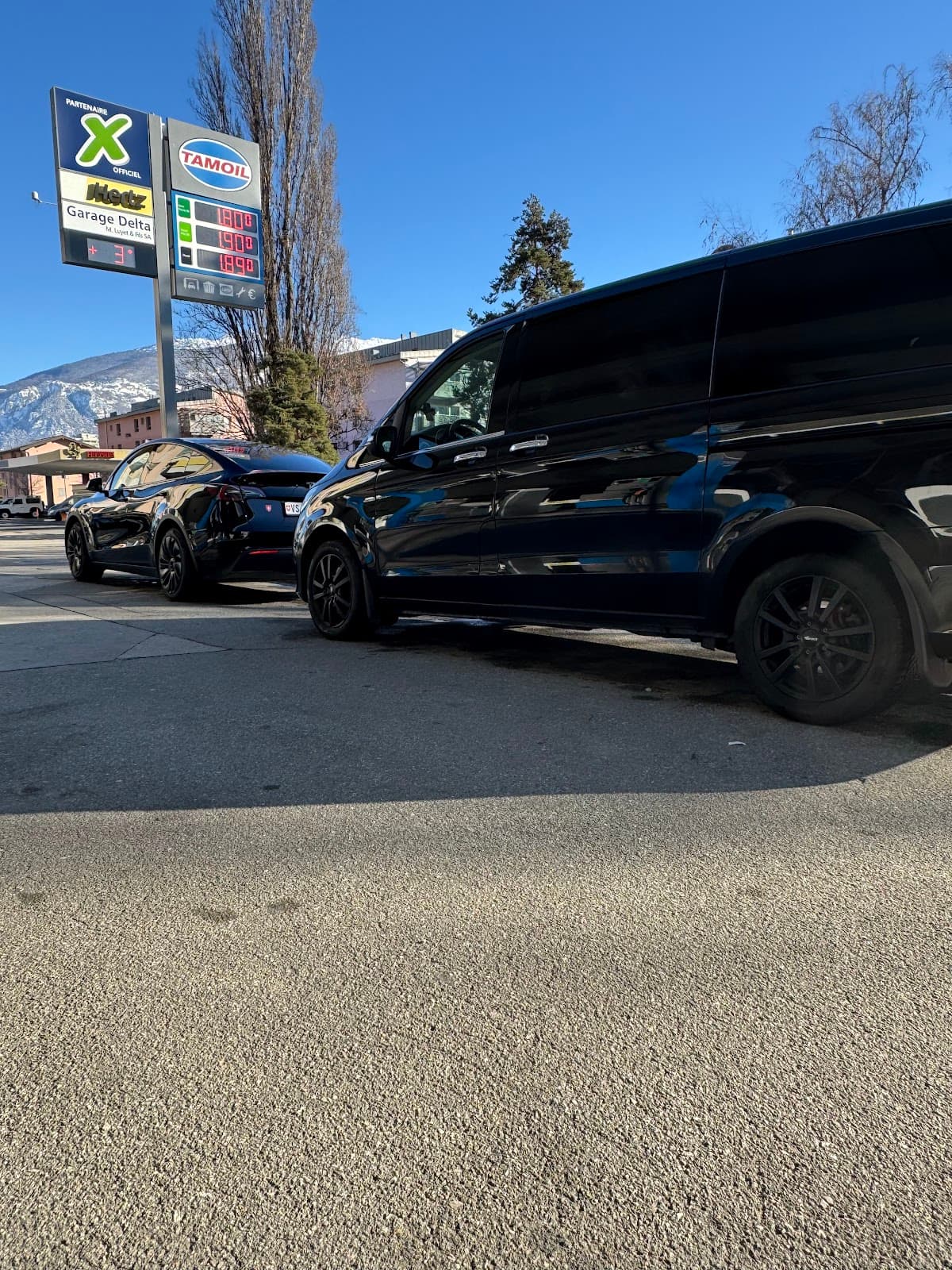
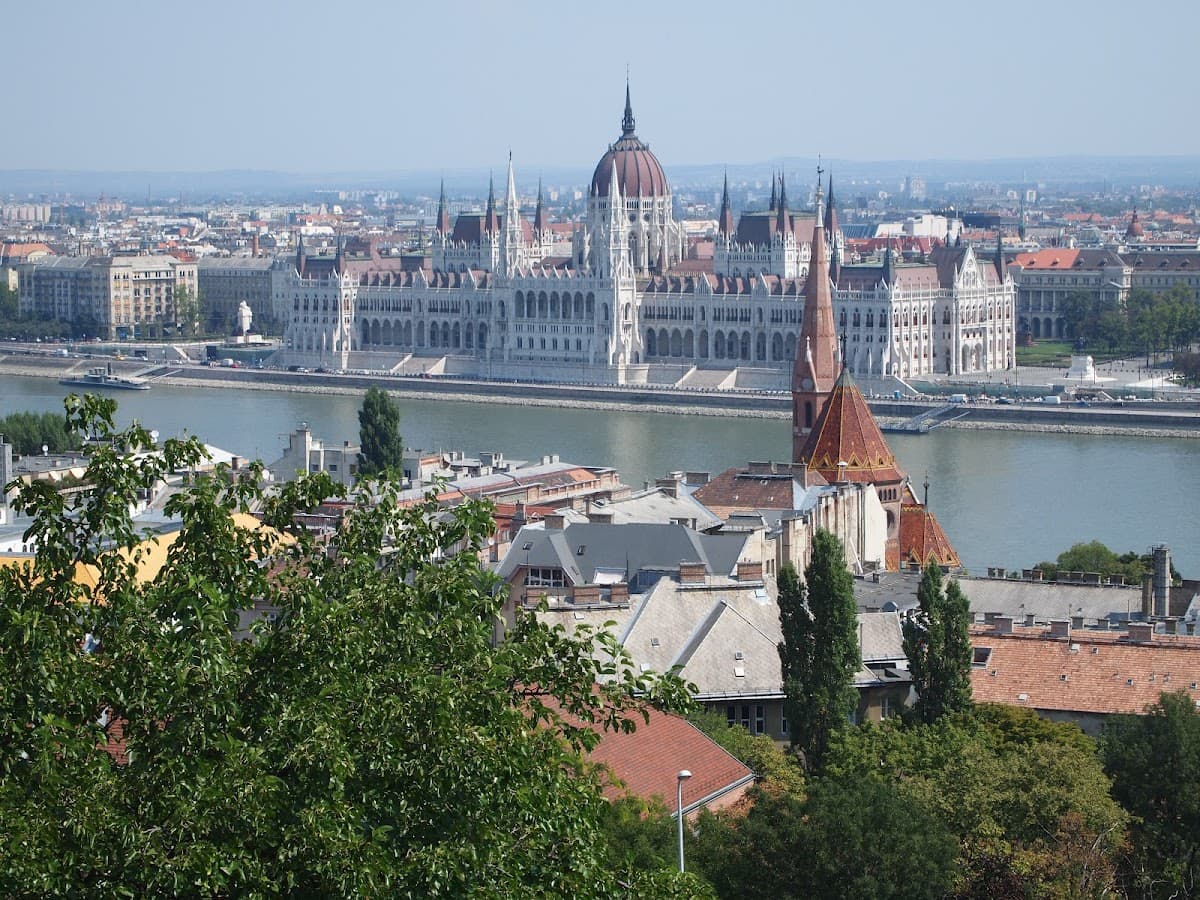
Explore the Region
Europe Itineraries
View all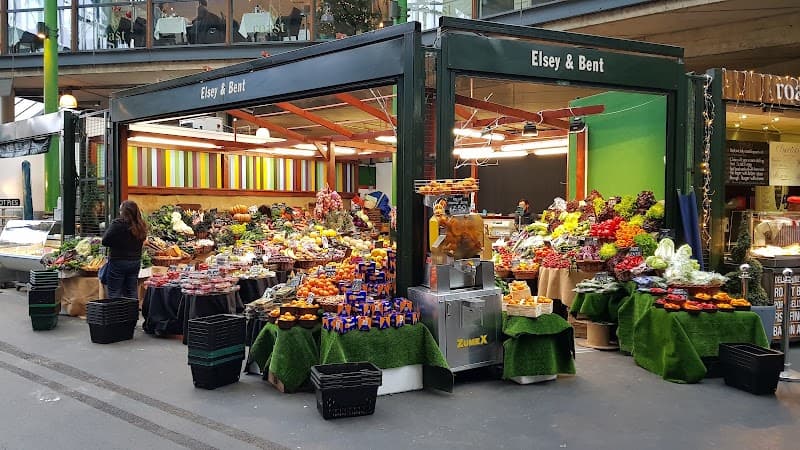
London on Two Wheels: Market Flavors and Riverside Culture
Weekend · $$$$
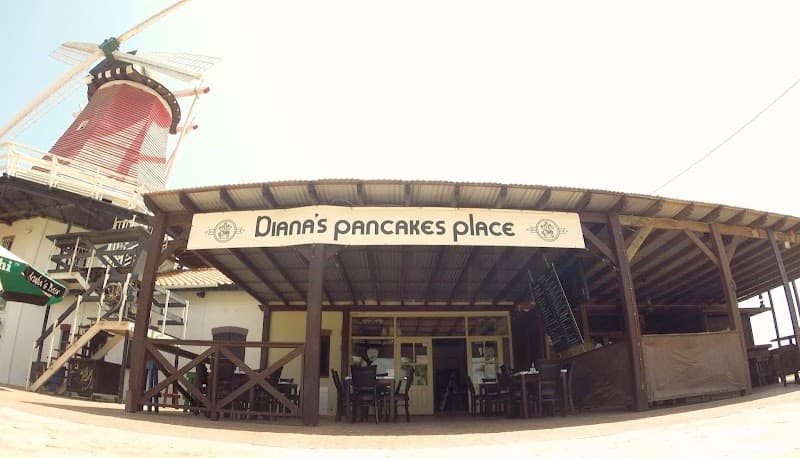
Three Slow Days of Romance, Flavor, and Island Light
Weekend · $$$
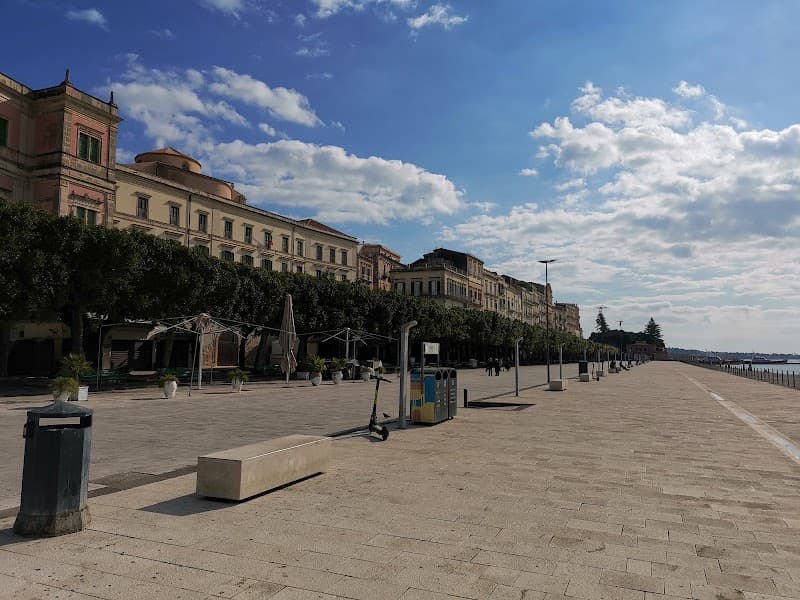
Slow Sicily: Markets, Monuments, Coastlines and Wine
Weekend · $$
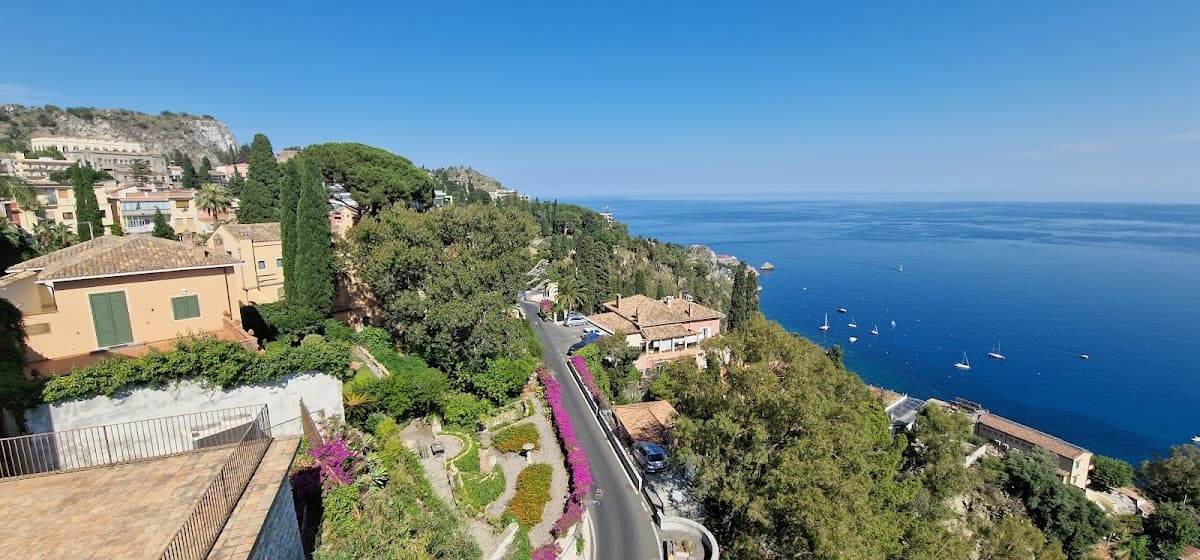
Palermo Slow Escape: Art, Markets, and Sicilian Wine
Weekend · $$
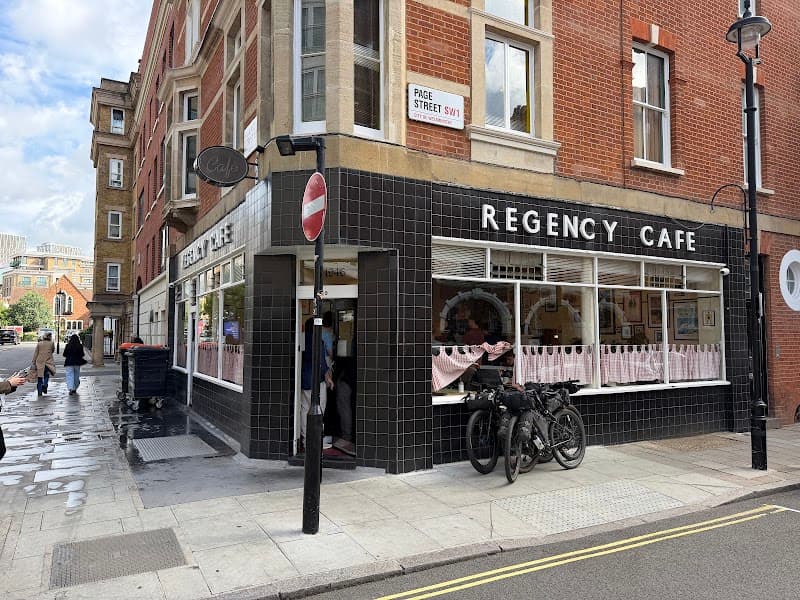
London: Seven Slow Days of Culture, Flavor, and Adventure
Week · $$$
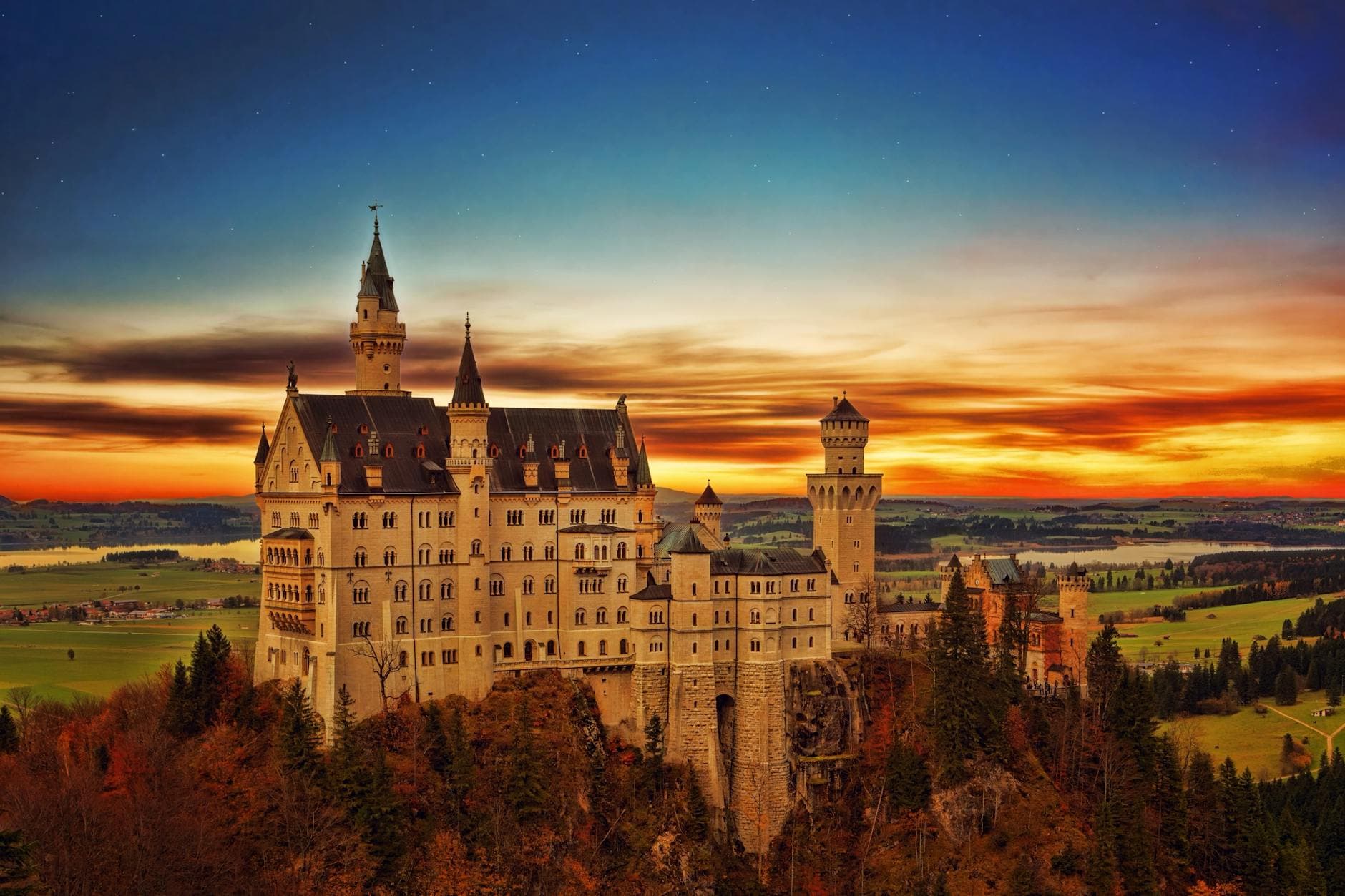
Germany’s Regional Flavors: Markets, History, Beer and Rhine Wine
Week · $$$
Money-Saving Tips
- 1.Buy museum passes for major cities - Paris Museum Pass, Roma Pass, and Amsterdam City Card pay for themselves after 2-3 attractions and include public transport
- 2.Eat lunch at dinner restaurants before 3 PM - many offer prix fixe menus at half the evening price, especially in France and Italy
- 3.Book trains 3-4 months ahead for high-speed routes - early bird prices can be 70% cheaper than day-of tickets
- 4.Stay in university dorms during summer break - many European universities rent rooms to tourists June-August for €30-50/night
- 5.Use city bike-share programs instead of taxis for short trips - most cost under €10/day and are faster than driving in city centers
- 6.Shop at local markets for picnic supplies - cheese, bread, and wine from markets cost less than one restaurant meal
- 7.Travel on Tuesdays and Wednesdays - flights and hotels are typically 20-30% cheaper midweek versus weekends
Travel Tips
- •Download offline maps before you go - data roaming charges add up fast, and GPS works without internet connection
- •Pack layers, not heavy coats - European weather changes quickly and most buildings have good heating/cooling
- •Learn basic greetings in local languages - even 'hello' and 'thank you' in French, Italian, or German opens doors
- •Carry cash for small purchases - many cafés and markets don't accept cards for amounts under €10
- •Book restaurant reservations 2-3 days ahead in major cities - popular spots fill up fast, especially for dinner
- •Validate train tickets before boarding - unstamped tickets result in hefty fines even if you bought them legally
- •Keep copies of important documents in separate bags - losing your passport is easier to handle with backup photos