COUNTRY GUIDE
Philippines
Seven thousand islands of tropical paradise
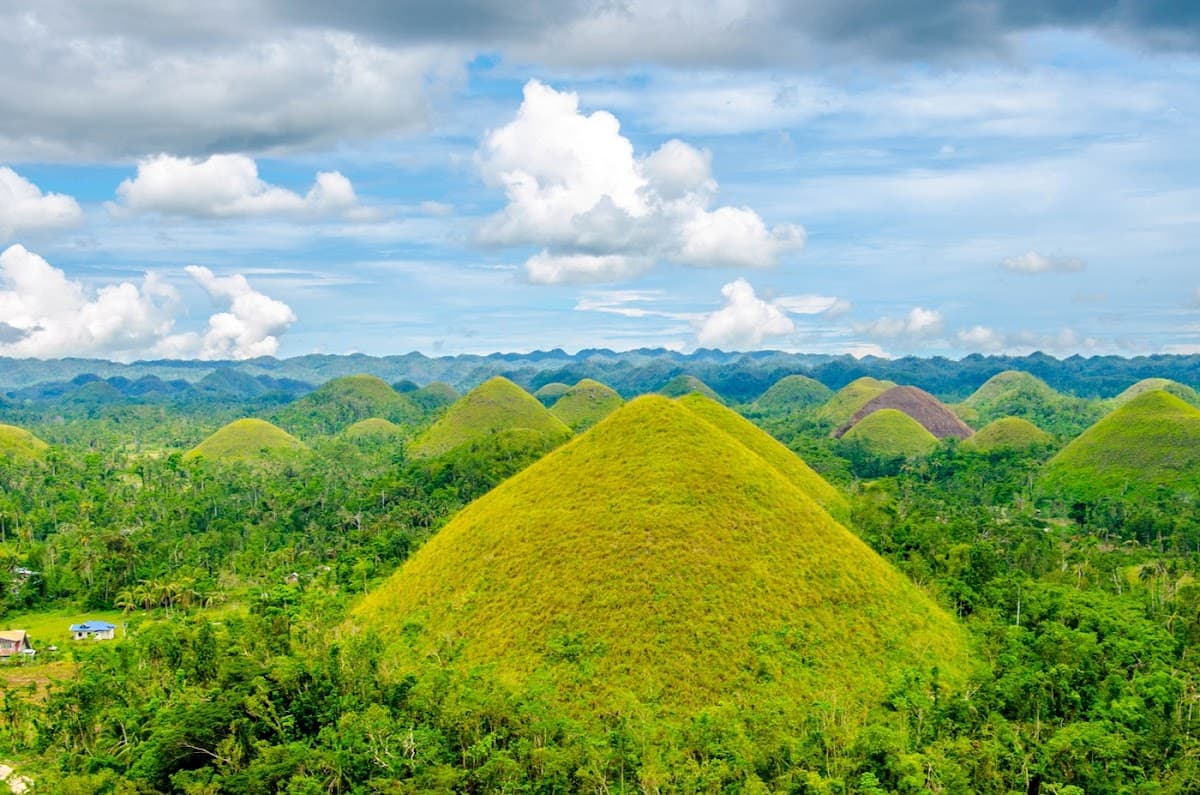
The Philippines doesn't mess around. Seven thousand islands scattered across the Pacific, each one promising something different. You've got Palawan's underground rivers, Boracay's powder-white sand, and Bohol's chocolate hills that look like they were dropped from another planet. But here's what the brochures won't tell you: navigating this archipelago takes planning. Flights between islands can cost as much as your accommodation, and the weather shifts faster than your travel plans. Still, get it right and you'll understand why people come for a week and stay for months.
Explore Destinations


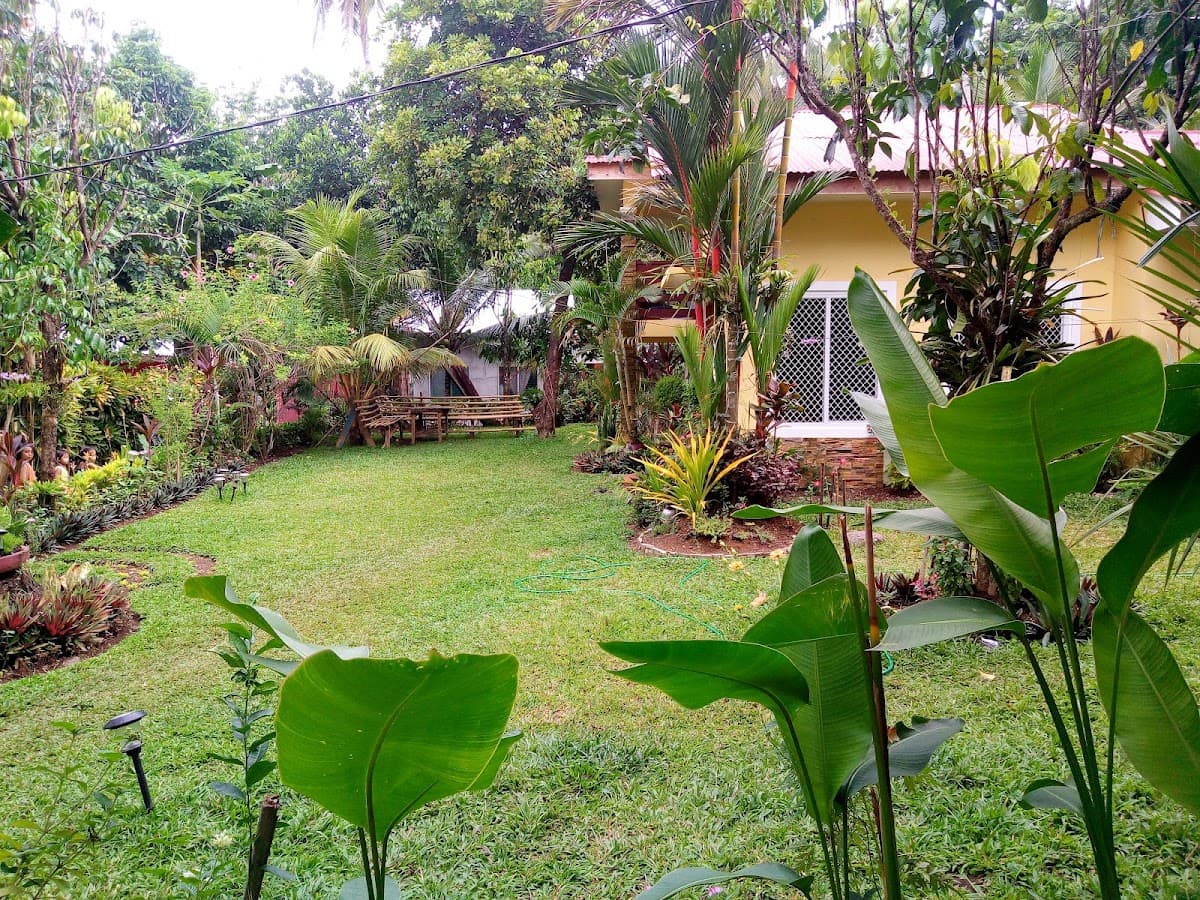
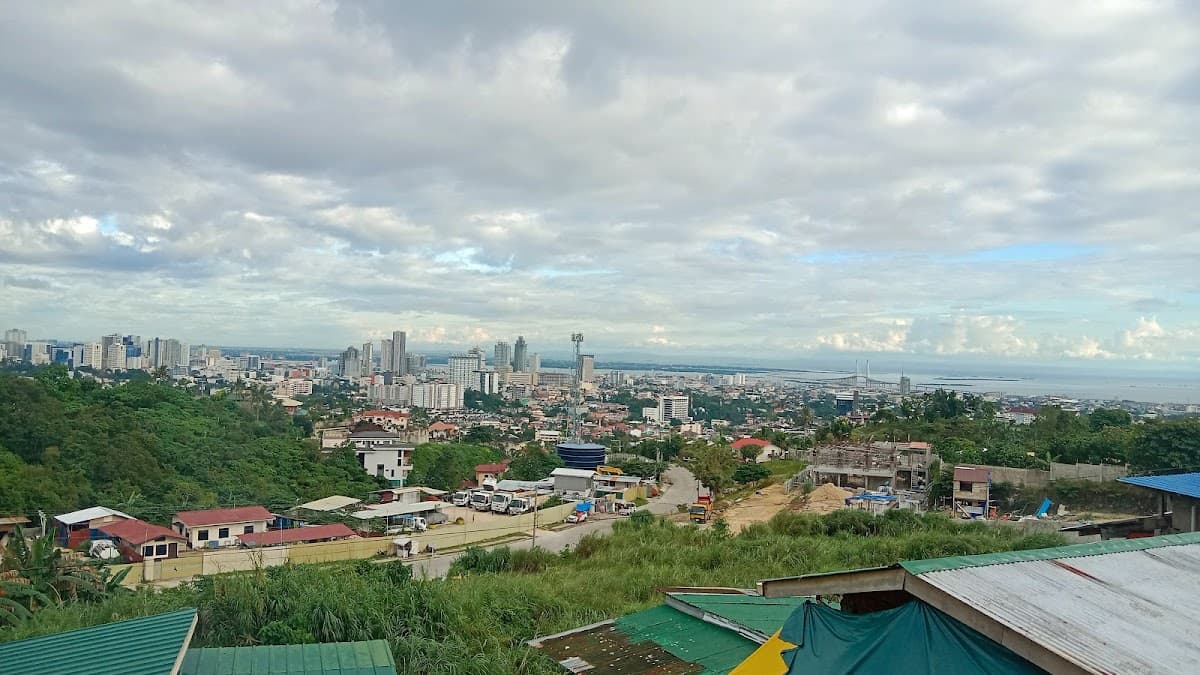




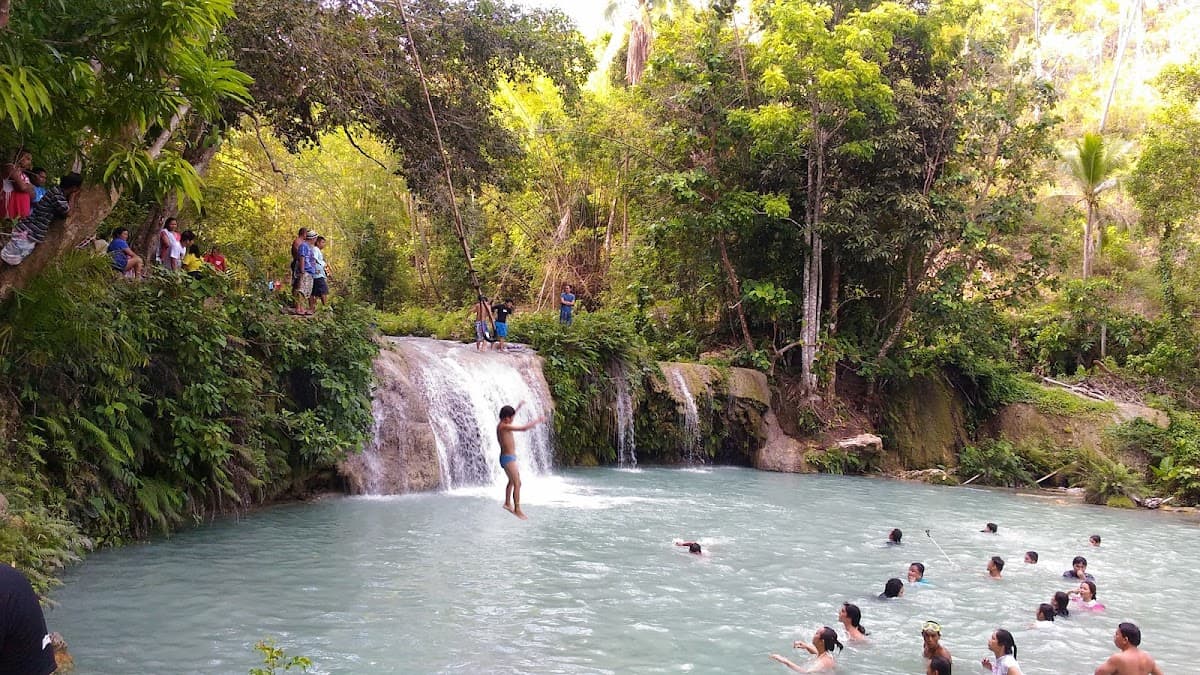
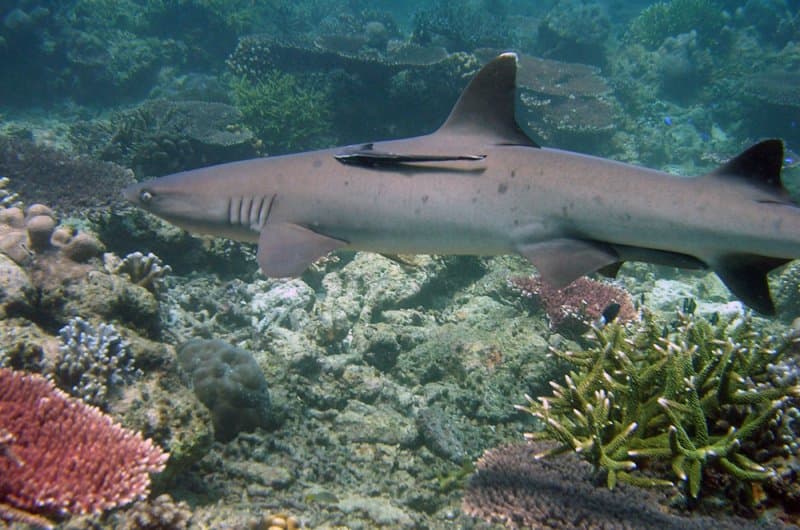
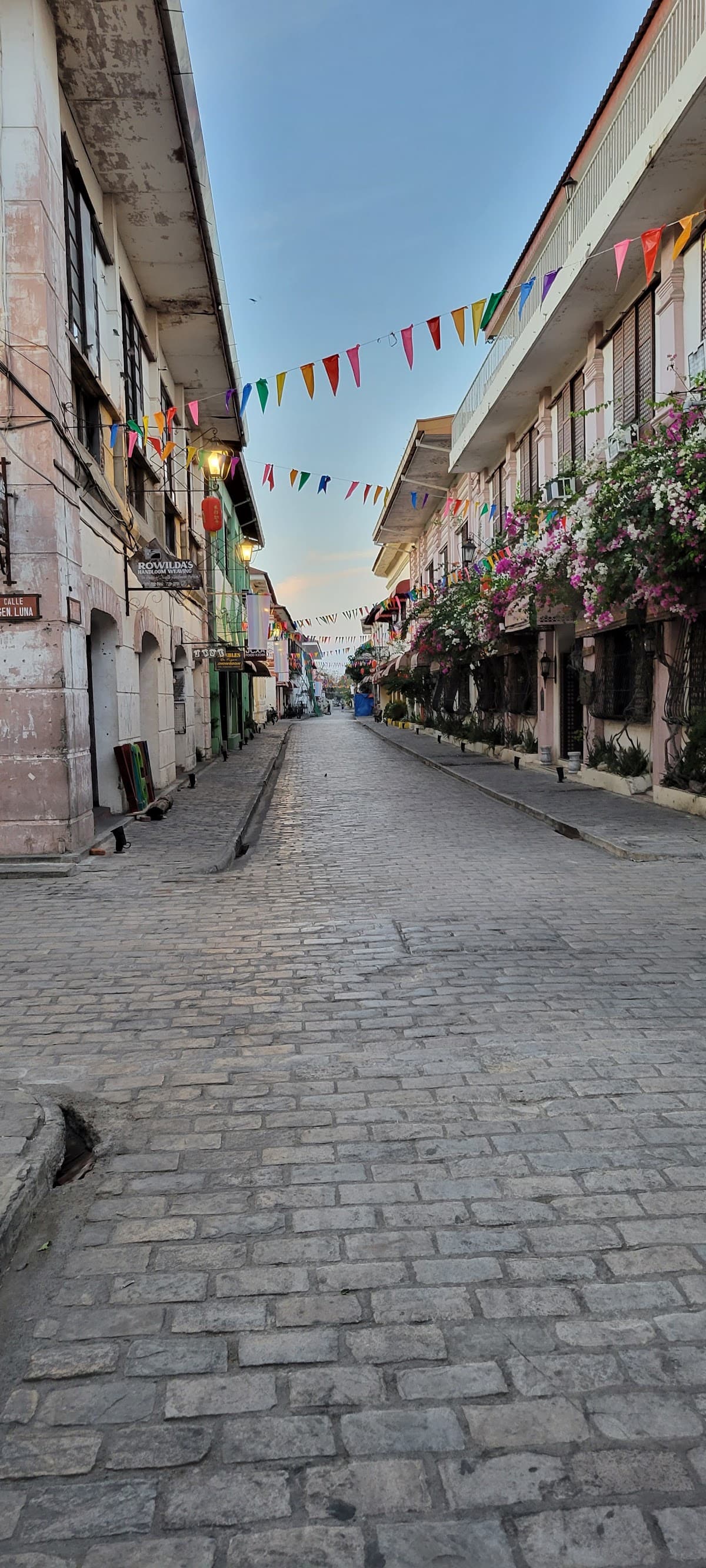
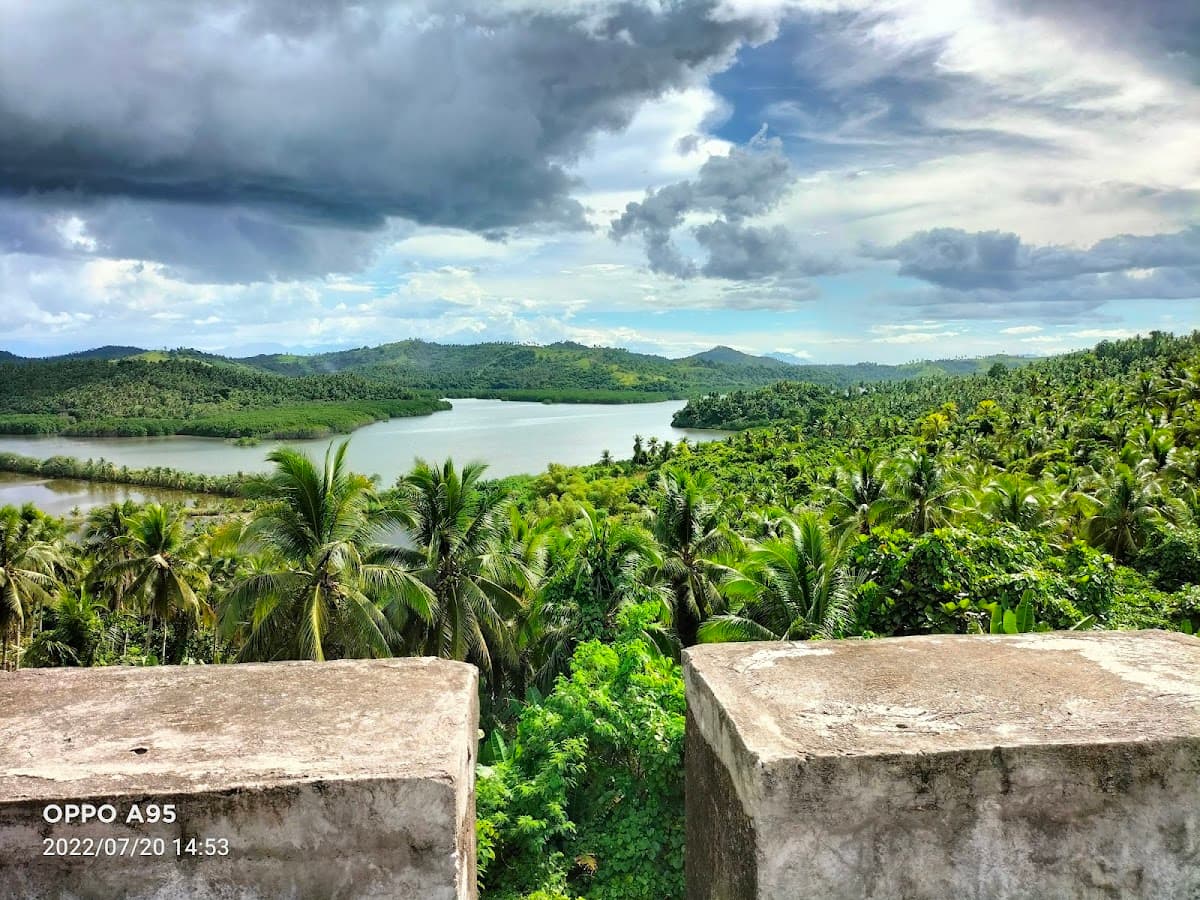
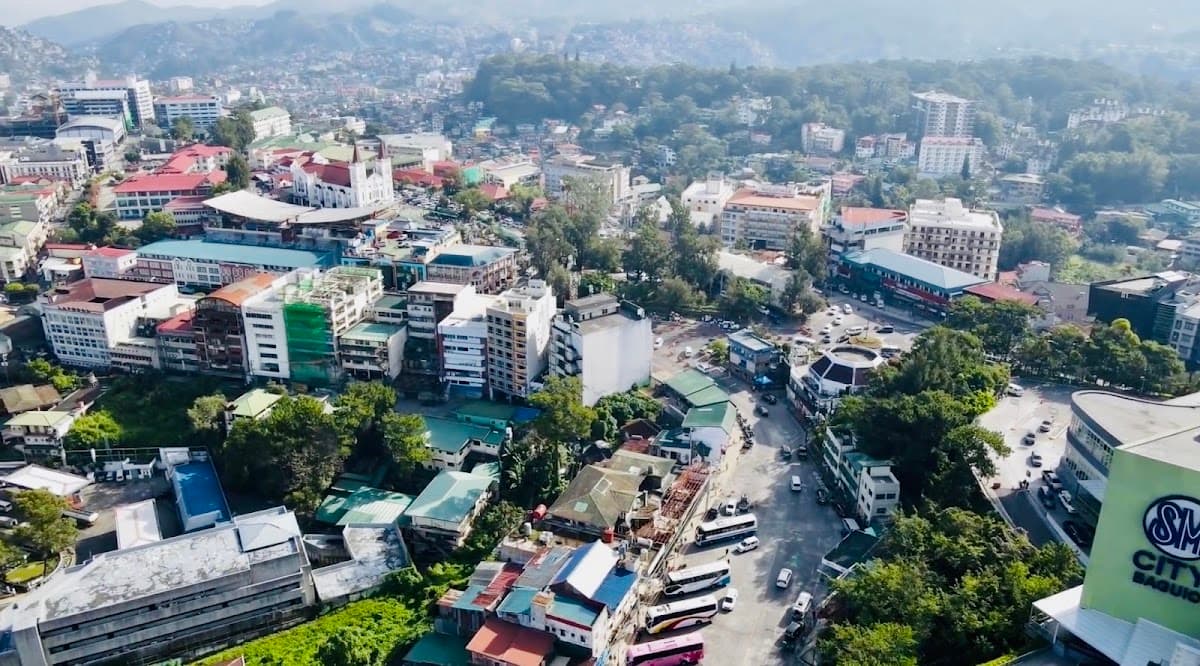
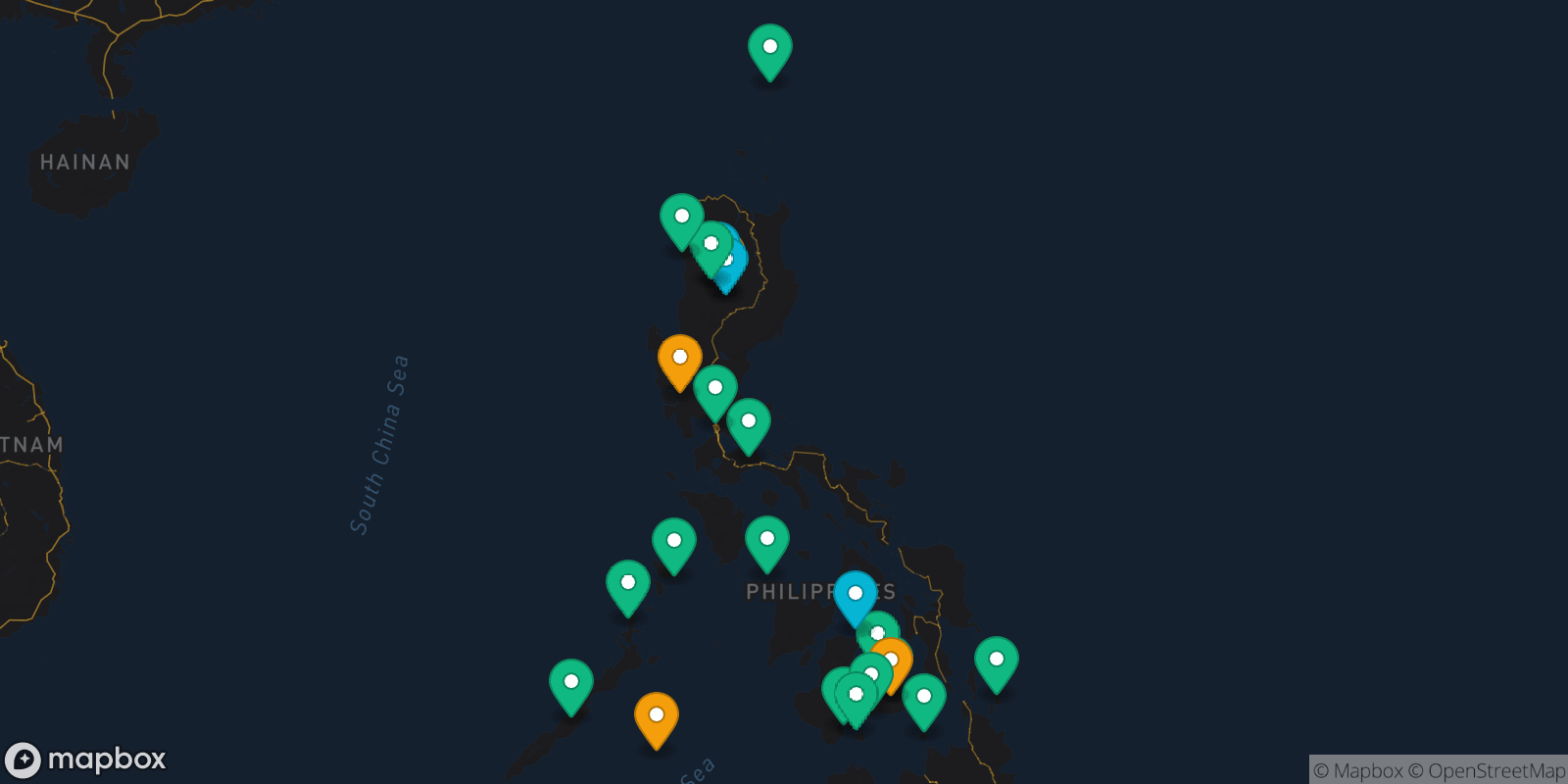
Explore the Region
Cities
Districts
Subregions
23 destinations
Philippines Itineraries
View allFive Days of Manila Heritage, Art, and Filipino Flavor
Weekend · $$$
Manila’s Heritage, Art, and Filipino Flavors
Weekend · $$$
Seven Days Solo in Cebu: Reefs, Ridges, and Street Eats
Week · $$
Calm Coron Bay Day for Couples
Weekend · $$$
Slow & Adventurous 7 Days in Manila, Taal & Palawan
Week · $
3 Packed Days in Manila: History, Food & City Lights
Weekend · $$
Manila makes sense for arrivals, but don't linger longer than you need to. The capital is chaotic, polluted, and expensive by Philippine standards. Head straight to Makati if you must stay overnight – the business district has reliable wifi and decent restaurants within walking distance.
Palawan is where most people get it right. El Nido serves as base camp for island hopping, though the town itself is tourist-heavy and overpriced. Puerto Princesa offers better value and the underground river tour, but less beach action. For the middle ground, try Coron – fewer crowds, cheaper accommodation, and some of the country's best diving.
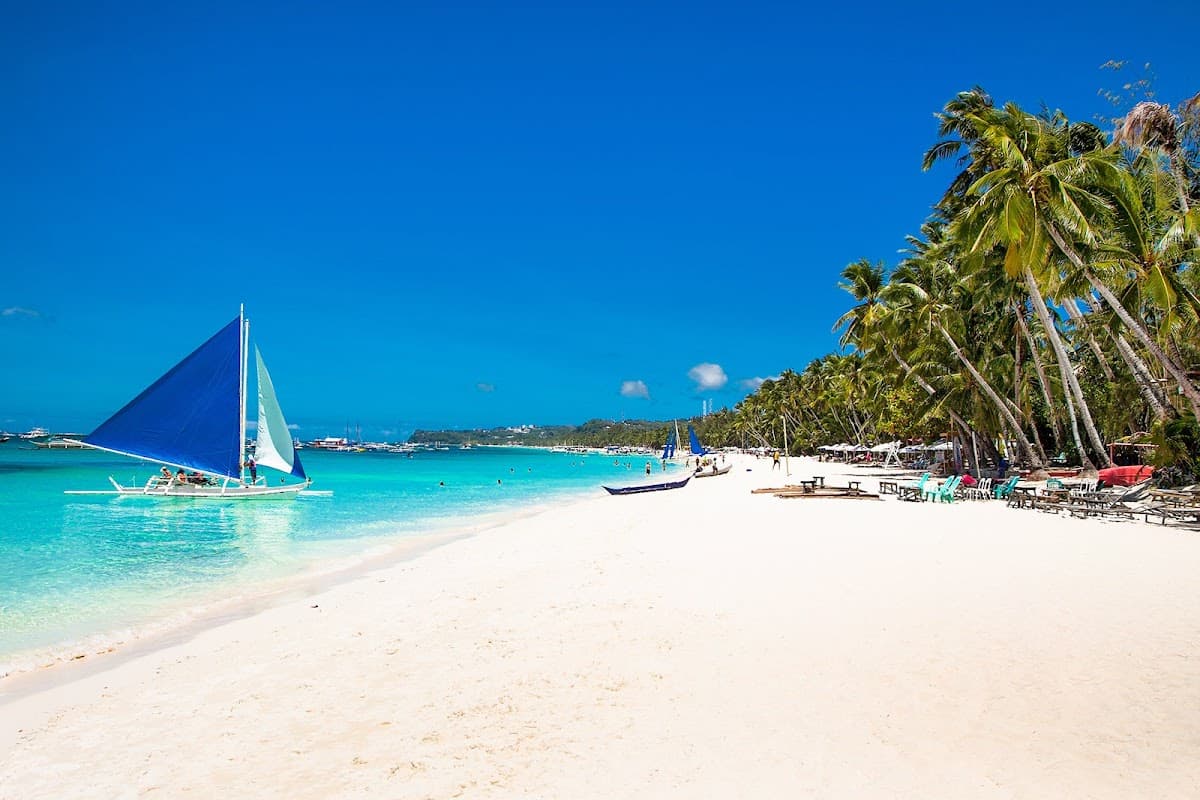
Boracay bounced back from its 2018 closure stronger than before. Station 2 puts you in the thick of things, while Station 1 costs more but delivers that postcard-perfect white sand. Station 3 works for budget travelers who don't mind a longer walk to the action.
Bohol's Panglao Island combines beaches with easy access to the Chocolate Hills. Alona Beach has the restaurants and nightlife, but Dumaluan Beach offers more space and better sunset views. The tarsier sanctuary is a quick tricycle ride from either.
Money-Saving Tips
- 1.Withdraw cash from BDO or BPI ATMs – they have the lowest fees and best exchange rates
- 2.Negotiate tricycle fares before getting in. Tourists pay 2-3x the local rate if they don't ask first
- 3.Buy domestic flights 2-3 months ahead. Last-minute bookings can cost 5x more during peak season
- 4.Eat where locals eat – street food costs ₱50-100 vs ₱300-500 at tourist restaurants
- 5.Stay in fan rooms instead of AC to save ₱500-1000 per night, especially during cooler months
- 6.Book island hopping tours directly with boat operators at the beach, not through hotels
- 7.Travel during shoulder season (March-May) for 30-40% savings on accommodation
- 8.Use Grab instead of airport taxis – fixed rates and no haggling required
Travel Tips
- •Download offline maps before island hopping – cell service disappears between islands
- •Pack reef-safe sunscreen. Many marine parks ban chemical sunscreens that damage coral
- •Bring a portable charger. Power outages happen regularly, especially on smaller islands
- •Learn basic Tagalog phrases. English is widely spoken, but locals appreciate the effort
- •Always carry toilet paper and hand sanitizer. Public restrooms rarely stock either
- •Book accommodation with backup generators if you need reliable power for work
- •Respect local customs at churches and temples. Cover shoulders and knees, remove hats
- •Keep copies of your passport. Some domestic flights require ID, and police checkpoints are common
Frequently Asked Questions
Most nationalities get 30 days visa-free entry. US, EU, and Commonwealth citizens can extend to 59 days at immigration offices for ₱3,030. Bring proof of onward travel – airlines check this strictly.