Siquijor
Philippines' mystical island of healing and folklore
Siquijor doesn't advertise itself. This small island in the central Philippines earned its reputation through whispered stories of faith healers, mystical traditions, and beaches that feel like secrets. While other Philippine islands chase Instagram fame, Siquijor stays quietly magical.
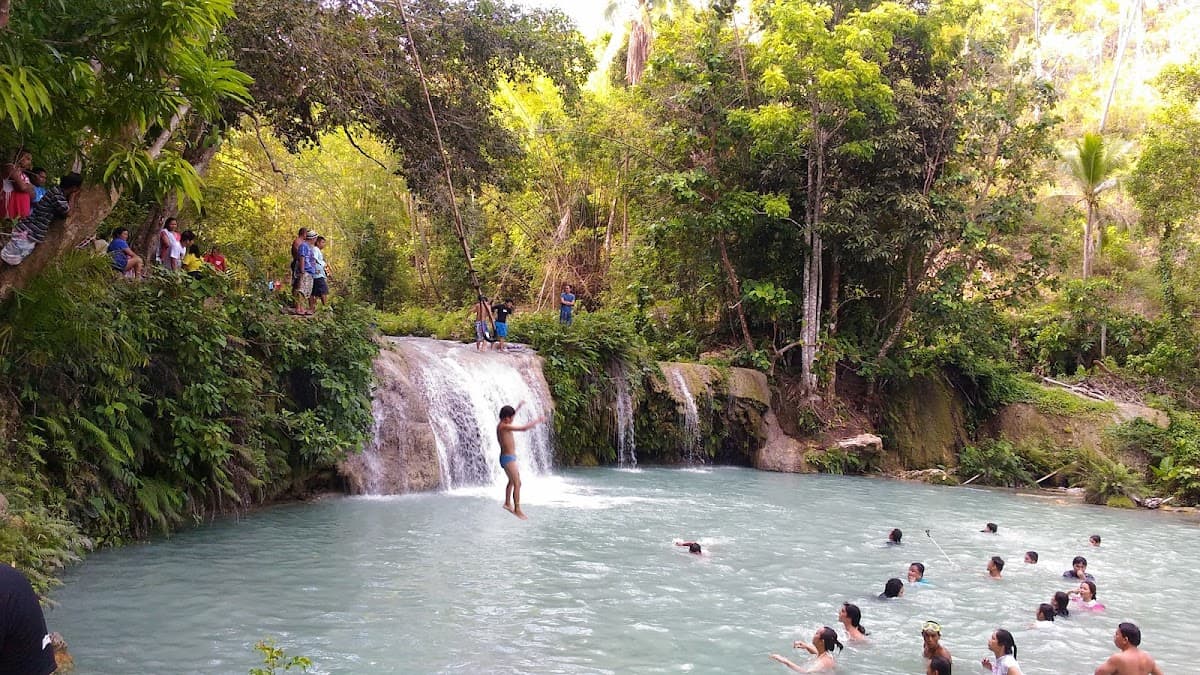
The island spans just 337 square kilometers, but packs in white sand beaches, century-old balete trees, and healing springs that locals swear by. You'll find traditional folk healers alongside beach bars, and Spanish-era churches next to dive shops. It's the kind of place where you come for three days and somehow stretch it to a week.
Look, Siquijor isn't for everyone. The nightlife peaks at sunset cocktails, and the biggest crowds gather for Sunday mass. But if you're craving authentic Philippines without the tour bus chaos, this mystical island delivers something most destinations can't: genuine peace.
Best Months
JAN · FEB · MAR · APR · MAY · DEC
~31°C · high crowds
Culture & Context
MYSTIQUE MEETS FAITH
Siquijor sits in the Central Visayas region, just off the coast of Negros Oriental. It's the smallest province in the region, with a population that has kept its Catholic roots deep while also holding onto something older. The island is known across the Philippines as the "Isla del Fuego" (Island of Fire), a name that actually comes from the fireflies that once lit up the molave trees at night, not from volcanoes.
But more than the fireflies, it's the reputation for witchcraft, faith healers, and black magic that shaped how the rest of the Philippines viewed this place for decades. While Cebu and Bohol boomed, Siquijor sat quietly in the background because plenty of Filipinos genuinely hesitated to visit. That reputation has shifted.
Now travelers come specifically because of that mystique. The healers are real. The mangkukulam (sorcerers) and albularyo (herbalists) still operate in the mountains, gathering herbs and brewing traditional remedies.
You can actually visit them. Whether you believe in it or not, the tradition runs deep and the locals take it seriously. Treat the subject with curiosity, not mockery, and you'll get a much warmer reception.
The island is 100% Christian, and that coexistence of Catholicism with folk healing traditions is genuinely fascinating. The 72km sealed coastal road circles the entire island, and daily life happens at a pace that makes you reconsider what "busy" even means.
Local Customs
RESPECT THE HEALERS
["The "Bayle" is the heart of every fiesta. The town basketball court transforms into a giant outdoor dance floor after dark, with all ages showing up. If you are invited to a barangay fiesta, show up.
You will be fed lechon and vegetables whether you know your hosts or not. A bottle of Emperador brandy or Tanduay rum as a gift is always welcome.", "When addressing older locals, use Manong for an older male and Manang for an older female.
This applies whether they are a tricycle driver, a shopkeeper, or someone you meet on the road. Skipping this in traditional settings reads as rude.", "Filipinos here often avoid a direct 'no.
' If someone says 'ambot lang' (I'm not sure) or 'basi unya' (maybe later), take the hint. Pushing past indirect refusals creates awkwardness. Lip-pointing is also common: locals often gesture directions with a slight purse of the lips rather than a pointed finger.
", "The island is deeply Catholic. Churches fill up on Sundays and during fiestas. If you enter a church during a service, dress modestly (cover shoulders and knees) and keep noise down.
Photography during mass is generally frowned upon.", "Respect the reputation around the healers and witchcraft. Even if you are skeptical, don't publicly mock the tradition.
Locals genuinely believe in it, and dismissiveness comes off as disrespectful rather than worldly.", "Negotiate fares before you get into a tricycle. Always.
The standard local rate is around ₱15-₱20 per person for short rides, but tourists frequently get quoted ₱100-₱200. Asking 'Pilay plete?' (How much is the fare?
) before boarding sets the right tone.", "Siquijor has a growing refill culture. Most accommodations and many cafes along the main road offer water refills for just a few pesos.
Bring a reusable bottle. Locals actively take pride in keeping the island clean, and arriving as yet another plastic-water-bottle tourist is not a good look.
Safety
WATCH YOUR WHEELS
Siquijor consistently ranks as one of the safest islands in the Philippines. Violent crime against tourists is essentially nonexistent, and the island is small enough that anonymous bad behavior doesn't fly — everyone knows everyone. That said, the real risks are practical ones.
Scooter accidents are the top cause of tourist injuries here. Roads can be narrow, unlit at night, slippery after rain, and dogs have a habit of appearing from nowhere. If you've never ridden a motorcycle, Siquijor is not the place to learn.
Wear a helmet every single time. Petty theft is uncommon but not impossible — don't leave phones, cameras, or bags unattended on the beach or at waterfalls while swimming. Roads have no street lights in many areas, so driving after dark is genuinely risky even for experienced riders.
Waterfalls get dangerous after heavy rain — rocks get slippery, currents strengthen, and water clarity drops. If locals say don't swim, believe them. For medical issues, there is a provincial hospital in Siquijor Town, but anything serious means a ferry to Dumaguete (1-2 hours total).
Travel insurance with medical evacuation coverage is strongly recommended. Dengue is a real concern during the rainy season — use repellent. Tricycle and tour price inflation is common with tourists — always agree on a price before you start.
Getting Around
FERRY & SCOOTER
No airport, so everyone arrives by ferry. From Dumaguete, the crossing takes about 1 hour and ferries run daily. From Tagbilaran (Bohol), the OceanJet takes roughly 2 hours.
From Cebu, expect 3-5 hours depending on the route and whether the boat stops in Bohol. As of December 2025, Sunlight Air launched a new Cebu-Siquijor route flying 4 times weekly (Monday, Wednesday, Friday, Sunday) — the first direct air link, so check availability. Ferries dock at two ports: Siquijor Town port and Larena port.
Check which port your specific ferry uses before you arrive. On the island, scooter rental is effectively mandatory for exploring independently. The full coastal road is 72km of sealed tarmac.
Tricycles cover short town distances. A scooter runs ₱350-₱500 per day from rental shops — always photograph the bike before you take it to avoid bogus damage claims when returning. Tricycle rates are negotiable.
Settle on a fare before you get in.
Useful Phrases
Money-Saving Tips
- 1.Ferry tickets to Siquijor cost the same whether bought in advance or at the port, so skip booking fees and buy on arrival
- 2.Rent motorcycles directly from locals near the ports for ₱50-100 less per day than official rental shops
- 3.Share island hopping boats with other travelers - private charters for 10 people cost the same as 4 individual bookings
- 4.Eat at the public market in Larena for breakfast - fresh kakanin and coffee cost under ₱50 total
- 5.Many guesthouses include free motorcycle use, saving ₱500 per day compared to separate rentals
- 6.ATMs are scarce outside Larena and San Juan, so bring enough cash for your entire stay
- 7.Tricycle rides within towns should cost ₱15-30 - anything over ₱50 means you're being overcharged
Travel Tips
- •Book accommodation well in advance for Holy Week (March/April) when pilgrims flood the island for healing ceremonies
- •Bring reef-safe sunscreen - the coral reefs here are pristine and locals actively protect them
- •Download offline maps before arriving - cell signal is weak in many areas and GPS can be unreliable
- •Pack a waterproof bag for waterfalls and boat trips - sudden rain showers are common even in dry season
- •Respect local healing traditions - ask permission before photographing shamans or ceremonies
- •Carry small bills for market purchases and tricycle rides - many vendors can't break ₱1000 notes
- •The coastal road has several blind curves - drive defensively and watch for oncoming traffic
- •Most restaurants close by 9 PM - plan dinner early or stock up on snacks for late-night hunger