SUBREGION GUIDE
Ifugao
Ancient rice terraces carved into mountains by indigenous hands
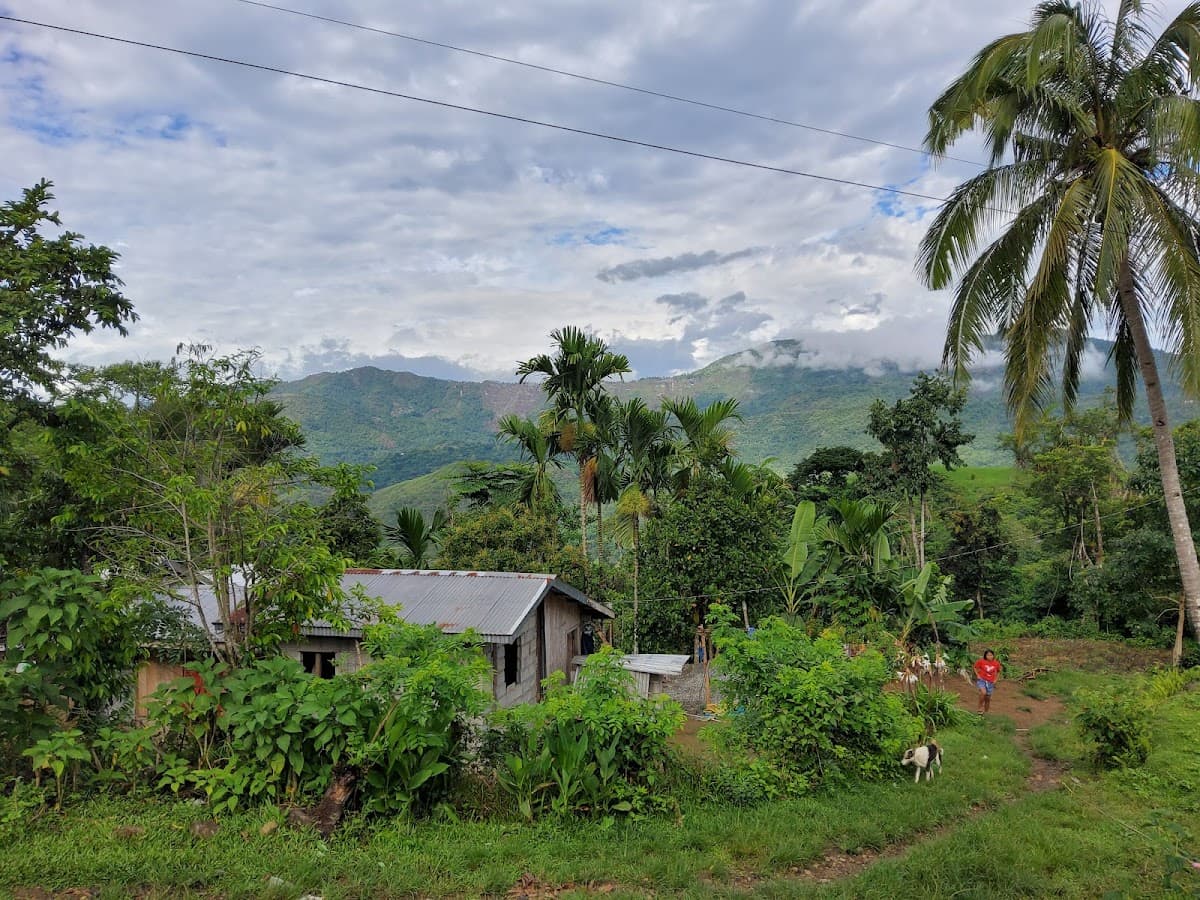
Look, most travelers rush past Ifugao on their way to more famous Philippine destinations. Big mistake. This mountainous region in northern Luzon holds some of the world's most spectacular rice terraces — carved by hand over 2,000 years ago and still farmed today by the indigenous Ifugao people. You won't find beach resorts or shopping malls here. Instead, expect steep mountain roads, traditional villages where ancient rituals still happen, and terraces that cascade down mountainsides like giant green staircases. It's raw, authentic, and completely different from the rest of the Philippines.
Ifugao sits in the Cordillera Central mountains of northern Luzon, about 350 kilometers north of Manila. The province covers roughly 2,600 square kilometers of rugged terrain, with elevations ranging from 200 to over 2,700 meters above sea level. But here's what makes it special: the Ifugao people have been carving rice terraces into these mountains for over two millennia, creating what UNESCO calls a 'living cultural landscape.' The terraces cover about 20,000 hectares across five municipalities, fed by an ancient irrigation system that still works perfectly. The region experiences a tropical highland climate — cooler than most of the Philippines, with temperatures rarely exceeding 26°C even during the day. Two seasonsdefine the year: wet (May to October) and dry (November to April). The landscape changes dramatically between them.
Money-Saving Tips
- 1.Bring cash — ATMs only exist in Banaue town center, and many don't work reliably
- 2.Homestays in villages cost ₱300-500 per night including meals, much cheaper than Banaue hotels
- 3.Hire guides through the municipal tourism office for fixed rates, avoiding overcharging
- 4.Buy rice and handicrafts directly from farmers and weavers for better prices than tourist shops
- 5.Shared jeepneys cost ₱50-100 between towns versus ₱2,000+ for private hire
- 6.Pack your own snacks — convenience stores are rare and expensive outside main towns
Travel Tips
- •Pack layers — mountain weather changes quickly and temperatures drop at night
- •Wear good hiking boots with grip — terrace trails can be slippery and steep
- •Respect photography rules in villages — always ask permission and expect to pay small fees
- •Learn basic Ifugao greetings — locals appreciate the effort and open up more
- •Book accommodations in advance during dry season — options fill up fast
- •Bring water purification tablets — village water sources may not agree with your stomach
- •Download offline maps — cell service is spotty in remote areas
- •Pack a headlamp — villages have limited electricity and you might walk after dark
Frequently Asked Questions
Plan at least 3-4 days to see the main terrace sites and experience village life. A week lets you trek to remote areas and really connect with local culture. Two days feels rushed unless you're just passing through.