
El Nido
Philippines' crown jewel of limestone cliffs and lagoons
El Nido sits at the northern tip of Palawan like nature's own sculpture gallery. Towering limestone cliffs shoot straight up from turquoise water, creating hidden lagoons that feel like secrets only you know about. This isn't your typical beach destination — it's where dramatic karst formations meet some of the clearest water in Southeast Asia.
The town itself stays refreshingly low-key despite its Instagram fame. You'll find bamboo beach bars next to world-class dive shops, and tricycle drivers who know every hidden cove by heart. But here's what the photos don't show: the mosquitoes can be brutal, boats break down regularly, and that pristine paradise comes with developing-world infrastructure challenges.
Still, when you're floating in the Big Lagoon at sunrise with not another soul around, those minor inconveniences fade fast. El Nido delivers on its promise of natural drama — you just need to come prepared for the adventure.
Best Months
JAN · FEB · MAR · APR · MAY · DEC
~31°C · high crowds
Culture & Context
EDIBLE NESTS, LIVING CULTURE
El Nido translates literally to "The Nest" in Spanish, named after the edible swiftlet nests found in the crevices of its limestone cliffs. The place has been inhabited since at least 2,680 BC. Most of the population today is a mix of Tagbanwa (the original indigenous group), Cuyonon (who migrated from the Cuyo Islands and effectively built modern El Nido), and Visayan settlers.
Cuyonon was once the common language across all of Palawan, and while Tagalog has taken over in daily commerce, you'll hear Cuyonon spoken at the market and among older locals and fishermen. The culture here runs on fishing and community. Eco-consciousness isn't a marketing angle — it's enforced policy.
Plastic bags are banned, single-use plastics are regulated, and tour operators face real penalties for environmental violations. The town's patron saint is St. Francis of Assisi, also the patron saint of the environment, which tells you something about how the community sees itself.
Hospitality is genuine. If you hang around the market, speak a few words of Tagalog, and show actual curiosity about local life, you'll get invited for coffee. It happens.
Local Customs
CASH, RESPECT, NO CORAL
Say 'po' or 'opo' when speaking with older Filipinos — adding 'po' to any sentence signals respect and locals notice when you use it. Use it constantly with market vendors, guesthouse owners, and boat crew.. Don't touch the coral.
Ever. El Nido enforces marine protection rules seriously, and guides will call you out for it in front of the group. Reef shoes don't make it okay to step on formations..
Carry cash at all times. Most restaurants, tour operators, tricycle drivers, and market stalls are cash-only. The two ATMs in town frequently run dry on weekends..
Bring a reusable water bottle and bamboo utensils if you have them. Single-use plastic bans are enforced, and you'll pay extra or get looks at some establishments for asking for plastic.. Tip your boat crew.
Island tours run on thin margins and the crew — who cook your beach lunch, snorkel with you, and paddle you into lagoons — typically earn ₱200–300 tip per person from a good group. It matters.. Dress modestly when walking through town, especially near the church and market.
Beachwear stays on the beach. El Nido is a real community, not just a resort strip.. Negotiate tricycle fares before you get in.
Standard rate within town is ₱21–50. If a driver quotes you ₱150 for a 5-minute ride, push back politely — you won't offend anyone.. Download offline maps (Google Maps or Maps.
me) before your first tour day. Signal drops to zero on the lagoon islands and you'll want navigation for the road to Nacpan Beach.
Safety
WATCH THE ROADS
El Nido is genuinely one of the safer places to visit in the Philippines. Violent crime against tourists is rare. Northern Palawan (everything north of Puerto Princesa, including El Nido) has no travel advisories, unlike parts of southern Palawan and Mindanao.
That said, there are real risks worth knowing. The biggest ones aren't crime — they're motorbike accidents and heat exhaustion. If you're not an experienced rider, hire a tricycle instead of renting a scooter.
The road to Nacpan has gravel sections, river crossings, and no lighting after dark. Statistically, more tourists get hurt on those roads than in any crime incident. Tap water is not safe to drink in El Nido.
Locals have known about water quality issues for years — stick to bottled water even for brushing teeth if your stomach is sensitive. The two ATMs (BDO and Landbank) run out of cash on busy weekends. Withdraw everything you need in Puerto Princesa.
On tours, don't leave your phone or wallet unattended on the boat or beach — petty theft from unattended belongings is the most common issue. Dengue is present (the Philippines reported over 120,000 dengue cases in the first half of 2025 alone). Use DEET repellent at dawn and dusk.
Malaria risk in the El Nido tourist zone is low but not zero — consult a travel doctor before you go, especially if you plan to venture into rural areas. There is a small government health center in town. For anything serious, Puerto Princesa is 5–6 hours by van.
Get travel insurance that includes medical evacuation.
Getting Around
TRICYCLES & ISLAND FERRIES
Getting to El Nido takes effort. That's just the reality. The quickest option is AirSwift direct to Lio Airport (about 5km from town) from Clark International Airport in Pampanga — as of March 29, 2026, flights no longer depart from Manila's NAIA.
The flight takes about 1 hour 20 minutes. Fares run ₱3,365–9,235 one-way depending on how far in advance you book. The planes are small and fill up fast.
Book early. The budget option is flying into Puerto Princesa (served by Cebu Pacific and AirAsia from as low as ₱800–2,500 one-way from Manila) then taking a shared van or shuttle north. The van ride is ₱828 (~$14) and takes 5–6 hours on winding mountain and coastal roads.
Daytripper shuttle is well-regarded for reliability. Once you're in El Nido, the town is walkable in 10–15 minutes end to end. For everything else: tricycles are motorized bikes with sidecars and serve as the local taxi.
Standard town hops cost ₱21–50. A tricycle to Las Cabanas Beach runs ₱100–143. Nacpan Beach return trip is ₱724–1,002 (negotiate before you get in).
Scooter rental costs ₱500–600/day and is the best value for day trips to Nacpan or Duli Beach, but requires experience and a valid license. To get to Coron from El Nido, ferry takes 4–6 hours and the sea can be rough — bring motion sickness pills. There's also an AirSwift flight that takes 40 minutes and can be booked from around $20 in advance.
Useful Phrases
El Nido Itineraries
View all
7 Wild Lagoon Days in El Nido
Week · $$$

Jungle Wild Weekender in El Nido
Weekend · $$$
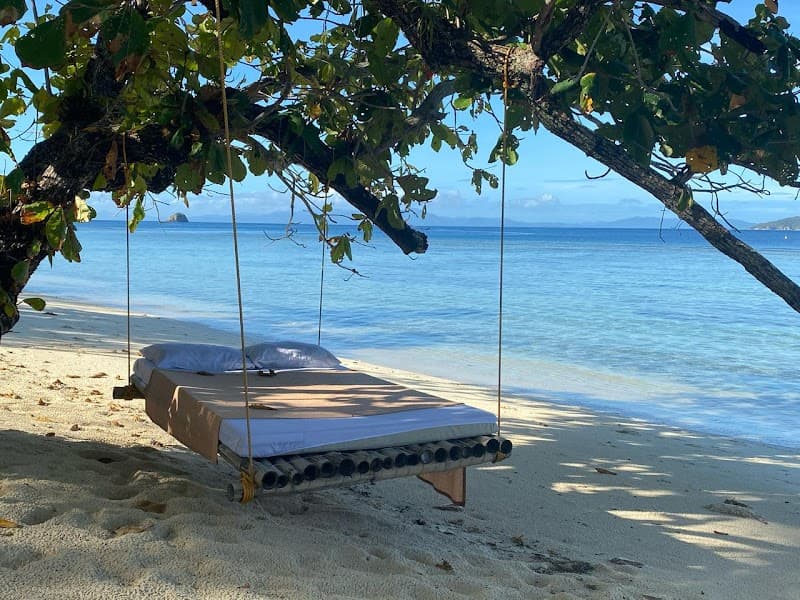
El Nido Jungle-Coast Weekend for Easy Solo Wandering
Day Trip · $$$
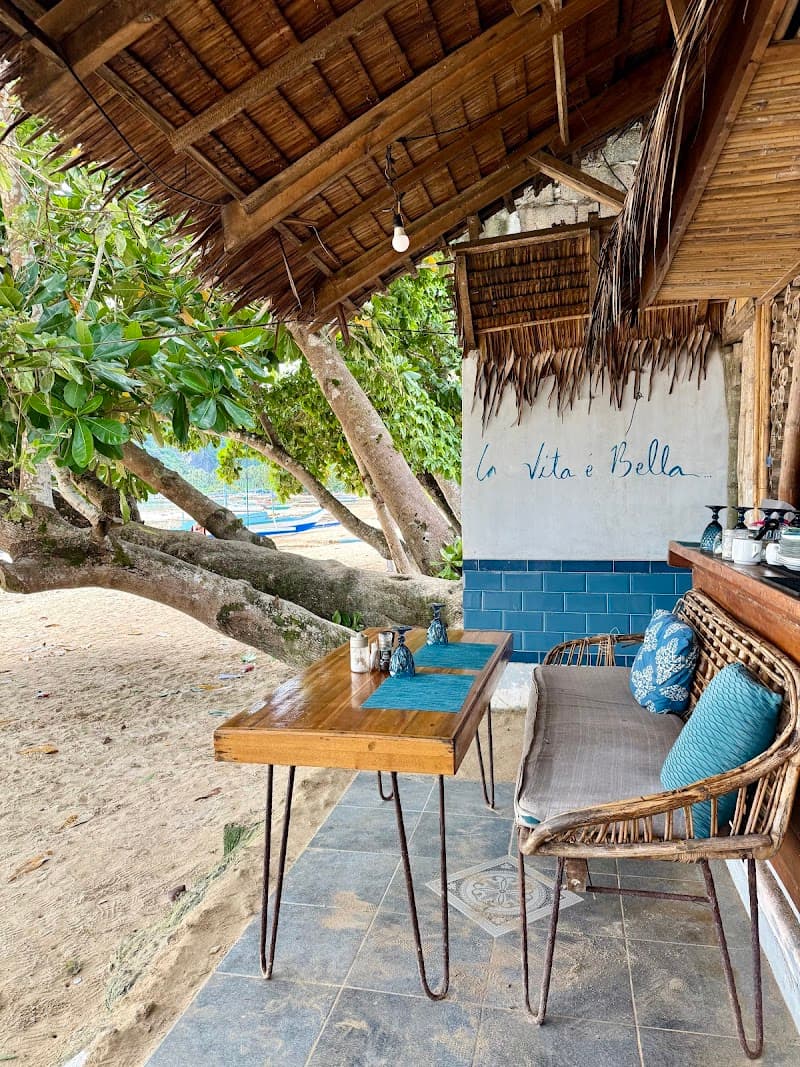
7 Jungle-Wild Days in Romantic El Nido
Week · $$$

Jungle-Lagoon Romance in El Nido
Weekend · $$$

Limestone Lagoons & Jungle Nights in El Nido
Day Trip · $$$
Where to Stay in El Nido
3 recommended properties

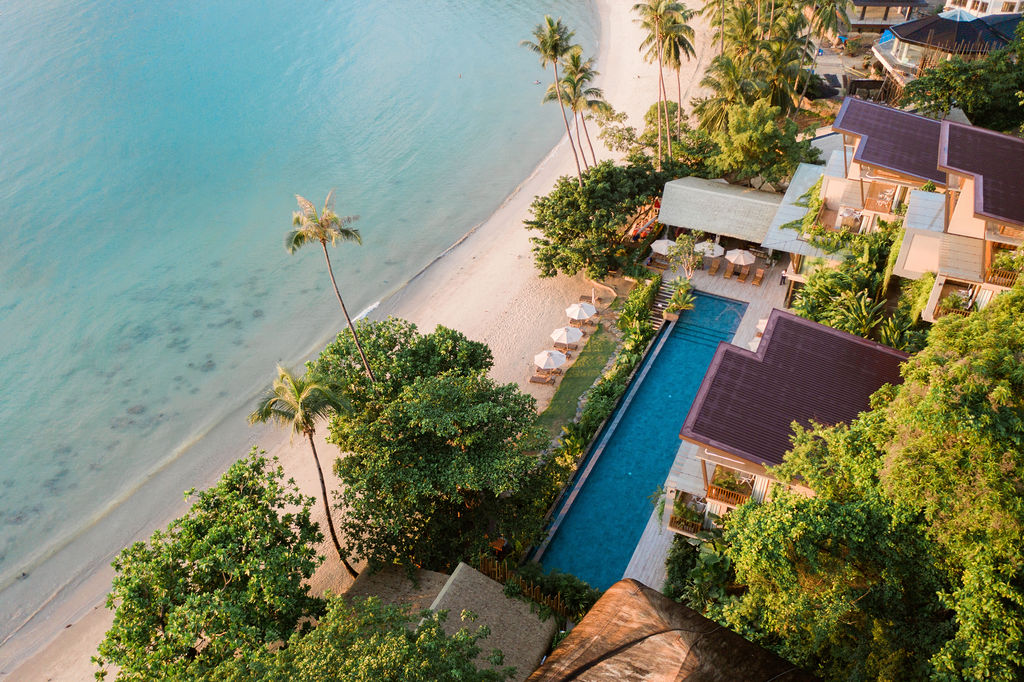
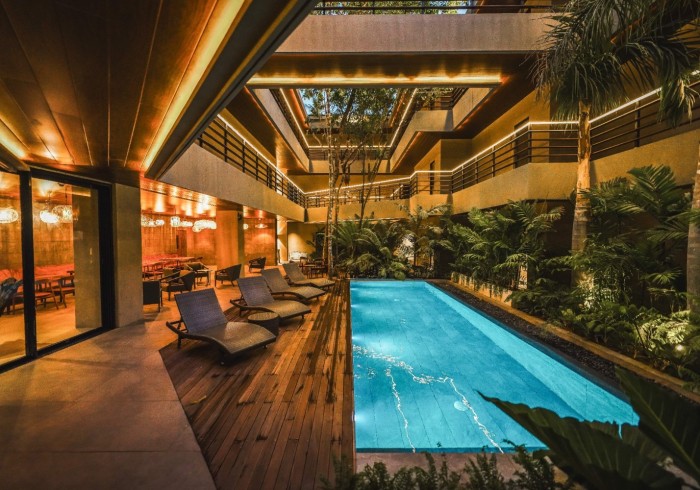
Things to Do in El Nido
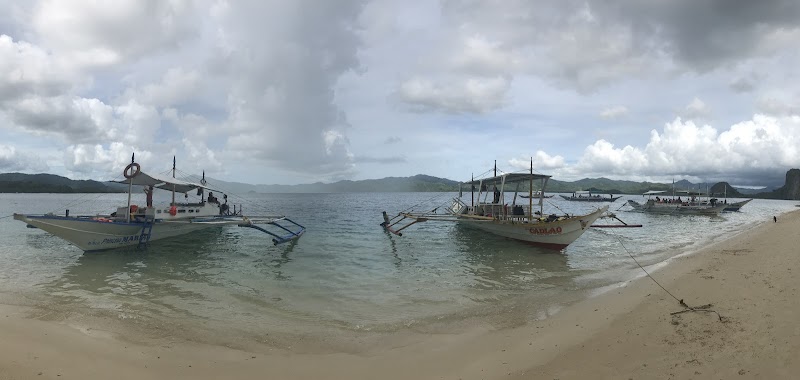
Corong-Corong Sunset Beach Walk
Corong-Corong · 45 min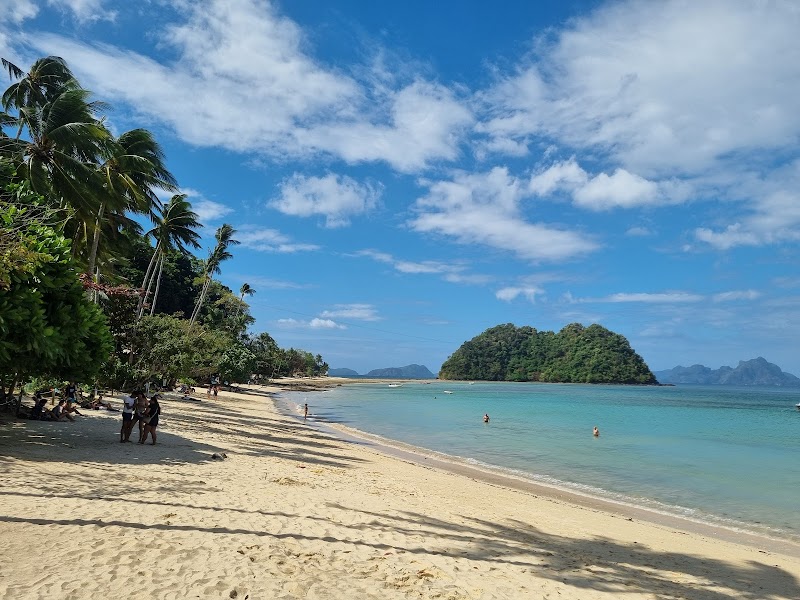
Sunset at Las Cabañas / Marimegmeg Beach
Las Cabañas / Marimegmeg · 120 min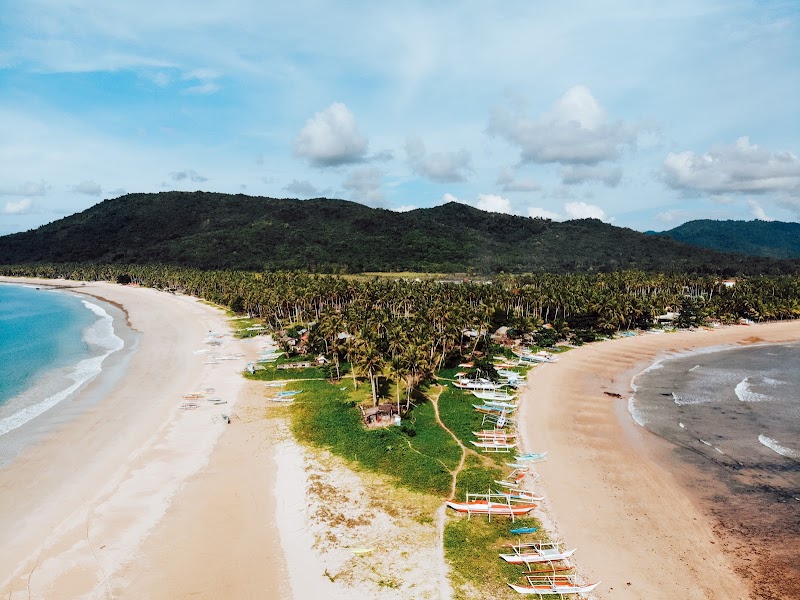
Nacpan Beach Day Trip
Nacpan Beach · 210 minMoney-Saving Tips
- 1.Book island-hopping tours directly with boat operators at the beach, not through hotel concierges who add 20-30% markup
- 2.Bring cash — ATMs frequently run empty and charge high fees. Most businesses don't accept cards
- 3.Share boat tours with other travelers to split costs. Tour operators often help match solo travelers into groups
- 4.Eat at local carinderias (food stalls) near the public market where meals cost 80-150 pesos instead of 400+ at tourist restaurants
- 5.Rent snorkeling gear for multiple days to get better daily rates, especially if doing several island tours
- 6.Stay in Corong Corong instead of El Nido town center for better value accommodation with free shuttles to town
- 7.Buy groceries and toiletries in Puerto Princesa before the van ride to El Nido — everything costs 2-3x more on the island
Travel Tips
- •Download offline maps before arriving — cell signal drops frequently between islands and remote beaches
- •Pack reef-safe sunscreen. Local shops sell chemical sunscreens that damage coral reefs
- •Bring a waterproof phone case and dry bag. Boat trips involve water splashing and potential rain
- •Book return flights/transport before arriving. Last-minute bookings during peak season often get waitlisted
- •Carry small bills (20, 50, 100 peso notes) for tricycle rides, tips, and market purchases
- •Respect 'no drone' signs around limestone formations. Local authorities actively confiscate unauthorized drones
- •Learn basic Tagalog phrases. English is widely spoken but locals appreciate the effort, especially for better prices