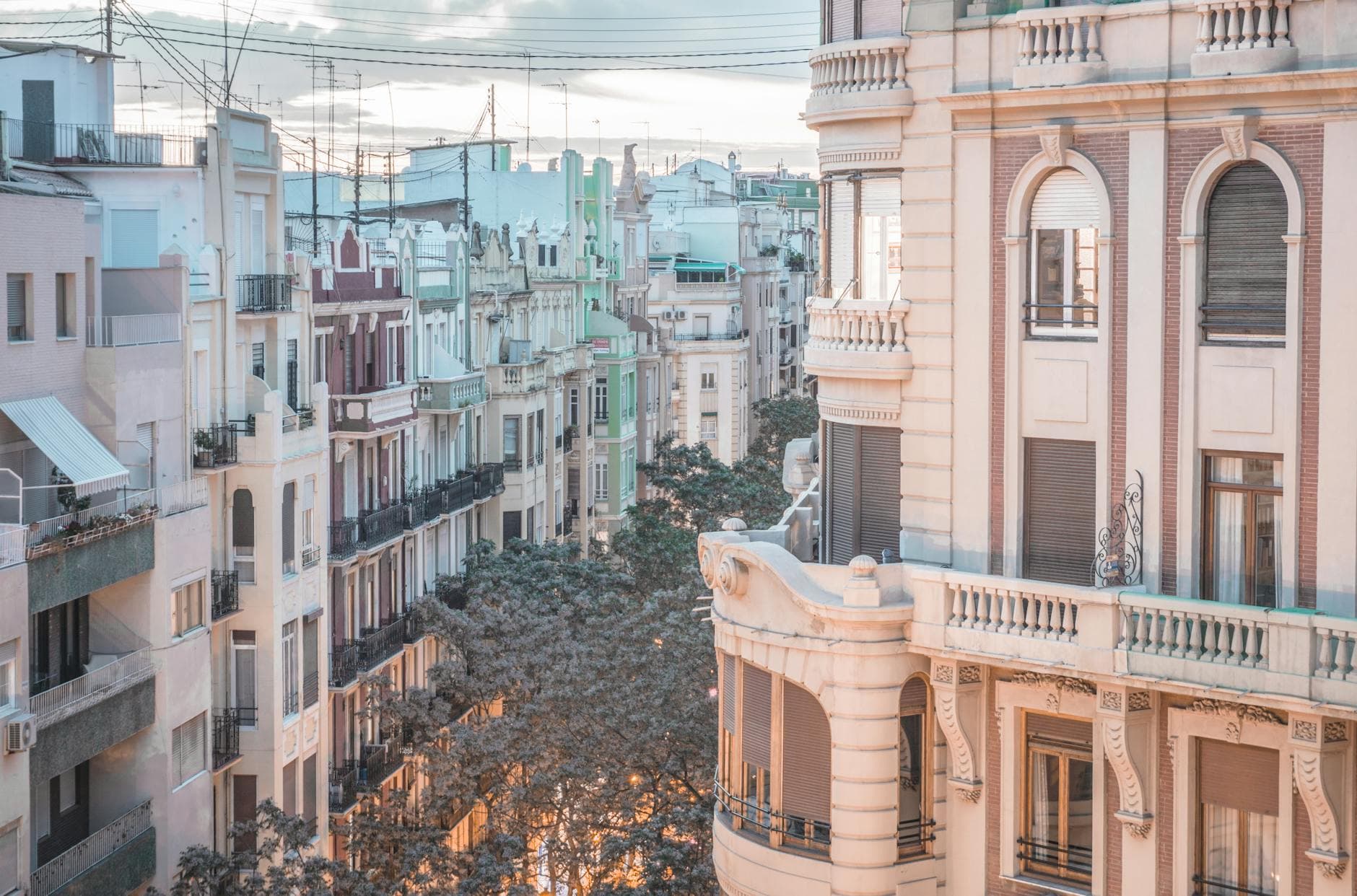
Valencia
Futuristic architecture meets Mediterranean beaches and vibrant Spanish culture
Valencia hits different. This is the city where you can explore Santiago Calatrava's alien-like City of Arts and Sciences in the morning, then eat the world's best paella for lunch, and catch sunset on Malvarosa Beach. Spain's third-largest city doesn't get the tourist crowds of Madrid or Barcelona, but honestly? That's exactly why you should go. The locals still outnumber the visitors, the restaurants serve authentic Valencian cuisine instead of tourist traps, and you can actually get a table at that rooftop bar without booking three weeks ahead.
Best Months
APR – OCT
~26°C · moderate crowds
Culture & Context
ANCIENT MEETS FUTURISTIC
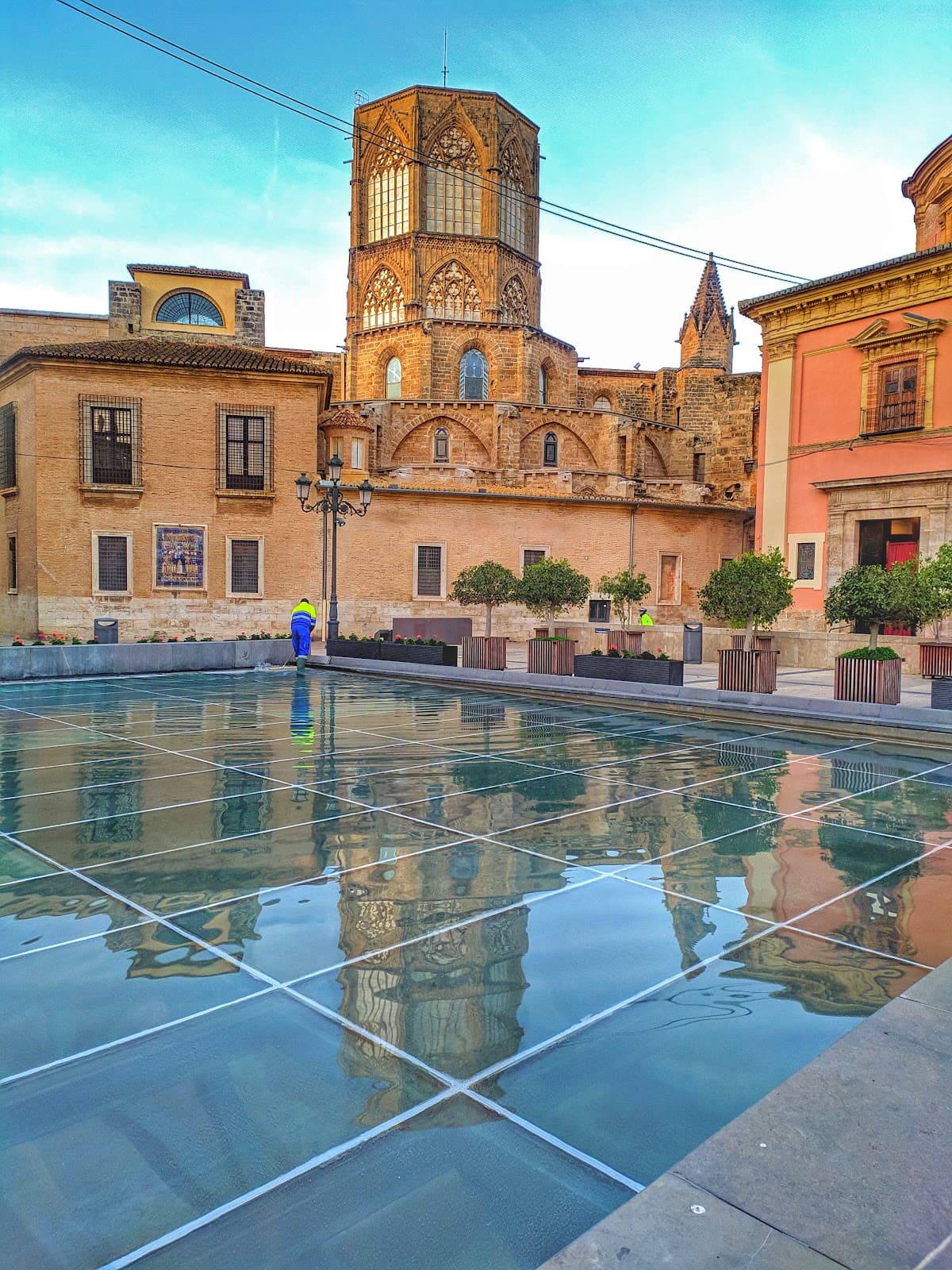
Valencia is Spain's third-largest city and one of Europe's oldest continuously inhabited urban centers, founded in 138 BC. But it doesn't lean on that history the way some cities do. It sits in an interesting tension between old and very new — medieval streets in El Carmen coexist with Santiago Calatrava's futuristic City of Arts and Sciences complex a 20-minute walk away.
The city is officially bilingual. Street signs, public announcements, and official documents appear in both Valencian (a dialect of Catalan, not a dialect of Spanish) and Spanish. Kids are educated primarily in Valencian.
This matters culturally: Valencia has its own distinct identity, separate from Catalan nationalism and separate from Castilian Spain. Dropping a Valencian phrase will get a warmer reaction than you might expect. The food culture is serious.
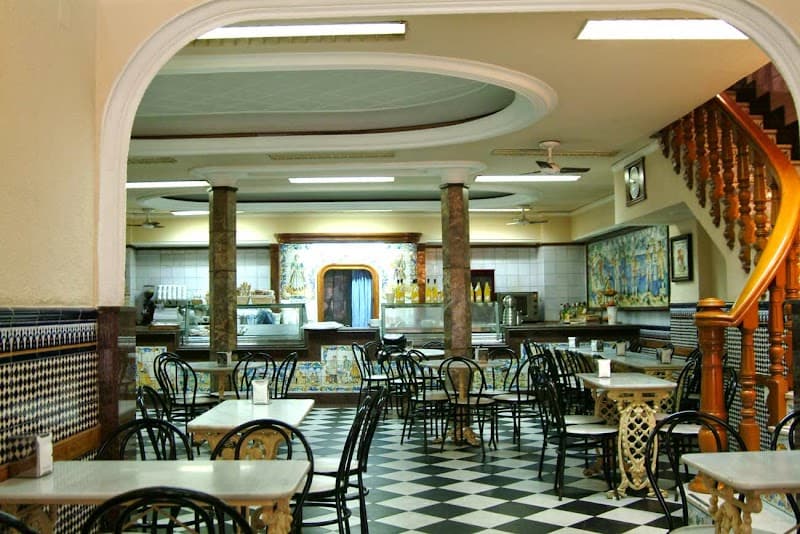
Valencia is the birthplace of paella — the real one, with rabbit, chicken, and ferraura beans cooked over a wood fire in a wide, shallow pan. They're particular about it. Horchata (made from tiger nuts) served ice-cold with fartons (long sweet pastries for dipping) is the essential afternoon snack, available at Horchatería Santa Catalina near Plaza Redonda.
Agua de Valencia — orange juice, vodka, gin, and cava — is the local cocktail and varies in quality considerably depending on whether you're in tourist territory. The city's social rhythm runs late by most standards. Life happens outdoors, in the evening, slowly.
That's not inefficiency — it's the point.
Local Customs
DINNER AT NINE PM
Meals run late, full stop. Locals sit down for lunch between 2-4pm and dinner rarely starts before 9pm. Restaurants technically open from 7pm for tourists, but if you show up at 7:30pm for dinner, you'll be eating alone in an empty room.
Give in to the schedule and your whole experience improves.. Fireworks aren't just for festivals here. Valencians will set off firecrackers for weddings, baptisms, communions, and football victories.
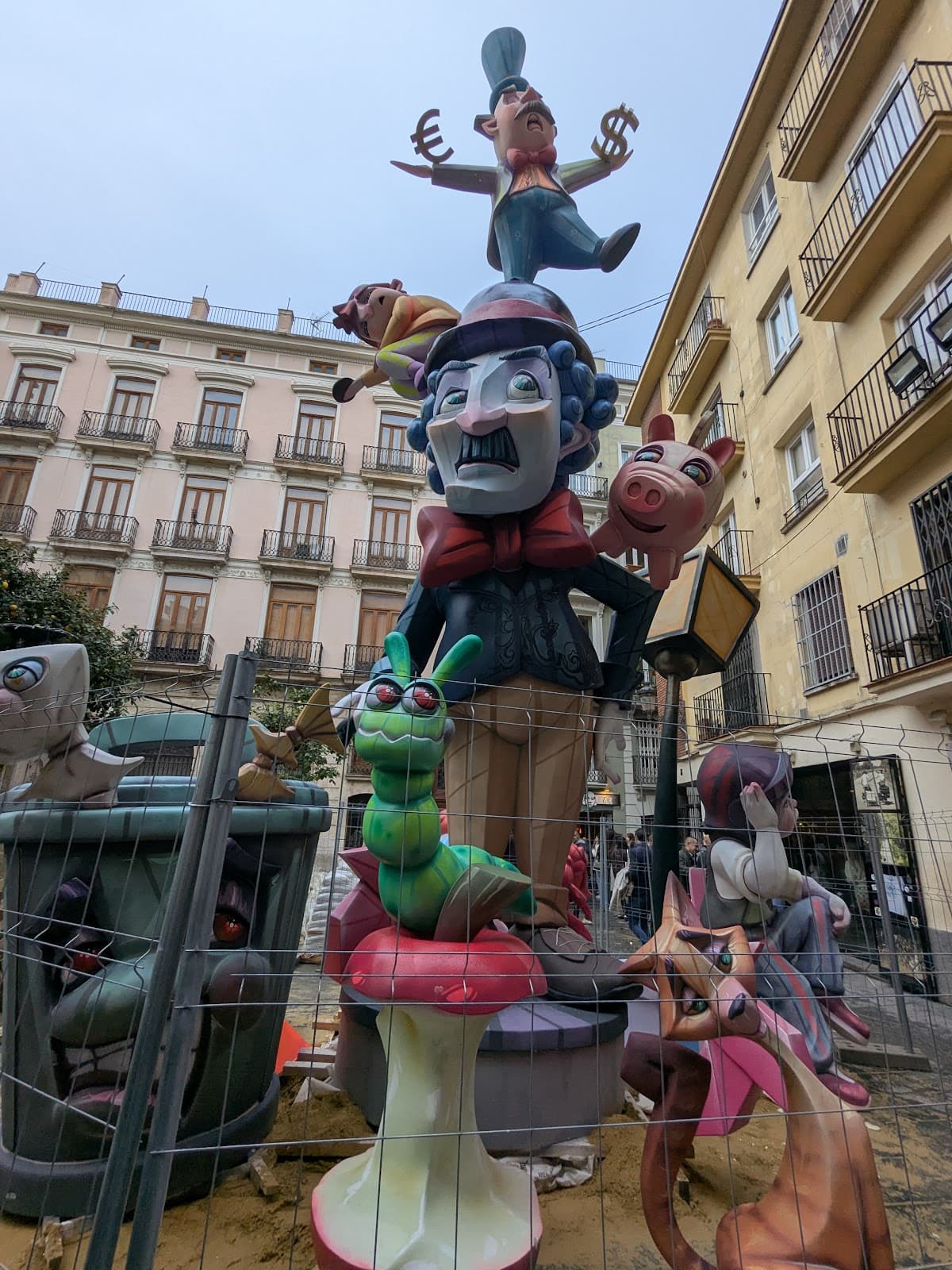
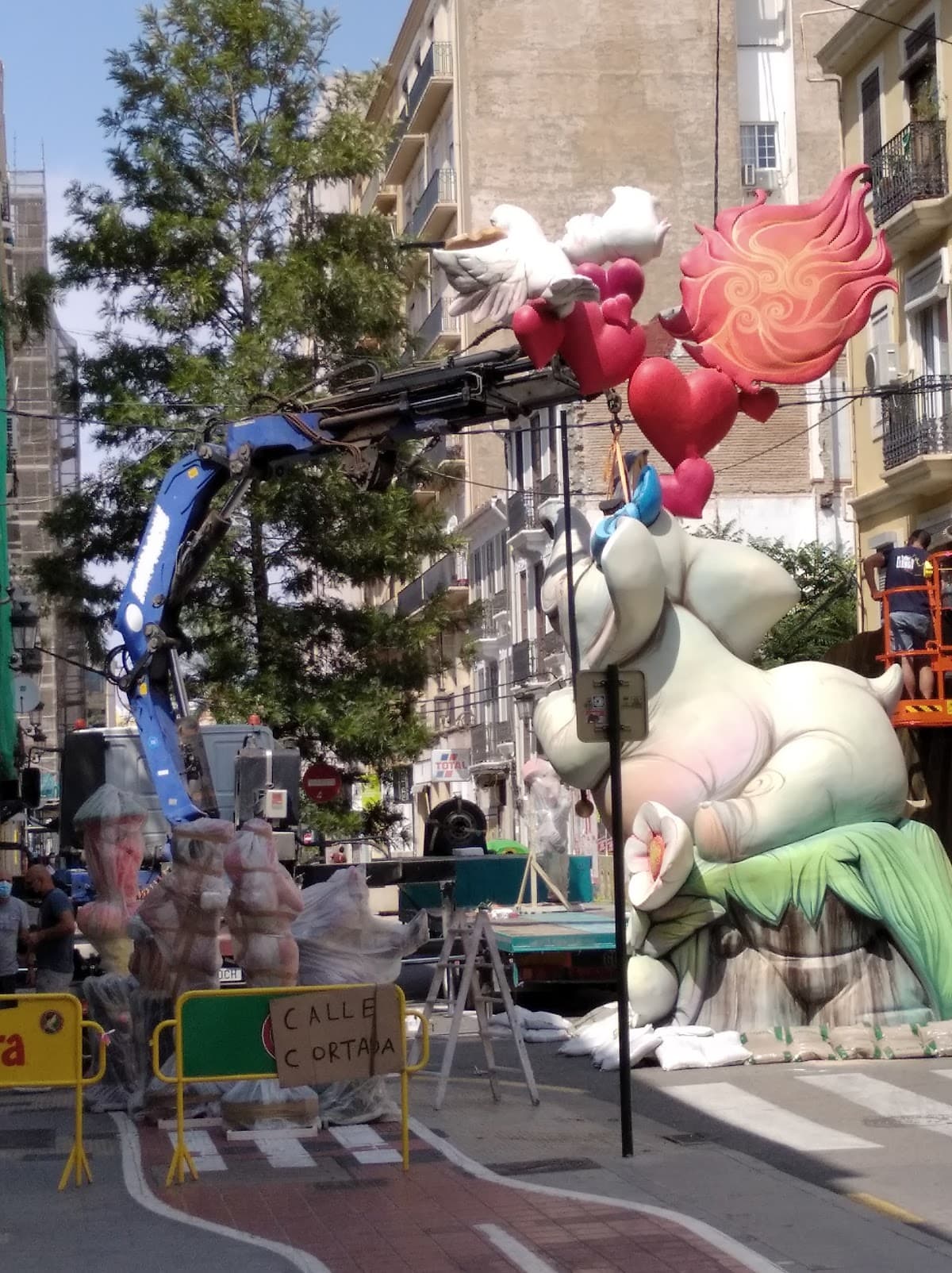
Hearing a loud bang at 11am on a Tuesday is completely normal. During Fallas in March, it's basically constant for three weeks.. Check your street before signing a lease in March.
Some streets host their own 'falla' monument and 'verbena' (street party), which means road closures and significant noise for two weeks. Not a dealbreaker, but know what you're signing up for.. Siesta hours (roughly 2-5pm) still apply in many smaller shops.
Plan your errands before 2pm or after 5pm. Major supermarkets and chain stores ignore this, but neighborhood shops often don't.. Two cheek kisses is the greeting among friends and acquaintances — always starting with the right cheek.
In formal settings, a handshake is fine. Don't overthink it; locals will guide you.. Tipping is genuinely optional, not a social obligation like in the US.
Leaving a euro or two for good service is a nice gesture. Anything approaching 15-20% will just confuse people.. 'Salir a la fresca' — going out in the evening cool air — is a real daily tradition.
After siesta time, when the sun drops, older residents bring chairs onto the sidewalk and neighbors talk. It's one of the city's most charming habits and one that tourists rarely notice.. Valencia is a bilingual city.
Signs appear in Valencian (a dialect of Catalan), Spanish, and often English. The 'North Station' is called Estació del Nord in Valencian and Estación del Norte in Spanish. Don't let this throw you — everyone speaks both, and almost nobody cares which one you use..
Authentic paella contains rabbit, chicken, and beans. Not seafood. Not both meat and seafood together.
That mixed version ('paella mixta') is aimed at tourists and locals know it. Order paella for lunch, not dinner. If a restaurant offers individual portions without a wait, the rice was reheated.
Safety
VERY SAFE, WATCH PICKPOCKETS
Valencia consistently ranks as one of Spain's safest large cities, with a crime index of 31.1 and a safety index of 68.9 (Numbeo 2026).
Violent crime is rare. The main issue for tourists is pickpocketing — concentrated around the Mercado Central, Plaza del Ayuntamiento, El Carmen, and busy metro lines during peak hours. Keep phones off café tables and wallets in front pockets.
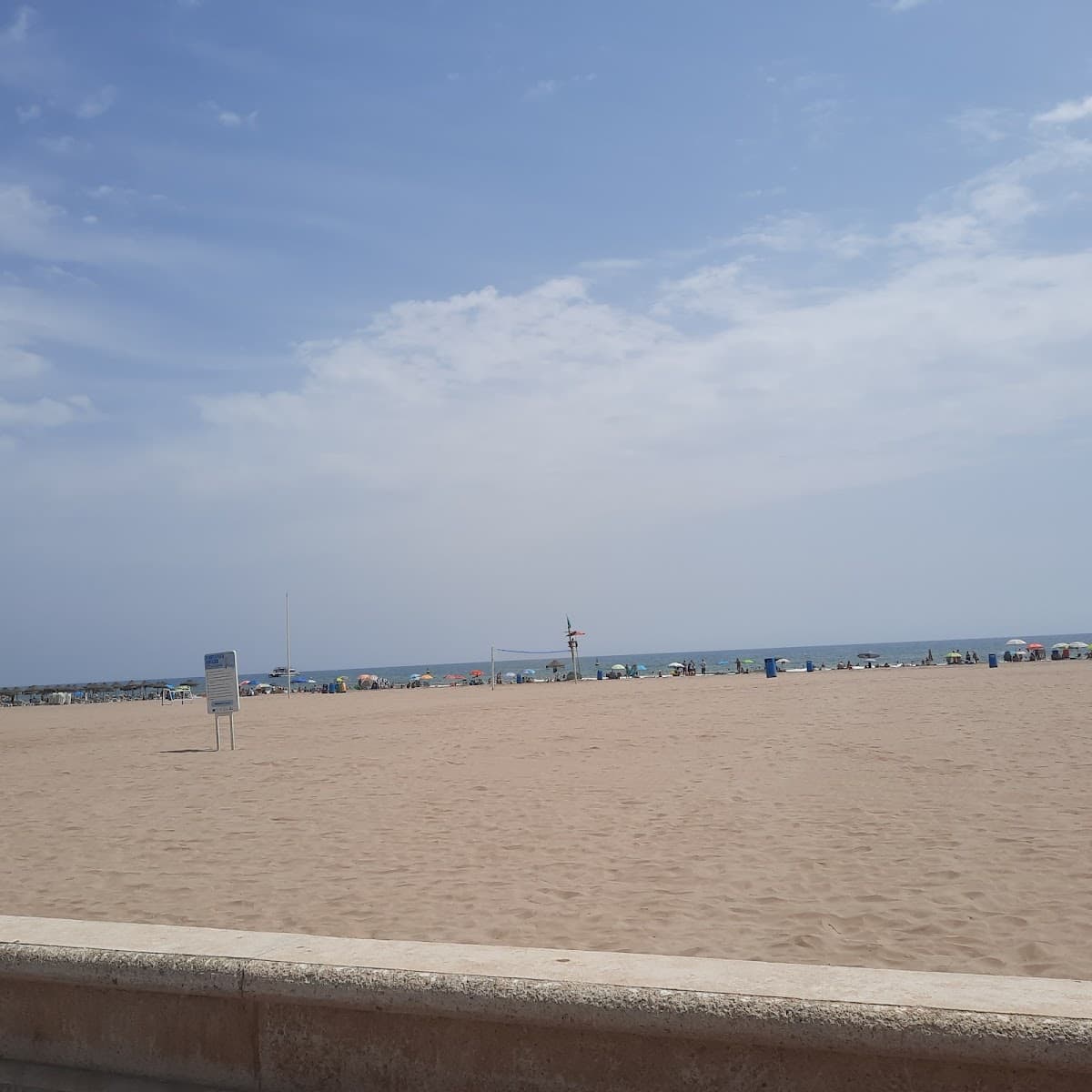
At the beach (Malvarrosa, Las Arenas), don't leave bags unattended while swimming. There are lockers available, or take turns. A few specific scams to know about: the fake bird-dropping trick (someone 'helpfully' points out a stain on your jacket while an accomplice unzips your bag — walk away immediately); and fake plainclothes police asking to inspect your wallet for 'counterfeit notes.
' Real Spanish police never do this on the street. At ATMs, use machines inside bank branches during business hours. If the card slot feels loose, it may have a skimmer attached — walk to the next bank.
Late at night, some quieter streets in El Carmen can feel deserted after midnight. Ruzafa, Canovas, and the main tourist zones stay busy and feel safe well into the early hours. For women traveling solo, EMT night buses operate a 'Paradas Violeta' program after 10:30pm — drivers will stop closer to your destination on request.
Emergency number: 112 (works in multiple languages). Official taxis are white with a green light on top — always ensure the meter is running, or use Cabify or Uber to avoid any fare disputes.
Getting Around
METRO & TRAMS EXCELLENT
Valencia's public transport network is genuinely good and straightforward once you understand the basics. The Metrovalencia system covers 6 metro lines and 4 tram lines across 147 stations. EMT buses add 60+ urban routes, running from around 4:30am to 10:30pm, with night buses (called Nítols) continuing until 2am on weekdays and 3:15am on weekends.
A single bus ticket costs €2; metro fares start at €1.50 for Zone A. For most visitors, the Valencia Tourist Card is the smart move: €15 for 24 hours, €20 for 48 hours, €25 for 72 hours.
It covers unlimited travel on buses, metro (Zones A and B, including the airport), trams, and commuter trains, plus free entry to municipal museums and discounts at major attractions. It activates on first use, so don't tap it until you're actually starting your day. For the airport, Metro lines 3 and 5 connect to the city center in about 20 minutes and are the easiest option.
The Metrobus 150 also goes directly from Terminal T1 to Mercado Central (Avenida del Oeste) in around 45 minutes. Beach access is easy: tram lines 4 and 6 run to Malvarrosa. The Valenbisi bike-share system costs €13 for a week (plus a €3 card fee) and is cheaper than multiple individual metro trips if you're spending several days in the center.
Valencia is flat and genuinely bike-friendly. One heads-up on newer validators: the city is phasing out old magnetic tickets by end of 2026 and moving toward the Móbilis app for contactless validation. Old magnetic tickets still work for now, but failing to validate any ticket carries fines over €100.
Useful Phrases
Explore Neighborhoods
Explore the Region
Valencia Itineraries
Where to Stay in Valencia
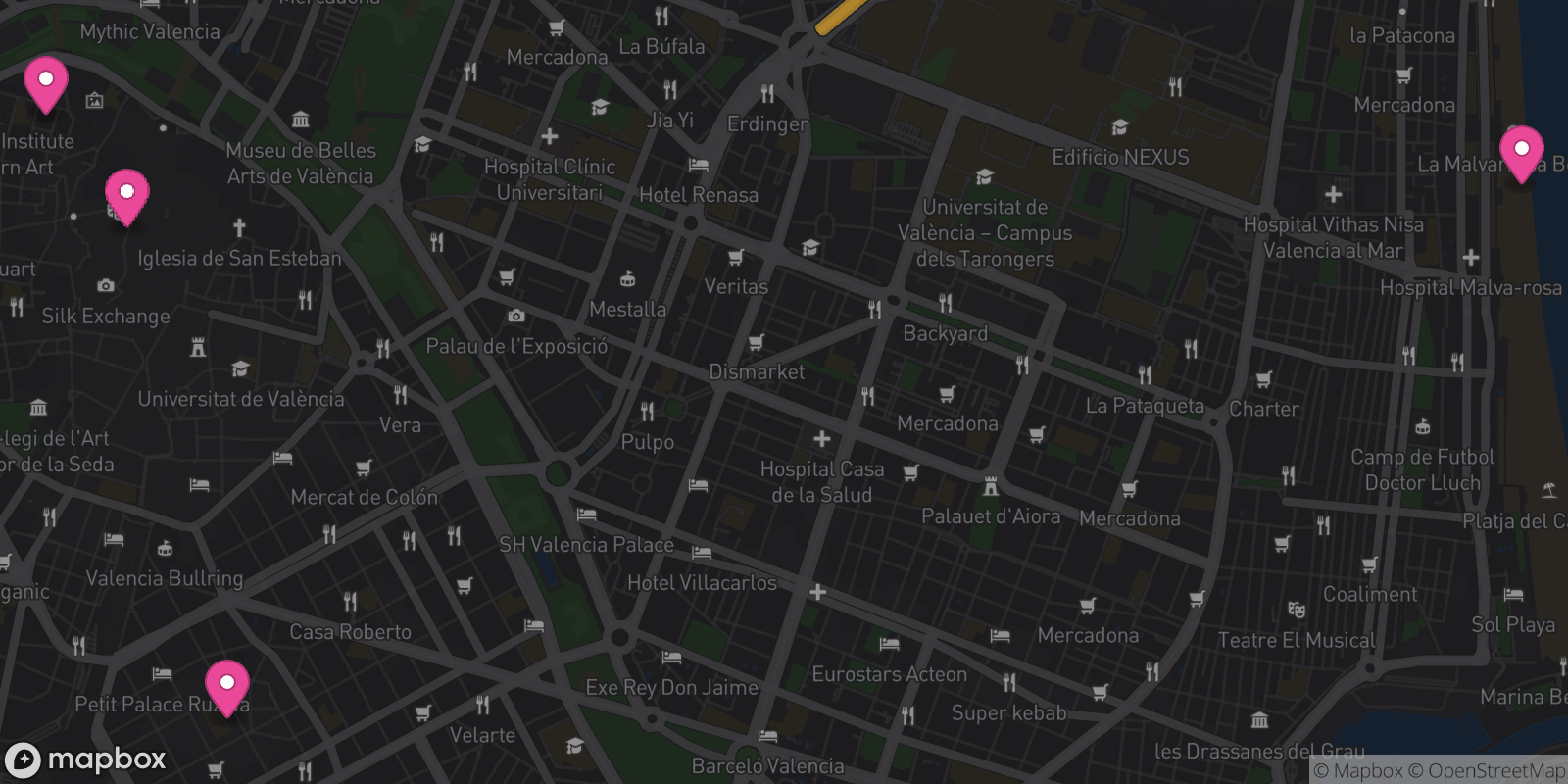
7 recommended properties
Caro Hotel
luxury · Contemporary art gallery carved out of ancient ruins. Pale resin floors, lacquer and steel furniture, clean geometric lines — all calibrated so the exposed stone walls, Moorish archways, and medieval coffered ceilings do the heavy lifting. Monochromatic and minimalist, which won't suit everyone, but the historical artifacts speak loudly enough that the restraint makes sense. · 19.3/10
NH Collection Valencia Colón
upscale · Heritage boutique meets eclectic-luxe. Think grand piano bar, rooftop cocktails with city views, and rooms that feel more like curated interiors than hotel standard. Not flashy — considered. · 19/10
Only YOU Hotel Valencia
upscale · Mediterranean-modern boutique with an urban events culture. Eclectic design, warm colors, natural materials. The vibe is convivial — the hotel actively programs music nights, afterworks, reading parties, and mixology masterclasses. Not a place for pure peace and quiet. · 18.8/10
Hospes Palau de la Mar
luxury · Historic palace meets contemporary boutique. Polished and design-forward without feeling sterile. More intimate than grand — 68 rooms means the staff actually knows your name. · 18.6/10
Room Mate Helen Berger
upscale · Modern boutique with historic architectural bones. Warm and residential in feel, with exposed brickwork, clean contemporary design, and an intimate atmosphere. No overly flashy lobby moments — just well-chosen materials and attentive staff.
Parador de El Saler Golf
upscale · Mid-century modernist meets Mediterranean nature reserve. Clean, unpretentious, and genuinely surrounded by nature. More sporty resort than boutique retreat.
One Shot Puerta Ruzafa
upscale · Contemporary nature-meets-design boutique hotel. Each floor has a distinct atmosphere tied to a natural phase: earthy warm tones on Root floors, fresh fluid textures on Water floors, expressive botanical contrasts on Stem-Flower floors, and bright Mediterranean light on the Sun floor. Art exhibitions are woven into the common spaces through One Shot Projects, the brand's photography and art initiative.
Money-Saving Tips
- 1.The Valencia Tourist Card (€15 for 24 hours) includes public transport and museum discounts, but only pays off if you're hitting multiple attractions in one day
- 2.Central Market vendors give better prices if you buy multiple items - grab lunch ingredients and save €5-10 compared to restaurants
- 3.Many museums offer free entry on Sunday mornings, including the City of Arts and Sciences
- 4.Lunch menus (menú del día) at local restaurants cost €12-15 and include three courses plus wine - way better value than dinner
- 5.Beach bars charge €8 for a beer with a sea view, but walk two blocks inland and pay €3 for the same drink
- 6.Book accommodation in Ruzafa or Benimaclet instead of Ciutat Vella to save 30-40% on hotels
Travel Tips
- •Download the EMT Valencia app for real-time bus and metro updates - the printed schedules lie
- •Spanish lunch happens 2-4pm, dinner starts at 9pm - trying to eat outside these times means tourist restaurants and higher prices
- •The City of Arts and Sciences looks amazing in photos but plan 4-5 hours minimum to see everything properly
- •Malvarosa Beach gets packed on weekends - walk 10 minutes north to Patacona for the same sand with half the crowds
- •Learn basic Spanish numbers for the Central Market - vendors appreciate the effort and you'll get better service
- •Las Fallas burns everything on March 19th at midnight - if you're coming for the festival, book accommodation way in advance and expect noise until 6am daily