Peru
Ancient Inca empire meets culinary revolution
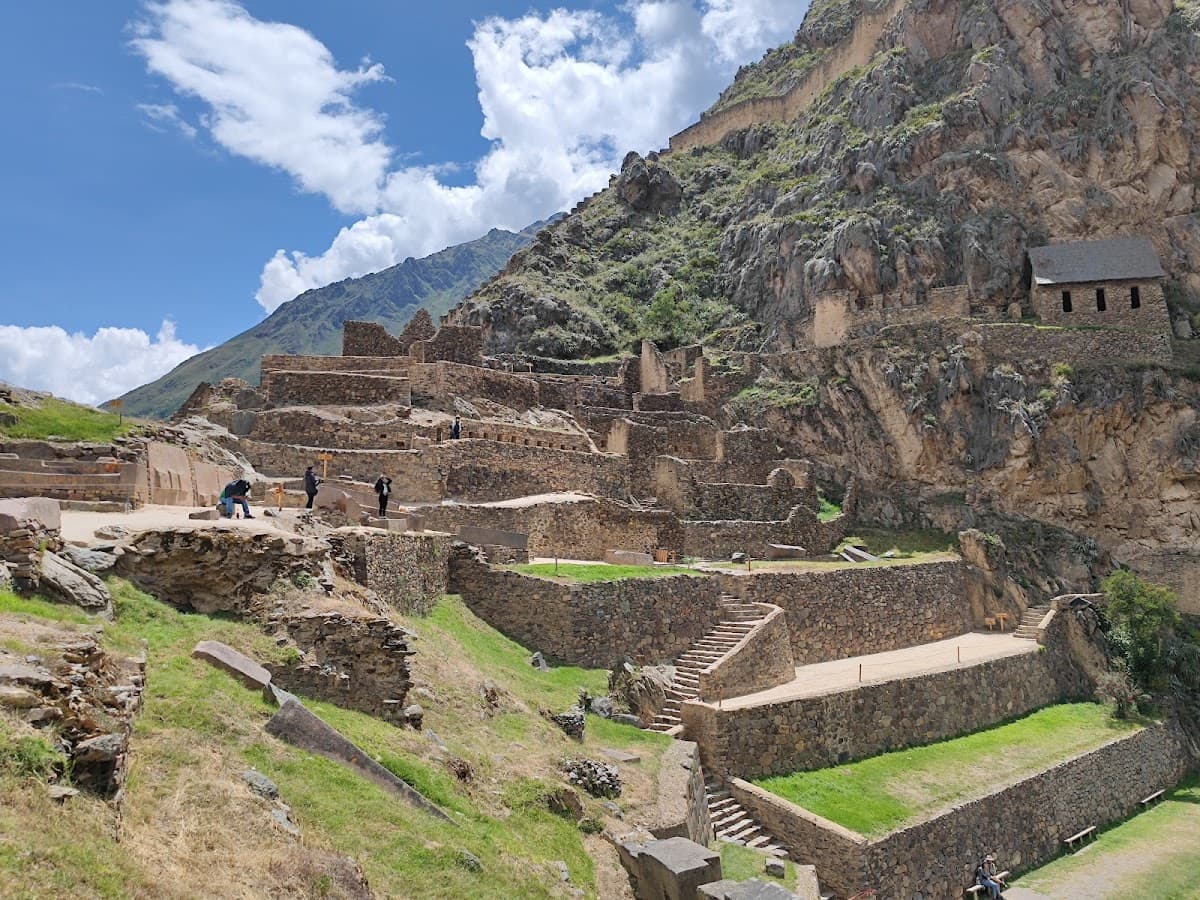
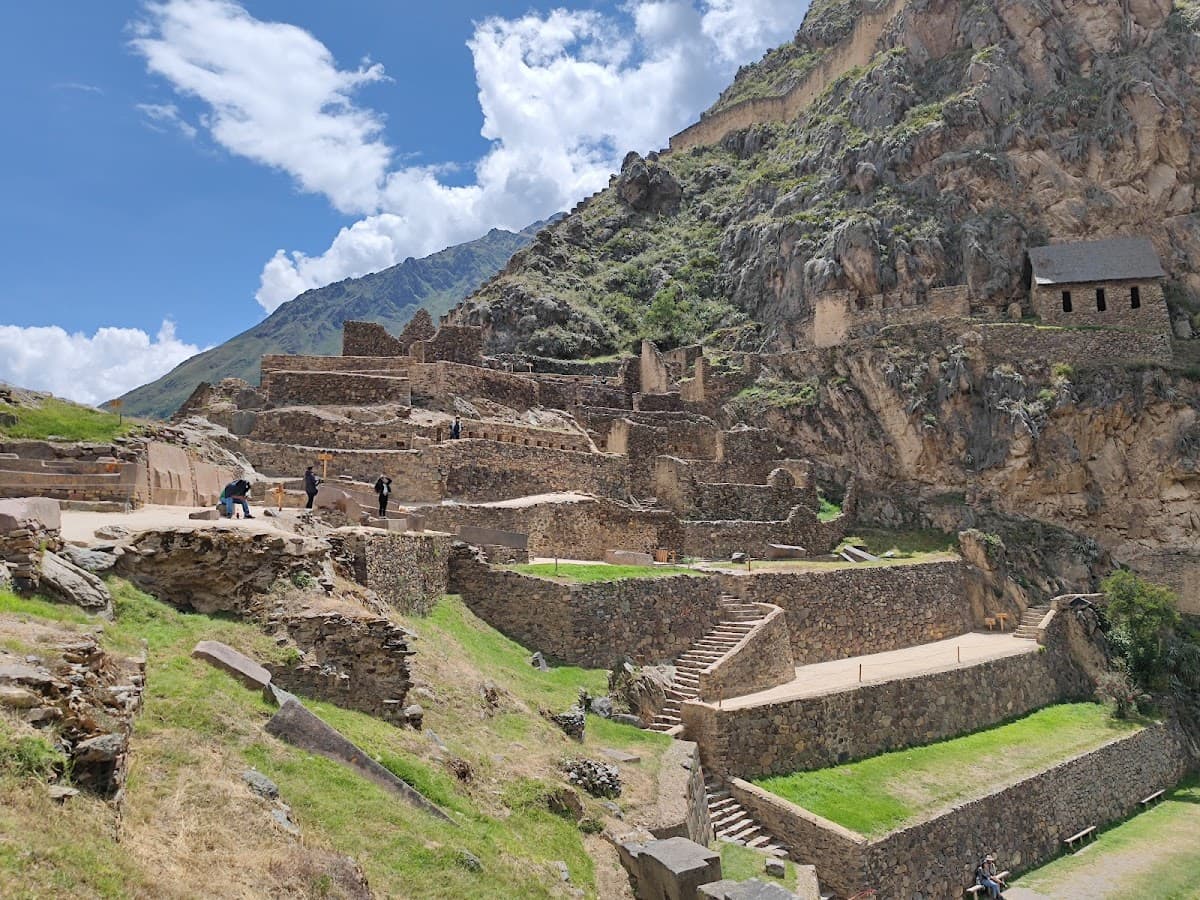
Peru hits different. One day you're hiking through cloud forests to reach Machu Picchu at sunrise. The next, you're sitting in Lima's Central restaurant watching Virgilio Martínez transform Amazonian ingredients into edible art. This is where 3,000-year-old civilizations collide with cutting-edge gastronomy, where you can trek the Andes in the morning and surf Pacific waves by afternoon. But here's what guidebooks don't tell you: Peru rewards the curious. Skip the tour groups rushing through Cusco's main square. Instead, duck into San Pedro Market for anticuchos grilled over charcoal, or catch a bus to Ollantaytambo where Quechua is still the first language. The country moves at its own pace — flights get delayed, buses break down, altitude hits harder than expected. Roll with it. Peru's magic lies in those unplanned moments when a local invites you to share chicha de jora or when you stumble upon a festival in some mountain village that doesn't appear on any map.
Explore Destinations

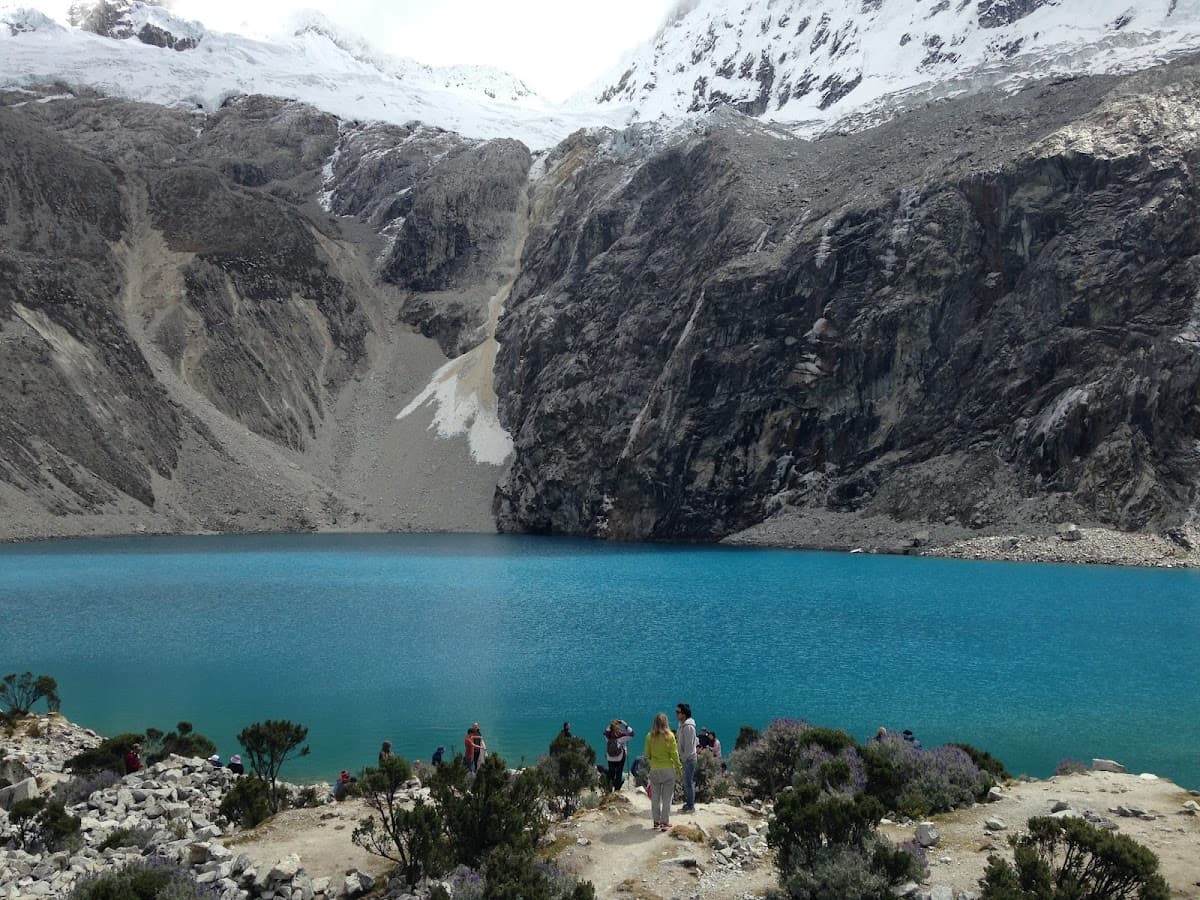
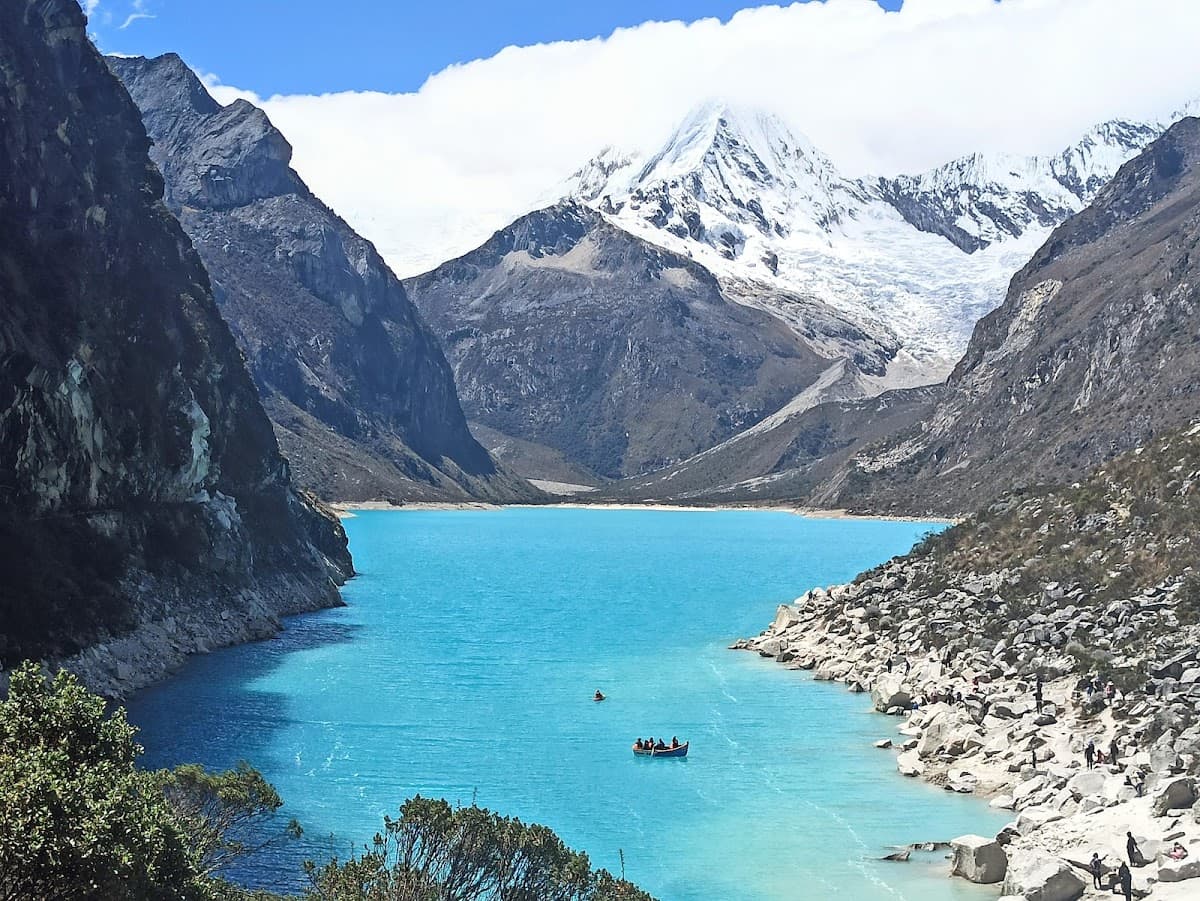
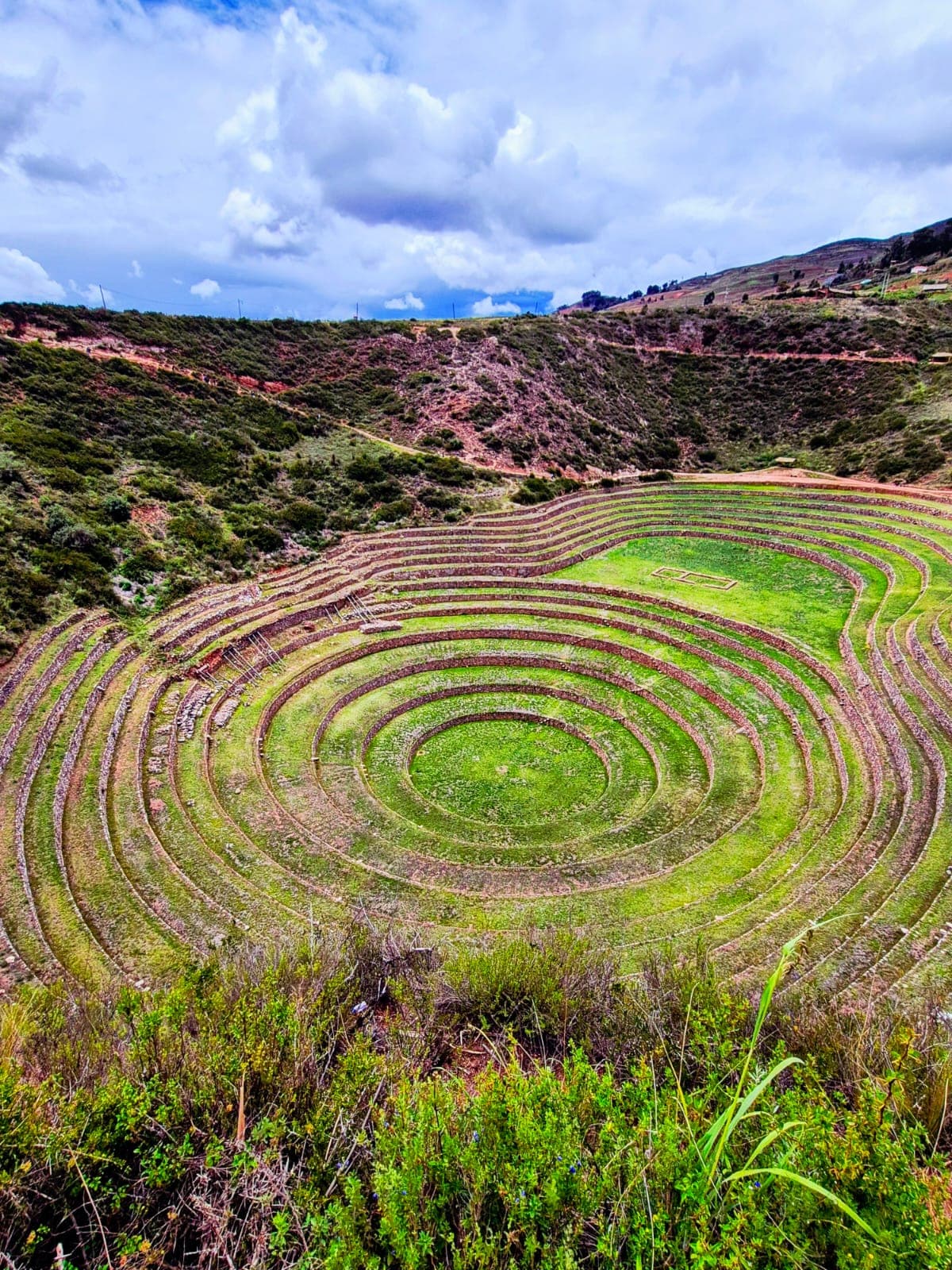
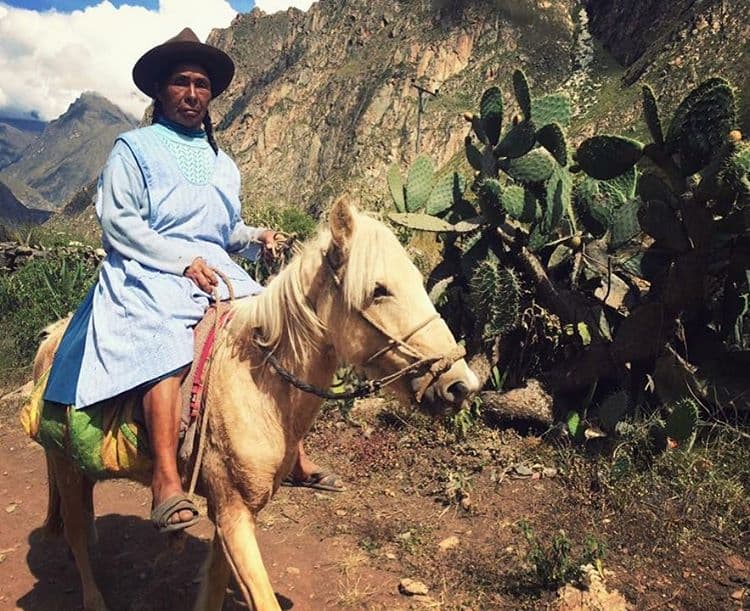

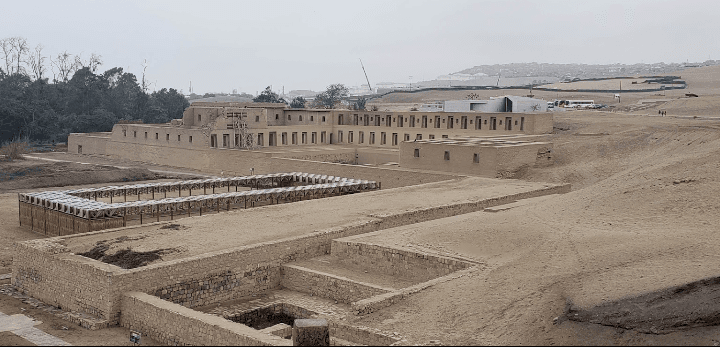
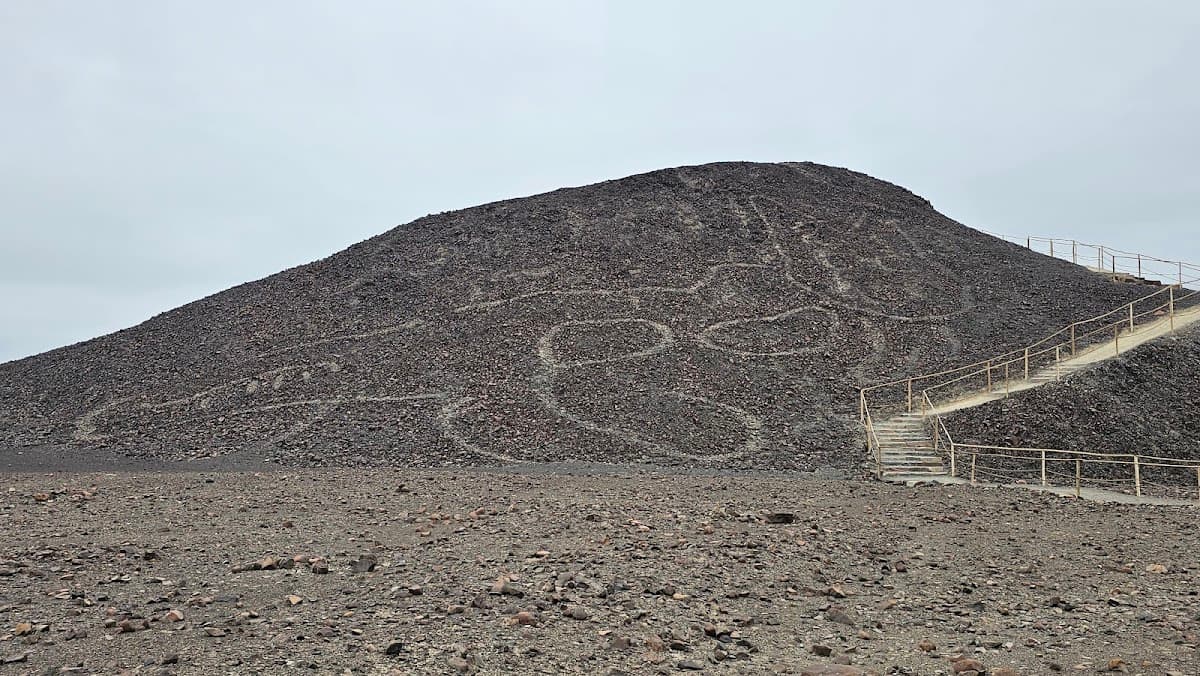
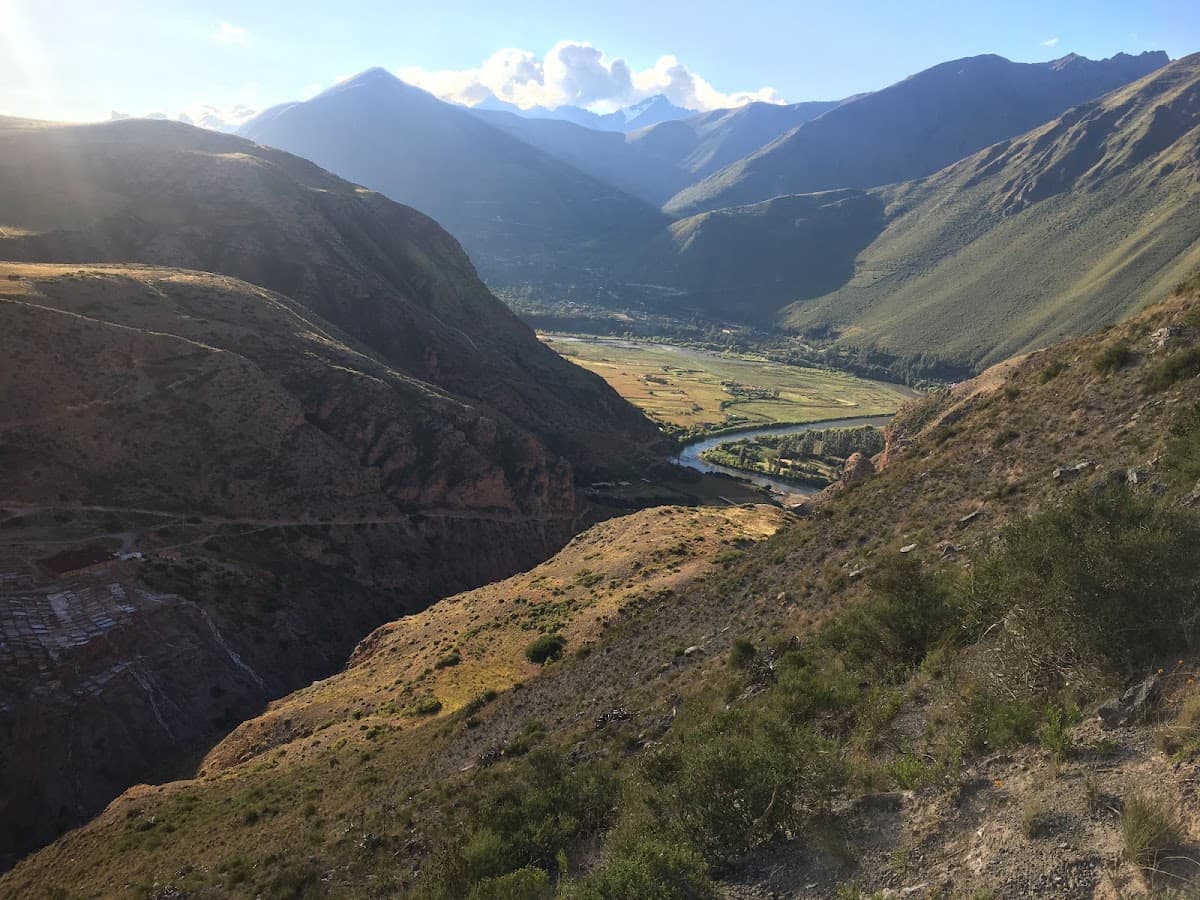
Explore the Region
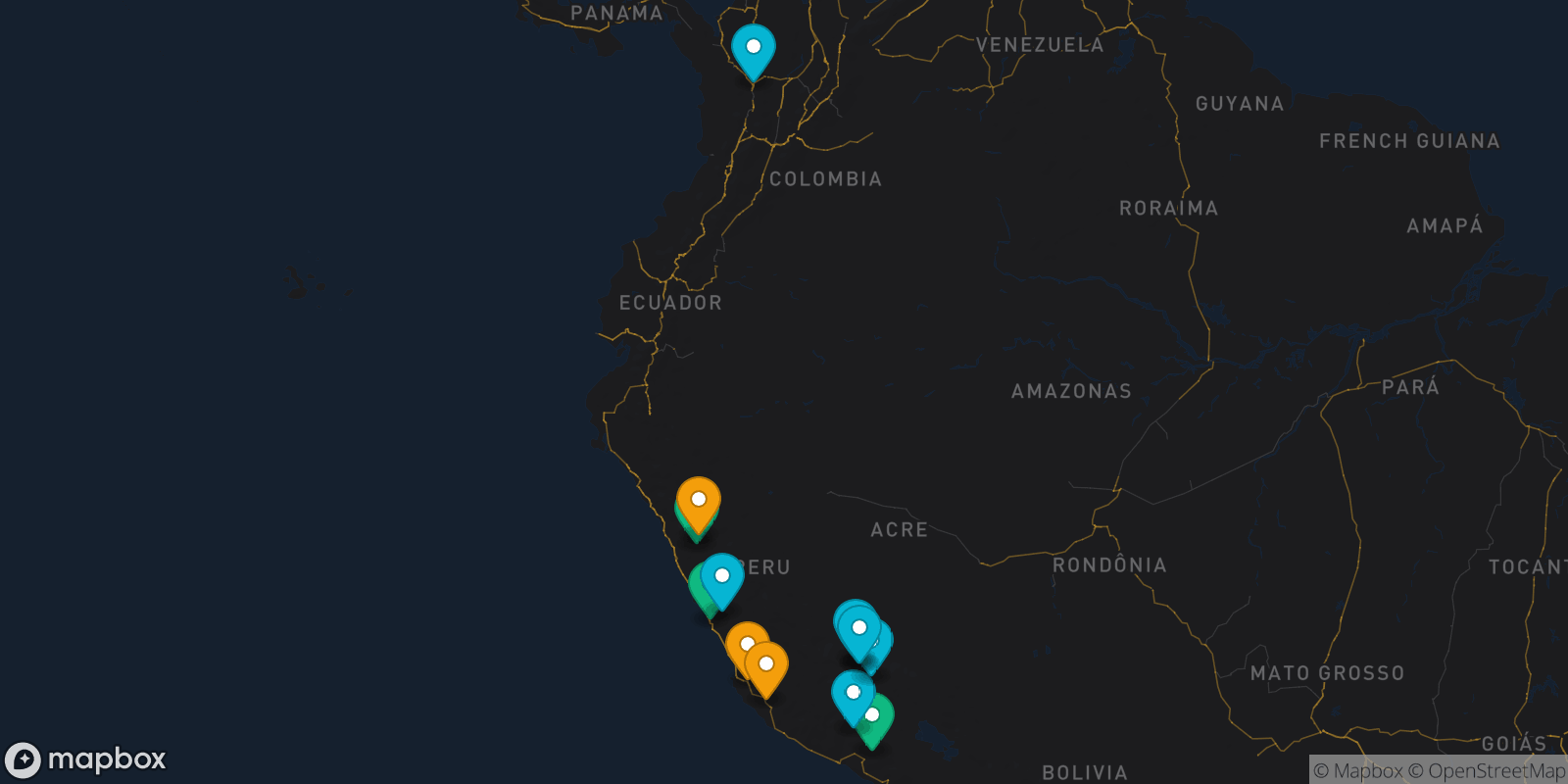
Peru Itineraries
View allPeru in 7 Days: Lima, Cusco, Sacred Valley, and Machu Picchu
Weekend · $$$
13 Adventurous Days in Peru’s Heartland: Perugia & Beyond
Weekend · $$$
Romantic 7-Day Escape in Perugia & Umbria
Week · $$$$
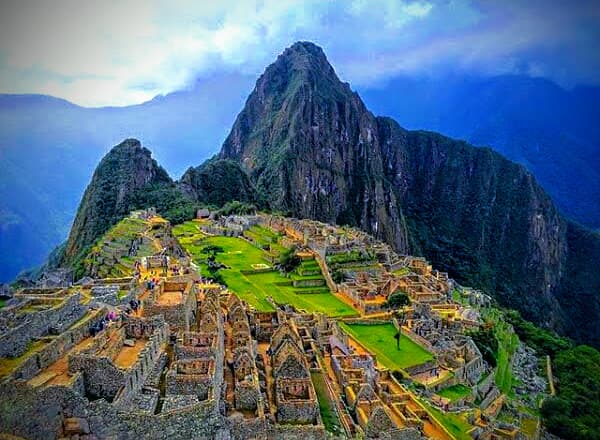
Shoestring Andes Adventure: 7 Days Around Machu Picchu
Week · $
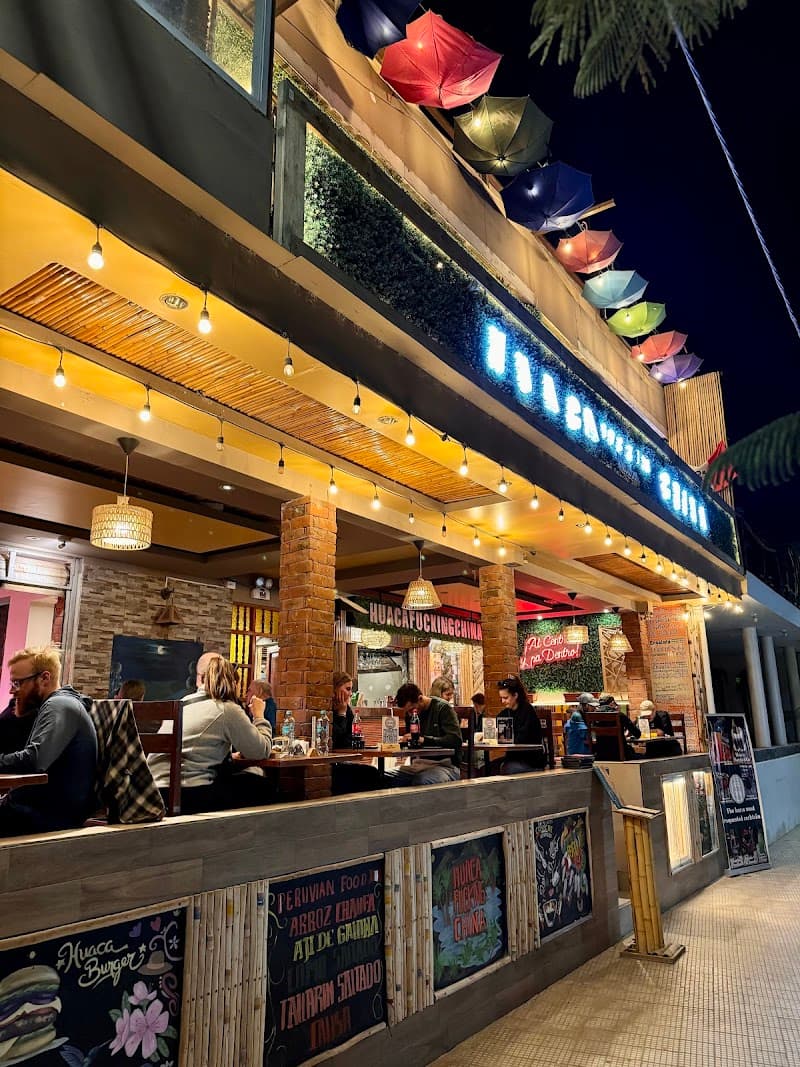
Shoestring Desert Escape: Weekend in Huacachina Oasis
Weekend · $
12 Days in Peru: Andes Peaks, Inca Traces & Amazon Wildlife
Weekend · $$$$
Money-Saving Tips
- 1.Withdraw soles from ATMs rather than exchanging cash - better rates and widely accepted
- 2.Bargain at markets but not in restaurants - fixed prices are the norm for meals
- 3.Bus travel costs 70% less than flights between major cities like Lima-Cusco
- 4.Stay in Sacred Valley towns instead of Cusco - same access to ruins, half the price
- 5.Eat lunch menus (menú del día) for $3-5 instead of dinner à la carte pricing
- 6.Book Machu Picchu trains directly through PeruRail website to avoid markup fees
- 7.Use collectivos (shared vans) for short trips - $1-2 versus $10+ taxi rides
- 8.Buy coca leaves at local markets for $2 instead of $10 altitude pills from pharmacies
Travel Tips
- •Arrive in Cusco 2-3 days before Machu Picchu to acclimatize - altitude sickness is real
- •Pack layers for mountain regions - temperatures swing 40°F between day and night
- •Carry toilet paper and hand sanitizer - public restrooms often lack both
- •Download offline maps - cell service cuts out frequently in rural areas
- •Learn basic Spanish phrases - English isn't widely spoken outside tourist zones
- •Bring cash - many restaurants and markets don't accept cards
- •Book Huayna Picchu climb permits 3+ months ahead - only 400 people allowed daily
- •Drink coca tea for altitude adjustment - locals swear by it and it actually helps