Inca Trail
Sacred path to Machu Picchu through ancient Andean wilderness
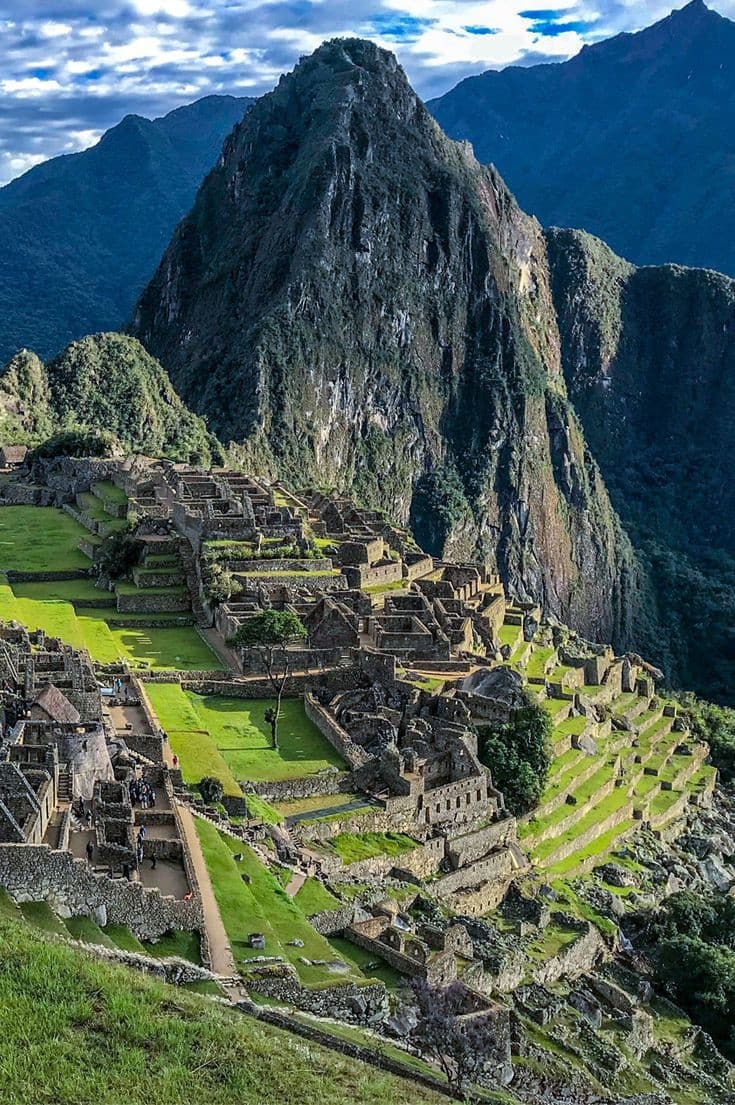
Four days. 26 miles. One sacred destination that'll leave you speechless. The Inca Trail isn't just a hike—it's a pilgrimage through cloud forests and ancient ruins that ends at the most famous archaeological site in South America. But here's what the guidebooks won't tell you: this trail will test every muscle you didn't know you had. The altitude hits harder than you expect. And those stone steps? They're not built for modern hiking boots. Yet every year, thousands of trekkers push through the pain because reaching Machu Picchu on foot, the way the Incas intended, changes something inside you. The trail books up months in advance, costs more than most people expect, and demands serious preparation. But if you're ready for the challenge, this ancient path through the Andes delivers an adventure that'll stick with you forever.
Money-Saving Tips
- 1.Book 5-6 months ahead during peak season to secure permits and avoid price gouging
- 2.Mid-range tour operators ($800-900) offer better value than budget options that exploit porters
- 3.Bring cash for tips—$60-80 total for your guide and porter team is standard
- 4.Pack snacks and energy bars from home rather than buying expensive trail food in Cusco
- 5.Stay in Ollantaytambo the night before instead of Cusco to save on accommodation and get closer to the trailhead
Travel Tips
- •Arrive in Cusco 2-3 days early to acclimatize to altitude—don't risk altitude sickness on the trail
- •Pack coca leaves legally in Peru to help with altitude adjustment and energy
- •Break in hiking boots completely before your trip—blisters will ruin your experience
- •Bring trekking poles for steep descents that will destroy your knees without support
- •Pack layers for extreme temperature changes from jungle heat to alpine cold
- •Waterproof everything including pack covers—cloud forest rain comes fast and heavy
- •Tip your porters well—they carry 50+ pounds while you struggle with a day pack