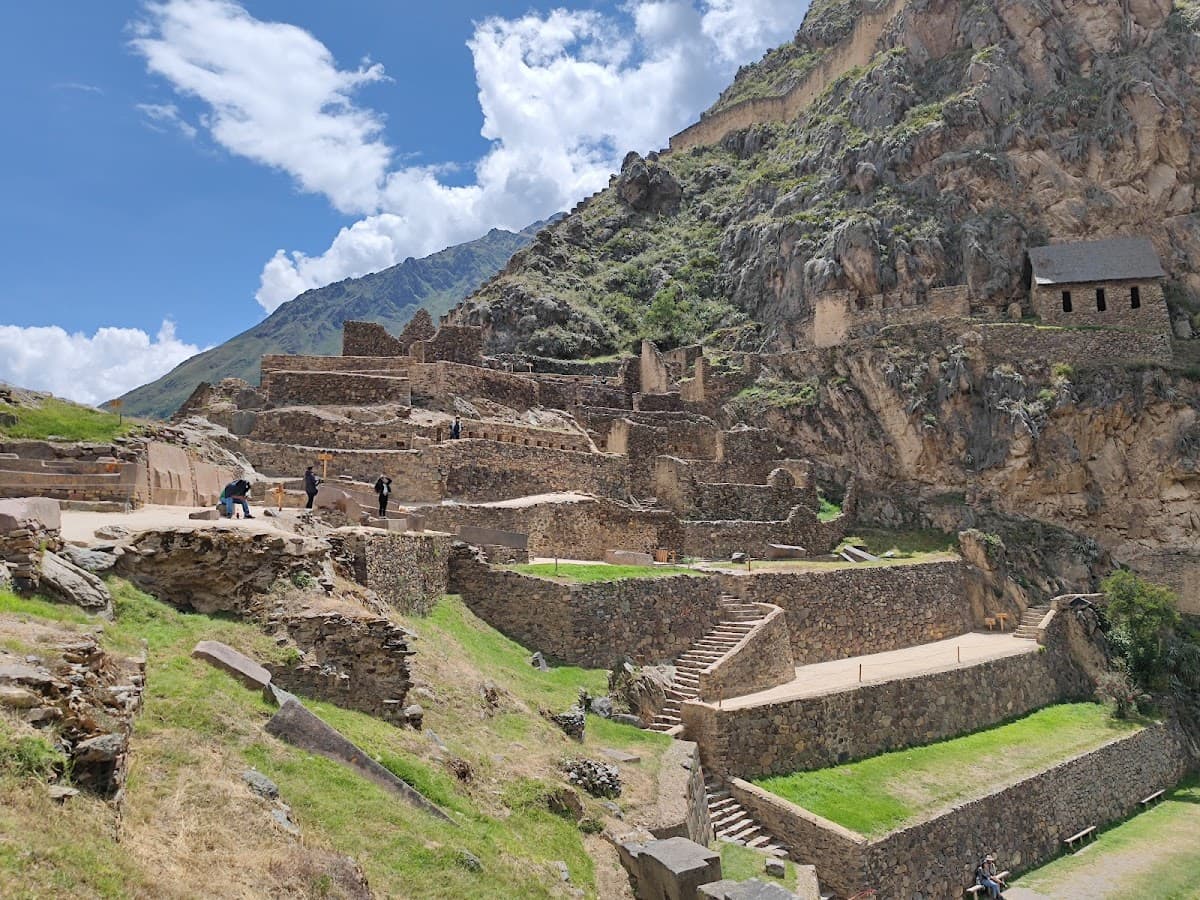
Cusco Region
Peru's ancient Inca heartland and gateway to Machu Picchu
The Cusco Region isn't just Peru's tourist poster child. It's a living museum where Quechua grandmothers sell potatoes in markets that predate Columbus, where you can hike Inca trails that still lead somewhere meaningful, and where altitude hits you like a spiritual awakening whether you want it or not. Sure, everyone comes for Machu Picchu. But the real magic happens in the Sacred Valley villages, the cloud forest lodges, and those moments when you realize the stones under your feet were placed there 500 years ago by people who understood this landscape in ways we're still figuring out.
Culture & Context
INCA EMPIRE LIVES ON
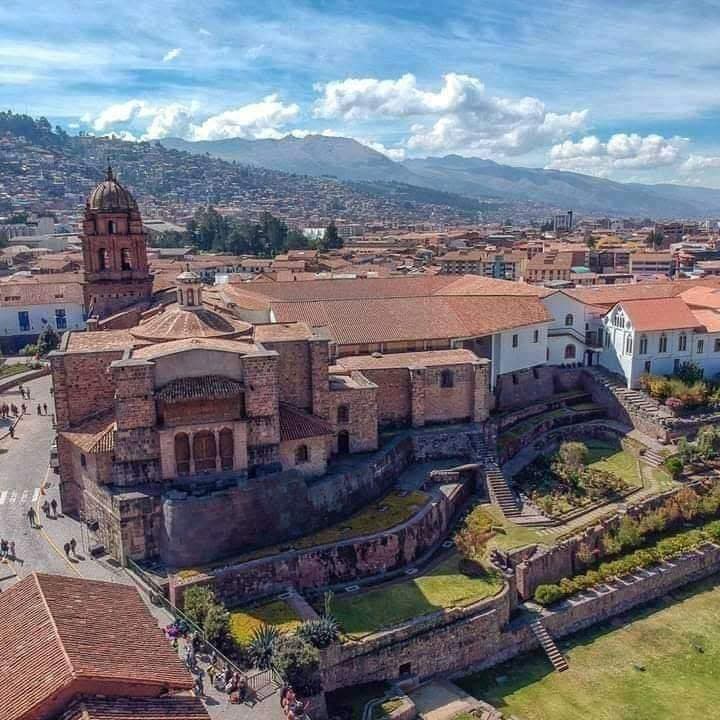
Cusco sits at 3,399 meters (11,152 feet) and was the capital of the Inca Empire, a fact you feel everywhere. Inca stonework literally forms the foundations of Spanish colonial churches. The city has two souls, Indigenous Andean and Catholic Spanish, and they don't compete so much as they overlap.
Quechua is the second language here, still spoken in markets and communities around the city. Locals call it Runasimi. Festivals are not performances put on for tourists.
They're genuine community events, religious and civic, that have been happening for centuries. If you happen to be in town during Corpus Christi or Inti Raymi, you're watching something that means a great deal to the people around you. The Inca designed Cusco in the shape of a puma, with Sacsayhuamán as the head.
That kind of intentional design runs through everything here.
Local Customs
GREET, ASK, RESPECT STONES
Always greet vendors before asking prices or making requests. Walking into a stall and immediately demanding something without a 'buenos días' is considered rude.. Ask permission before photographing people in traditional dress.
Near Plaza de Armas, locals with llamas or in traditional clothing may charge a small fee for photos (1–2 soles). That's fine, just agree first.. Bargaining is normal and expected in markets like San Pedro and the San Blas weekend fair on Saturdays.
Keep it respectful. Start about 10–20% below the asking price and don't be aggressive about it.. When attending processions, religious ceremonies, or Andean community events, dress modestly.
Long pants or skirts and covered shoulders. Shorts and tank tops read as disrespectful in these settings.. Coca tea is freely offered in most hotels on arrival and is both legal and genuinely useful.
It's a mild stimulant and traditional remedy for altitude (soroche). Two or three cups in your first days is plenty. Don't load up on it at night..
Never climb on or sit on ancient Inca stones at sites like Sacsayhuamán. It damages the structures and is taken seriously by local authorities and communities.. Say 'buen provecho' to people around you when starting a meal in shared spaces.
It's the Peruvian equivalent of 'enjoy your food' and goes a long way.. Cash in soles is essential. Don't rely on cards everywhere.
Colectivos, market stalls, small cafés, and street vendors are cash-only. Small bills help too. Vendors getting frustrated over large notes for small purchases is a real friction point.
Safety
WATCH PICKPOCKETS & ALTITUDE
Cusco is generally safe for tourists, but it demands some basic street sense. The realistic risk is petty theft, not violent crime. Pickpockets work crowded spots: San Pedro Market, Plaza de Armas, bus stations. Keep your phone in a front pocket or bag that closes properly. Don't flash cameras in crowded areas and leave expensive jewelry at the hotel.
For taxis: use Uber, InDrive, or have your hotel call a trusted driver. Street taxis are fine during the day, but agree on the fare before getting in. Rogue taxis at night are where things go wrong. The airport-to-center fare is officially 15–20 soles. If someone quotes you double that without a good reason, walk away.
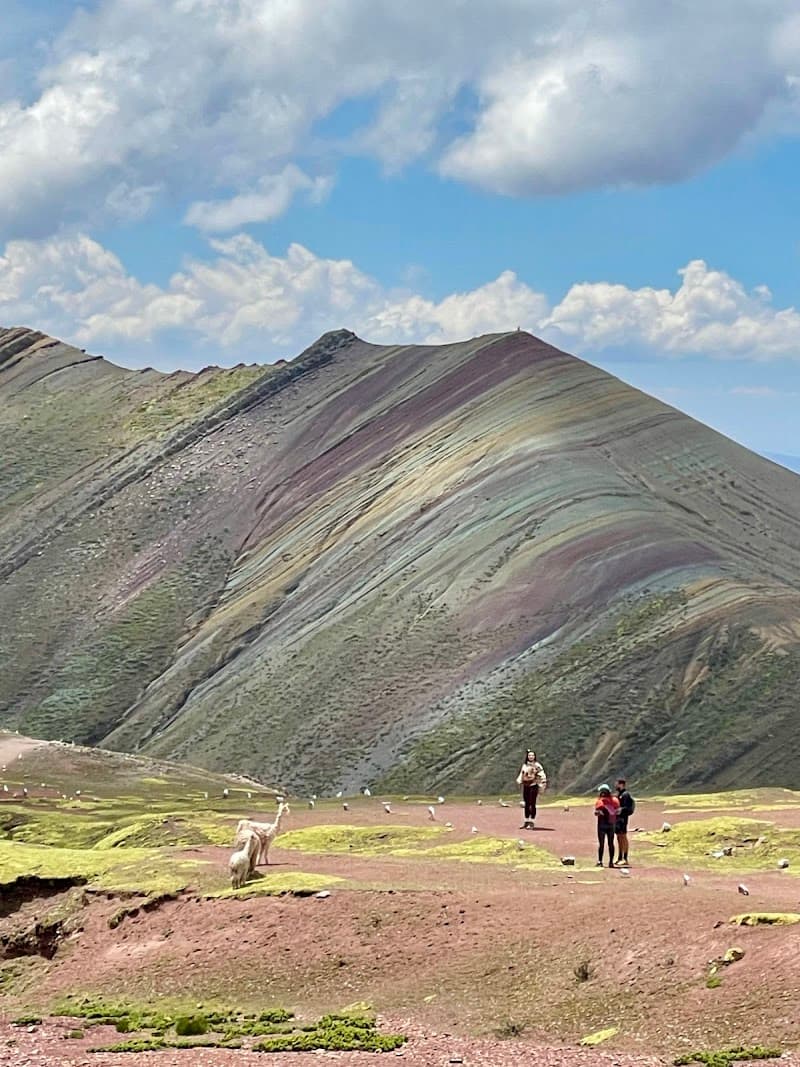
Don't drink tap water. Ever. Bottled or filtered water only, including for brushing teeth. Altitude sickness (soroche) is the most common real health hazard. Cusco sits at 3,399m, and flying directly from sea level means roughly 35% less oxygen per breath. About 50% of people who fly straight from Lima experience symptoms in the first 24–48 hours. Rest on arrival, drink 3–4 liters of water daily, skip alcohol for the first 48 hours, and take coca tea. If symptoms get serious, many hotels have supplemental oxygen. For medical help, Clínica Pardo is the best option for tourists. Emergency services are at 911, tourist medical line at 0800-42779. Avoid strenuous hikes like Rainbow Mountain until you've had at least 2–3 days to acclimatize. Neighborhoods like San Sebastián, San Jerónimo, and Santiago are residential districts — there's no reason to be wandering there after dark.
Getting Around
STEEP STREETS & COLECTIVOS
The historic center is best on foot. Most major sights, restaurants, and hotels are within walking distance of Plaza de Armas. The streets are narrow, steep, and cobblestoned. Wear shoes you can actually walk in.
Taxis run 5–20 soles ($1.50–6 USD) for most city trips. There are over 10,000 taxis in Cusco and they are everywhere. No meters, so agree on the fare first. Say "¿Cuánto cuesta?" before getting in. Uber and InDrive both operate here and are a safer bet at night since you have a record of the driver.
Colectivos (shared vans) are how locals actually get around. For Sacred Valley towns: head to Calle Puputi for Pisac, and Avenida Grau / Calle Pavitos for Urubamba and Ollantaytambo. Vans leave when full, fares are paid in cash, and rides cost 15–20 soles ($4–8 USD). To get off, yell "¡Baja!" loudly. Fair warning: the roads to the Sacred Valley are steep, winding, and drivers are fearless. If the speed feels dangerous, say something.
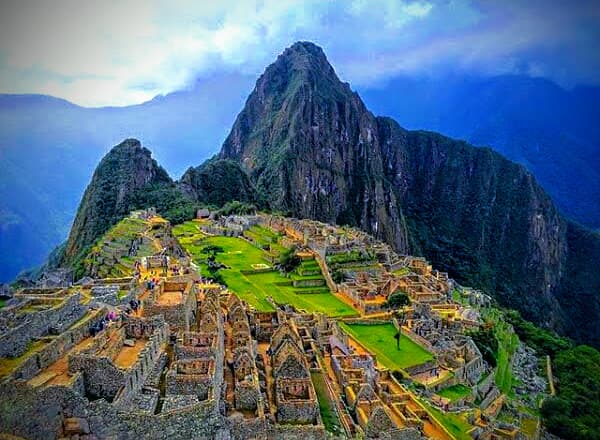
For Machu Picchu: take a colectivo or taxi to Ollantaytambo, then PeruRail or Inca Rail to Aguas Calientes, then a shuttle bus up to the citadel. Book Machu Picchu entrance tickets well in advance (4–6 months during peak season). A full day trip runs $163–193 per person on a tight budget. Flying Lima to Cusco takes about 1.5 hours. LATAM, Sky, and JetSmart operate daily routes.
Useful Phrases
Explore Cities
Explore the Region
Money-Saving Tips
- 1.Altitude sickness medication costs $15 at pharmacies in Cusco - buy it before you need it
- 2.Sacred Valley hotels cost 30-40% less than equivalent places in Cusco city
- 3.Colectivos between towns cost $3-5 vs $30-50 for private taxis
- 4.Market food costs half what restaurants charge - breakfast at San Pedro Market runs $3-4
- 5.Train tickets to Machu Picchu bought 2+ months ahead cost $65 vs $200 last-minute
- 6.Inca Trail permits sell out 6 months in advance - alternative treks like Salkantay cost half as much
Travel Tips
- •Arrive 2-3 days before any serious hiking to acclimatize to the altitude
- •Pack layers - mountain weather changes fast and temperature swings are extreme
- •Coca leaves are legal in Peru but illegal to take home to most countries
- •Book Machu Picchu tickets online before arrival - they limit daily visitors
- •Carry small bills - many places can't break 100 sol notes
- •Download offline maps - cell service gets spotty in Sacred Valley villages
- •Bring a good headlamp - power outages happen and some ruins are poorly lit
- •Pack altitude sickness pills even if you've never had issues before
Frequently Asked Questions
BUILD YOUR
CUSCO REGION PLAN
Insider picks, smart timing, and a plan ready when you are.
Start Planning