Porto Vecchio
Culture & Context
CORSICAN SAINT-TROPEZ
CORSICAN SAINT-TROPEZ
Porto Vecchio sits at a fascinating cultural crossroads. Officially French since 1768, it feels more Italian than anything else — the architecture is Genoese, the dialect (Corsu) owes far more to Tuscan Italian than to French, and the food blends both traditions effortlessly. Locals call it "Portivechju" and take the distinction seriously. The town earned its nickname "La Cité du Sel" (City of Salt) from the salt marshes that still ring the bay, and you'll see flamingoes in those marshes if you arrive off-season. Genoese walls still define the hilltop old town, built in 1539 as a stronghold against Ottoman raids. These days those same ramparts shelter designer boutiques and terrace restaurants. Porto Vecchio carries a reputation as the "Corsican Saint-Tropez" — wealthy French and Italian summer crowds, celebrity-favourite hotels like Grand Hotel Cala Rossa, luxury yachts in the marina. But beneath that gloss is a fiercely Corsican soul. Nationalist sentiment runs strong on the island. Don't casually refer to Corsica as just "France" — Corsicans have their own language, their own identity, and ongoing political campaigns for greater autonomy. Acknowledge it, don't dismiss it, and you'll be welcomed warmly. The polyphonic singing tradition (those deep, dramatic harmonies you might catch on a summer evening) is another expression of that distinct identity — if you hear it drifting out of a doorway in the citadel, stop and listen.
Local Customs
SPEAK SOME CORSU
Greet with 'Bonghjornu' — even a butchered attempt at Corsican is appreciated far more than defaulting straight to French. Locals have a strong identity tied to their language, and the effort registers.. Don't call it just 'France.
' Corsicans have a distinct cultural identity, ongoing nationalist politics, and a fierce pride in the island's uniqueness. Acknowledge Corsica as Corsica.. Lunch is the main meal.
Most locals eat seriously at midday and keep dinner lighter and later. Don't expect kitchens to open for dinner before 7:30pm — and in peak summer, things run even later.. August and late July are chaos.
Prices spike sharply, beaches get packed, and restaurant reservations are essential. June and September give you most of the same weather with a fraction of the crowds.. The U Luddareddu on July 31st is a purely local Porto Vecchio tradition — locals make a straw man and burn it in the heart of town to mark the end of the summer's hard labour and heat.
If you're there, it's worth watching.. Many restaurants host a 'Corsican night' once a week featuring live local music. These aren't always advertised online — look for handwritten posters or ask at your accommodation..
Arrive at Palombaggia early. By 10am in summer the best spots are taken and the car park is filling. This is not an exaggeration.
Safety
SAFE, WATCH YOUR BILL
GENERALLY SAFE, STAY SHARP
Porto Vecchio is a low-crime, family-friendly destination and one of the safest places to visit in the western Mediterranean. The town attracts wealthy tourists and has a strong local interest in maintaining that reputation. That said, summer crowds bring the usual tourist-area hazards. Watch for taxi overcharging — always confirm the fare before you get in. Some restaurants near the marina have been known to add items to bills or present menus with hidden fees; check your receipt. Unlicensed "guides" may approach at popular spots. Pickpocketing in crowded areas (particularly the marina in peak July-August) does happen. On the roads, take Corsican driving seriously. The roads are narrow and winding, locals drive fast, and free-roaming pigs, goats, and cows genuinely do cross them. The only straight road on the island runs along the east coast. Everywhere else, budget for an average speed of around 35km/h and keep your eyes on the road rather than the views. One practical note: Corsican nationalist sentiment occasionally shows up as anti-mainland-French feeling. You might encounter posters, graffiti, or even comments. It's local politics — stay neutral and move on.
Getting Around
RENT A CAR
CAR ESSENTIAL, TOWN IS WALKABLE
The old town centre and marina are compact and fully walkable. A stroll from the citadel down to the harbour takes around 10 minutes (slightly longer coming back up, given the elevation). For getting around within town, Porto Vecchio runs a free electric shuttle called "A Citadina" that connects the city centre, port, main car parks, and the north and south peripheries year-round. Very handy, especially since parking in summer is a genuine nightmare — the town has over 1,000 car park spaces, but they fill fast in July and August.
For day trips and beach access, you really need a car. The A Berlina bus network covers seven surrounding municipalities: a single journey costs €2, 10 rides cost €15, a weekly pass is €18. Buses to Bonifacio, Monaccia d'Aullène via Figari airport, and Sainte Lucie de Porto Vecchio all depart from the Gare Routière (bus station) near the marina. Longer routes to Ajaccio, Bastia, and Calvi are served by Rapides Bleus and Corsica Europa Travel.
For Palombaggia Beach specifically, a dedicated shuttle runs in July and August — €11 return, departing from the Porto Vecchio bus station. Worth knowing because beach parking costs €5/day and fills early.
Getting to Porto Vecchio: Figari airport is 25–30km away. Ferry port is in town itself, with Corsica Ferries running year-round from Toulon. Other operators (Moby Lines, Corsica Linea, La Méridionale, Ichnusa Lines from Sardinia) also serve the island.
Useful Phrases
Where to Stay in Porto Vecchio
8 recommended properties
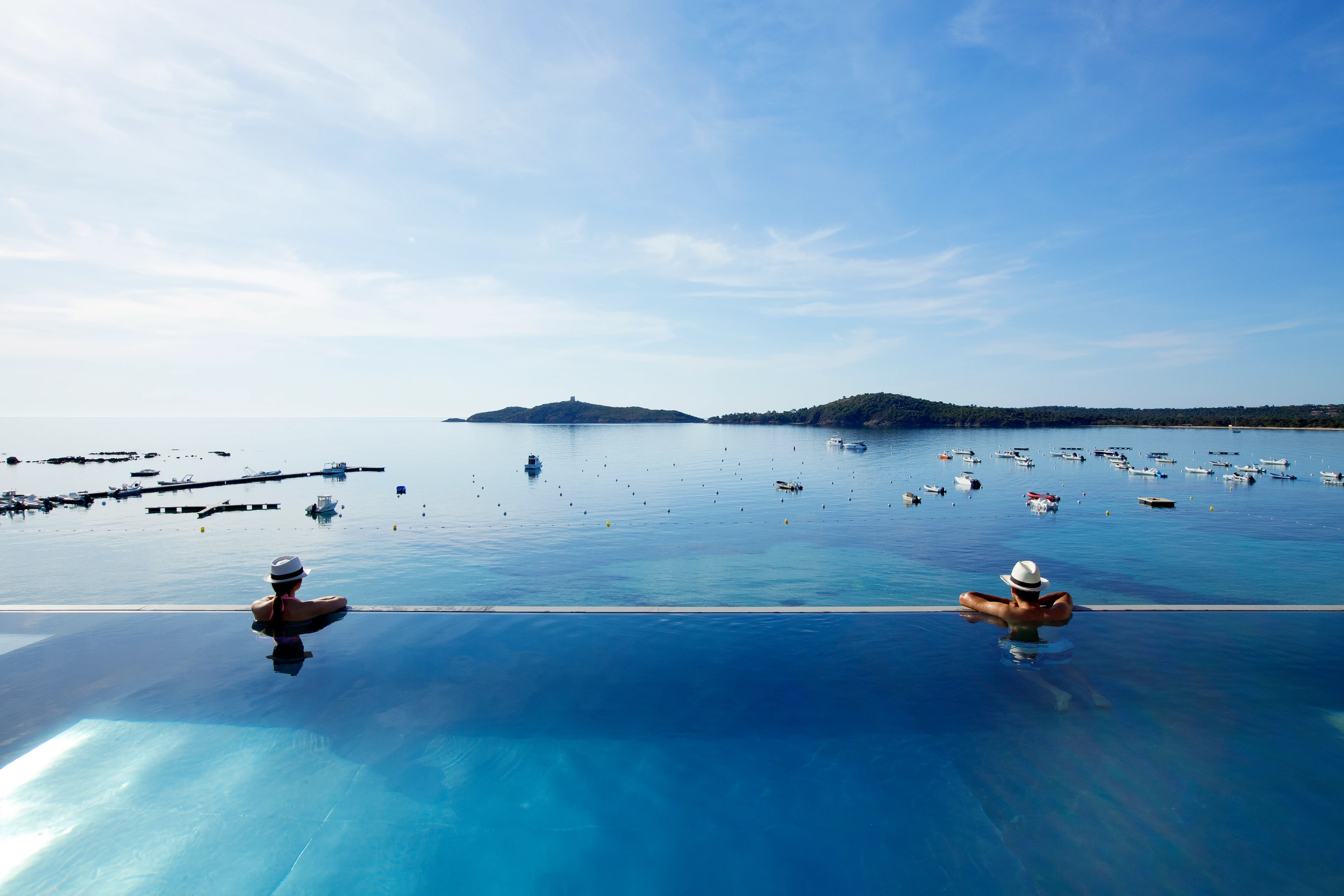
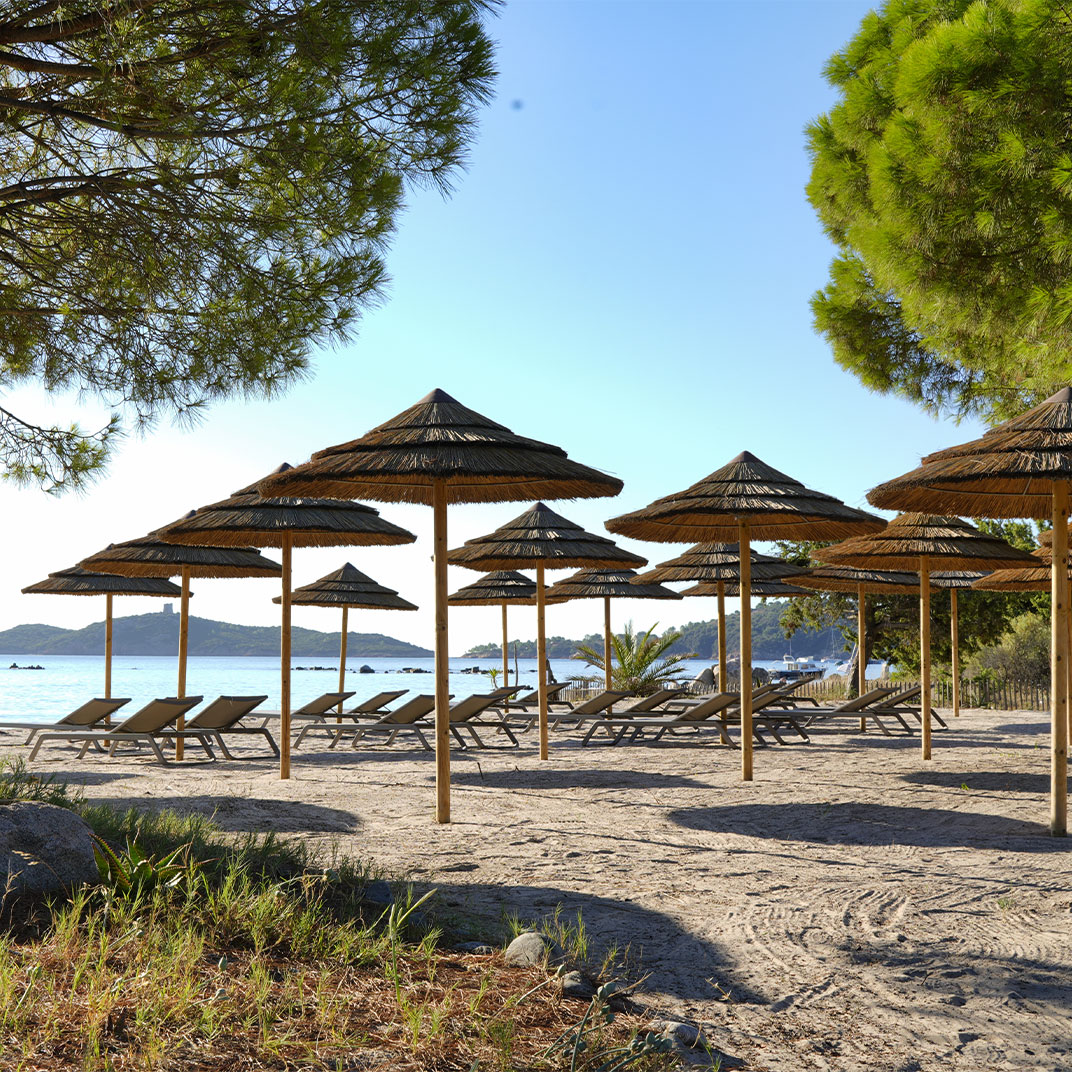
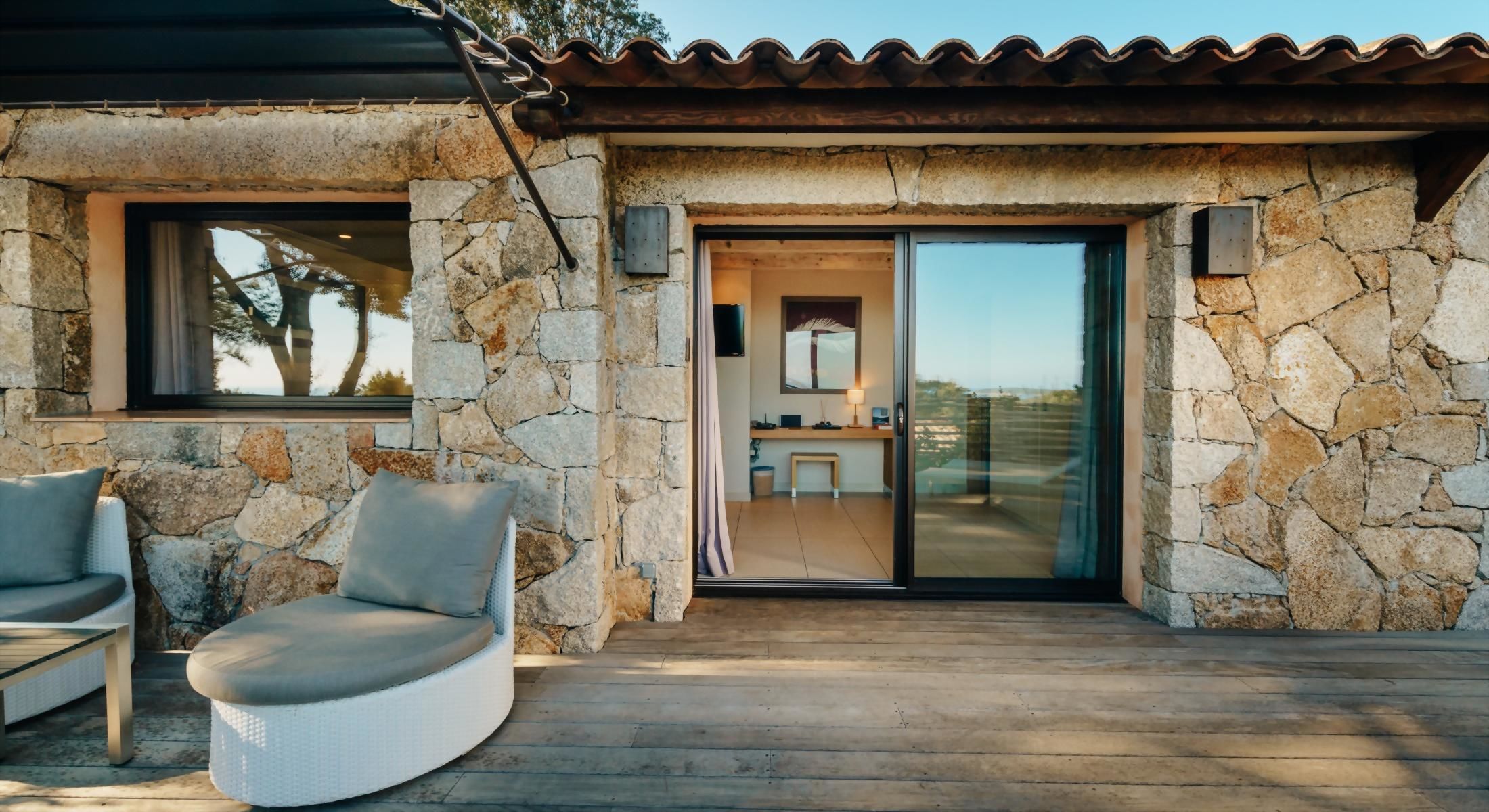
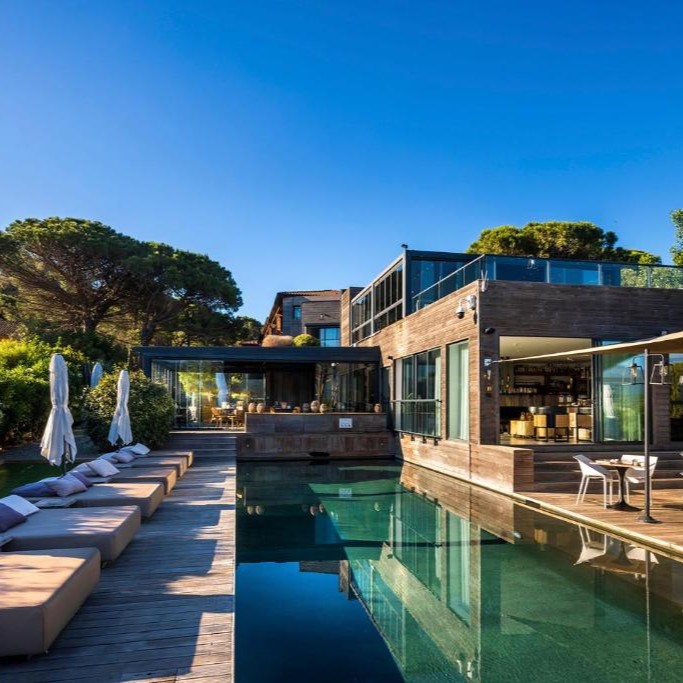
Explore Porto Vecchio
BUILD YOUR
PORTO VECCHIO PLAN
Insider picks, smart timing, and a plan ready when you are.
Start Planning