Bath
Georgian Elegance Meets Ancient Roman Splendor in England
Bath feels like stepping into a Jane Austen novel. Those honey-colored Georgian terraces aren't just for show — this UNESCO World Heritage city has been drawing visitors for over 2,000 years. Romans built the first baths here around 70 AD, and you can still see steam rising from the sacred spring today.
The city center fits into a neat oval, with the River Avon curving around medieval walls. Walk five minutes in any direction from Bath Abbey and you'll hit either Roman ruins, Georgian crescents, or independent shops tucked into 18th-century buildings. It's compact enough to explore on foot, grand enough to feel special.
Here's what makes Bath different from other English heritage cities: it never stopped being fashionable. While places like Chester feel frozen in time, Bath keeps evolving. New restaurants open in Grade II listed buildings. Contemporary art galleries share streets with antique shops. The Thermae Bath Spa lets you soak in naturally heated pools with views over those famous rooftops.
Best Months
MAY – SEP
~21°C · peak crowds
Culture & Context
GEORGIAN GRANDEUR, TOURIST CROWDS
Bath is a UNESCO World Heritage city that has been pulling in visitors since the Romans first engineered its thermal springs 2,000 years ago. The Georgians turned it into an aristocratic playground, leaving behind the honey-coloured stone terraces, crescents and squares that make it one of the most architecturally consistent cities in the world. Jane Austen lived here and hated it (she found it shallow and socially suffocating) — which tells you something about the city's complicated relationship with its own glamour.
Today it's genuinely lovely to walk around but crowded with hen parties on Friday nights and day-trippers on weekends. The Bridgerton effect is real: the Holburne Museum and Royal Crescent get packed with fans hunting filming locations. Locals, called Bathonians, have a dry pride about their city and a persistent, slightly teasing rivalry with Bristol (bigger, grittier, more affordable).
Bath leans educated, moneyed and white. It's one of England's safest cities. But it can feel like a museum piece — and the hills will punish you if you're not warned.
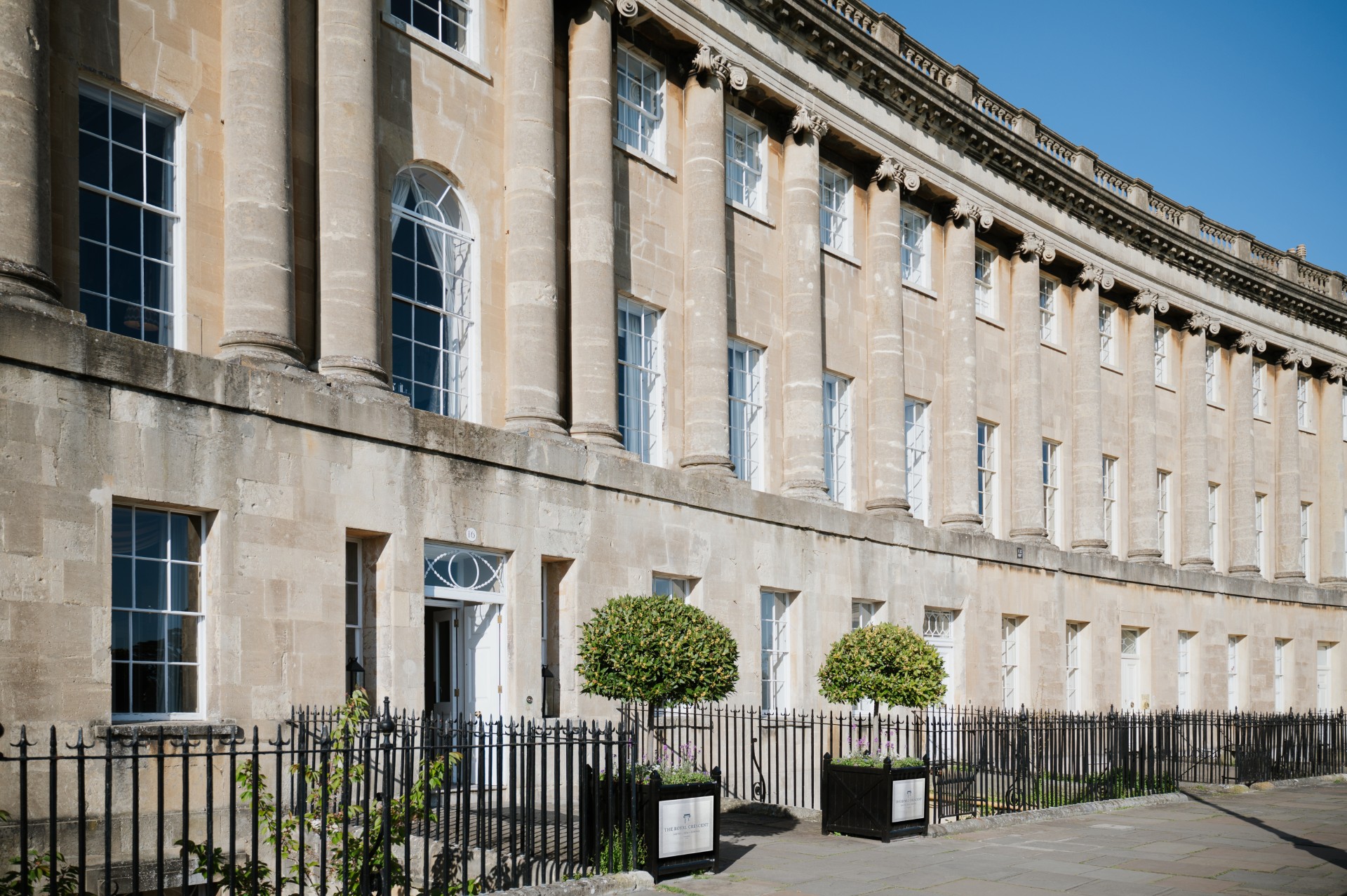
2026 marks 250 years since the first foundation stone was laid on the Royal Crescent.
Local Customs
QUEUE & PLEASE CONSTANTLY
Order at the bar in pubs — there are no table service waiters coming to find you. Walk up, make eye contact with the bartender, and wait your turn. Don't wave cash around..
Queue. Always. Cutting in line is the fastest way to become instantly unpopular with every person within 20 metres..
Say please and thank you constantly. Brits use them more than almost any other culture, and forgetting comes across as rude even if you don't mean it.. The sun comes out and everyone is outside immediately.
If it's 16°C and not raining, locals treat it as a heatwave. Don't be surprised to see people in t-shirts.. Bath is extremely hilly.
The city centre is manageable, but anywhere north (Lansdown, Camden) or south (Bear Flat, Widcombe) involves serious gradients. Wear proper shoes.. Weekends bring stag and hen parties from Bristol and beyond.
Friday and Saturday nights around Milsom Street and the Westgate area get rowdy. Plan around it or embrace it.. Bathonians have an uneasy relationship with the tourist crowds.
Be considerate in residential streets, especially around the Royal Crescent — people actually live there.. Tipping: 10–15% is appreciated in restaurants if service was good. Not expected in pubs.
Never expected at the bar.
Safety
VERY SAFE, WATCH BAGS
Bath is one of the UK's safer cities. Numbeo's 2025 data gives it a Safety Index of 70.8 and a Crime Index of just 29.
2 — calm numbers by any standard. The city centre is generally fine at any hour. But: crime hotspots do exist around Cheap Street and Westgate Street, particularly late on weekend nights when the hen and stag crowd is out in force.
Keep an eye on bags in the Abbey Churchyard area during peak tourist season — it gets very congested and pickpockets follow footfall. The hills mean some streets are poorly lit and quiet after dark. Stick to main roads walking home if you don't know the area.
The Clean Air Zone operates in the city centre — some streets are restricted to motor traffic between 10am and 6pm (including Abbey Green, Cheap Street, Stall Street and others), so don't try to drive through them. Bath is generally very safe for solo travellers including women travelling alone, and LGBTQ+ visitors will find a welcoming environment — Queer Bath is an active presence in the city's cultural calendar.
Getting Around
WALKABLE, EXCELLENT BUSES
Bath is small enough to walk almost everywhere in the centre. The Roman Baths, Bath Abbey, Pulteney Bridge and the Royal Crescent are all within about 20 minutes on foot of each other. Seriously — leave the car behind.
Bath Spa railway station sits right in the city centre, with the Roman Baths a 5–10 minute walk up Stall Street. Trains to London Paddington run roughly every 30 minutes and take about 80 minutes. Bristol Temple Meads is 15 minutes.
Download the First Bus app before you arrive: it lets you buy tickets, track buses in real time, and avoid fumbling for cash. The tap-on tap-off system caps your daily bus fare at £6.80 for Bath and Bristol zones — genuinely good value if you're doing multiple trips in a day.
Cash is accepted on buses but exact fare or contactless is strongly preferred (drivers hate giving change). Park and Ride services run from Newbridge, Lansdown and Odd Down into the city centre if you're driving in — much smarter than trying to find central parking. Note the Clean Air Zone: older, higher-emission vehicles pay a daily charge to drive in the city centre.
Check the Bath council website before you drive in.
Useful Phrases
Bath Itineraries
View all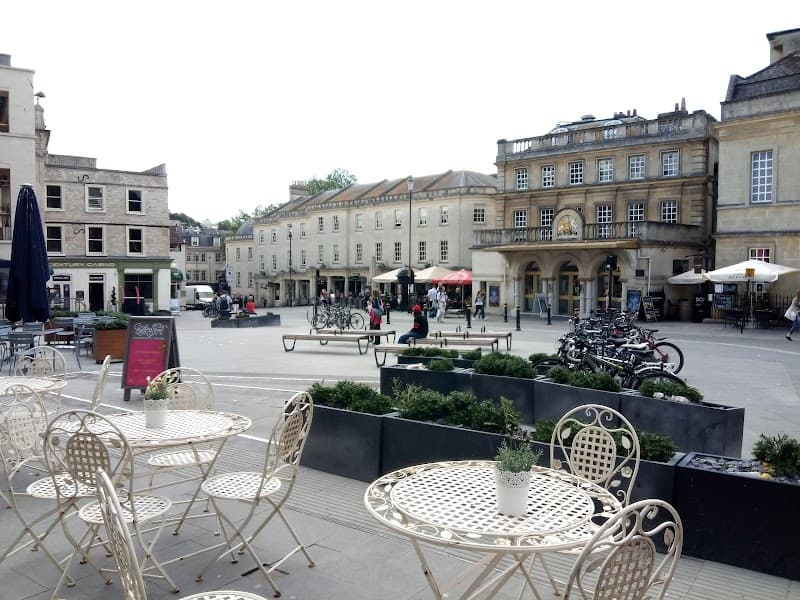
7 Wild & Serene Days in Bath’s Green Valleys
Week · $$$
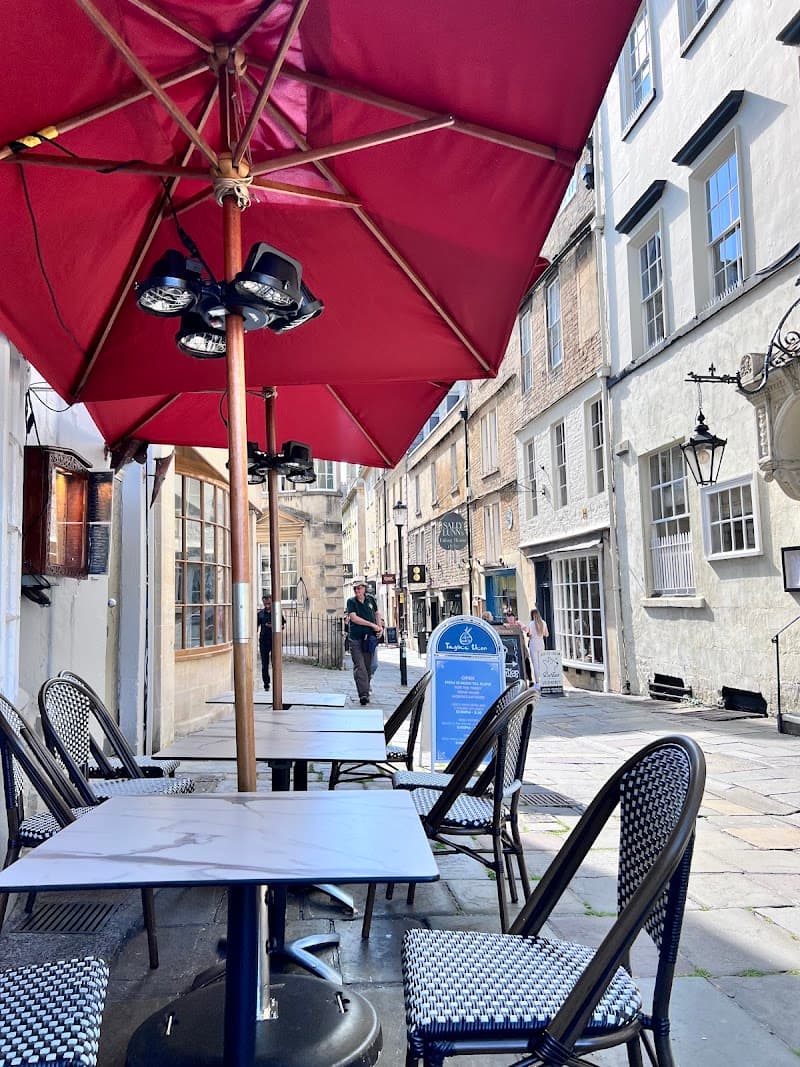
Wild Corners & Warm Springs: A Long Weekend in Bath
Weekend · $$$
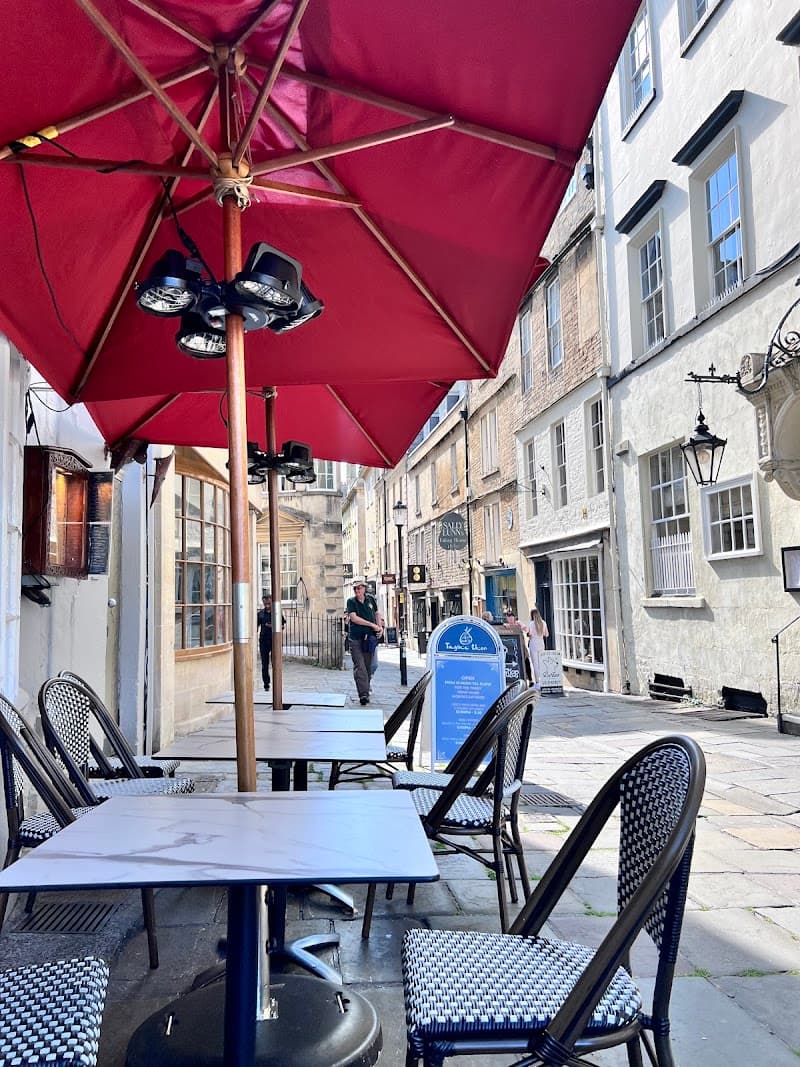
Steamy Springs & Secret Greens: A Bath Jungle Weekend
Day Trip · $$$
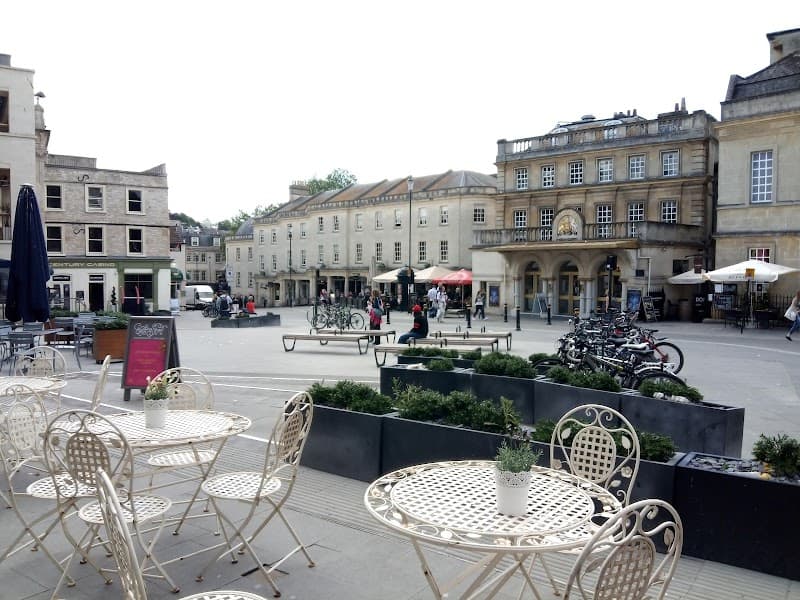
7 Romantic Days in Bath’s Leafy, Golden Streets
Week · $$$
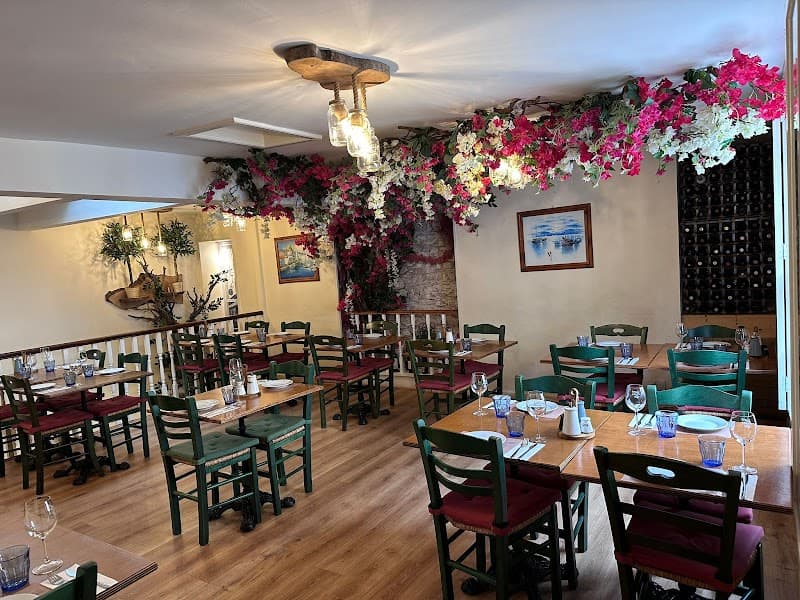
Steamy Springs & Secret Greens: A Romantic Bath Escape
Weekend · $$$
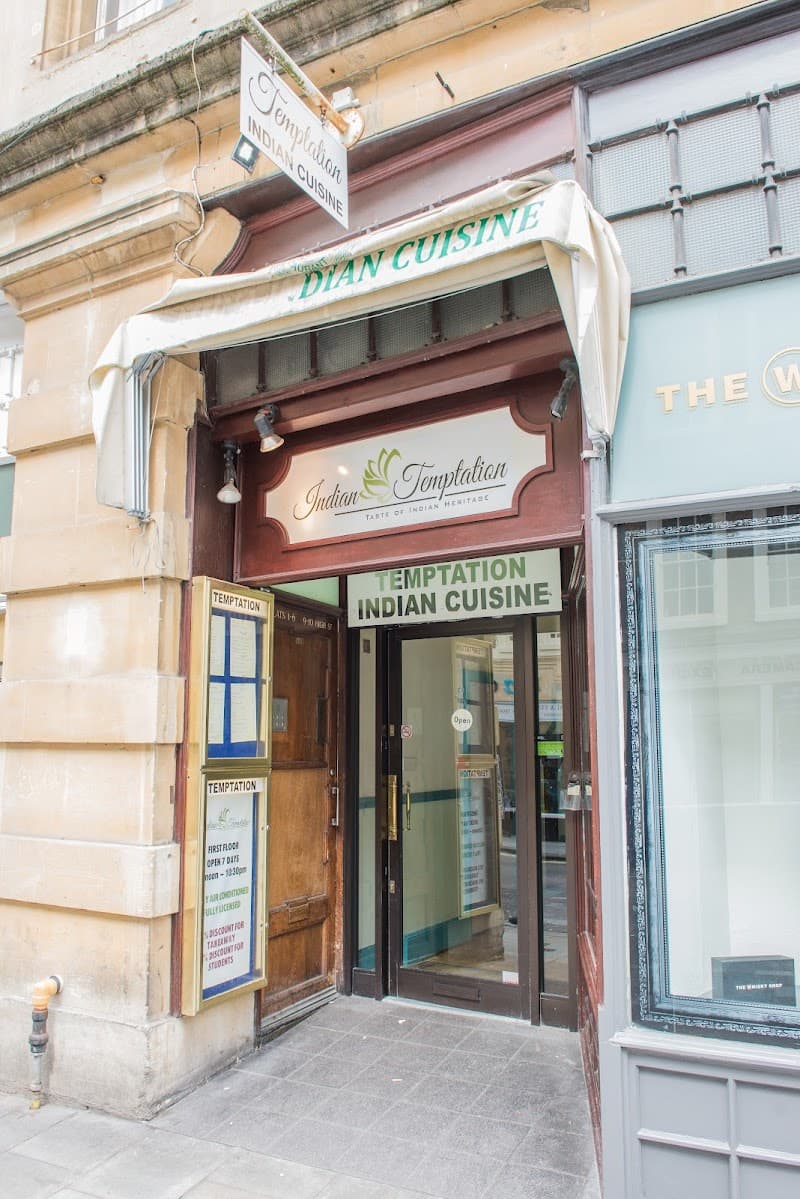
Romantic Bath Escape: Thermal Springs & Honey-Stone Streets
Day Trip · $$$
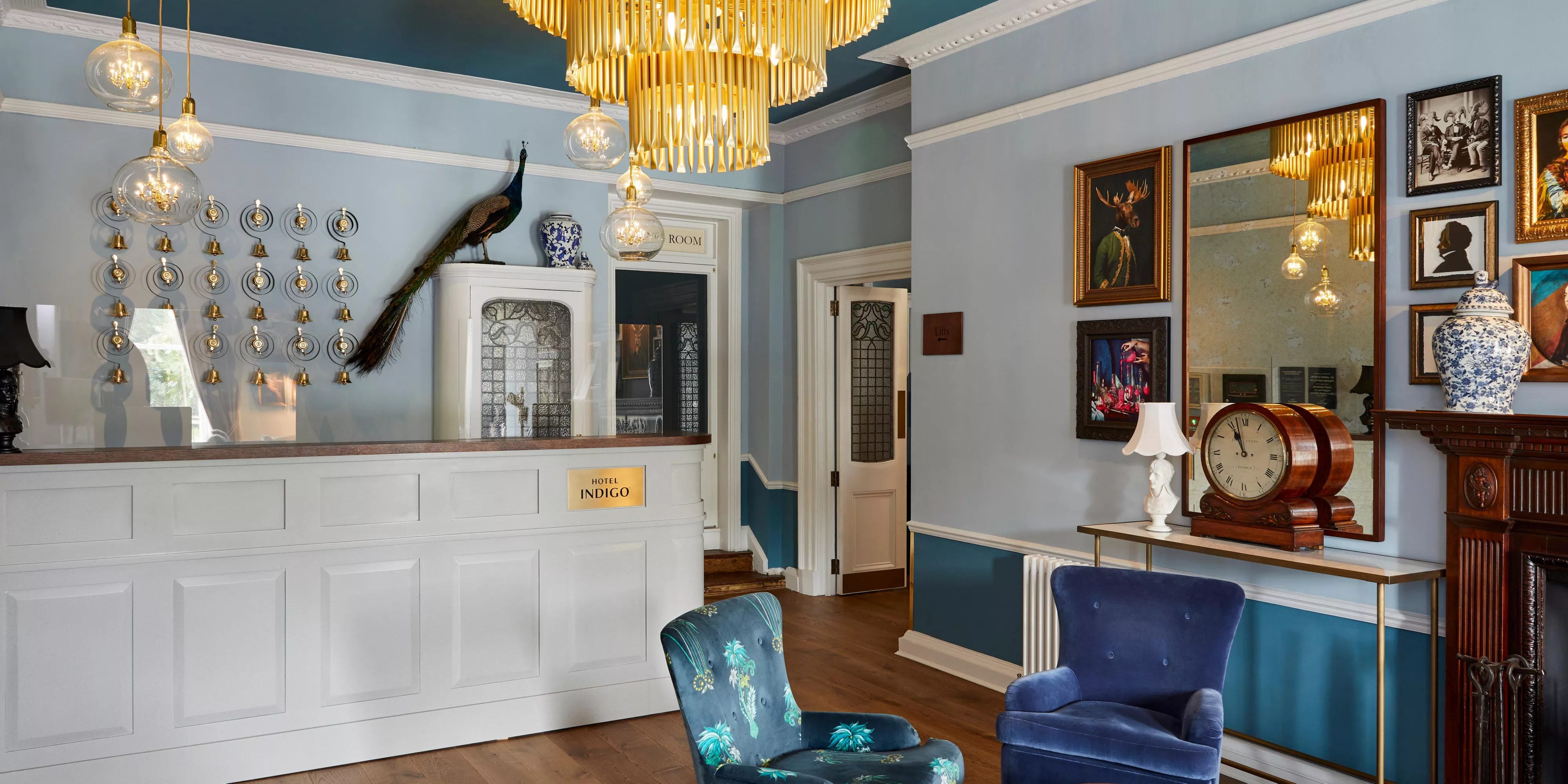
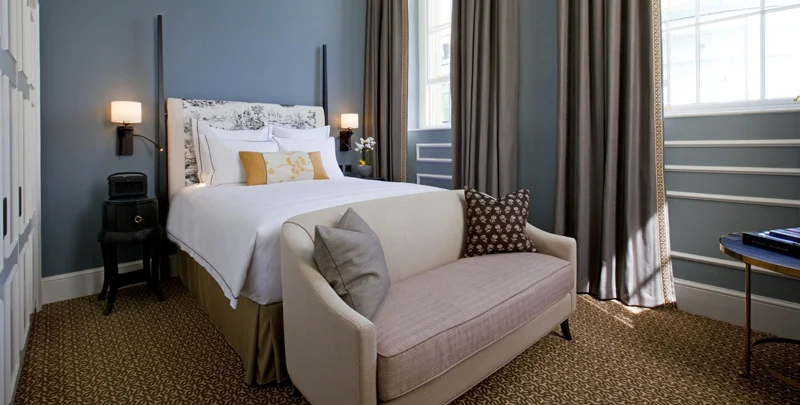
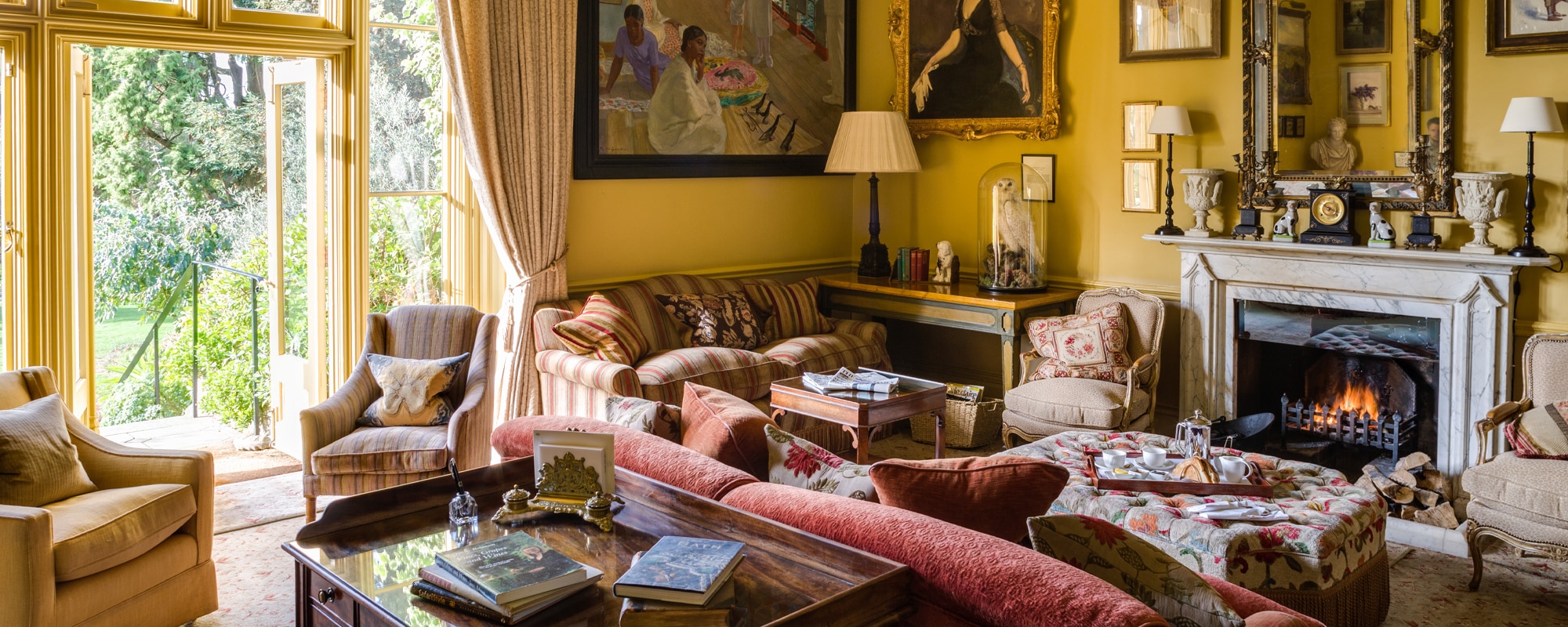
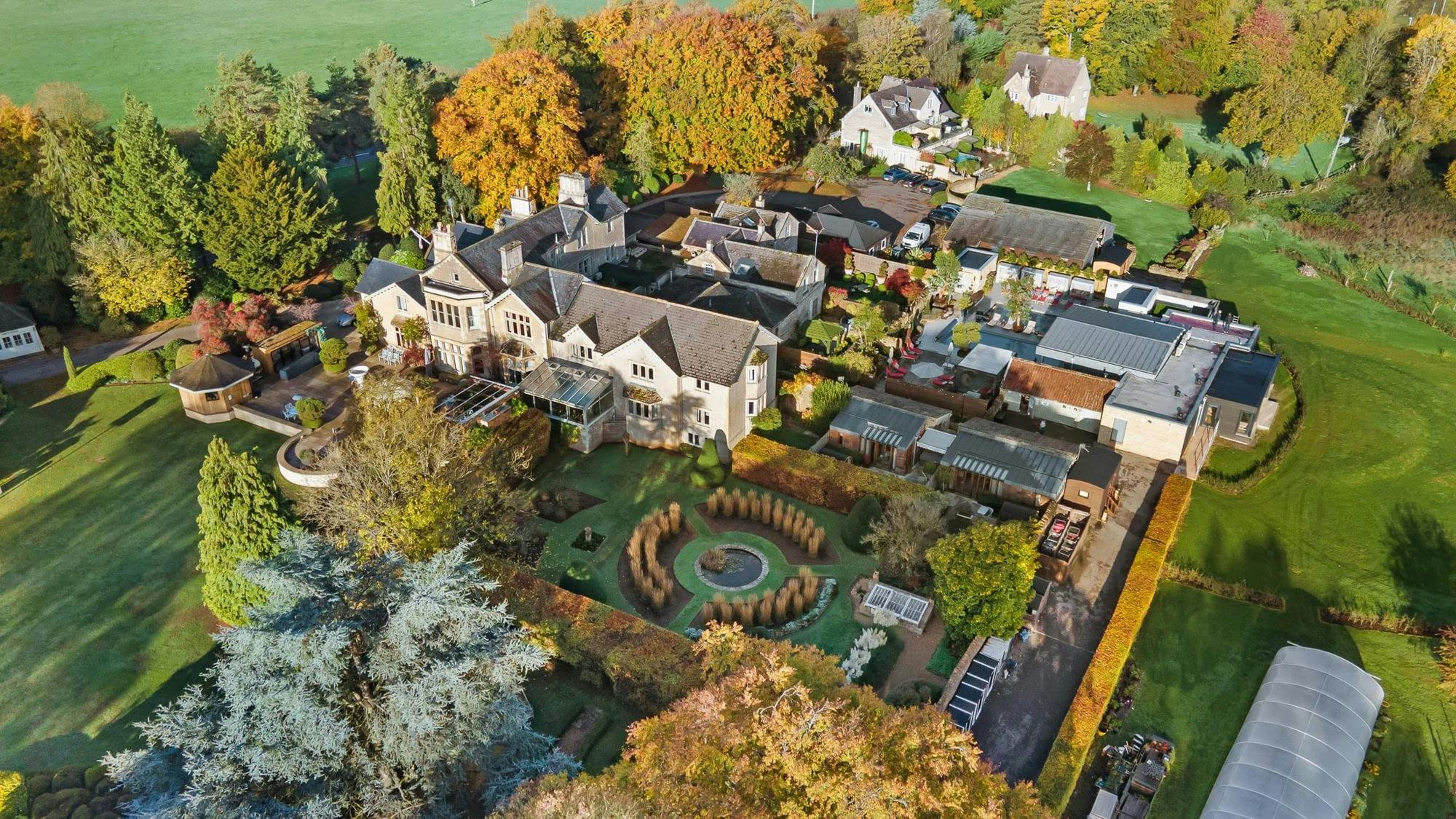
Where to Stay in Bath
9 recommended properties
Things to Do in Bath
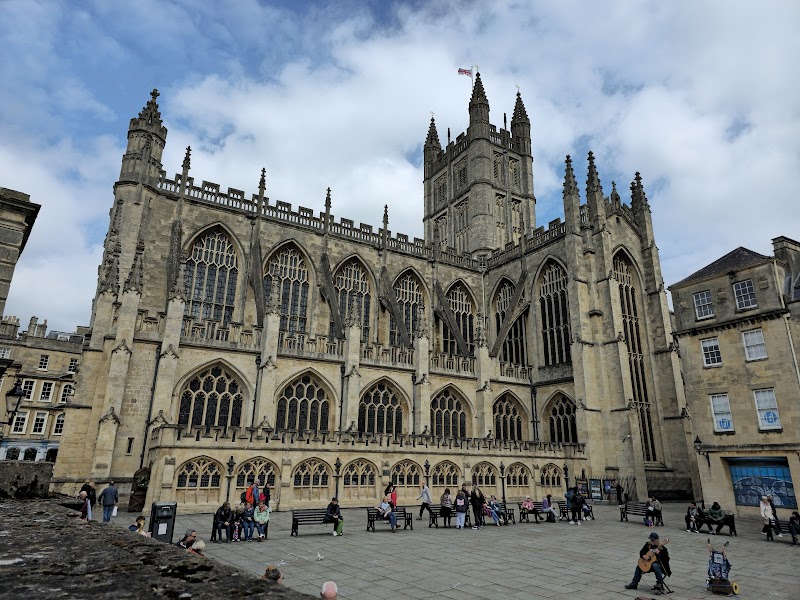
Evening Stroll by Bath Abbey & Abbey Churchyard
City Centre (Bath Abbey / Roman Baths) · 60 min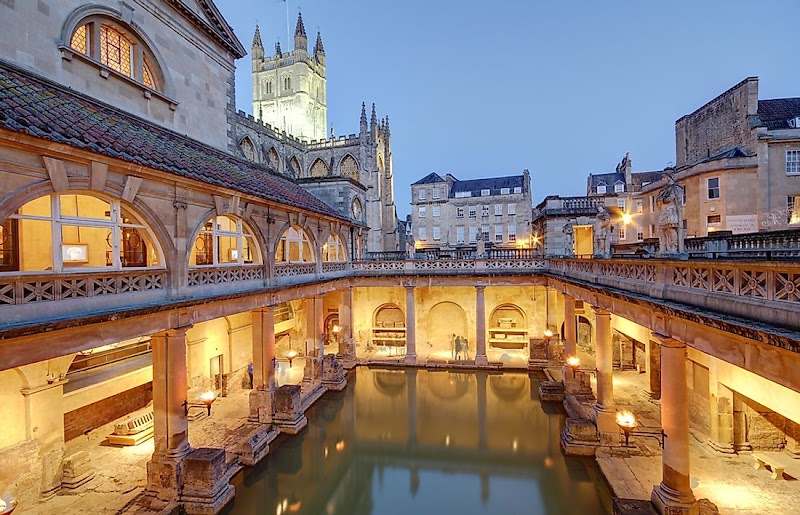
Roman Baths
City Centre (Bath Abbey / Roman Baths) · 120 min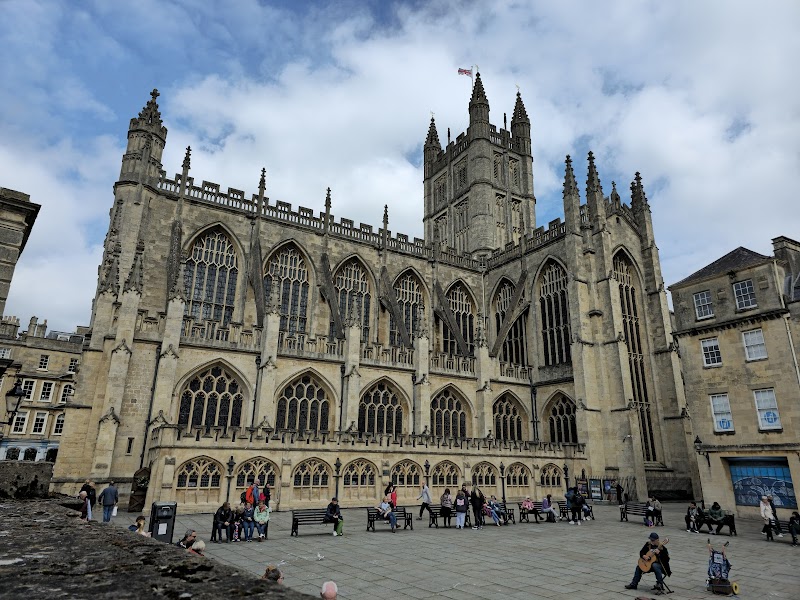
Bath Abbey Interior Visit
City Centre (Bath Abbey / Roman Baths) · 45 minMoney-Saving Tips
- 1.Buy a Bath Visitor Card (£28 for 48 hours) if you plan to visit multiple paid attractions — it includes Roman Baths, Fashion Museum, and Mr B's Emporium bookshop discounts
- 2.Pack a picnic from Waitrose or M&S and eat in Royal Victoria Park instead of paying restaurant prices for lunch
- 3.Free walking tours run daily at 10:30am and 2pm from Abbey Churchyard — tip-based, usually £10-15 per person
- 4.Many museums offer free entry to Bath residents, but some extend this to anyone with a local postcode — ask at your accommodation
- 5.Happy hour at most bars runs 5-7pm with £2-3 off cocktails and wine
- 6.The Roman Baths cost £25, but you can see the King's Bath Spring for free from street level on Stall Street
- 7.Book restaurant tables for lunch instead of dinner — many places offer the same menu at lower prices before 6pm
Travel Tips
- •Download the Roman Baths audio guide app before you visit — it's free and more detailed than the included audio tour
- •Wear comfortable walking shoes with good grip — those Georgian stone streets get slippery when wet
- •Book afternoon tea at least 48 hours ahead, especially at The Pump Room or The Royal Crescent Hotel
- •The free Bath Abbey tower tours (£6 donation suggested) offer the best city views, but involve climbing 212 steps
- •Most shops close by 6pm and many restaurants stop serving food by 9pm — plan accordingly
- •Public toilets cost 20p, but most cafes and pubs let customers use facilities for free
- •The Jane Austen Centre is skippable unless you're a serious fan — the house she actually lived in is unmarked on Gay Street
- •Bath Spa train station is a 10-minute walk uphill from the city center — factor this into arrival times