Interlaken
Switzerland's Adventure Gateway Between Two Lakes
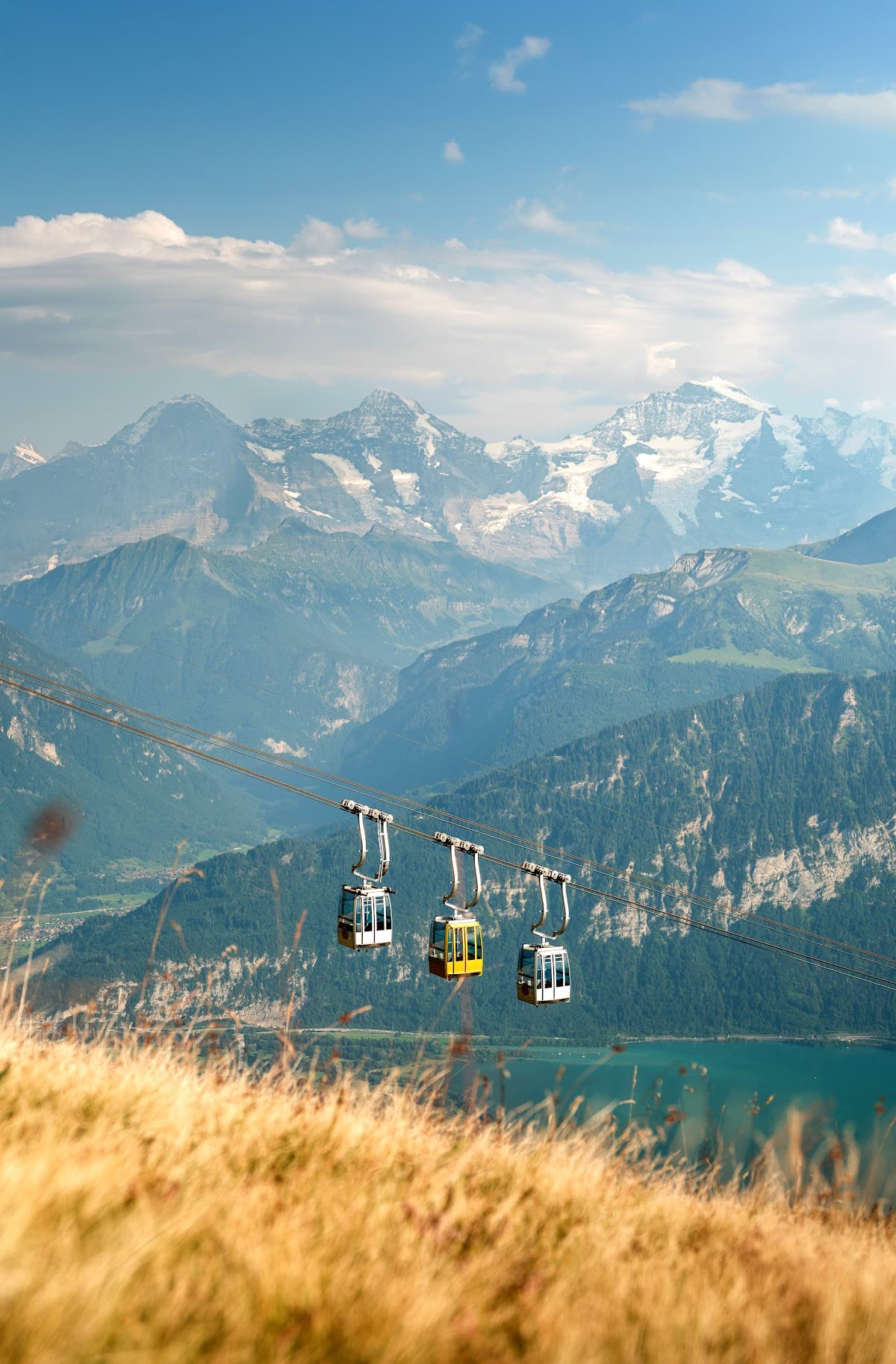
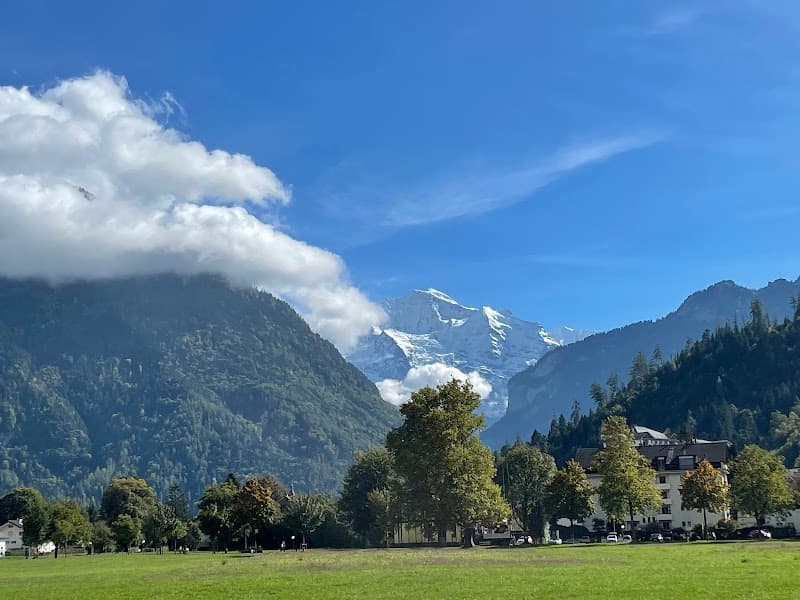
Interlaken sits in the heart of the Swiss Alps like nature's own amphitheater, with the Eiger, Mönch, and Jungfrau peaks rising dramatically behind turquoise lakes. This isn't just another pretty Swiss town — it's the adrenaline capital of Europe, where you can paraglide over Lake Thun in the morning and dine at a Michelin-starred restaurant by evening.
The town itself is surprisingly compact, stretching along the Aare River between Lake Thun and Lake Brienz. You'll find most of the action concentrated around Höheweg, the main pedestrian boulevard lined with luxury hotels and adventure tour operators. But here's what makes Interlaken special: it's one of the few places where you can experience heart-stopping adventure sports alongside world-class luxury, all wrapped up in some of the most dramatic alpine scenery on Earth.
Best Months
JUN – SEP
~22°C · high crowds
Culture & Context
ALPINE TOURISM ARCHITECT
Interlaken sits in the Bernese Oberland in the German-speaking part of Switzerland, between Lake Thun to the west and Lake Brienz to the east — which is literally what the name means. The town proper has around 6,100 to 6,300 permanent residents, but swells massively with tourists year-round. It's a small place. You can walk from one train station to the other in about 20 minutes.
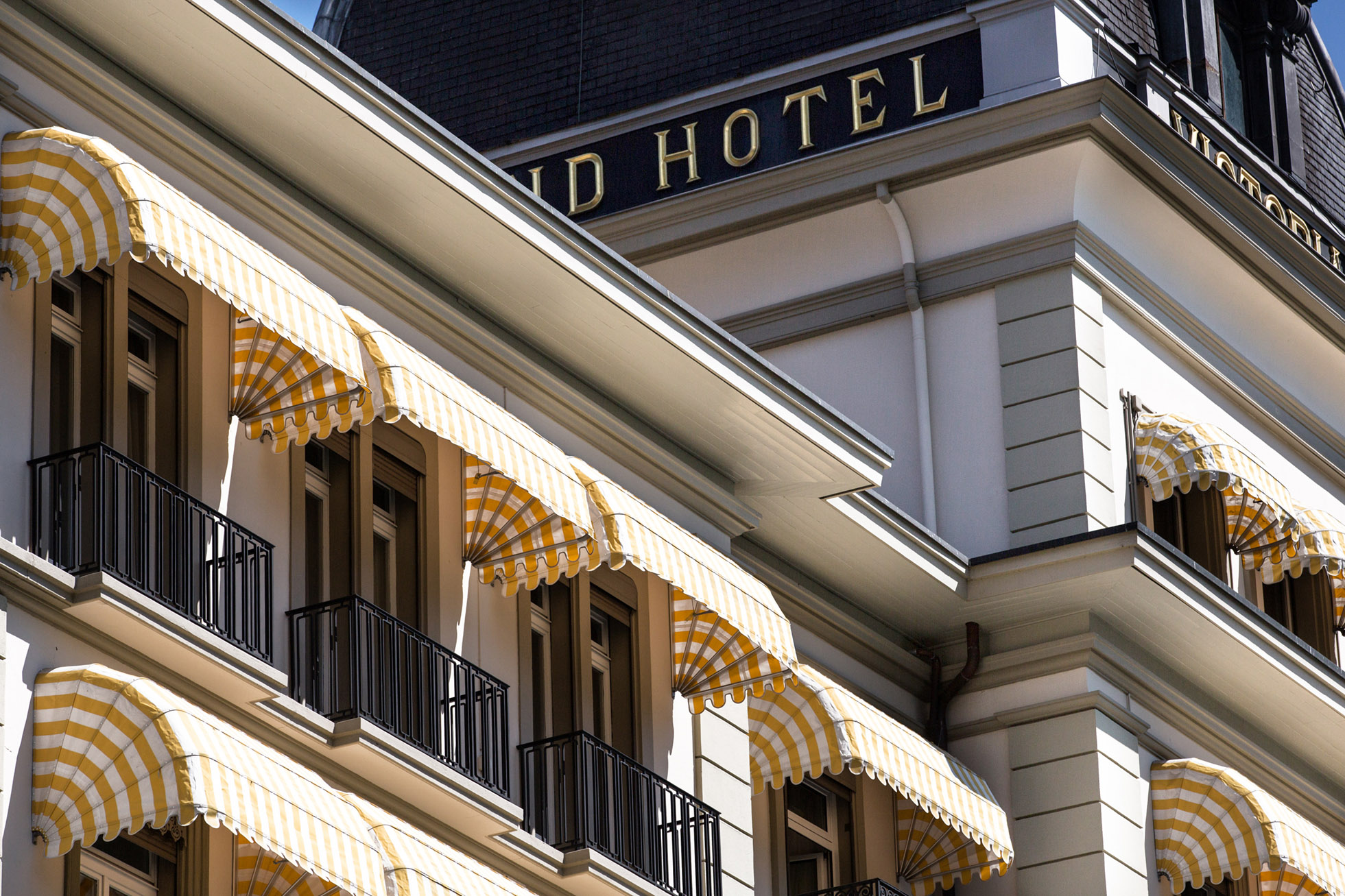
Here's the thing about Interlaken's cultural identity: it was basically built for tourism. The grand Victorian hotels along the Höheweg date from the 19th century, when wealthy European aristocrats made the Alpine tour fashionable. That heritage is still visible in the architecture, the formal dining culture at older hotels, and the deeply organized infrastructure that makes everything run on time.
Today the crowd is genuinely global. Indian visitors are a huge segment — the town even has a Yash Chopra statue, honoring the Bollywood director who shot numerous films here. Korean, Japanese, and Chinese tour groups are also extremely common. English is spoken confidently by nearly everyone in tourist-facing roles.
The local dialect is Bernese Swiss German (Bärndüütsch), which sounds quite different from standard High German. But don't stress about it. Almost everyone speaks English, especially in Interlaken. A few words of Swiss German (Grüezi, Merci, En Guete) go a long way toward being treated like a person rather than a walking wallet.
Local Customs
PUNCTUALITY NON-NEGOTIABLE
Punctuality is not a preference — it's a social contract. Being more than 15 minutes late without calling ahead is genuinely rude. Trains, meetings, restaurant reservations: be on time..
Always greet people when entering small shared spaces: cable car cabins, shop fitting rooms, waiting rooms. A simple 'Grüezi' is all it takes. Skipping it reads as unfriendly..
Quiet hours run from 10pm to 6am and are taken seriously. This includes noise in hotel corridors, raised voices in residential areas, and yes — even flushing toilets loudly in some apartments. Sunday is especially quiet; most local shops close entirely..
Recycling is not optional — it's organized, systematic, and closely followed. Separate your plastics, glass, paper, and compostables. Don't leave trash outside designated bins.
Fines are real.. Tipping is not mandatory anywhere in Switzerland. Service charges are built into wages.
Rounding up the bill (paying CHF 25 on a CHF 23.40 bill) is perfectly appropriate. Don't tip on your card — just tell the server the total you want to pay when they bring the machine..
Don't complain loudly about prices. Even if something costs more than you expected, Swiss culture views public price haggling or venting at staff as miserly and embarrassing.. If you're hiking, Swiss standards are different from elsewhere.
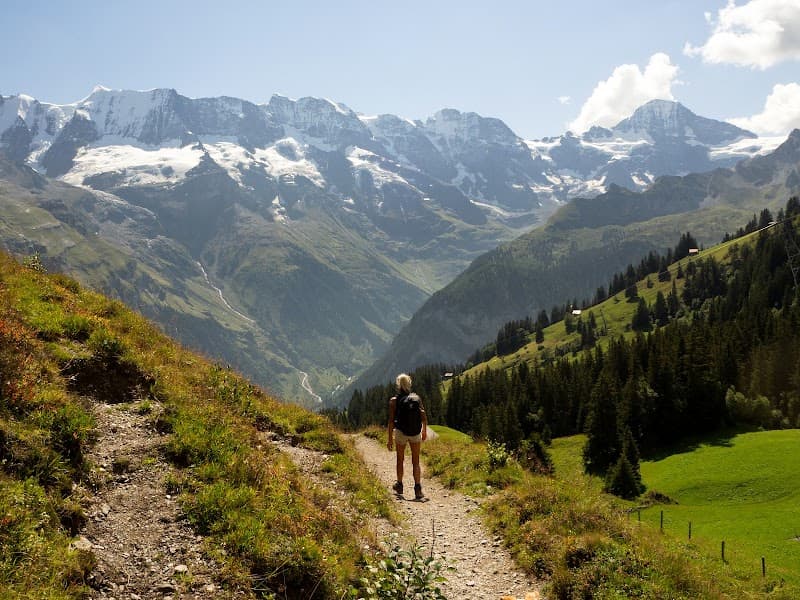
A 'hike' means significant elevation gain. A flat lakeside walk is called a walk. Wear actual boots and check the weather — mountain conditions change fast and afternoon thunderstorms are common in summer..
Eye contact during a toast (Proscht!) is expected from everyone at the table, before and after clinking. Missing it is considered genuinely bad luck by locals.
Safety
WATCH STATION THIEVES
Interlaken is genuinely safe. Violent crime is rare and the town is small enough that you're unlikely to feel threatened anywhere. But a few things are worth knowing.
Watch your bags at Interlaken Ost and West stations, especially during busy summer months. A pattern reported in 2026 involves people offering to carry your luggage up platform ramps who then disappear into the crowd. Decline the help. Similarly, on the Jungfraujoch cogwheel trains, don't leave cameras or valuables on your seat while you step onto the photo deck. Professional thieves have been known to buy mountain train tickets specifically to work the tourist lines.
If anything is stolen, call the SBB Transport Police (0800 117 117) or use the Suisse e-Police app. Report it — the Swiss track these incidents and can actually help.
Mountain safety is the bigger risk. Weather in the Alps changes fast. Thunderstorms roll in without much warning on summer afternoons. Always check the forecast before heading out on any trail, dress in layers even in summer, and stick to marked paths. For emergency services: 112 for general emergencies, 117 for police, 118 for fire, 144 for ambulance.
One more thing: validate your train ticket before boarding. An unvalidated ticket means a CHF 100 fine, which doubles if you delay paying. The Swiss take fare compliance seriously.
Getting Around
MOUNTAIN RAILWAYS DOMINATE
Interlaken has two train stations: Interlaken West (for trains from Bern and Zurich) and Interlaken Ost (for all mountain railways toward Jungfraujoch, Grindelwald, and Lauterbrunnen). The two stations are connected by a short train hop or a 20-minute walk along the Höheweg. Know which one you need before you start walking with luggage.
The Swiss Travel Pass is worth calculating carefully. The 8-day pass runs CHF 439 (2nd class) and covers unlimited trains, buses, boats, 500+ museums, and 50% off most mountain railways. The 15-day pass is only CHF 499 — that's CHF 60 more for an extra week, which is genuinely hard to justify skipping if your trip is 9+ days. Youth under 25 get a 30% discount, and children under 16 travel free with a parent's pass.
Your accommodation will give you an Interlaken Guest Card for free. This covers local buses within the town. Use it. The local bus fare is CHF 2.30 otherwise.
The Harder Kulm funicular leaves from a 5-minute walk from Interlaken Ost and costs CHF 34 return. Worth doing before the Jungfraujoch if you want to calibrate your altitude enthusiasm cheaply first. A return train to Lauterbrunnen from Ost costs CHF 16 and takes 20 minutes. Jungfraujoch return from Interlaken Ost is CHF 220–247 standard, or around CHF 144 with the Swiss Travel Pass.
The SBB Mobile app handles schedules, real-time platform info, and tickets. Download it before you arrive. Taxis start at CHF 8 and run CHF 4/km — skip them. Uber does not operate here. Bikes can be rented from Flying Wheels starting at CHF 19/hour or CHF 39/day, which is the best way to explore the flat lakeshore terrain.
Useful Phrases
Interlaken Itineraries
Where to Stay in Interlaken
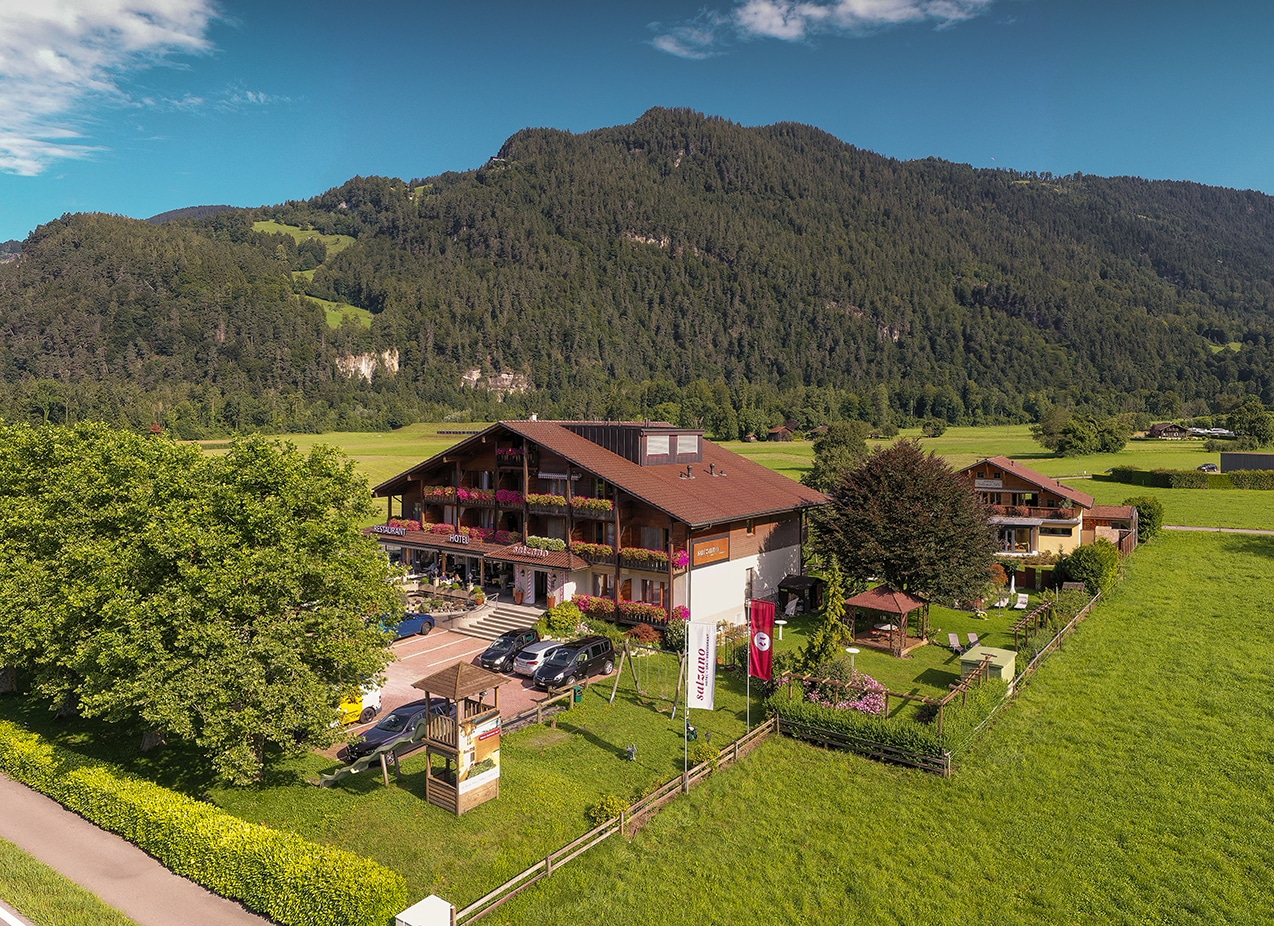
2 recommended properties
Things to Do in Interlaken
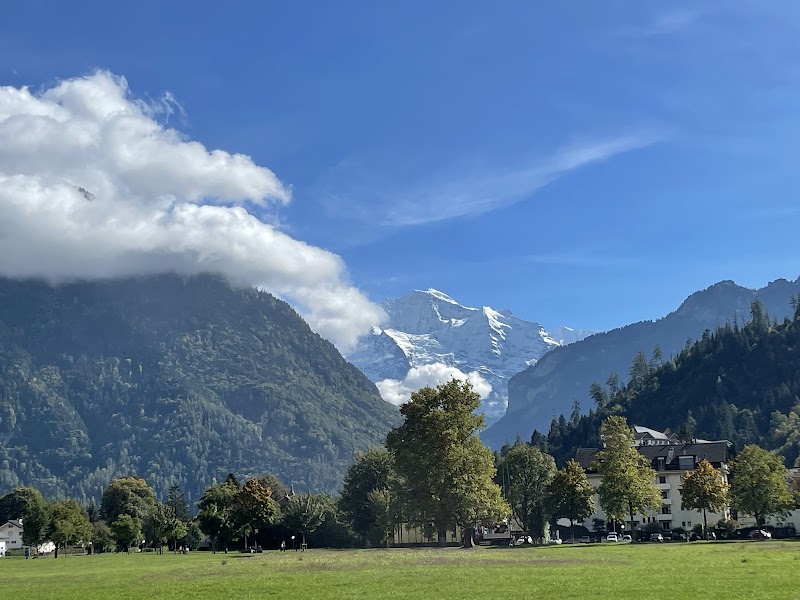
Hohematte Park
Interlaken Ost · 45 min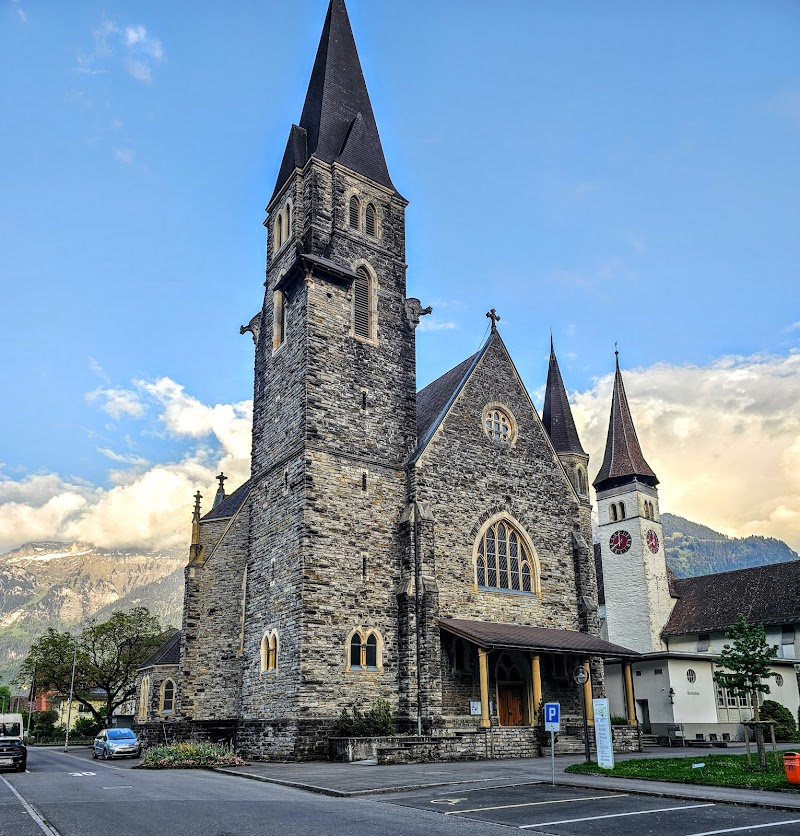
Schlosskirche
Interlaken Ost · 45 min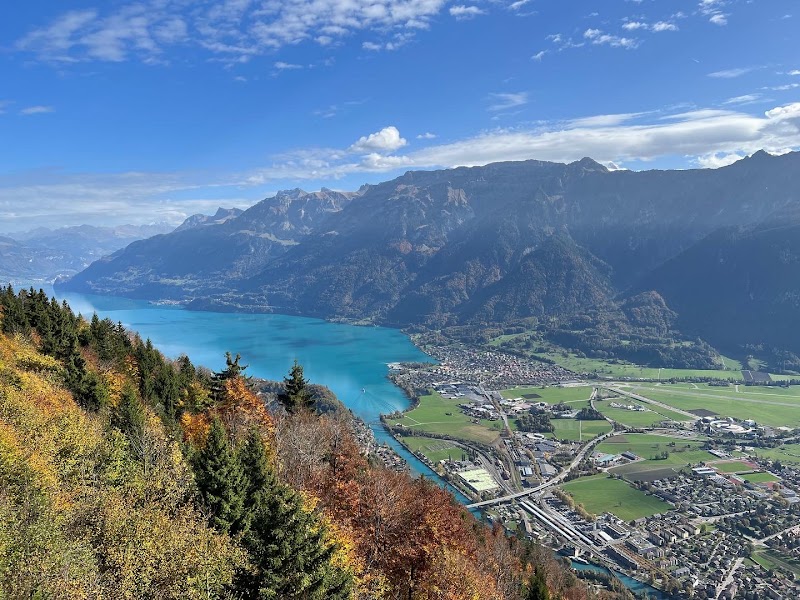
Harder Kulm
Interlaken Ost · 120 minMoney-Saving Tips
- 1.Buy a Swiss Half Fare Card for CHF 120 if you're staying more than 4 days — it cuts all train and cable car prices in half
- 2.Pack lunch from the Thursday farmers market instead of buying overpriced mountain restaurant food
- 3.Book adventure activities directly with operators rather than through hotels to avoid commission markups
- 4.Stay in Unterseen or Bonigen instead of central Höheweg to save €100+ per night on accommodation
- 5.Visit in September for summer weather without peak season prices — hotels drop rates by 30%
- 6.Take the first train to Jungfraujoch at 6:25 AM for clearer weather and smaller crowds
Travel Tips
- •Download the SBB Mobile app for real-time train schedules and digital tickets throughout Switzerland
- •Bring layers even in summer — mountain weather changes quickly and cable car stations are always cold
- •Book popular restaurants like Restaurant Taverne at least 2 days ahead during peak season
- •Check weather conditions before booking expensive mountain railways — clouds can ruin the views
- •Learn basic German phrases — many locals speak English but appreciate the effort
- •Carry cash as many smaller mountain restaurants and cable cars don't accept cards
- •Pack waterproof gear year-round — afternoon thunderstorms are common in the Alps