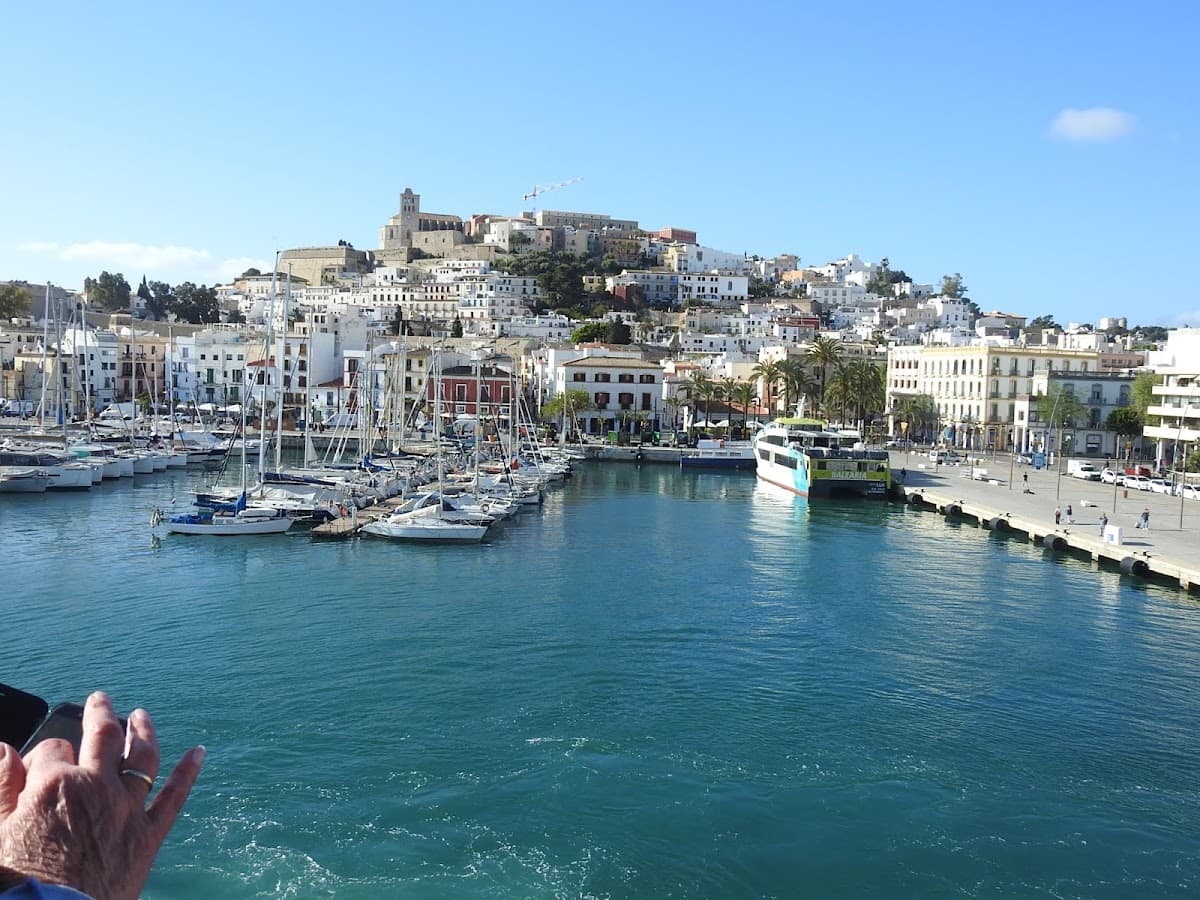
Ibiza
Mediterranean party island with hidden bohemian soul and beaches
Ibiza isn't just about foam parties and superclub DJs spinning until dawn. Sure, that reputation built this Mediterranean island's fame, but dig deeper and you'll find yoga retreats in Es Vedra's shadow, family-run chiringuitos serving grilled sardines, and beaches where the only sound is waves lapping against red cliffs. The party scene still pulses through San Antonio and Ibiza Town, but venture to Formentera's ferry dock at sunset or hike the northern coast near Portinatx, and you'll understand why artists and free spirits have called this place home for decades. Here's how to experience both sides of the White Isle.
Best Months
MAY – OCT
~28°C · moderate crowds
Culture & Context
CATALAN HEART, CLUB FACADE
Ibiza has a layered identity that's easy to miss if you only come for the clubs. The island has been invaded, traded through, and colonized by Phoenicians, Greeks, Carthaginians, Romans, Vandals, Byzantines, Moors, and Catalans over roughly 2,700 years, and each left something behind. The old town, Dalt Vila, was fortified during the Renaissance and is a UNESCO World Heritage Site.
Those walls held off actual pirate raids. The coastal watchtowers you'll see in San José were built for the same reason. The official language is Catalan, specifically a local dialect called Eivissenc or Ibicenco.
Road signs all use it. Locals use it in daily conversation. It's not a dialect of Spanish but a separate Romance language, and its use was banned during the Franco dictatorship, which means its revival is something residents feel strongly about.
Spanish works everywhere and English is widely spoken in tourist areas. But a few words of Catalan will change how locals respond to you. The island has roughly 164,000 year-round residents with about 30% being international expats, mostly British, German, Italian, and Dutch.
Outside the summer months, Ibiza is a quiet, genuinely local place where the real culture of the island comes through. The traditional Eivissa market in Sant Jordi on Saturdays, the organic farm restaurants in the north, and the village squares of Santa Gertrudis are much closer to the island's real character than anything happening at Ushuaïa.
Local Customs
LATE DINNERS, CATALAN RESPECT
The greeting standard in Spain applies here too: two kisses on the cheek (start with the right) between people who know each other, or a handshake for formal first meetings. Don't be surprised if a bartender you met yesterday goes straight for the kiss.. Dinner happens late.
Most restaurants don't fill up until 9:30pm or 10pm. Showing up at 7pm signals tourist instantly, and some kitchens genuinely aren't ready.. Road signs and official place names are in Catalan, not Spanish.
Ibiza Town is Eivissa, San Antonio is Sant Antoni, Santa Eulalia is Santa Eulària des Riu. Keep that in mind when using GPS or reading bus stops.. Attempting even a few words in Catalan or local Eivissenc earns you real goodwill with locals.
Spanish works fine everywhere, but Catalan in a village bar genuinely changes the energy.. The Ecotasa (Sustainable Tourism Tax) is charged per night and runs roughly €3.30 to €4.
40 depending on accommodation category. It shows up on your bill. It is not a scam and is not optional..
Dress codes at superclubs lean smart casual at minimum. Flip-flops and football shirts get turned away at Pacha's door. Beach clubs are more relaxed, but not completely..
Do not buy club tickets from street touts or unofficial sellers. Counterfeit tickets for big nights like Solomun or Calvin Harris at Ushuaïa are a documented problem. Use official club websites or verified sellers only..
Tap water on the island is technically drinkable but locals and long-term visitors largely stick to bottled water. Restaurants will bring bottled water by default and charge for it. Ask for 'agua del grifo' (tap water) if you want to skip the charge..
Tipping is not mandatory and not as expected as in the US, but rounding up or leaving a euro or two after a good meal is appreciated, especially at smaller local restaurants.. Beach etiquette: reserve your spot with a towel but don't leave and claim it all day with no one there. In peak season, loungers at beach clubs fill by 10am.
Some popular beaches like Playa d'en Bossa now charge for sun loungers at €20-30 per day at beach club sections.
Safety
WATCH YOUR STUFF
Ibiza is generally safe and relaxed, but there are specific things worth knowing before you arrive. Pickpocketing is the main issue, concentrated in crowded clubs, beaches, and busy streets in Ibiza Town and San Antonio. Front pockets, zip bags, and basic awareness go a long way.
Don't bring anything to the beach you're not prepared to lose. Fake club tickets are a real and documented problem. Street sellers outside clubs peddling discounted tickets to sold-out nights are almost always running a scam.
Buy through official club websites or verified ticket sellers. Unlicensed taxis hang around outside clubs and the airport, especially late at night when queues are long. Charges can be double or triple the legitimate rate, and vehicles may not be insured.
Legal taxis have blue number plates in Ibiza. Use the Taxi-Click app or queue at official stands. Drink spiking happens in the nightlife scene.
Keep an eye on your drink, don't leave it unattended, and don't accept drinks from strangers you just met outside a club. A more recent concern: burglaries targeting luxury villas and apartments rose in 2024, particularly in Santa Eulària and Sant Josep. Use accommodation safes and lock up properly.
The north of the island (Sant Joan, Santa Eulalia) is genuinely calm and low-risk. Busier zones like San Antonio's West End and Playa d'en Bossa require more alertness, particularly after 2am. Also worth noting: Spain's minimum daily financial requirement for non-Schengen visitors is €122 per person per day in 2026.
Border officials can ask for proof of funds.
Getting Around
BUSES & DISCOBUS
From April 1, 2026, the island's bus network switched to a new operator, Alsa, with an upgraded fleet (many electric buses), additional routes, and new timing. It's a meaningful improvement worth knowing about. The main bus station sits at CETIS in Ibiza Town on Avenida Isidoro Macabich.
Bus fares run €1.85-4.00 for most daytime routes.
The L10 goes directly from the airport to Ibiza Town in about 15 minutes for €3-5. The L9 runs from the airport through San Josep to San Antonio. Buy tickets from the driver in cash (smaller bills help) or use the new Alsa app for real-time schedules.
Then there's the Discobus. It runs May 30 to September 30, connecting San Antonio and Playa d'en Bossa with every major club (Amnesia, Ushuaïa, Pacha, DC10) from late afternoon until 6am. Two routes, D1 and D3, cover all the main venues.
In 2026 they've added D2 and D4 lines, plus a dedicated service to the new [UNVRS] venue from San Antonio. Cost is around €4 per trip. For taxis, use the Taxi-Click app or official white taxis with blue number plates.
Avoid anyone offering rides outside clubs in unmarked cars. The Balearic government sets official taxi rates, so if a driver quotes something that feels off, trust your instinct. Renting a car or scooter is worth it if you want to reach remote beaches in the north.
Parking in Ibiza Town and Playa d'en Bossa in August is a genuine headache. Ferries connect Ibiza Town to Formentera (about 30-40 minutes) and to coastal coves during summer. Worth doing at least once.
Useful Phrases
Ibiza Itineraries
View all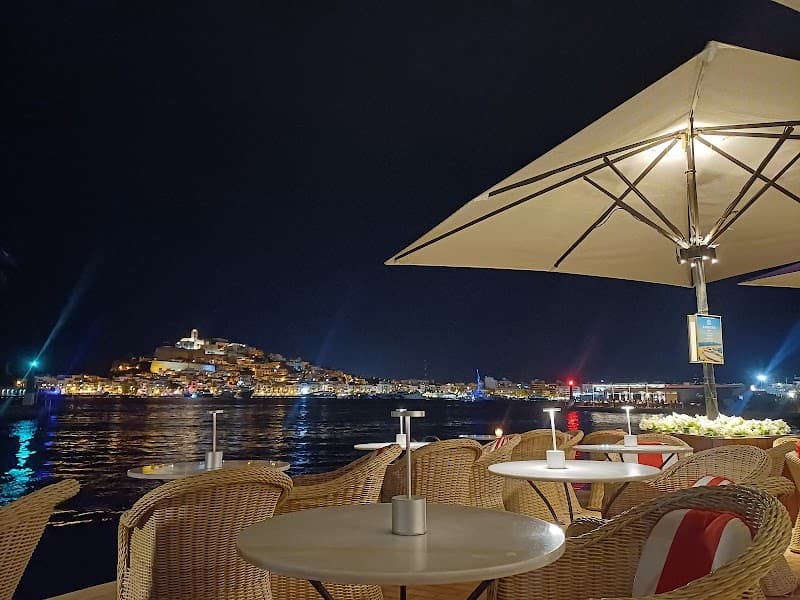
Ibiza Wild Coves & Hilltop Old Town Escape
Week · $$$
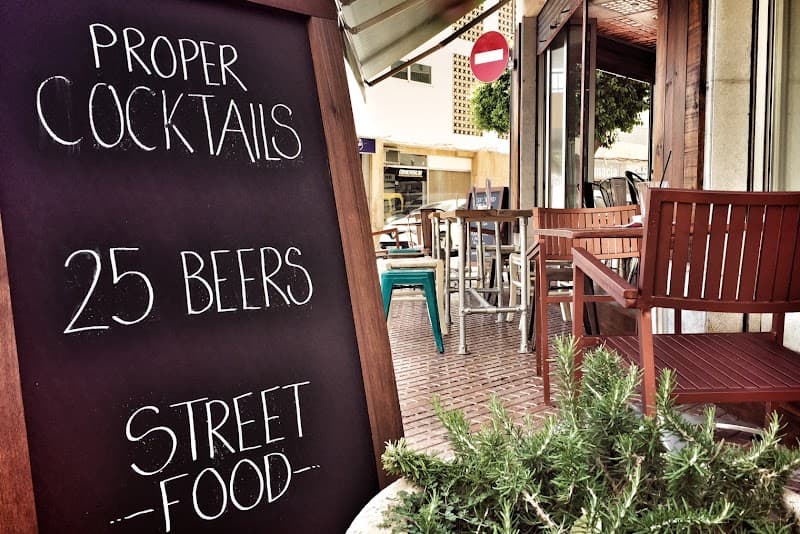
Quiet-Side Ibiza: Jungly Coves & Soulful Solo Wandering
Weekend · $$$
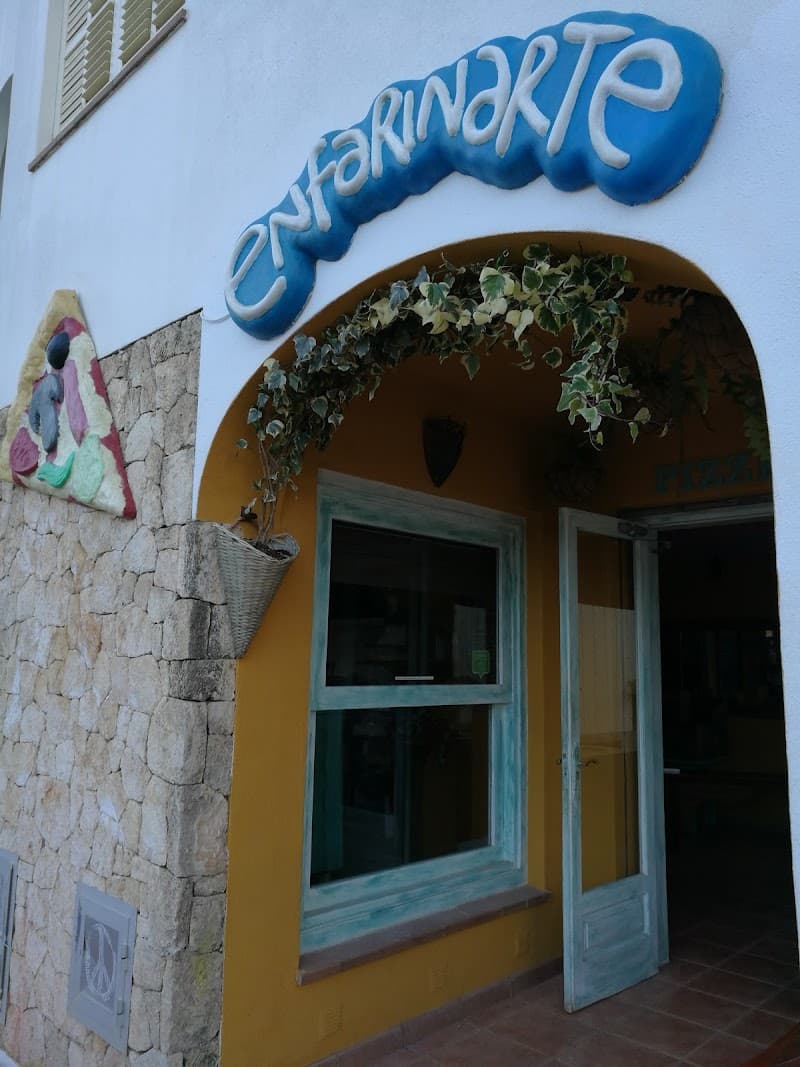
Wild & Serene: A Three-Day Solo Escape in Ibiza
Day Trip · $$$
Jungle-Wild Ibiza for Two: Calm Shores, Pines, and Sunset Romance
Week · $$$
Ibiza Romance: Old Town, Quiet Coves, and Jungle-Wild Sunset
Weekend · $$$
Romantic Ibiza: Quiet Coves, Old Town, and Pine-Scented Escapes
Day Trip · $$$
Where to Stay in Ibiza
9 recommended properties


Things to Do in Ibiza
Talamanca Beach Walk
Talamanca · 120 min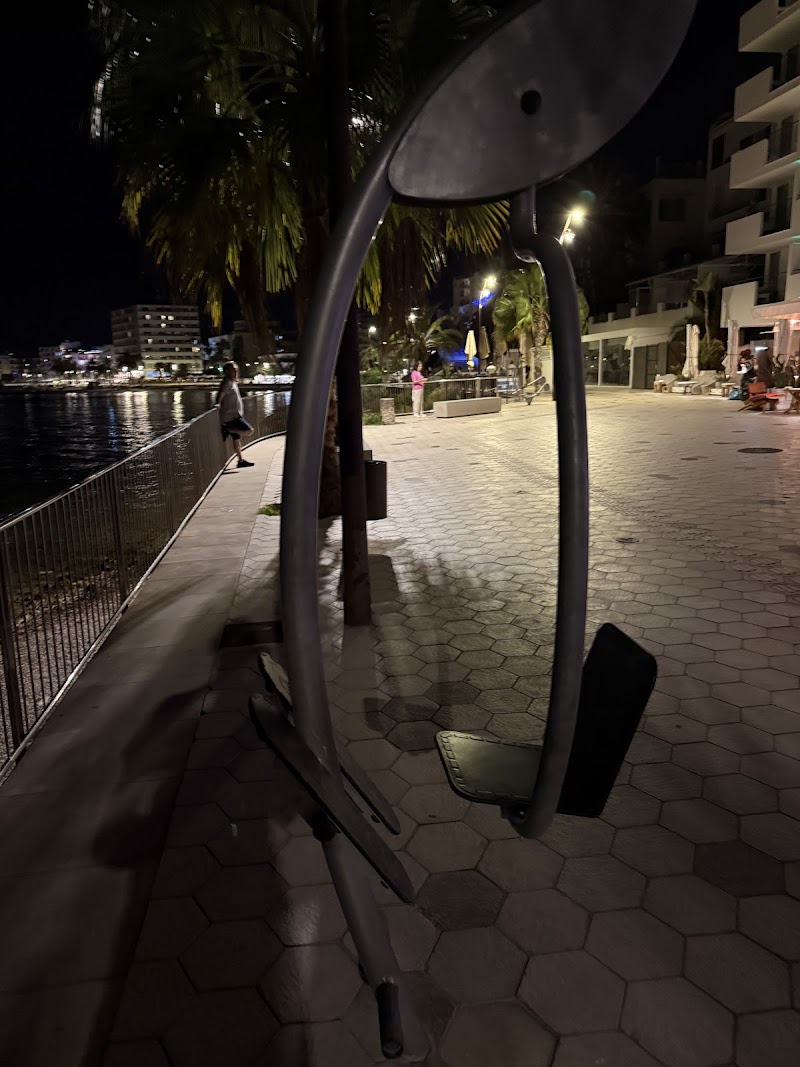
Paseo Marítimo to Figueretas
Ibiza Town Waterfront · 90 min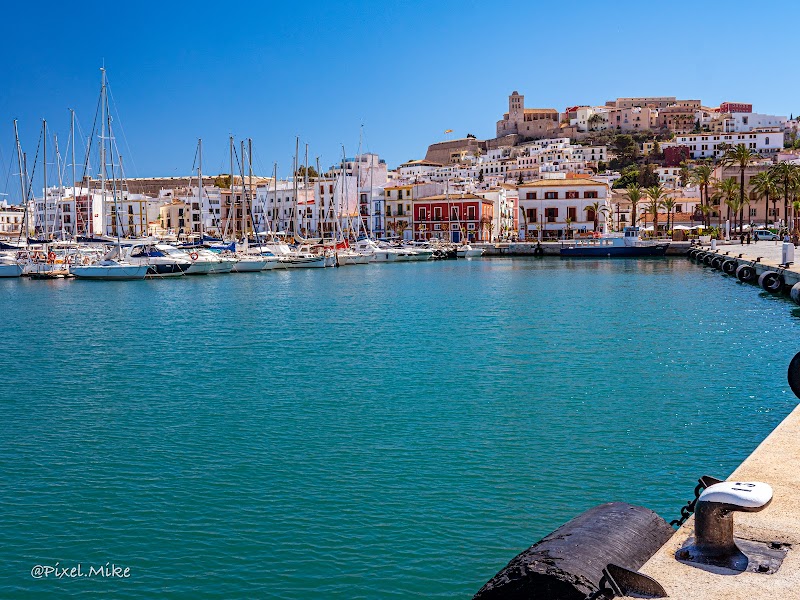
Santa Eulària Promenade and Marina
Santa Eulària des Riu · 120 minMoney-Saving Tips
- 1.Skip beachfront restaurants for lunch – walk 5 minutes inland and prices drop by 40%
- 2.Buy groceries at Eroski or Mercadona, not tourist mini-markets that charge €8 for water
- 3.Rent scooters by the week (€120) instead of daily rates to save €50+
- 4.Pre-drink at your hotel – clubs charge €15-20 for basic cocktails
- 5.Visit beaches before 11 AM when parking is free in most areas
- 6.Book ferry tickets online in advance for 20% discounts on Formentera trips
- 7.Eat at chiringuitos (beach shacks) instead of formal beach clubs for similar food at half the price
Travel Tips
- •Download offline maps – cell service gets spotty in northern coastal areas
- •Bring reef-safe sunscreen – many beaches now ban chemical sunblocks
- •Pack a reusable water bottle – public fountains are common in towns
- •Learn basic Spanish phrases – locals appreciate the effort, especially outside tourist zones
- •Carry cash – many small restaurants and beach bars don't accept cards
- •Book restaurant reservations 2-3 days ahead in summer, especially for sunset spots
- •Wear closed-toe shoes for hiking – trails can be rocky and thorny
- •Check club dress codes online – some venues ban flip-flops and shorts
- •Bring a portable phone charger – you'll be taking photos all day
- •Pack light layers for evening – sea breezes can make 25°C feel chilly