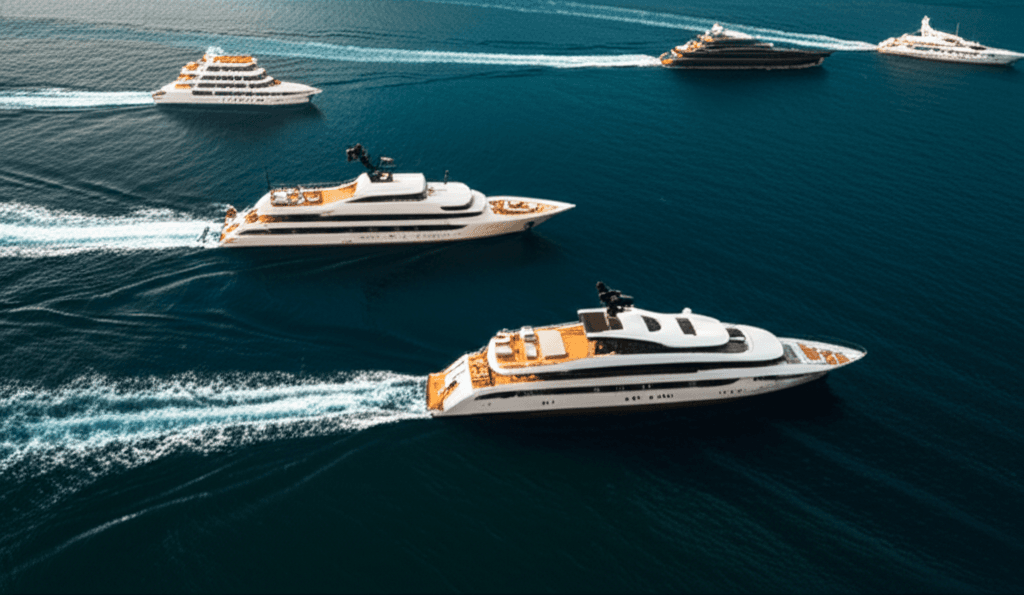
Amalfi Coast
Italy's legendary coastline of clifftop villages and azure seas
The Amalfi Coast isn't just another pretty coastline. It's 50 kilometers of pure drama carved into limestone cliffs, where lemon groves cling to impossible slopes and medieval towns tumble toward the sea like scattered dice. Sure, it's touristy. But there's a reason this UNESCO World Heritage site has been seducing visitors since Roman times. The light here hits different — golden hour stretches from 4pm to sunset, painting everything in honey and rose gold. And yes, you'll pay tourist prices for that limoncello, but one sip while watching the sun melt into the Tyrrhenian Sea makes every euro worth it.
Best Months
APR · MAY · JUN · SEP · OCT
~22°C · moderate crowds
Culture & Context
MARITIME REPUBLIC LEGACY
Amalfi was a serious power once. Between the 9th and 13th centuries it was one of the dominant maritime republics in the Mediterranean, trading on equal footing with Venice and Genoa. That history is still physically present — the Cathedral holds the relics of Saint Andrew the Apostle, brought here from Constantinople in 1206.
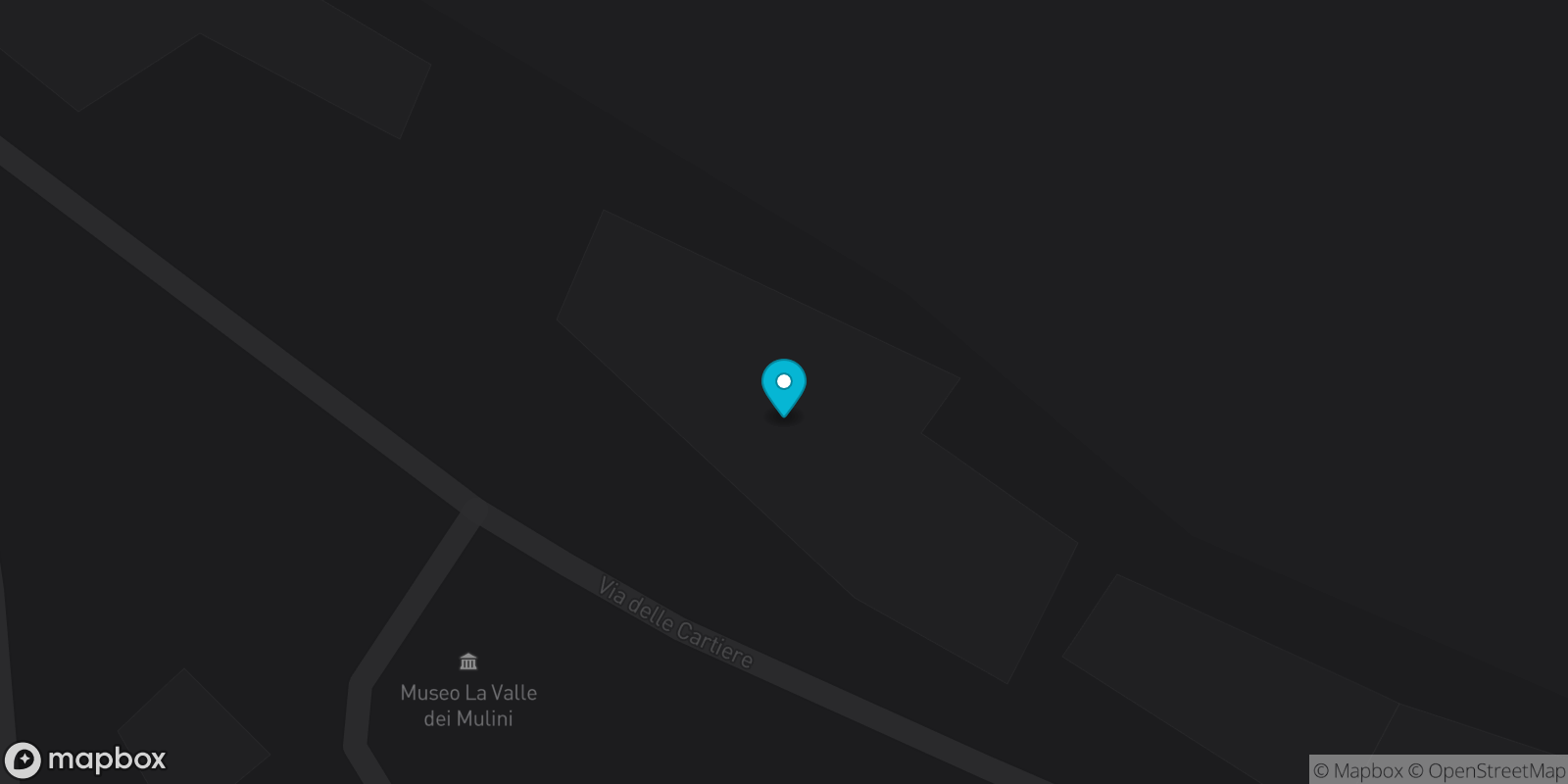
The town also invented the nautical compass and gave the world scialatielli pasta, a wide, rough-cut noodle made right here. Paper-making was a core industry for centuries, and the Museo della Carta (Paper Museum) in an old mill on Via delle Cartiere still demonstrates the craft live. The culture is tied deeply to the sea, the church, and the lemon groves that terrace up the hillsides.
Locals follow the passeggiata — the evening stroll through Piazza del Duomo in proper clothes. Showing up to dinner in swim shorts will earn you looks. Bella figura (presenting yourself well) matters here.
The town only has around 4,700 permanent residents, so from Easter through October, the crowds genuinely outnumber the locals by a staggering margin.
Local Customs
DRESS FOR THE PASSEGGIATA
Stand at the bar to drink your coffee. Sitting down at a table can cost €5 for the same espresso that costs €1.30 at the bar.
This isn't a tourist surcharge trick — it's just how Italian coffee culture works.. Dress for dinner. Amalfi locals take the passeggiata seriously — the evening stroll through Piazza del Duomo is done in proper clothes, not beachwear.
Sorrento has an actual €500 fine for walking through town in a bikini or swim shorts. Amalfi isn't that strict, but flip-flops to dinner will get you the look.. Cover charges (coperto) on restaurant bills are normal, not a scam.
Expect €1.50–3 per person. Service is sometimes added at 10–15% too — read the bill before adding more.
Tipping isn't obligatory in Italy, but leaving €5–10 for excellent service at dinner is appreciated.. Churches are active places of worship, not just photo backdrops. Cover shoulders and knees before entering the Duomo di Sant'Andrea or any church on the coast.
Visiting early morning or late afternoon avoids both the crowds and the awkwardness of pushing through a service.. Don't rent a car unless you genuinely enjoy stress. The SS163 is narrow, winding, full of tour coaches, and has almost no parking in peak season.
Parking in Amalfi town costs €4–5/hour at Luna Rossa or Flavio Gioia. The SITA bus and Travelmar ferry will get you everywhere with far less grief.. Buy your SITA bus tickets before you board — at tabacchi shops, newsstands, or vending machines at major stops.
Trying to pay on the bus doesn't work. A 24-hour unlimited pass costs around €10 and is worth it if you're doing multiple towns in one day.. The miracle of manna during Sant'Andrea celebrations is deeply meaningful to locals.
Treat it with respect. This isn't a performance for tourists — it's a genuine religious event that the town has honored for over 700 years.
Safety
WATCH THE ROAD, NOT PICKPOCKETS
Amalfi is genuinely safe. Violent crime is rare. The main risks are the practical kind: the SS163 coastal road is narrow, fast-moving, and has blind curves — don't walk along it if you can help it, and cross carefully.
Pickpockets operate in the main piazza and on crowded SITA buses during peak season, particularly July and August. Keep bags in front of you on packed buses. The sun in southern Italy is aggressive even in October.
Sunscreen is more expensive here than at home — bring your own. Medicines like paracetamol and antihistamines are pharmacy-only in Italy and cost more than in the US or UK; pack basics. Ferry services can be cancelled without much warning if seas get rough.
If waves over 200cm are forecast, expect delays or cancellations, particularly on the Capri routes. Check the Meteo Mare forecast before booking boat day trips. The hiking trails above Amalfi (Valle delle Ferriere, Path of the Gods) are well-maintained but genuinely steep.
Wear proper shoes, not sandals. Heat exhaustion is a real risk on summer afternoon hikes.
Getting Around
FERRY OR SITA BUS
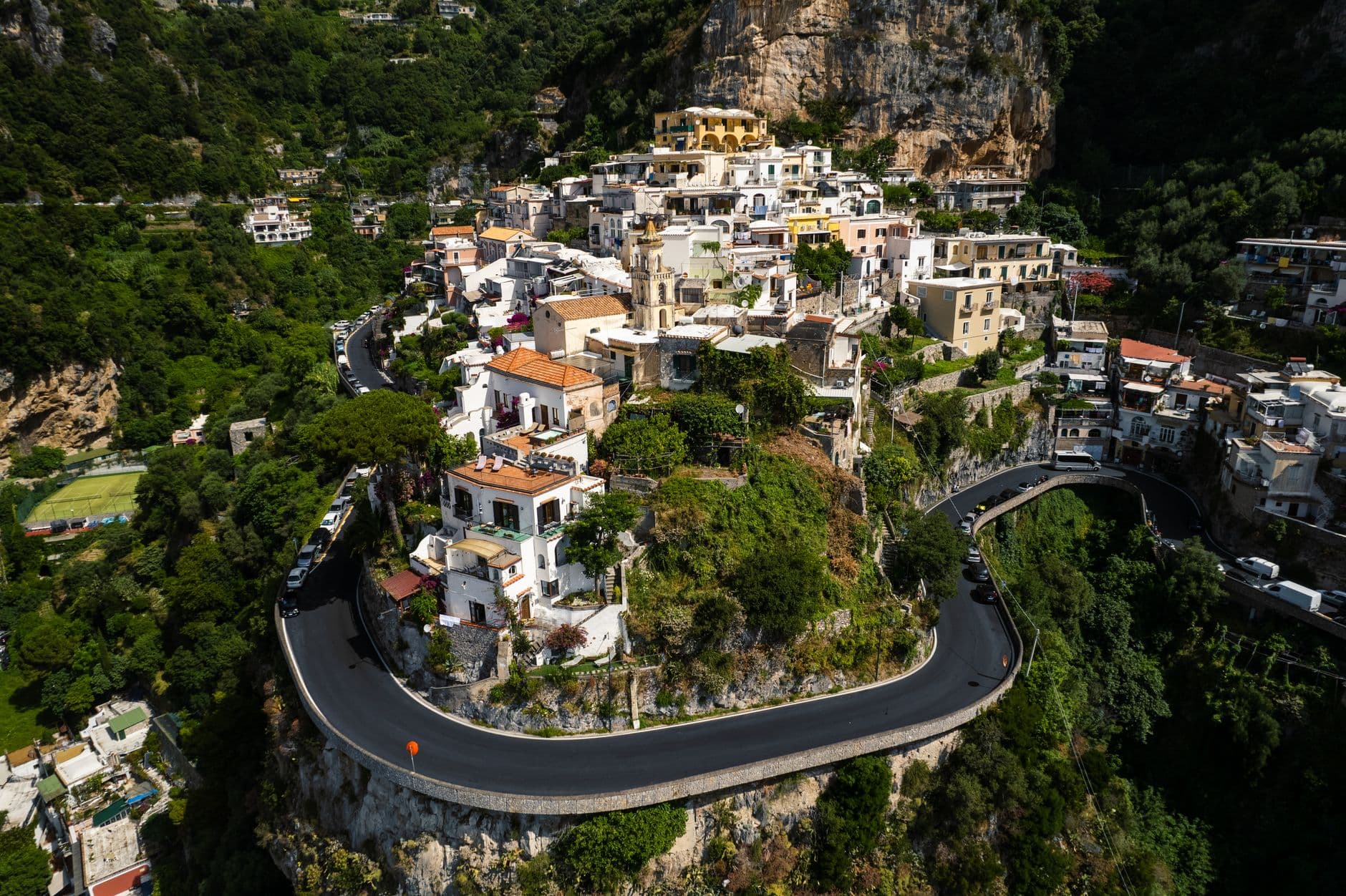
The single coastal road — SS163, known as the Amalfi Drive — connects all 13 towns. It is one lane in places, has no guardrails in some sections, and gets genuinely gridlocked in July and August. Don't rent a car unless you're visiting in the off-season or specifically want the experience.
The SITA bus network runs along SS163 and is the cheapest option at €2–6.80 per ride depending on distance. Buy tickets at tabacchi shops before you board — you cannot pay on the bus.
A 24-hour pass costs around €10. Buses are frequent but seriously overcrowded in summer; board at the start of a route if possible. Ferries run April through October via Travelmar and connect Positano, Amalfi, Maiori, and Salerno.
Amalfi to Salerno costs around €8–10 each way. Ferries are slower than buses on some routes but far more pleasant, and they give you the view of the coastline that you actually came here for. From Naples Airport, the most efficient route is the Curreri Viaggi bus to Sorrento (about €13, 75–90 minutes), then a SITA bus or ferry along the coast.
Alternatively, take the Circumvesuviana train from Naples to Sorrento (about €4.60, 70 minutes). Private transfers from the airport run €100–150 per car.
Park-and-ride is possible in Vietri sul Mare or Salerno — leave the car, take the ferry in. Parking in Amalfi town at Luna Rossa (underground, inside a coastal rock tunnel) costs around €4–5/hour.
Useful Phrases
Explore Subregions
Explore the Region
Money-Saving Tips
- 1.Book accommodations in Sorrento or Salerno and day-trip to Amalfi Coast towns — you'll save 50-70% on hotel costs
- 2.Buy SITA bus day passes (€8) instead of individual tickets if you're visiting multiple towns
- 3.Eat lunch at beach clubs before 1pm for cheaper prices — many offer €15-20 fixed menus
- 4.Shop for limoncello at local producers like Limonoro instead of tourist shops — half the price, double the quality
- 5.Visit in shoulder season (April-May, September-October) for 30-40% lower accommodation rates
- 6.Take ferries instead of water taxis between towns — €8 vs €25 for the same route
- 7.Buy groceries in Sorrento or Salerno before heading to coast towns where prices double
Travel Tips
- •Download the SITA bus app for real-time schedules — buses can run 20-30 minutes late in summer
- •Pack comfortable walking shoes with good grip — everything is stairs and steep stone paths
- •Make dinner reservations at least 3 days ahead, especially in Positano and Ravello
- •Bring a portable phone charger — you'll be taking photos constantly and GPS drains batteries fast
- •Check ferry schedules daily — rough seas cancel services with little notice
- •Learn basic Italian numbers and phrases — English isn't widely spoken outside major hotels
- •Pack layers even in summer — coastal breezes can make evenings surprisingly cool
- •Book sunset dinner spots by 2pm — prime terrace tables fill up fast
Frequently Asked Questions
Explore Amalfi Coast
BUILD YOUR
AMALFI COAST PLAN
Insider picks, smart timing, and a plan ready when you are.
Start Planning