Bernese Oberland
Alpine peaks and pristine lakes define mountain paradise
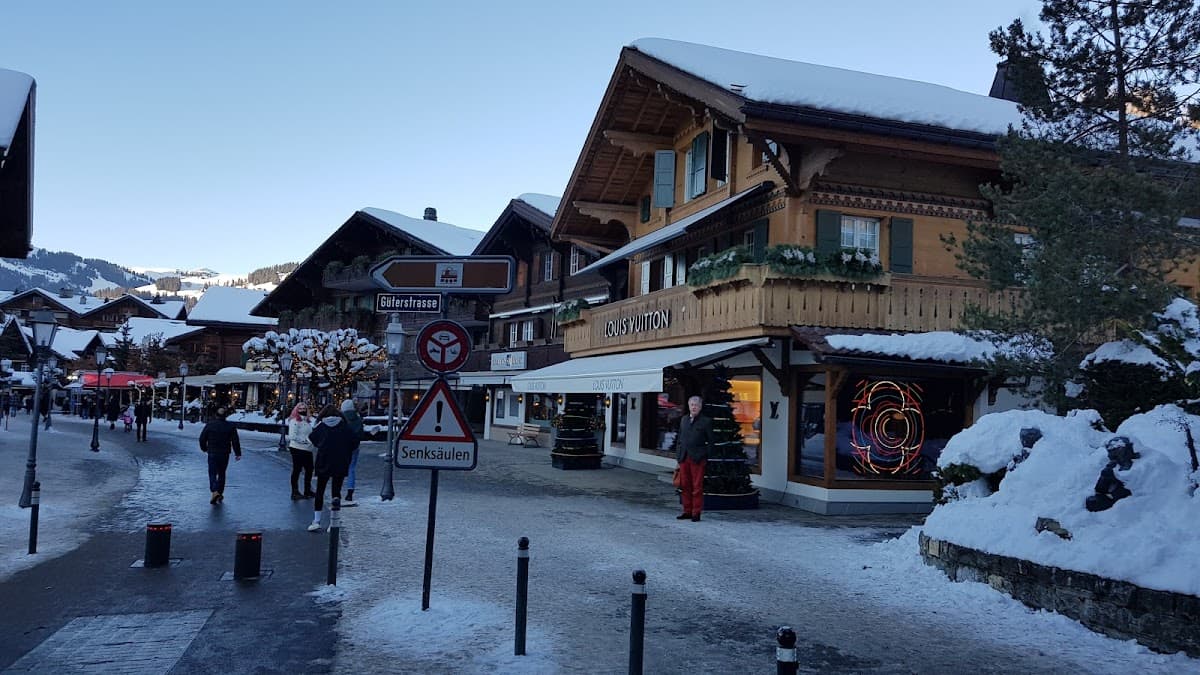
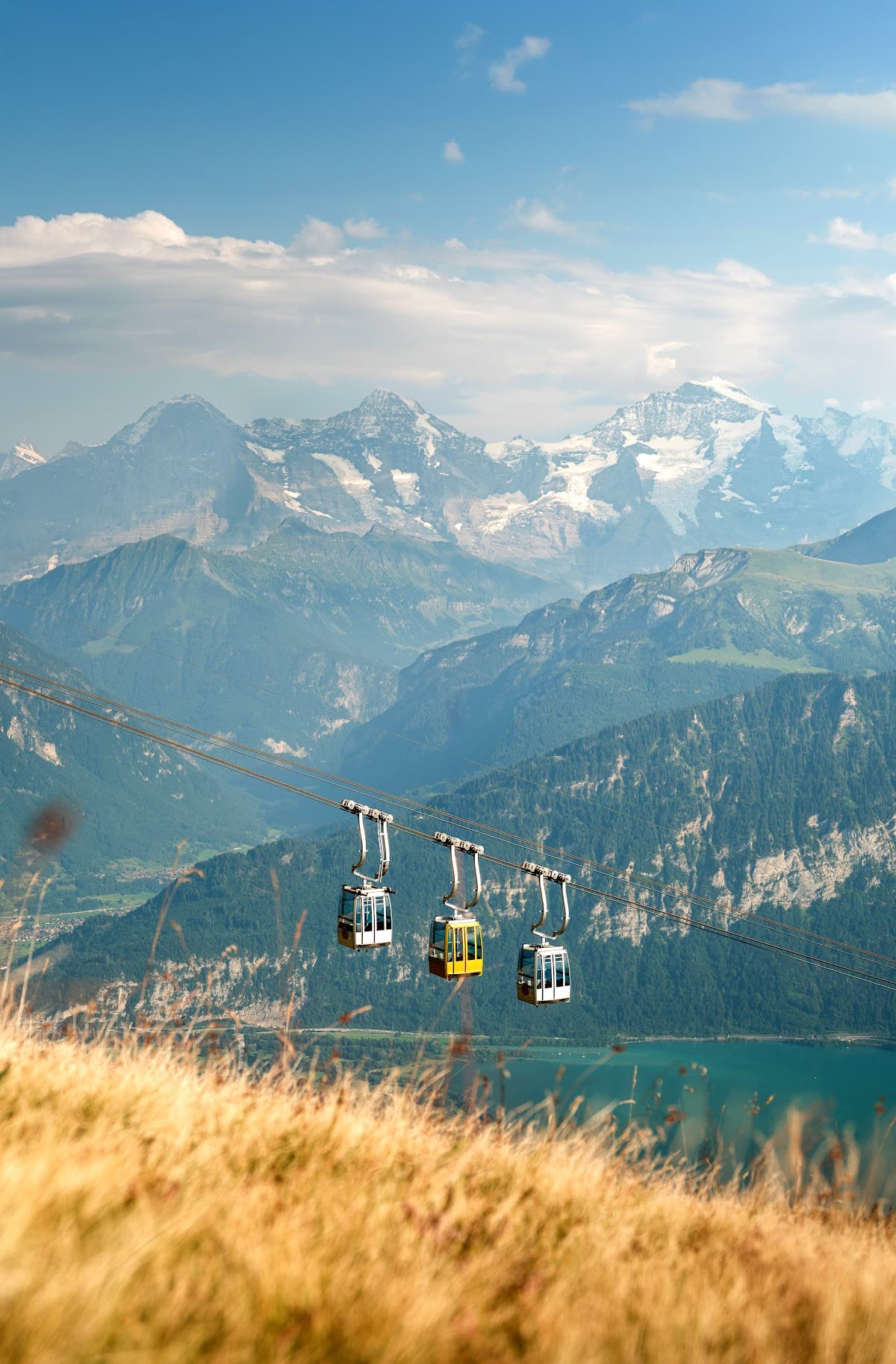
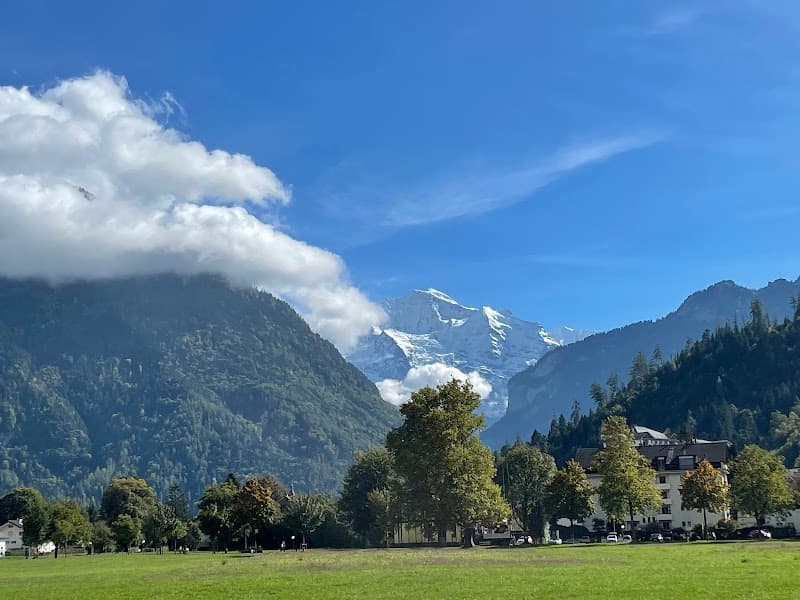
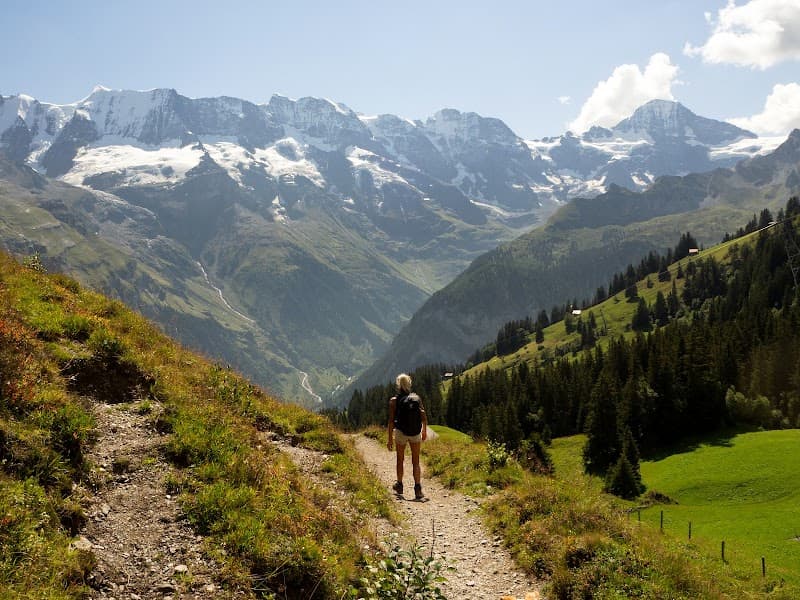
The Bernese Oberland isn't just another Swiss region — it's the Switzerland you see on postcards made real. Here, the Eiger's north face looms over emerald valleys while Lake Thun reflects snow-capped peaks like a mirror. You'll find yourself riding cogwheel trains to 11,000-foot viewpoints one day and sipping wine by a lakeside terrace the next. This is where adventure seekers come to paraglide off the Schilthorn, families discover their kids can actually hike without complaining, and couples realize why Switzerland invented the honeymoon suite. But here's the thing: it's expensive, the weather can be moody, and those Instagram-famous spots get crowded. Still worth it? Absolutely.
Explore Cities
Explore the Region
Money-Saving Tips
- 1.Buy groceries at Coop or Migros instead of eating every meal out — restaurant prices average 30-50 CHF per person
- 2.The Swiss Half Fare Card pays for itself if you're taking more than one mountain railway — saves 50% on most lifts
- 3.Stay in Interlaken or Thun instead of mountain villages to cut accommodation costs by 30-40%
- 4.Pack your own lunch for hiking — mountain hut meals cost 15-25 CHF for basic dishes
- 5.Visit in shoulder seasons (June or September) when hotels drop prices but most attractions stay open
- 6.Take the postal bus to remote valleys — it's included with the Swiss Travel Pass and offers great scenery
- 7.Book mountain railway tickets online in advance for small discounts, especially for Jungfraujoch
- 8.Consider apartment rentals for stays longer than 3 nights — many include kitchen facilities to save on dining
Travel Tips
- •Download the SBB app for real-time train schedules and platform changes — Swiss trains run like clockwork but connections matter
- •Check mountain weather at MeteoSwiss before heading up — conditions can change from sunny to snowy in hours
- •Bring layers even in summer — it's 20°F cooler at 10,000 feet than in the valleys
- •Book popular mountain railways like Jungfraujoch early in the day — afternoon clouds often block views
- •Learn basic German phrases — English works in tourist areas but locals appreciate the effort
- •Carry cash — many mountain huts and small restaurants don't accept cards
- •Start hiking early to avoid afternoon thunderstorms and secure parking spots
- •Respect hiking trail closures — Swiss authorities close dangerous routes for good reasons
- •Try local public transport apps like PostAuto for bus schedules to remote valleys
- •Pack sunglasses and sunscreen — UV rays intensify at altitude even on cloudy days
Frequently Asked Questions
Explore Bernese Oberland
Ready to explore Bernese Oberland?
Get a personalized itinerary in seconds with Takeoff.
Free on iOS. No credit card required.