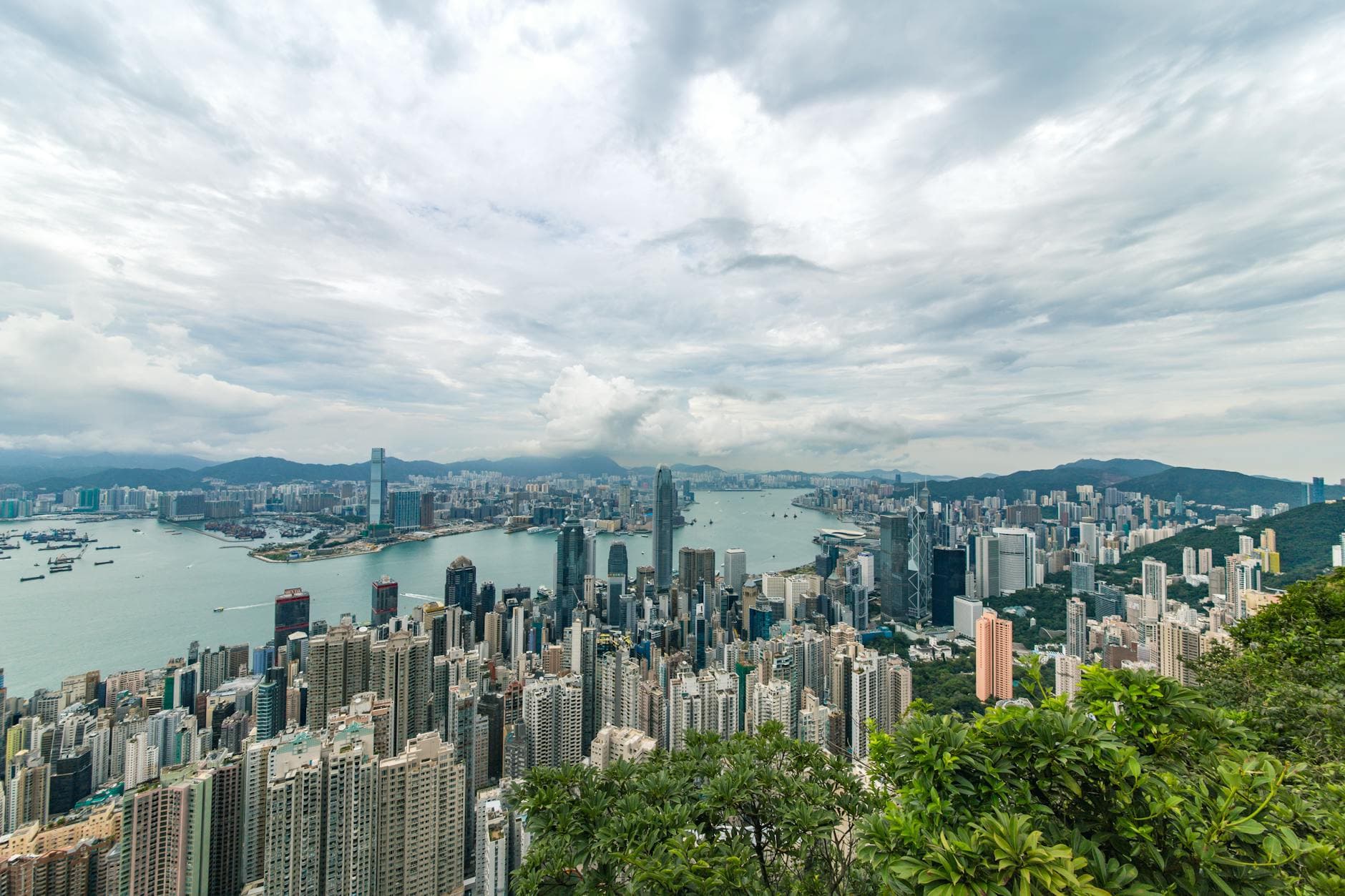
Hong Kong
East meets West in vertical urban splendor
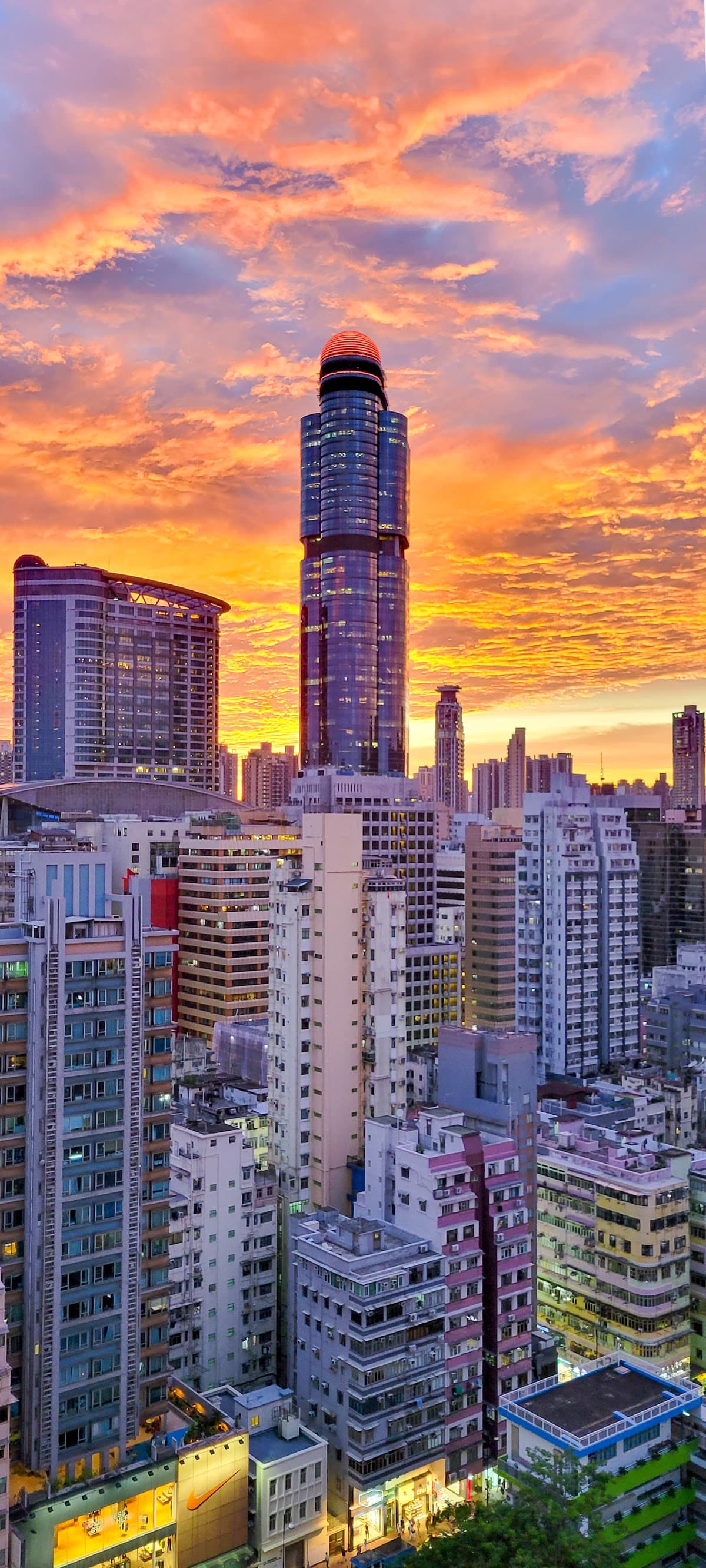
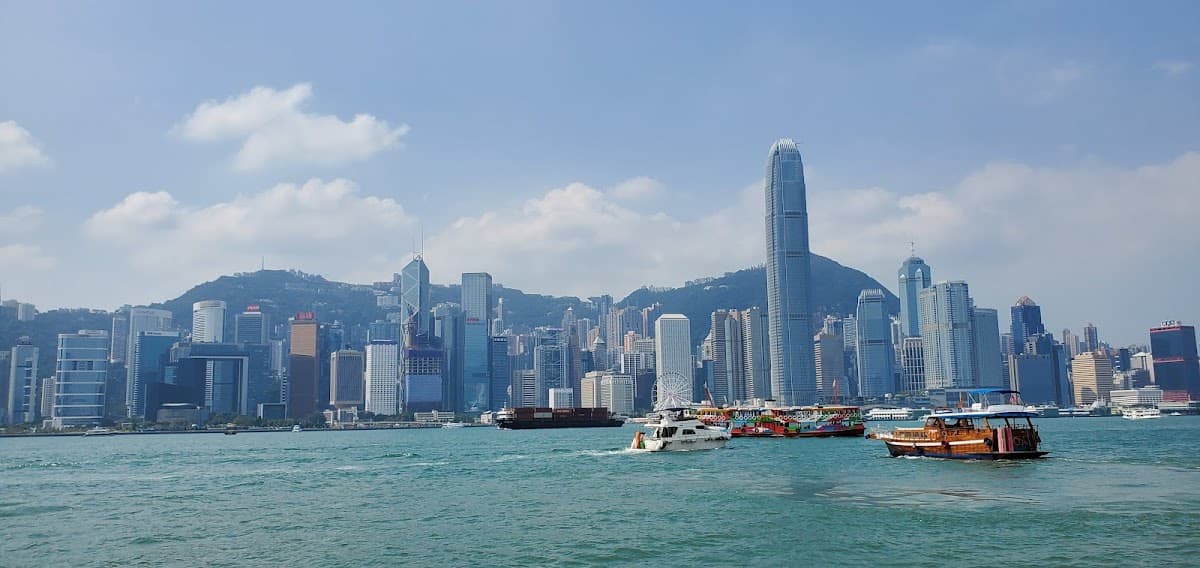
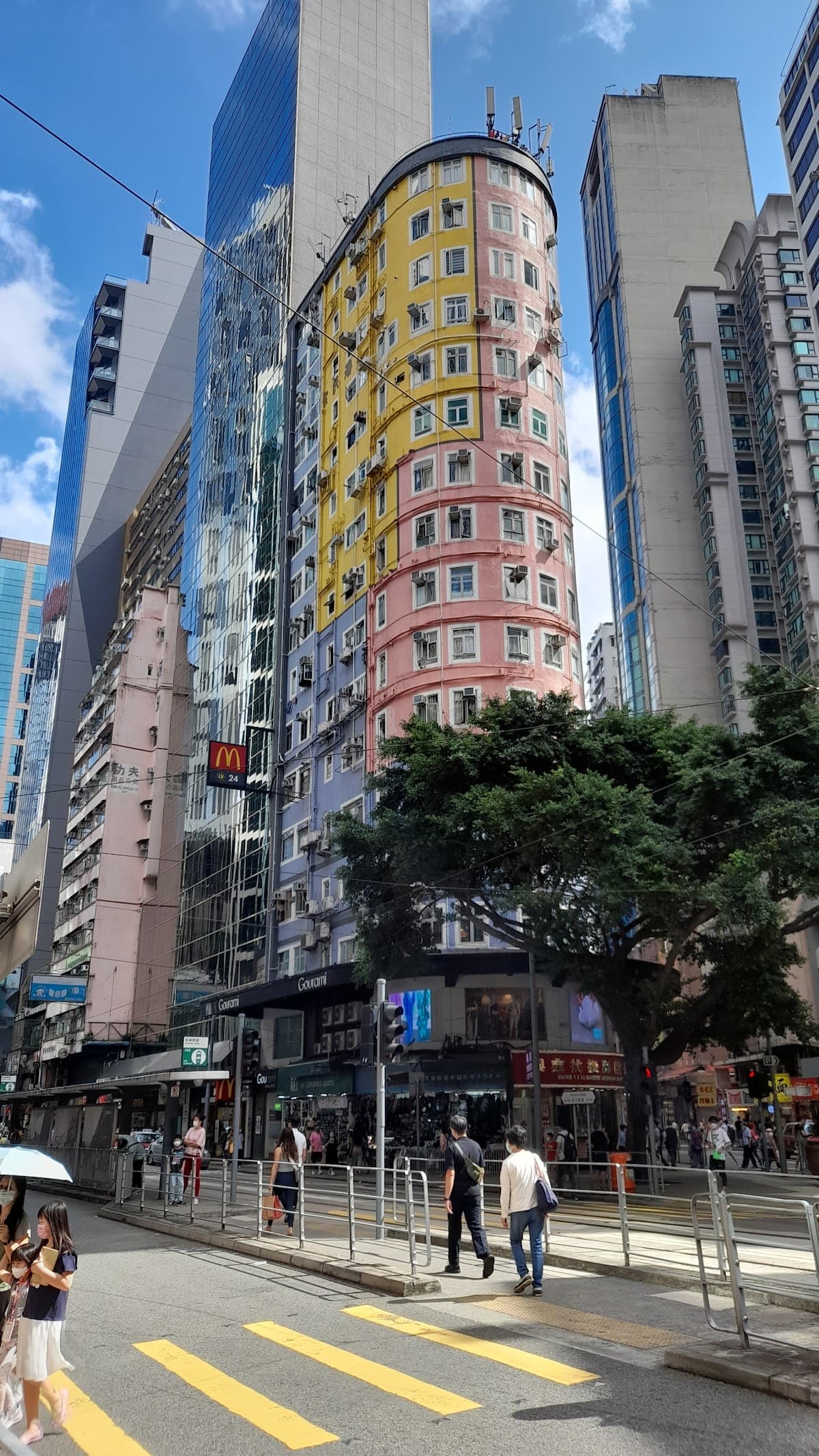
Hong Kong hits different. One minute you're sipping tea in a century-old cha chaan teng, the next you're 118 floors up at Sky100 watching the city pulse below. This vertical metropolis crams more experiences per square mile than anywhere else on earth. Street food vendors dish out fish balls next to Michelin-starred restaurants. Neon-lit temples sit in the shadows of glass towers. And somehow, it all works. The city runs on caffeine, ambition, and the best public transport system you'll ever use. Here's how to navigate this electric collision of East and West.
Best Months
MAR · APR · OCT · NOV · DEC
~24°C · high crowds
Culture & Context
CANTONESE IDENTITY, FAST PACE
Hong Kong is genuinely its own thing. It's not mainland China, and people here will remind you of that distinction if you blur the line. Cantonese is the heartbeat of the city. About 88% of residents speak it as their primary language, and since 2019 there's been an even stronger emphasis on Cantonese as a distinct cultural identity, separate from Mandarin. English works fine in hotels, tourist areas, and with younger locals. Wander into a wet market in Sham Shui Po or a family-run noodle shop in North Point, and you'll want at least a few Cantonese phrases.
The city moves fast. Rush hour (7:30–9:30am and 5:30–7:30pm on weekdays) is not the time to figure out the MTR map. Locals queue for everything. Dim sum, the latest sneaker drop, a temple's bun festival, the ferry. Joining the queue without hesitation is the socially correct move. Food is a central part of daily life here, and "have you eaten yet?" functions as a genuine greeting, not small talk. Dim sum culture, cha chaan tengs (Hong Kong-style diners), and dai pai dongs (open-air food stalls) are all part of the fabric. Don't stick chopsticks upright in your rice bowl — it resembles funeral incense. When someone pours your tea at dim sum, a light two-finger tap on the table is the local way to say thank you without interrupting the conversation.
Local Customs
QUEUE & TAP QUIETLY
Queue for everything. Seriously. Locals line up for dim sum, public toilets, ferry terminals, the latest milk tea, and temple blessings.
Cutting in is genuinely offensive.. On escalators, stand on the right and walk on the left. This is enforced socially and people will stare if you block the left side during rush hour..
No eating or drinking on the MTR. This is a fineable offense and enforcement is real. Finish your bubble tea before you tap in..
At dim sum, tap two fingers lightly on the table when someone pours your tea — it's the silent equivalent of 'thank you' and locals do it automatically.. Never stick chopsticks vertically in a rice bowl. It references incense burned at funerals and will make people uncomfortable..
Don't give clocks, watches, or shoes as gifts. In Cantonese, 'giving a clock' sounds identical to 'attending a funeral.' Shoes imply you want someone to run away from you..
Hand out business cards with both hands, text facing the recipient, accompanied by a slight nod. Receiving one single-handed reads as rude.. Smoking is banned in virtually all public spaces including outdoor restaurant seating.
Fines run up to HK$5,000. Look for ashtrays to identify the designated spots.. Vaping and e-cigarettes are completely banned in Hong Kong.
Do not bring them in your luggage — this is a criminal offense.. CBD products are classified as dangerous drugs in Hong Kong, on par with heroin. Any amount is a serious criminal matter.
Leave all CBD products at home.. Hong Kong drives on the left. Look right before crossing, not left..
Tipping is not obligatory but is appreciated. Most restaurants add a 10% service charge. At cha chaan tengs and dai pai dongs, no tip is expected or necessary..
Keep your voice down in elevators and on public transport. Loud conversations — especially on speakerphone — will earn you cold looks from everyone within earshot.
Safety
WATCH CROWDS & POLITICS
Hong Kong is, by most measures, one of the safer major cities in Asia. Violent crime against tourists is statistically rare. That said, there are real things to know before you go.
The political and legal landscape has changed significantly since 2020. The National Security Law and the 2024 Safeguarding National Security Ordinance are broadly worded, and both the U.S. State Department (Level 2: Exercise Increased Caution) and Australia's Smartraveller (Exercise a High Degree of Caution) flag that these laws can be applied to activities that occurred overseas, including social media posts. Authorities can legally request access to your phone and passwords if you're entering or transiting, including at the airport. Keep your political opinions off public social media during your trip, and don't photograph protests, police operations, or government buildings.
On the practical crime front: pickpocketing happens in crowded spots. Airport arrivals halls, the MTR during rush hour, Temple Street Night Market, and Mong Kok street markets are the prime zones. Don't carry more cash than you need for the day. Drink spiking is a documented problem in Wan Chai and Lan Kwai Fong nightlife areas. Never leave your drink unattended, and decline drinks from strangers — even seemingly friendly ones.
Unlicensed taxis operate near Chungking Mansions and some tourist areas. Always use clearly marked red, green, or blue licensed taxis, or book through HKTaxi app. From April 2026, taxis are legally required to offer at least two electronic payment methods, so cash isn't the only option anymore.
Typhoon season runs May to November. When Hong Kong Observatory raises a Typhoon Signal 8, businesses and transport legally shut down. Download the MyObservatory app and monitor it if you're there in summer. Black Rainstorm warnings work similarly. These systems move fast.
Emergency number is 999. Non-emergency police: 2527 7177.
Getting Around
MTR & OCTOPUS CARD
The MTR is the spine of everything. It covers Hong Kong Island, Kowloon, the New Territories, and Lantau Island, running 11 lines across 98 stations. Trains run from around 5:30am to 1am, arrive every 2–5 minutes, and are clean, air-conditioned, and bilingual in English and Cantonese. Fares run HK$3.50–27 depending on distance. The most useful lines for visitors are the Tsuen Wan Line (red, connects Central with TST and Mong Kok), Island Line (blue, runs along Hong Kong Island's north shore through Sheung Wan, Central, Wan Chai, Causeway Bay), and Tung Chung Line (orange, links Central to the airport area and Lantau).
Get an Octopus Card first. Pick one up at any MTR station or 7-Eleven the moment you arrive. A standard card costs HK$150 (HK$50 refundable deposit plus HK$100 stored value). It works on the MTR, every bus, the Star Ferry, trams, minibuses, cable cars, and even at convenience stores, vending machines, and some restaurants. You can also get the Mobile Octopus version through the app. Contactless credit cards now work at MTR gates, but they don't work on buses, trams, or the ferry — so the Octopus card remains the better call.
For heavy MTR days, the Tourist Day Pass (HK$75) gives unlimited rides for 24 hours, excluding the Airport Express.
The Airport Express takes 24 minutes from Hong Kong International Airport to Hong Kong Station in Central. It's fast and worth the HK$115 fare. You can even check your airline luggage in at Hong Kong or Kowloon stations the day before your flight.
The Star Ferry between TST and Central costs HK$3.70–5.60 and gives you some of the best harbor views in the city. Take it at sunset. The trams — "Ding Dings" — run a flat HK$3.30 fare along the northern strip of Hong Kong Island. Slow but enjoyable; take one through Wan Chai and Causeway Bay at night.
For taxis: red taxis cover urban areas, green cover the New Territories, and blue serve Lantau. Always insist on the meter. Have your destination written in Chinese characters — not all drivers speak English. Uber operates here but in a legal gray area; HKTaxi app connects you with licensed drivers and lets you request a female driver after midnight.
Avoid the MTR between 7:30–9:30am and 5:30–7:30pm on weekdays if you have any flexibility.
Useful Phrases
Explore Neighborhoods
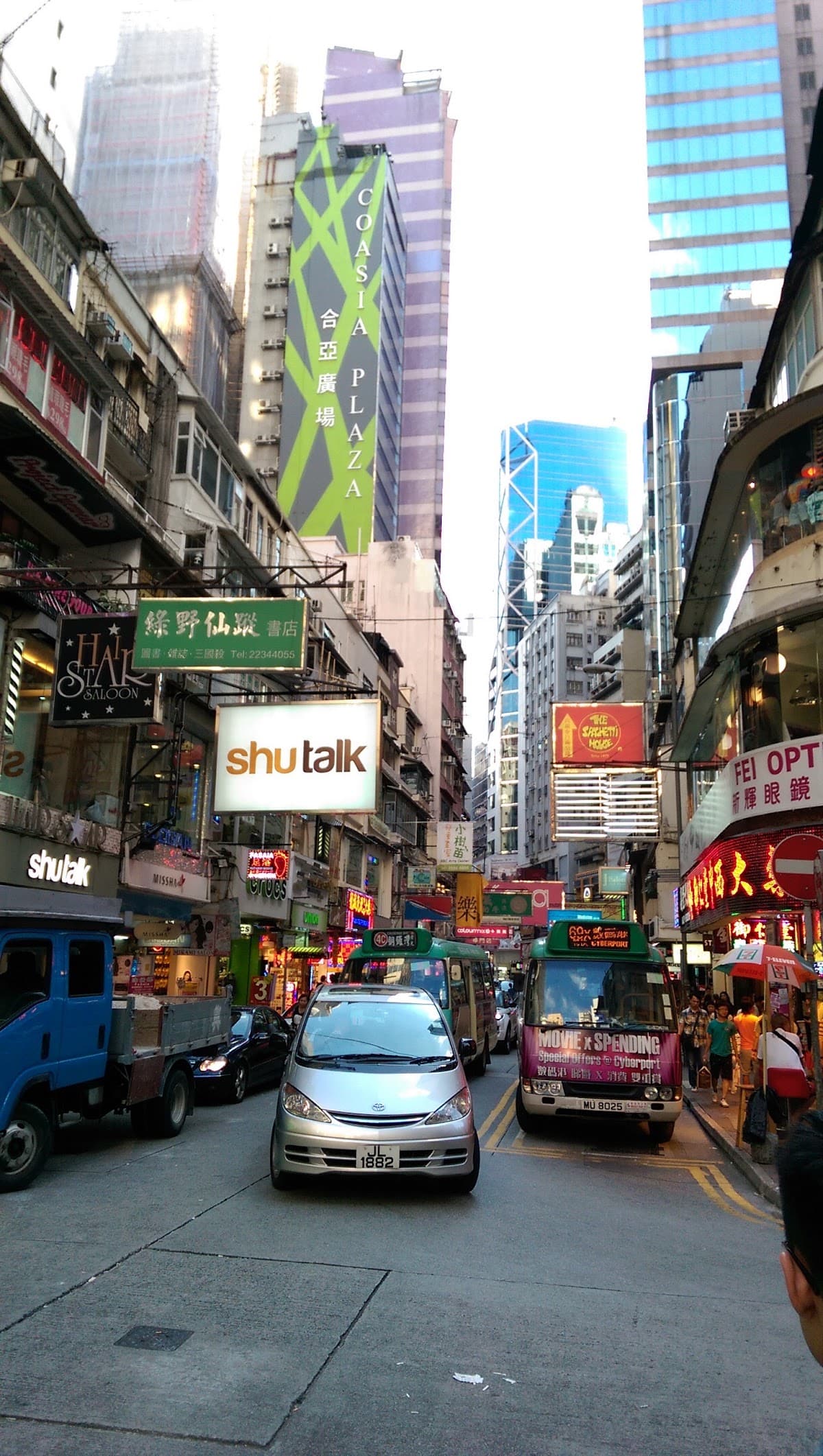
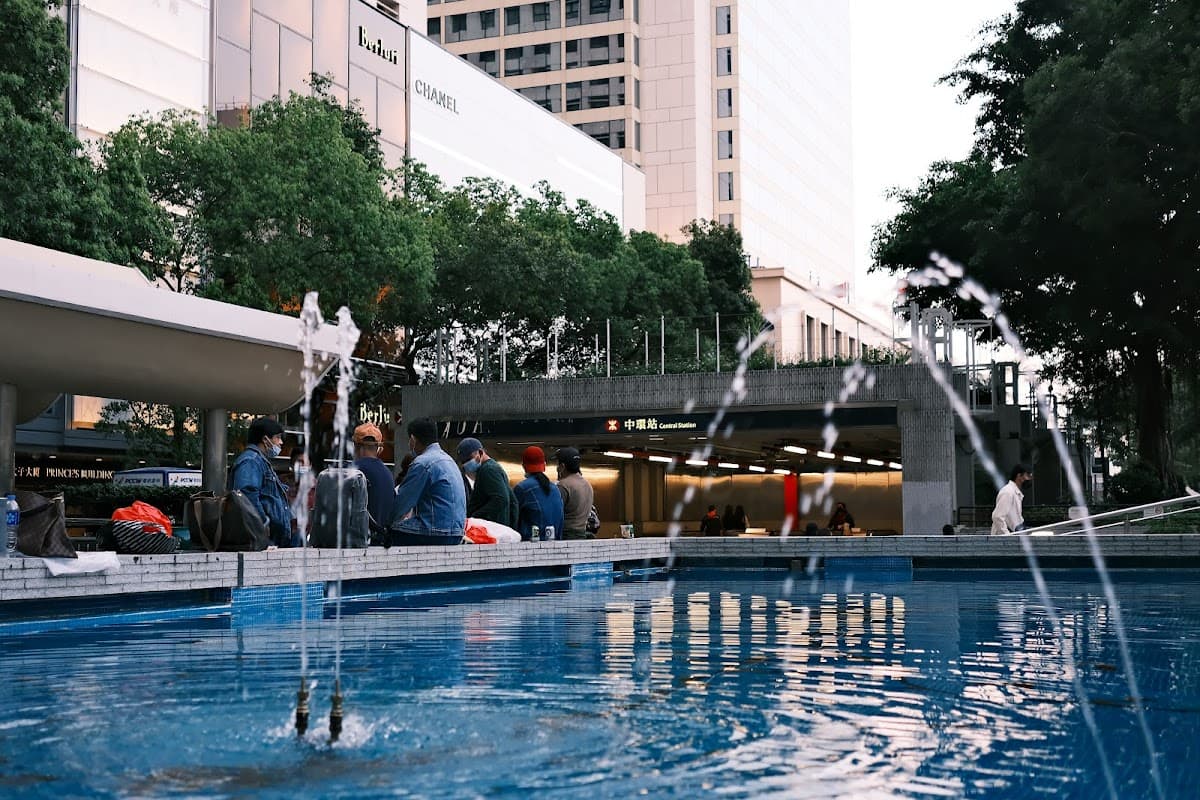
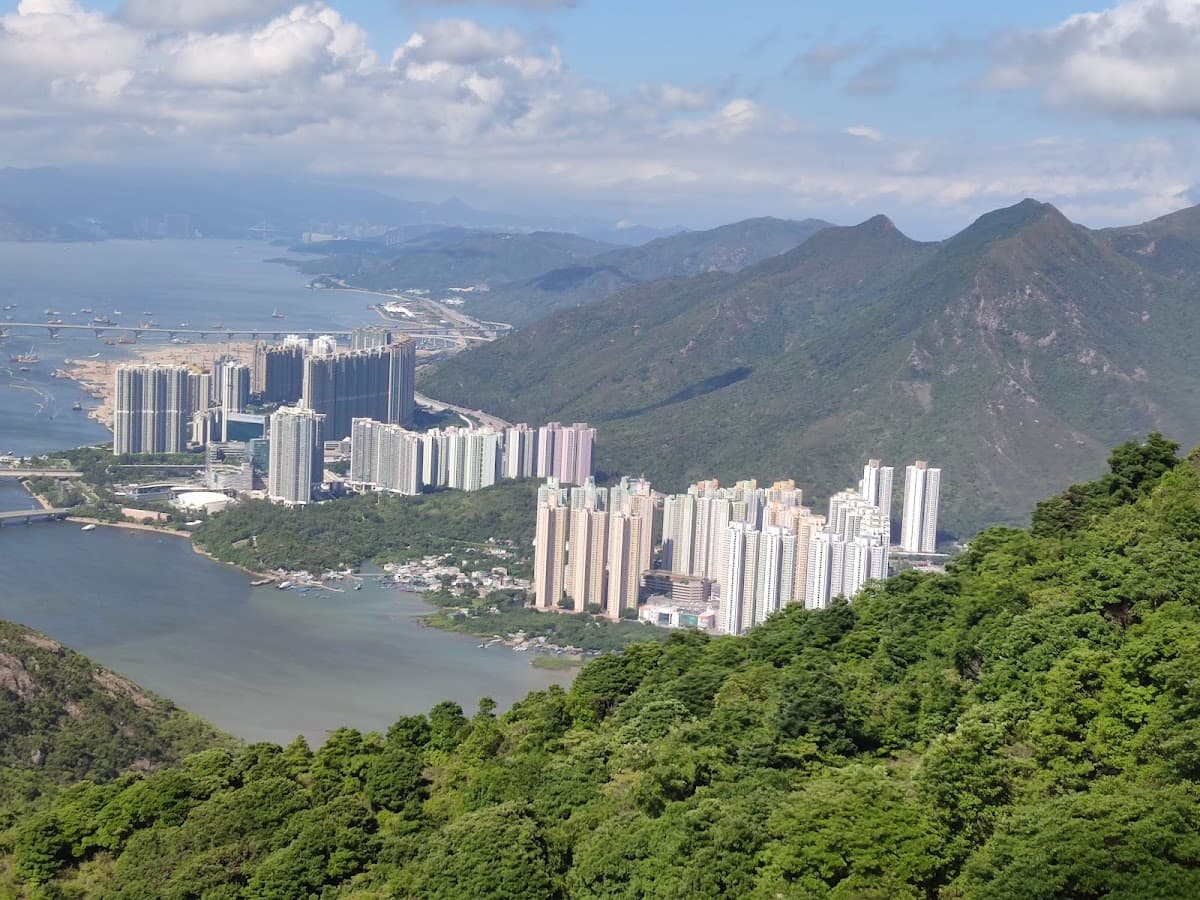
Explore the Region
Hong Kong Itineraries
View all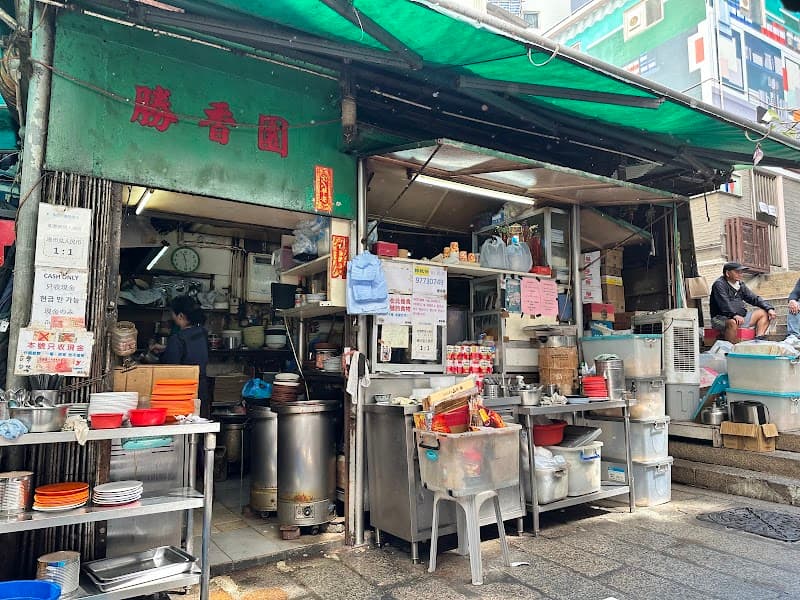
Harbour Heights & Night Lights: Day 1 in Hong Kong
Weekend · $$$
Seven Slow Days on Lantau’s Wild Green Hills
Week · $$$
Jungle Calm on Lantau: Cable Cars, Coast & Quiet Trails
Weekend · $$$
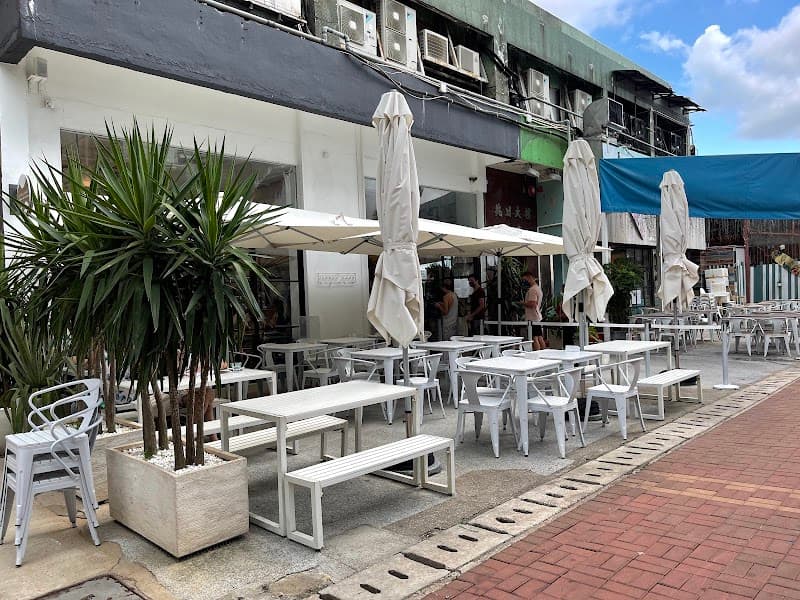
Seven Serene Days in Wild Sai Kung
Week · $$$
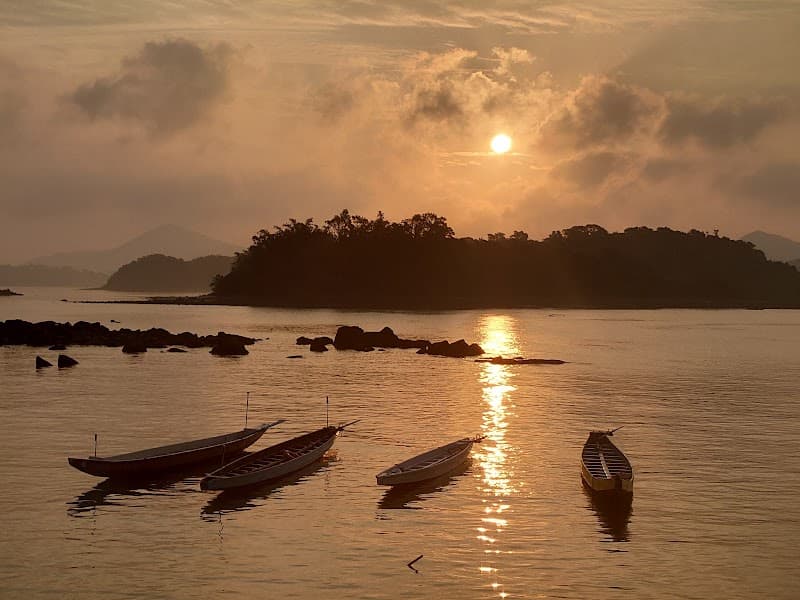
Sai Kung Wild Coves & Quiet Coves Weekend Escape
Weekend · $$$
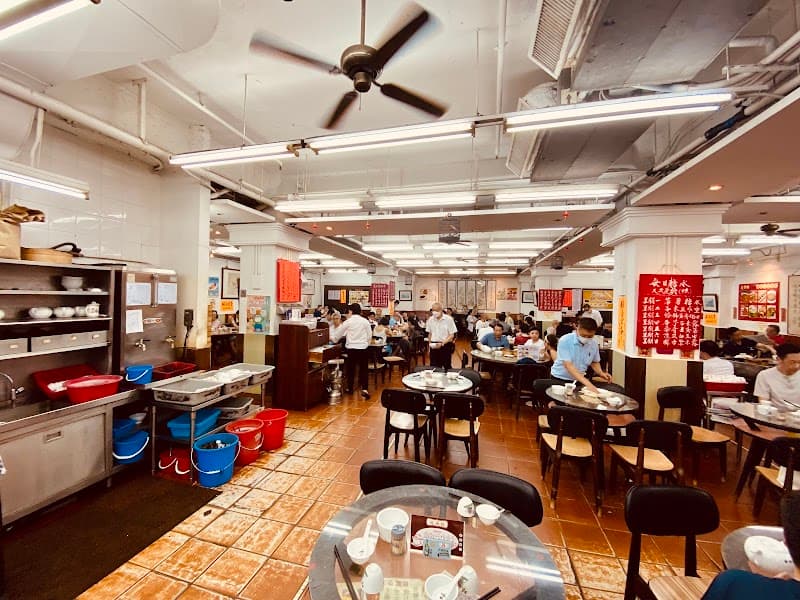
Hong Kong Adventure: Urban Climbing, Dim Sum & Hidden Markets
Weekend · $$$
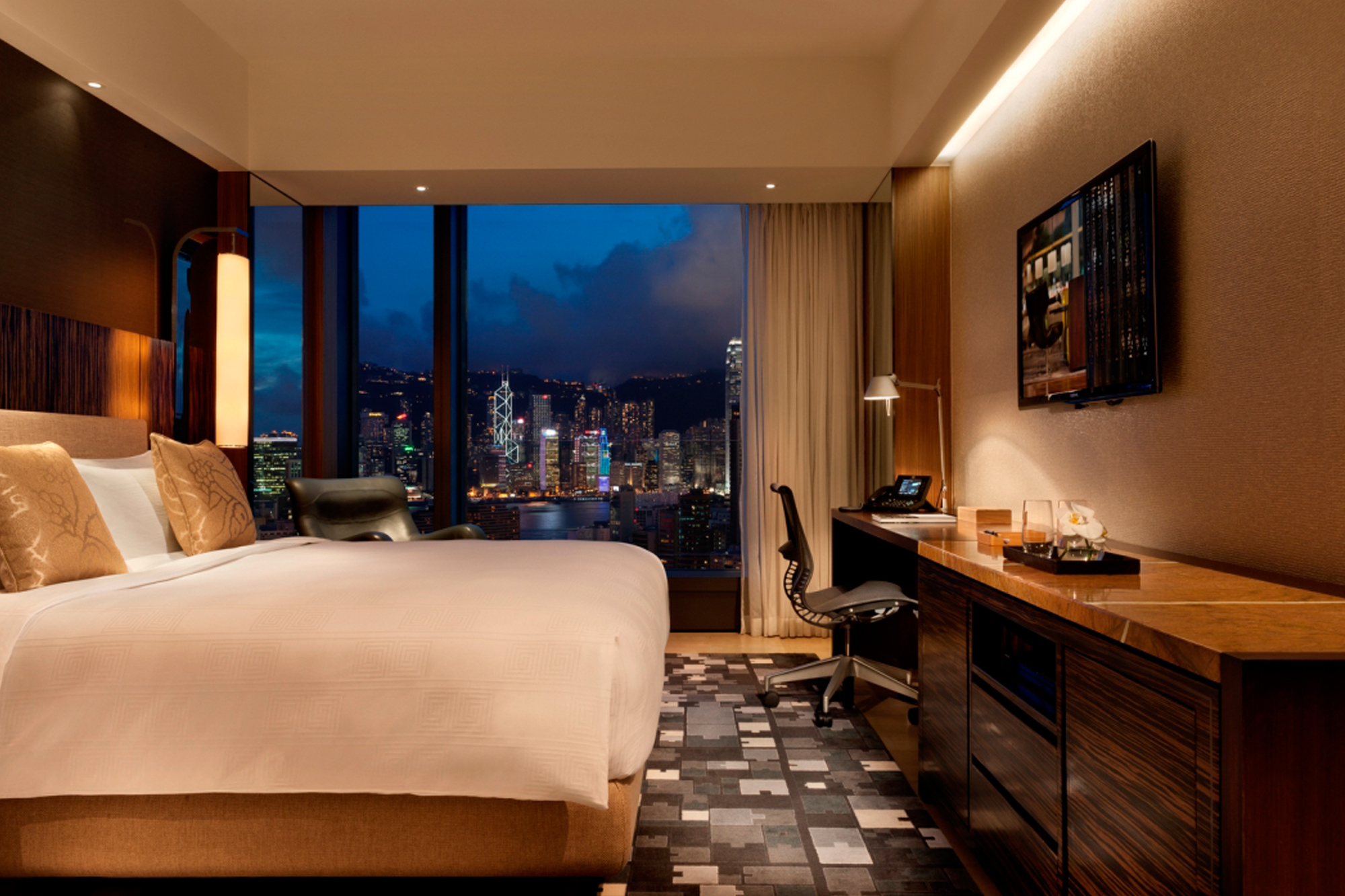
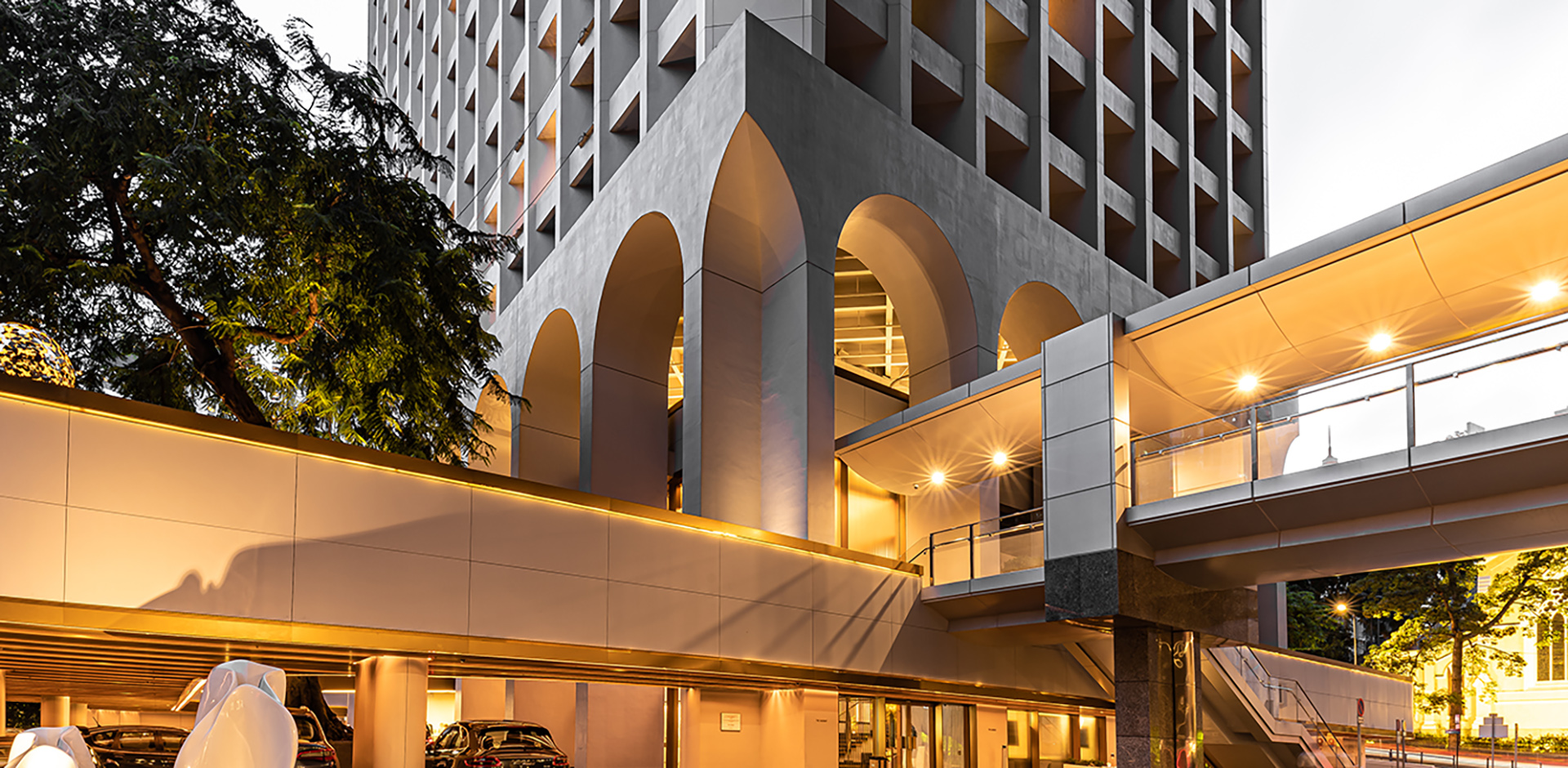
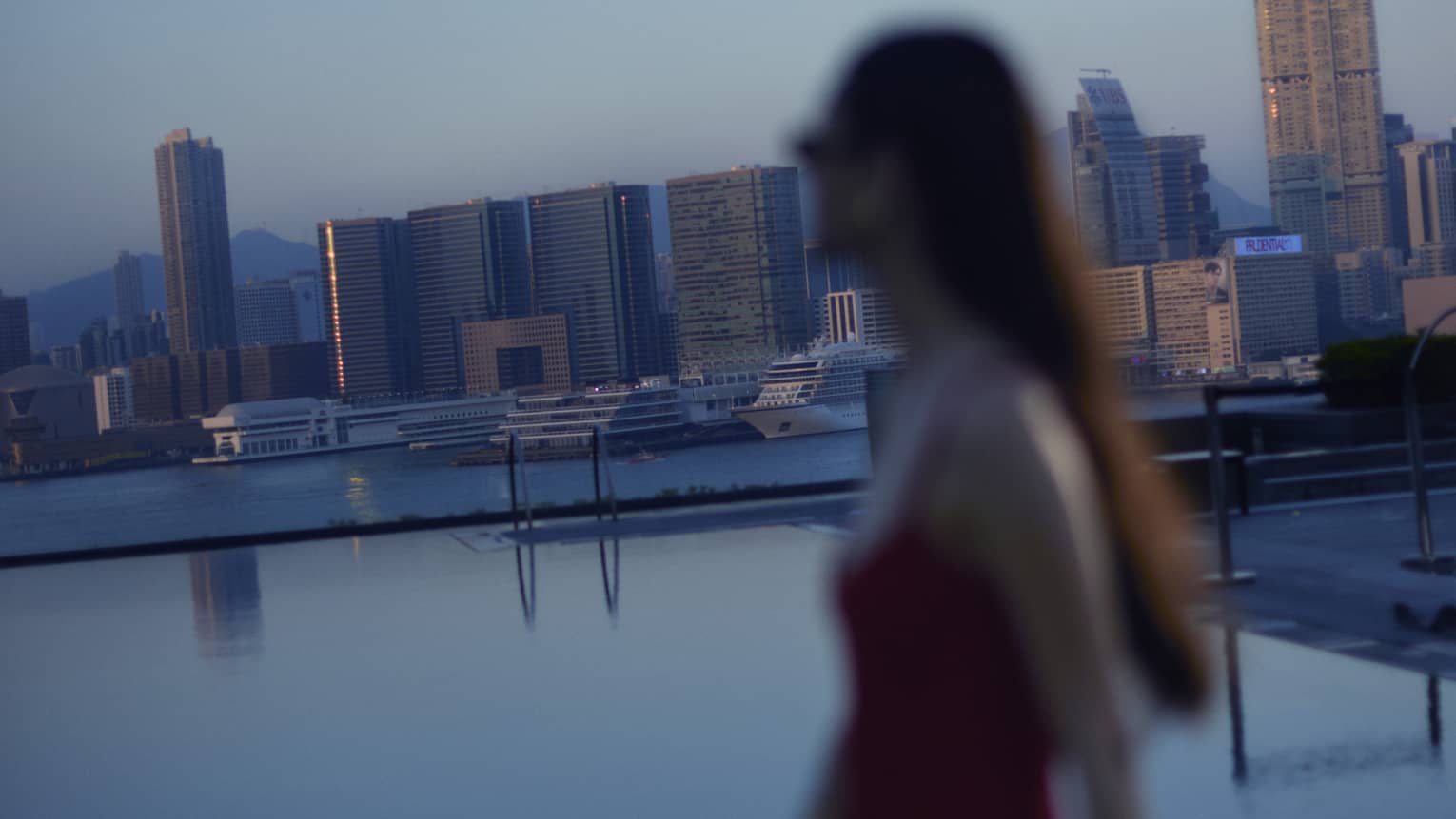
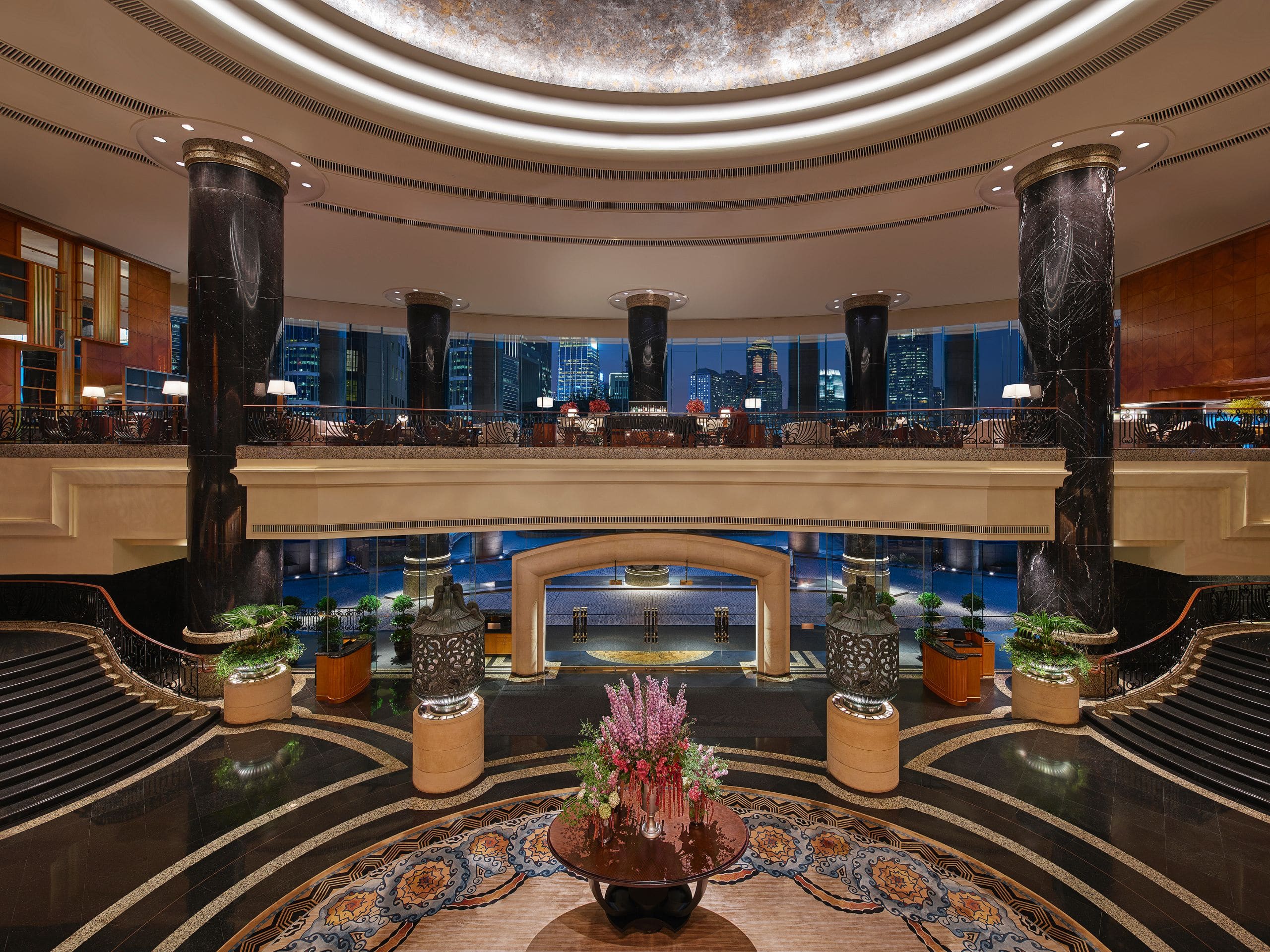
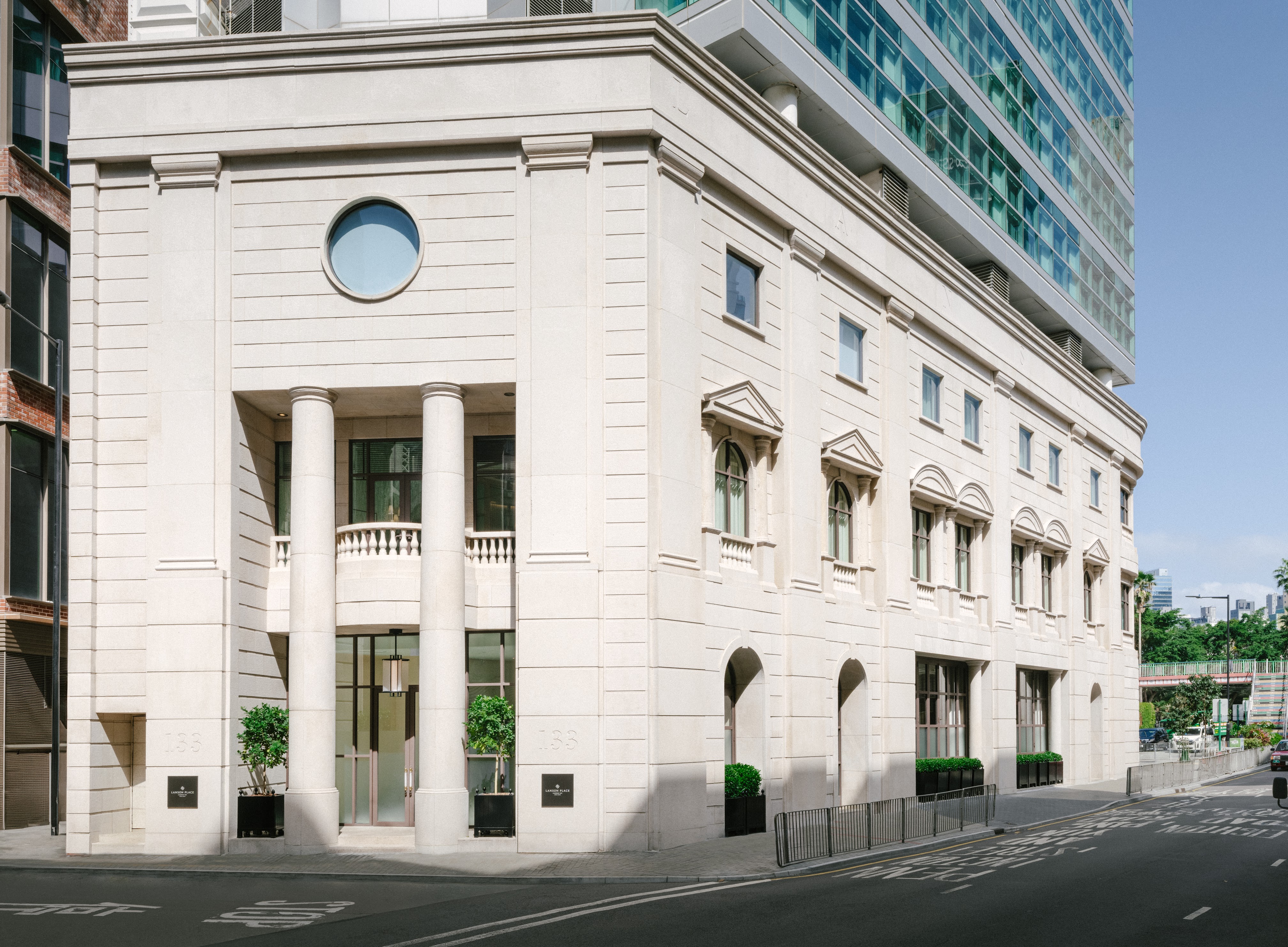
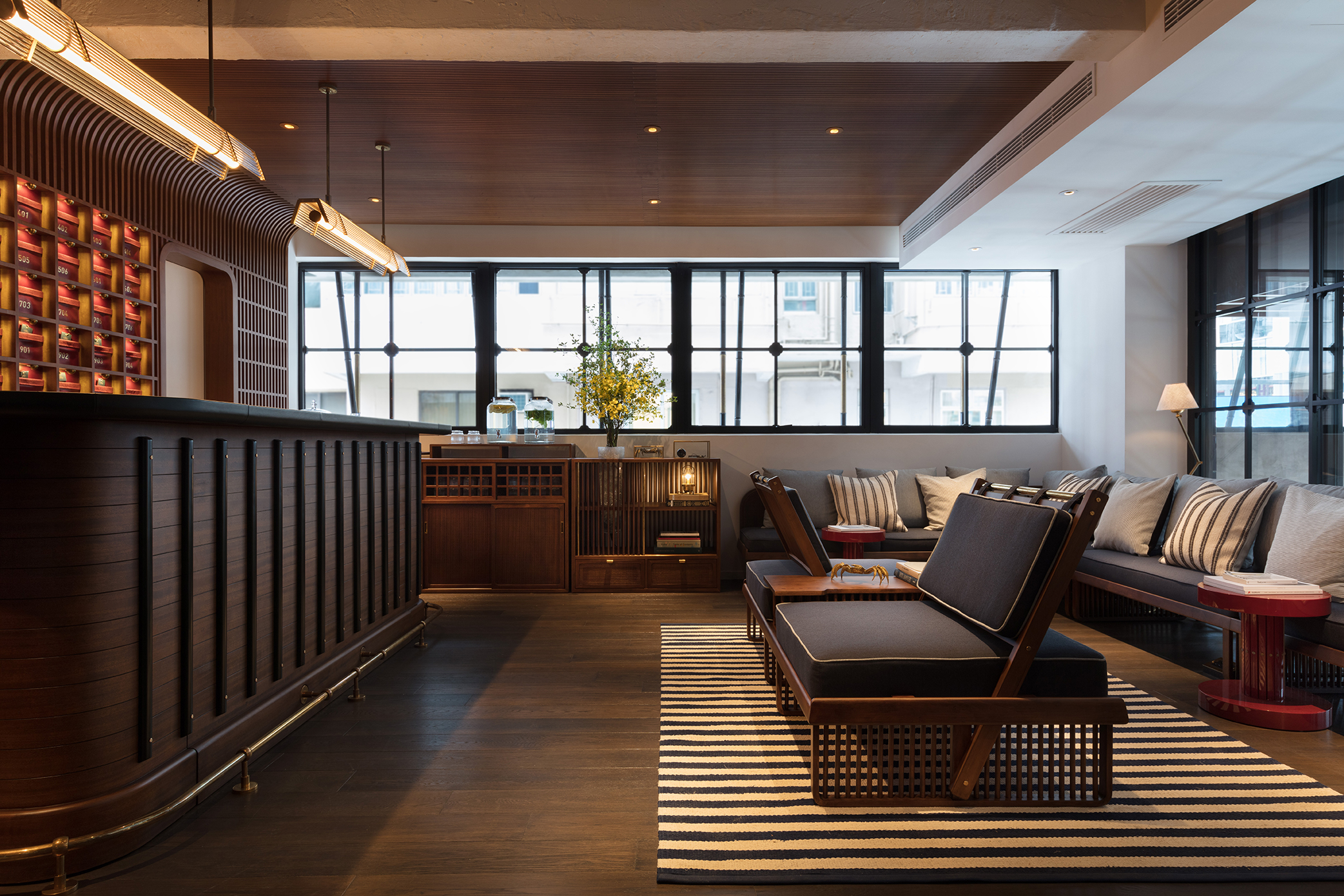
Where to Stay in Hong Kong
9 recommended properties
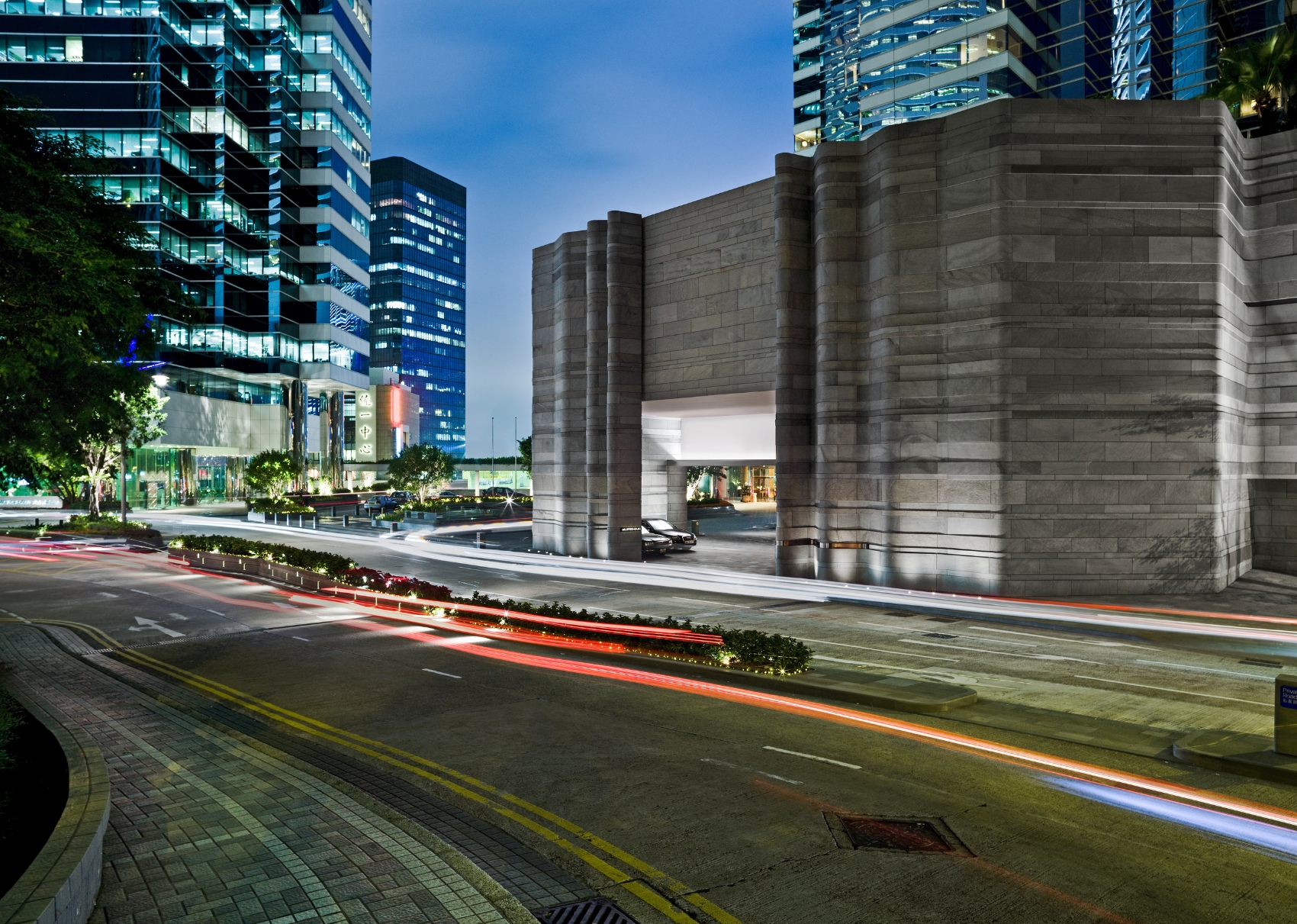
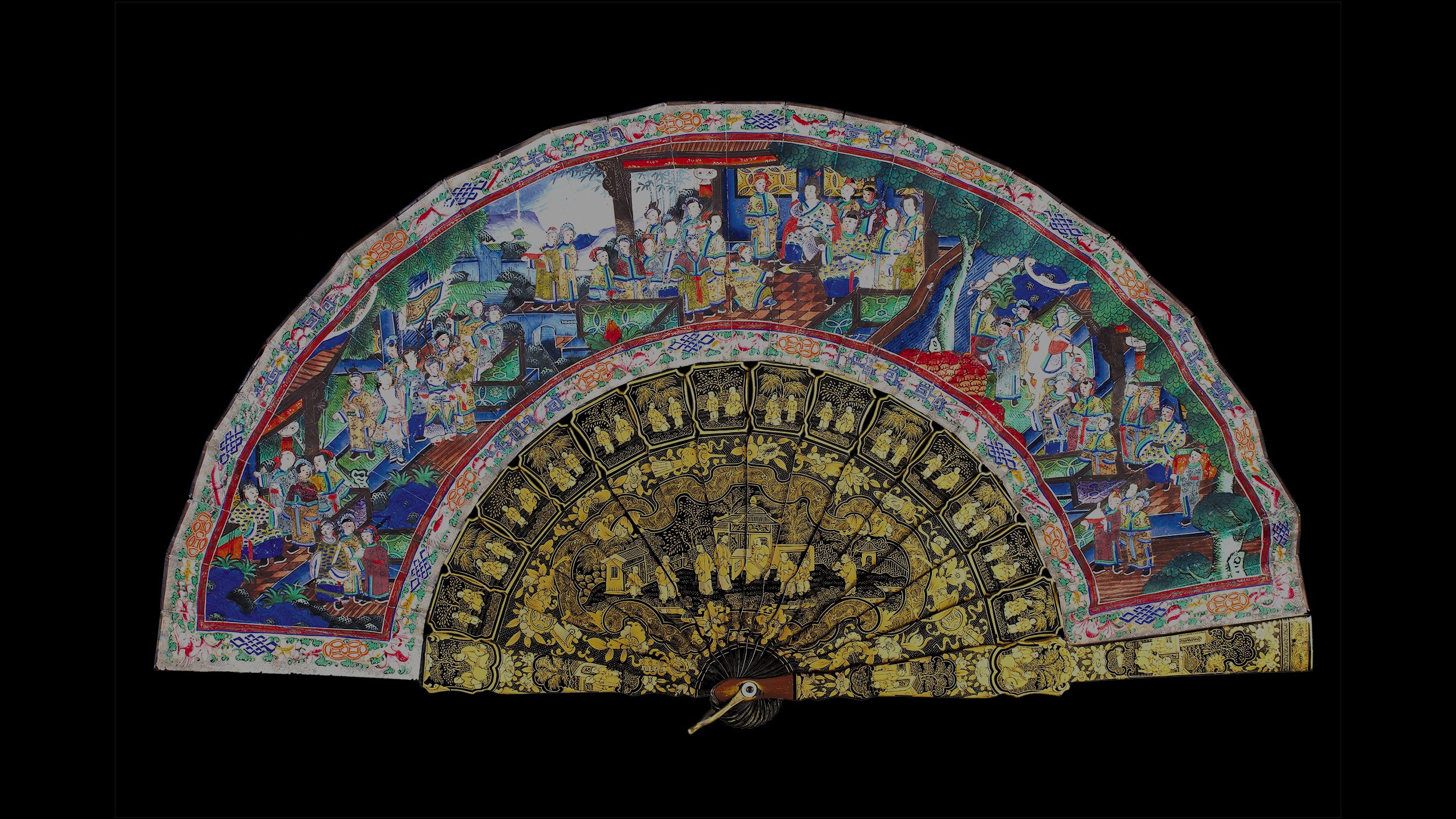
Things to Do in Hong Kong
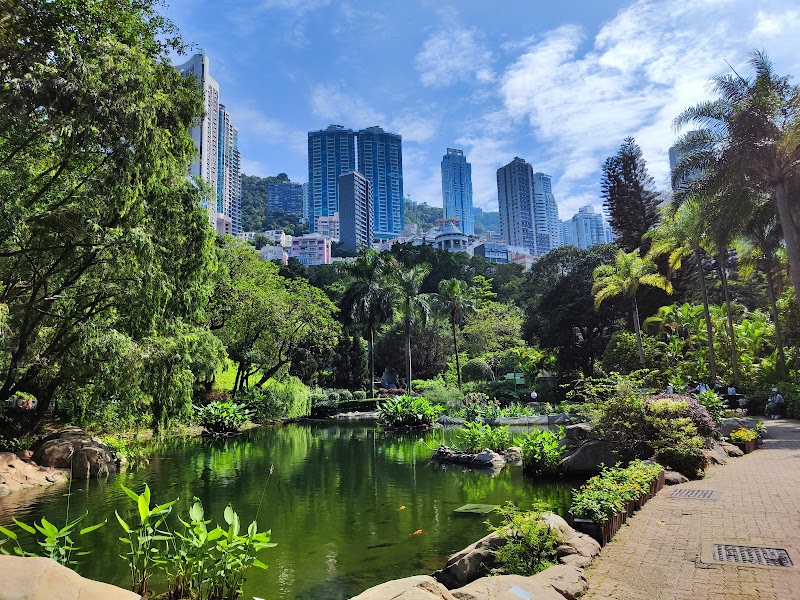
Morning Central Stroll & Hong Kong Park
Central · 90 min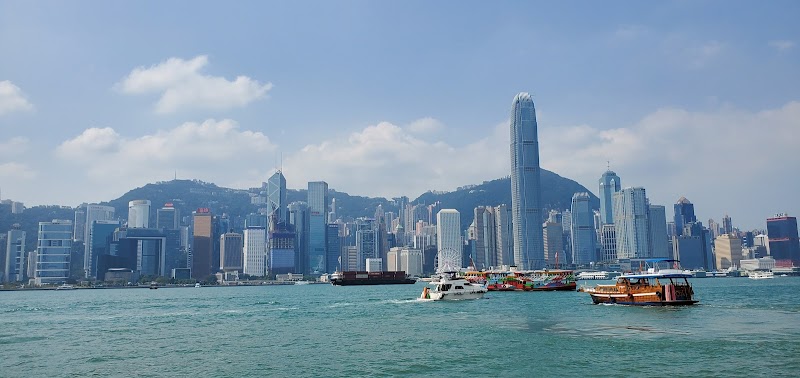
Tsim Sha Tsui Nightlife & Harbour Views
Tsim Sha Tsui · 120 min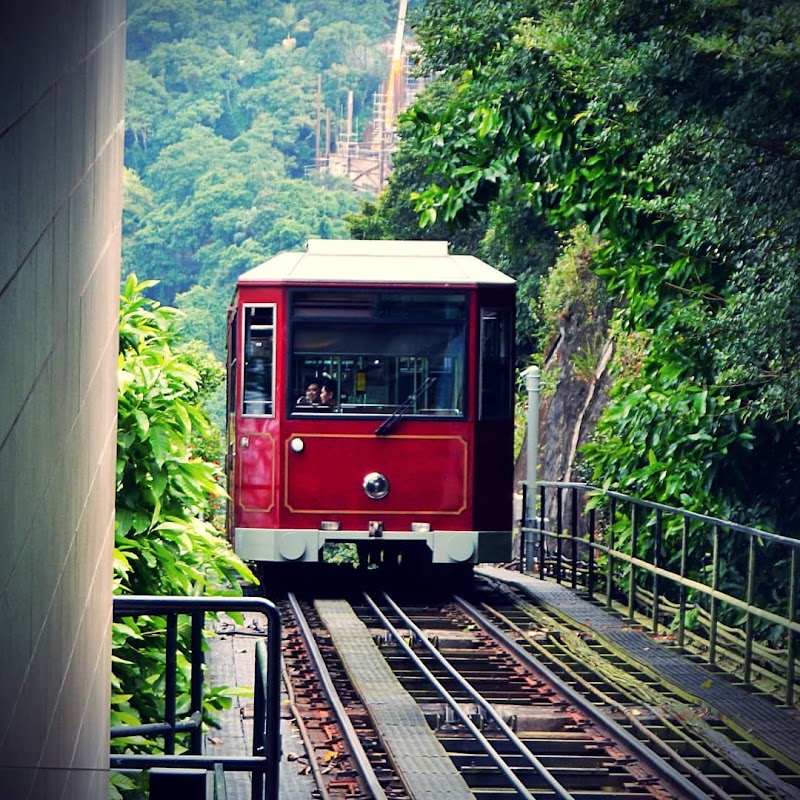
Victoria Peak (Peak Tram)
120 minMoney-Saving Tips
- 1.Get an Octopus Card at the airport - it works for all transport plus convenience stores, and you'll get small discounts on MTR rides
- 2.Eat at cha chaan tengs (tea restaurants) for authentic meals under HK$50 - Australia Dairy Company and Kam Wah Cafe are local favorites
- 3.Happy hour runs 5-8pm at most bars in Central and Wan Chai - drinks drop from HK$120 to HK$60
- 4.Shop at wet markets like Graham Street Market for fresh produce at local prices, not tourist markups
- 5.Take the Star Ferry instead of taxis across Victoria Harbour - it's HK$3 vs HK$50+ and gives better views
- 6.Many museums offer free admission on Wednesdays - Hong Kong Museum of Art and Space Museum included
- 7.Dim sum is cheapest before 11am at traditional tea houses - afternoon tea service costs 30% more
- 8.Airport Express has a free shuttle bus to major hotels - saves HK$200+ on taxi fare from the airport
Travel Tips
- •Download the MTR app - it shows real-time arrivals and helps navigate the subway system like a local
- •Carry tissues and hand sanitizer - many public restrooms don't stock them, especially in older buildings
- •Learn basic Cantonese phrases like 'm goi' (thank you) - locals appreciate the effort even if you butcher the tones
- •Avoid rush hour on MTR (7-9am, 5:30-7:30pm) - trains get packed beyond belief and you'll be pressed against strangers
- •Bring a light jacket even in summer - indoor air conditioning runs at freezing temperatures year-round
- •Tipping isn't expected but rounding up taxi fares and leaving HK$10-20 at restaurants is appreciated
- •Many shops and restaurants close between 3-6pm for afternoon break - plan your shopping and dining accordingly
- •Keep your Octopus Card in a separate pocket - you'll be tapping it constantly and fumbling slows down everyone behind you