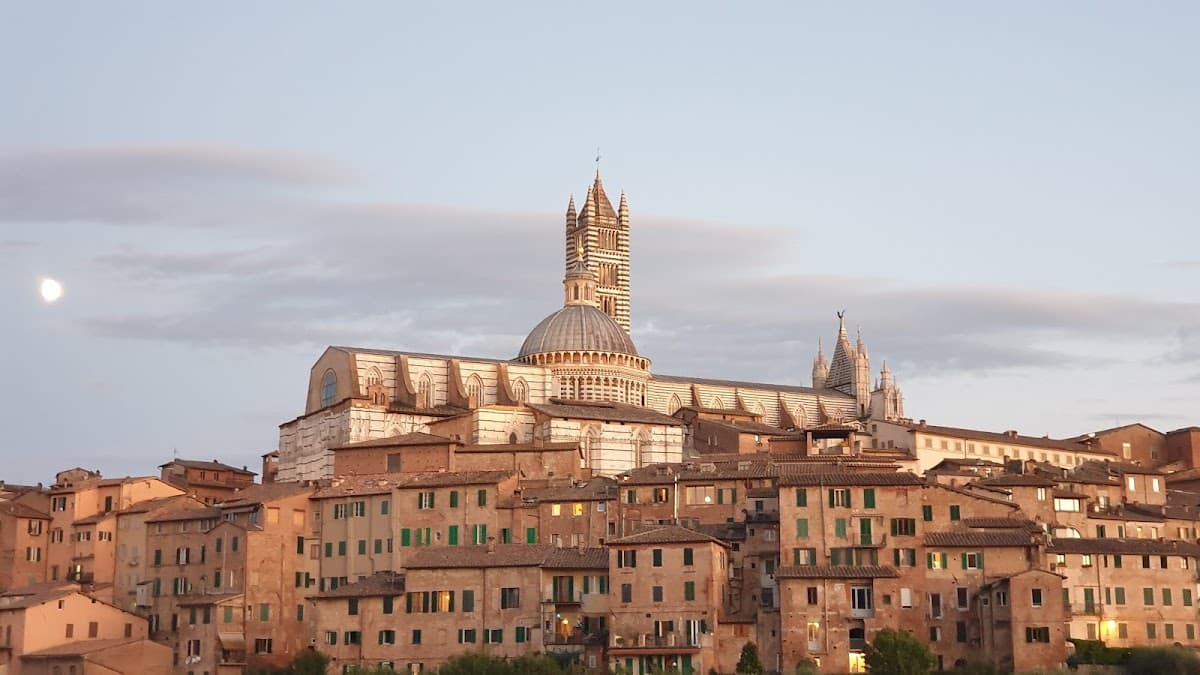
Tuscany
Rolling hills, Renaissance art, and world-class wine country
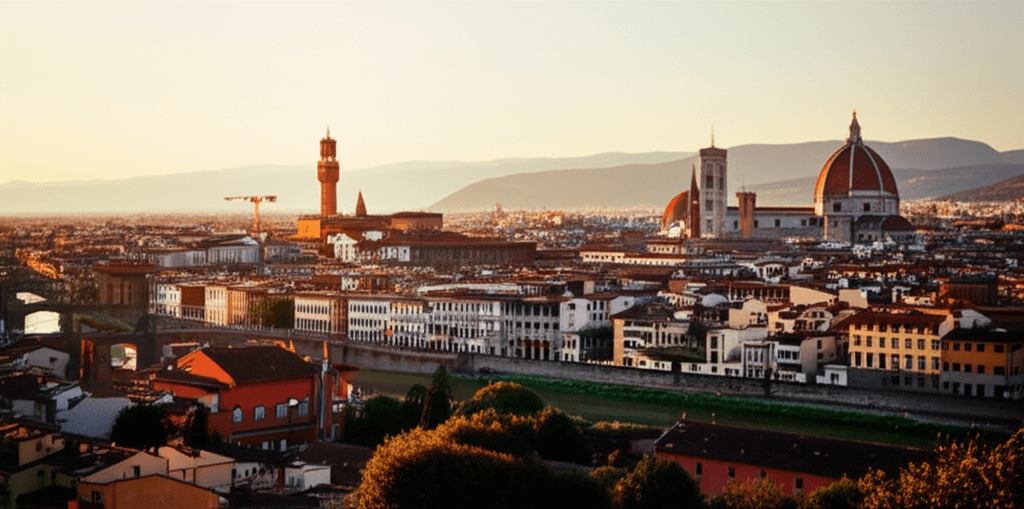
Look, Tuscany isn't just Instagram-worthy rolling hills dotted with cypress trees. Sure, those exist — drive the Val d'Orcia and you'll see them everywhere. But this region packs serious cultural weight too. Florence alone houses more Renaissance masterpieces than most countries. Then there's the wine. Chianti Classico flows like water here, and that's before you discover Brunello di Montalcino or Super Tuscans from Bolgheri. The food scene runs deeper than tourist-trap bistros serving overpriced pasta. Hunt down a proper osteria in Siena's backstreets or book a cooking class at a working farm near San Gimignano. Just know that summer brings crowds thick as Florentine traffic, and August heat that'll melt your gelato faster than you can eat it.
Explore the Region
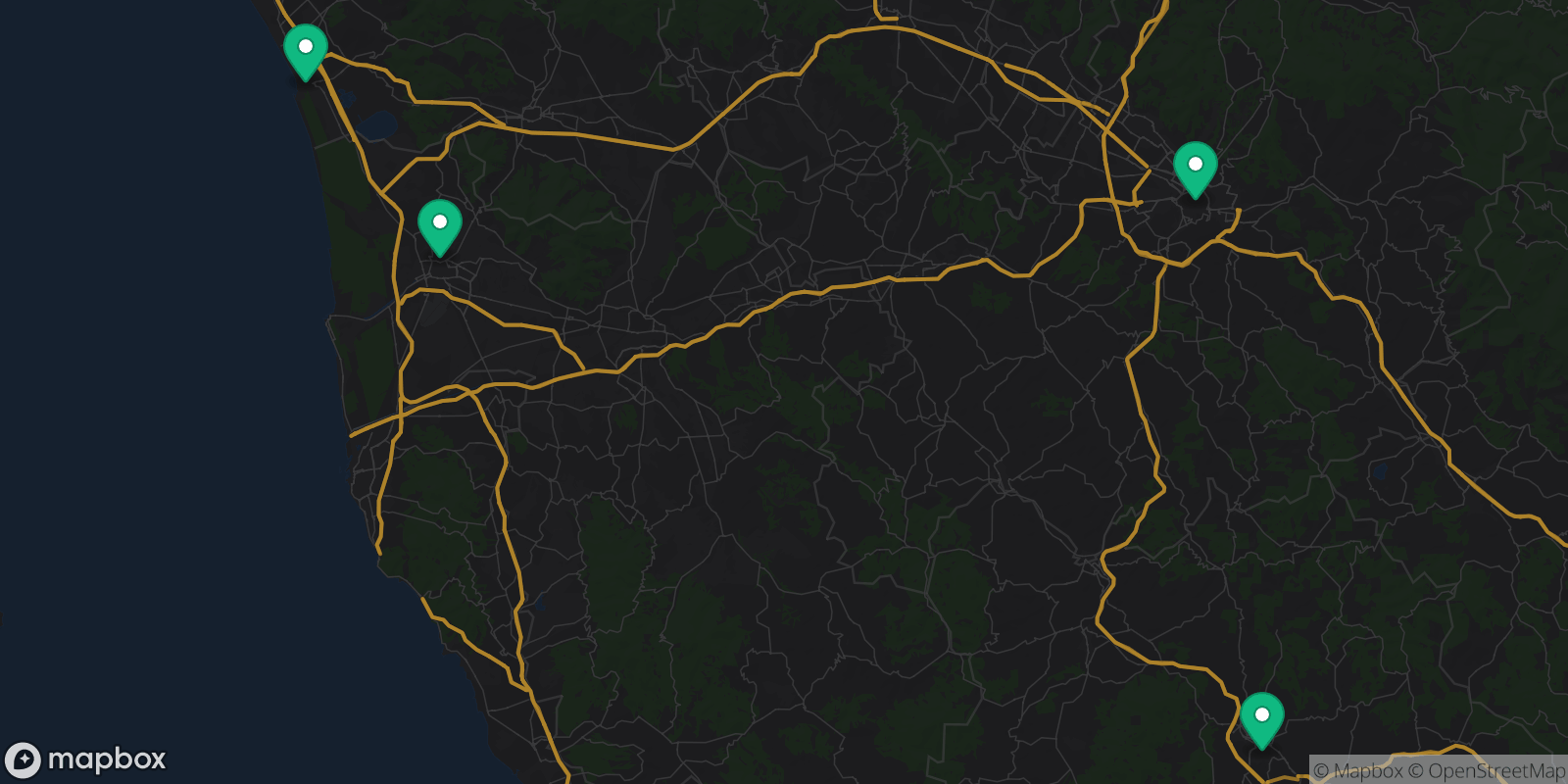
Tuscany Itineraries
View all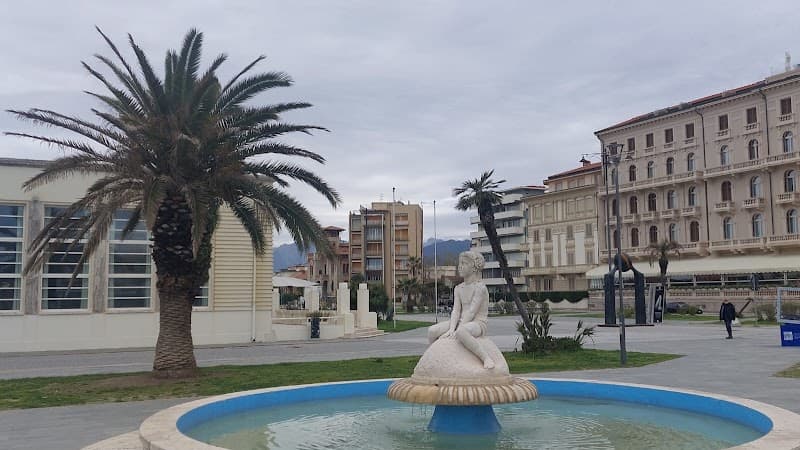
Glamorous Viareggio: Seaside Serenity for Two
Week · $$$
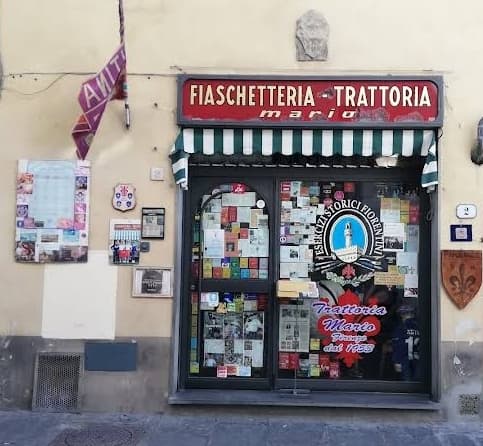
Florence Renaissance Day: Art, Gardens & Tuscan Flavors
Weekend · $$$

Tropical Renaissance: Florence Night Owl Celebration
Week · $$$
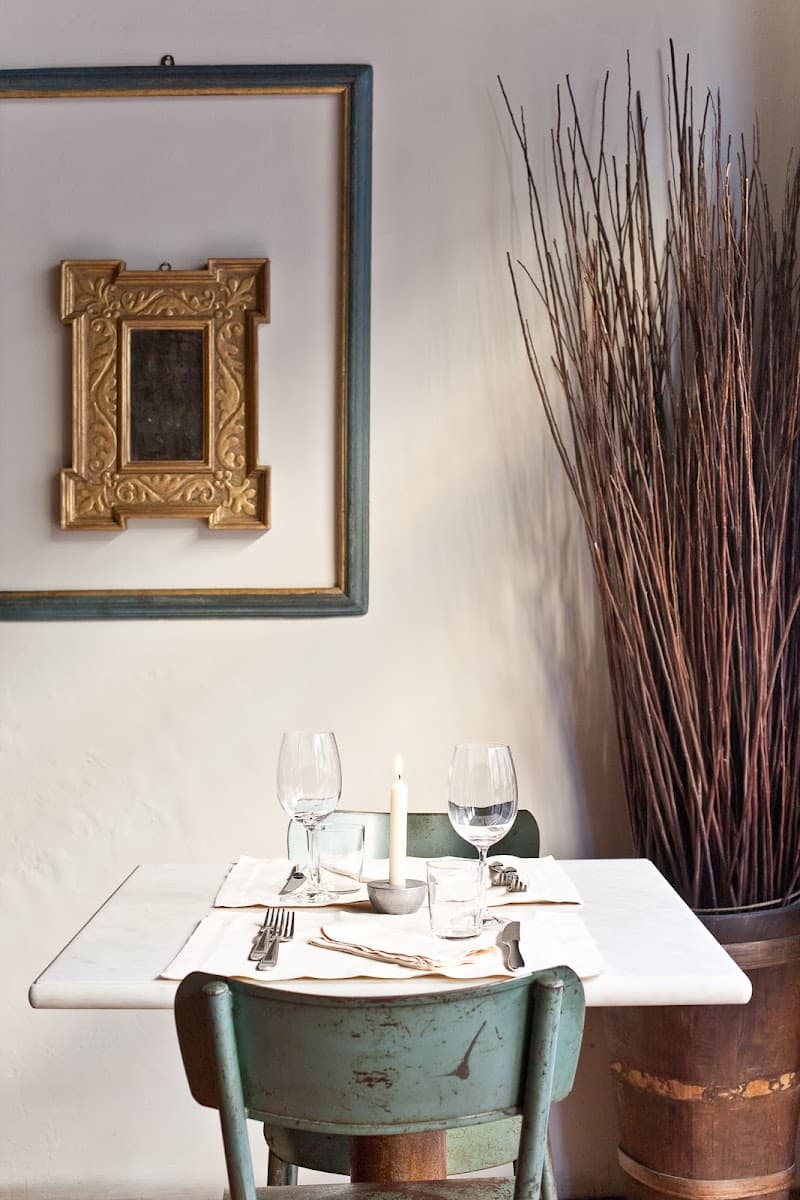
Jungle Wild Florence: Tuscan Feast & Chianti Escape
Weekend · $$$$$
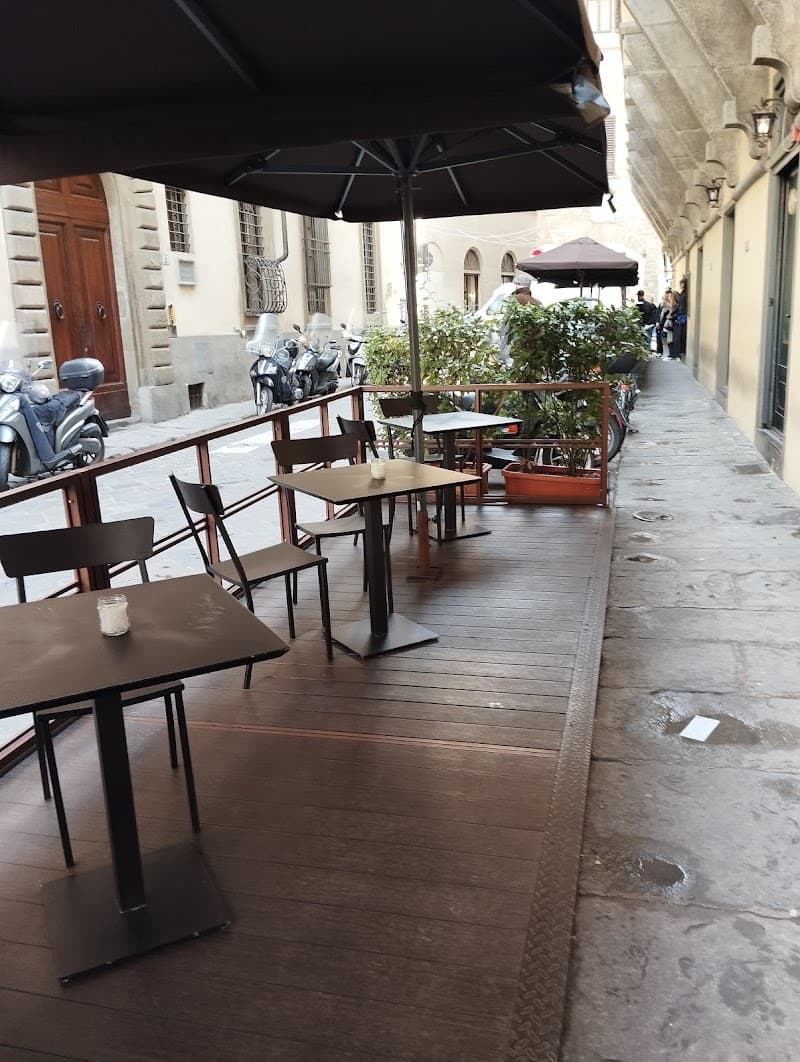
Jungle Wild Florence: Tuscan Feasts & Hidden Verdant Paths
Weekend · $$$$
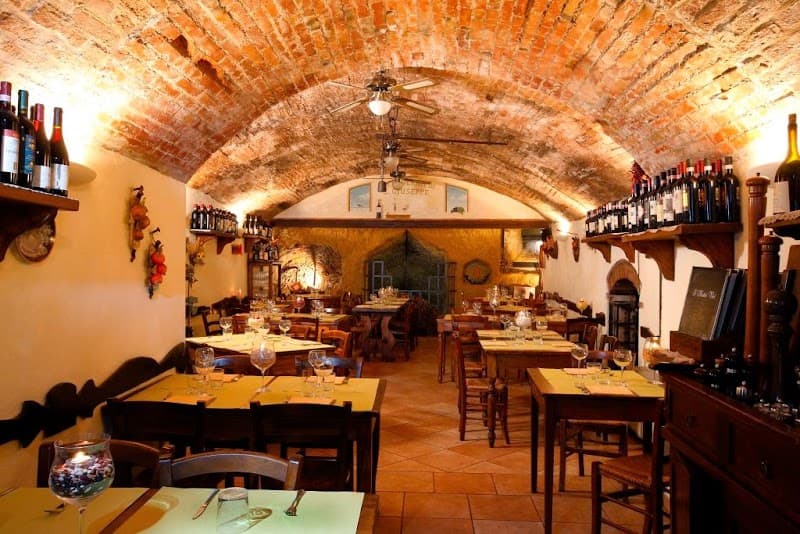
Jungle Wild Siena: Tuscan Adventure Escape
Weekend · $$$$$
Money-Saving Tips
- 1.Book accommodations in smaller towns like Greve in Chianti instead of Florence — you'll save €50-100 per night and get better value
- 2.Many Tuscan restaurants charge €2-4 per person for bread and table service (coperto) — this is normal, not a scam
- 3.Buy wine directly from producers rather than tourist shops — expect 30-50% savings on the same bottles
- 4.Aperitivo hour (6-8 PM) offers free snacks with drinks at many bars — a cheap dinner alternative
- 5.Museum passes like the Firenzecard (€85) pay off if you're hitting 3+ major attractions in Florence
- 6.Lunch menus (menu del giorno) cost half the price of dinner at the same restaurants
- 7.Agriturismos with cooking classes often cost less than hotels plus separate restaurant meals
- 8.Train tickets between major cities cost much less when booked in advance online
- 9.Markets like Mercato Centrale in Florence offer quality ingredients for picnics at fraction of restaurant prices
Travel Tips
- •Download the ZTL map app before driving — limited traffic zones in town centers fine unsuspecting tourists heavily
- •Make dinner reservations, especially in smaller towns where restaurants may only have 10-15 tables
- •Pack layers even in summer — Tuscan evenings can cool down quickly, especially in hill towns
- •Learn basic wine terms in Italian — producers love sharing knowledge with interested visitors
- •Avoid restaurants with tourist menus in multiple languages near major attractions — seek out places with handwritten Italian menus
- •Many museums and churches close for lunch (12:30-3 PM) and on Mondays — plan accordingly
- •Carry cash — smaller establishments often don't accept cards, especially for amounts under €20
- •Book wine tastings in advance during harvest season (September-October) when producers are busiest
- •Comfortable walking shoes are essential — Tuscan streets are cobblestone and often steep
- •Learn the difference between osteria, trattoria, and ristorante — osterias typically offer the most authentic local experience
Frequently Asked Questions
Explore Tuscany
Ready to explore Tuscany?
Get a personalized itinerary in seconds with Takeoff.
Free on iOS. No credit card required.