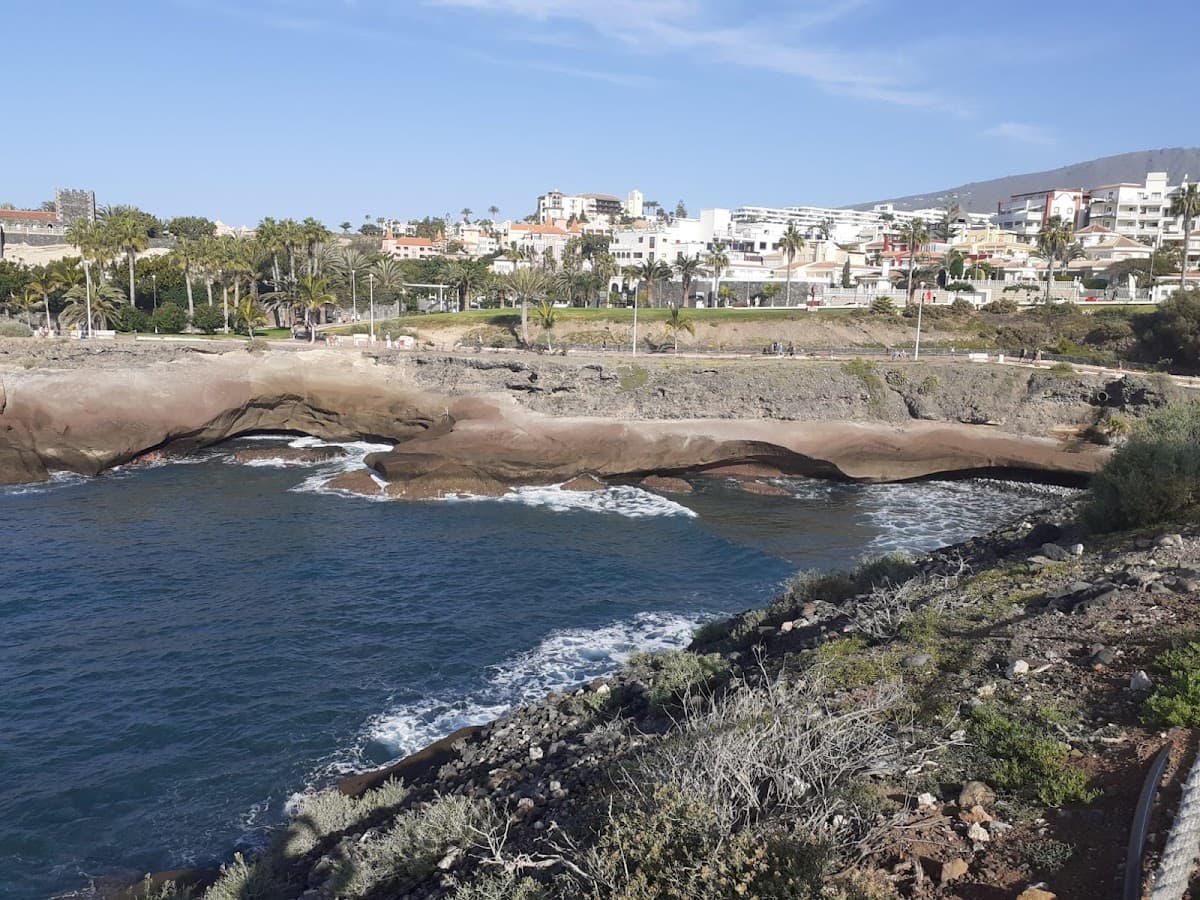
Tenerife
Volcanic paradise with beaches, mountains and eternal spring weather
Tenerife isn't just another beach destination. This volcanic island off the coast of Morocco serves up black sand beaches, snow-capped peaks, and weather that stays pleasant all year long. You can sunbathe on Playa de las Américas in the morning and be hiking through pine forests on Mount Teide by afternoon. The locals call it the "island of eternal spring" – and after spending time here, you'll understand why. But here's what most guidebooks won't tell you: Tenerife has two completely different personalities depending on which coast you choose.
Best Months
JAN · FEB · MAR · APR · MAY · OCT · NOV · DEC
~23°C · moderate crowds
Culture & Context
CARIBBEAN SPAIN, GUANCHE ROOTS
Tenerife sits geographically close to Africa but belongs politically and culturally to Spain — though Canarian identity is distinct. Locals call themselves 'chicharreros' (those from Santa Cruz specifically) or 'canarios', and the dialect is far closer to Caribbean Spanish than mainland Castilian. The 's' at the end of words gets dropped, the 'j' is soft, and the vocabulary borrows heavily from Cuba, Venezuela, and the Dominican Republic.
This is not an accident — the islands were a major waystation in Atlantic trade for centuries. The Guanche people, the original pre-Hispanic inhabitants of Tenerife, left cultural echoes that persist in place names, archaeological sites, and local pride. The Teide volcano is more than a landmark: for the Guanche, it was sacred, believed to be the home of a demon called Guayota.
In 2026, anti-tourism sentiment is a real and visible undercurrent. The Canary Islands see around six million visitors per year, and the pressure on housing, water, and natural areas is something locals are actively protesting. Traveling consciously — staying in locally-owned accommodation, eating at guachinches and local restaurants, booking permits for natural sites — genuinely matters here.
Local Customs
SAY 'GUAGUA' NOT BUS
Locals call the bus 'la guagua' — use it and watch faces light up. Saying 'autobús' marks you immediately as a mainlander or tourist.. Lunch (la comida) is the main meal of the day, typically between 1:30 and 3:30pm.
Dinner rarely starts before 8:30pm. Showing up to a restaurant at 6pm expecting a full dinner service will earn you confused looks.. Two cheek kisses are standard when greeting people for the first time — even men greeting women they've just met.
Don't flinch and definitely don't do the ironing-board lean-back.. Guachinches are family-run home restaurants that open seasonally when the local wine is ready. They're cash-only, unlicensed, and serve whatever the family made that day.
Finding one is considered a small victory by regulars.. Romerías are not tourist events — they're genuine community celebrations where locals dress in traditional Canarian dress and walk with decorated oxcarts. Joining respectfully is fine; treating it like a photo op is not..
Tipping is appreciated but not expected the way it is in the US. Rounding up to the nearest euro or leaving €1–2 at a café is normal. In restaurants, 5–10% is generous and well-received..
The Canary Islands use IGIC (7% tax) instead of mainland Spain's IVA (10–21%), which is why alcohol and goods are noticeably cheaper here than on the peninsula or in the Balearics.. Anti-tourism sentiment is real and growing. In 2026, visitor pressure on the island continues to create friction with locals — especially in natural areas.
Book permits for popular hikes, don't park illegally at beaches, and support local businesses over resort chains.
Safety
WATCH FOR PETTY THEFT
Tenerife is one of the safer destinations in Europe. Violent crime targeting tourists is rare. The main issues are petty and predictable.
In January 2026, local authorities installed new 'Stay Alert' signs across the busiest southern tourist areas in response to a rise in theft incidents — it's not a crisis, but it's a signal to pay attention. Keep your phone in a front pocket, not on a café table. Use a cross-body bag with a zip.
In Playa de las Américas and the Veronica's strip late at night, stay aware — pickpockets target people who've had a few drinks and let their guard down. The electronics shops in resort areas are a known problem: bait-and-switch tactics, pressure selling, and credit card overcharging are documented and common. Walk away from any shop that feels aggressive.
Car rental scams are a serious recurring complaint — some agencies charge for damage that existed before you drove off the lot, in poorly-lit garages, with blank damage sheets. Use CICAR (a local Canarian company with a solid reputation) or photograph every millimeter of the car before you accept the keys. On taxis: a small minority of drivers overcharge, especially on public holidays when the legal rate is double the meter (not a flat invented amount).
Always insist on the meter. Ocean currents can be strong and unpredictable, especially on the north coast. Southern beaches are generally calmer.
Check the flag system on supervised beaches before swimming. Hiking in Teide National Park and Anaga: conditions change fast at altitude, and trails require permits. Always bring water and proper shoes — not cholas.
Getting Around
RENT A CAR
Two airports serve Tenerife: TFS (Tenerife South) handles the majority of international flights and is near the big resort areas. TFN (Tenerife North) handles domestic routes and some budget flights, and is closer to Santa Cruz and Puerto de la Cruz. A taxi from TFS to Costa Adeje costs around €35.
The TITSA bus network covers the entire island — a 7-day unlimited card costs €50 plus a €2 physical card fee and is the best-value option for anyone moving around a lot. The Santa Cruz to La Laguna tram (Metrotenerife) is excellent: cheap at €1.35 per ride, reliable, and the easiest way to move between those two cities.
For everywhere else, especially in the south or rural north, a rental car is basically essential. Budget around €30/day through a reputable local provider. Avoid budget rental firms with no reviews — car rental scams are a genuine problem here.
There is no Uber on the island (though Cabify operates in some areas). Taxis are metered and generally honest, with the caveat that a minority of drivers do try to add fictitious charges, particularly on public holidays. Between major areas of the island, budget 45–75 minutes by car.
The TFS to Santa Cruz highway takes about 45 minutes in normal traffic.
Useful Phrases
Itineraries coming soon
We're working on adding amazing itineraries for Tenerife. In the meantime, try the app to create your own!
Money-Saving Tips
- 1.Book accommodation in smaller towns like Garachico or La Orotava instead of south coast resorts – you'll pay half the price for more character
- 2.Eat at guachinches (traditional family restaurants) instead of tourist strips – expect massive portions for under €15
- 3.Use TITSA buses for €2-4 per ride instead of taxis which cost €25+ for longer journeys
- 4.Rent cars from local companies rather than international brands – rates start at €15/day vs €40+ from major companies
- 5.Shop for groceries at Mercadona or HiperDino supermarkets instead of resort convenience stores
- 6.Visit free natural attractions like Teide National Park and volcanic beaches instead of paying for water parks
- 7.Buy wine directly from bodegas like Monje for €8-12 bottles instead of €25+ in restaurants
Travel Tips
- •Pack layers – it can be 80°F at the beach and 50°F on Mount Teide the same day
- •Rent a car to access the best hiking trails and hidden beaches that buses don't reach
- •Stay on the north coast for authentic culture, south coast for guaranteed sunshine and beaches
- •Book whale watching tours from Los Cristianos in the morning when seas are calmest
- •Bring reef-safe sunscreen – the volcanic black sand gets scorching hot and reflects intense UV
- •Download offline maps – cell service gets spotty in the mountains and remote coastal areas
- •Learn basic Spanish – English works in resort areas but not in traditional towns inland
- •Check wind conditions before planning water activities – trade winds can be too strong for beginners