Sololaki
Tbilisi's historic hillside quarter with ancient charm
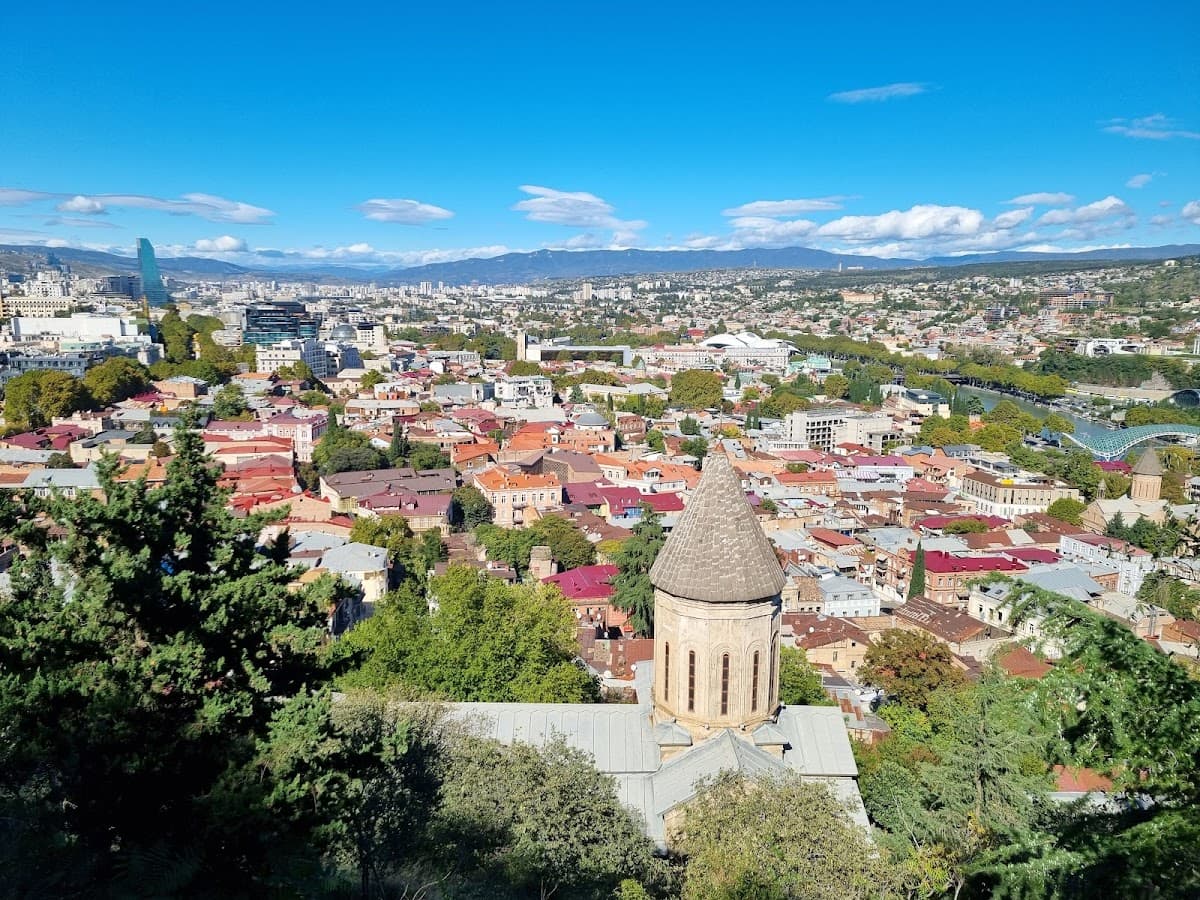
Perched on the slopes above Tbilisi's old town, Sololaki feels like stepping into a different century. This historic quarter wraps around hillsides dotted with 19th-century mansions, ancient churches, and narrow cobblestone streets that wind their way up toward Mtatsminda Park.
Here's what makes Sololaki special: it's where locals still live like locals. You'll find babushkas hanging laundry from wooden balconies, kids kicking footballs in small courtyards, and neighbors chatting over garden gates. The tourist crowds thin out quickly once you start climbing these streets.
But don't mistake quiet for boring. Sololaki houses some of Tbilisi's most important cultural sites, including the Writers' House of Georgia and several key Orthodox churches. The views from the upper streets stretch across the entire Mtkvari River valley. And the walk down to Rustaveli Avenue takes just 15 minutes.
Culture & Context
JAVA'S AUTHENTIC SOUL
Solo (officially Surakarta) is widely considered the cultural soul of Java. It's one of only two cities in Indonesia that still maintains an active royal palace with a living monarch — the other being Yogyakarta. But where Yogyakarta has gone full tourist-mode, Solo stays genuinely local.
The city's identity runs deep: it's the birthplace of Javanese batik as a high art form, the historic seat of the Mataram Kingdom split, and the city that inspired Indonesia's most beloved folk song, "Bengawan Solo." Javanese culture here is layered and polite — there are three formal levels of the Javanese language based on social hierarchy, and people take those distinctions seriously. The city has about 552,000 residents and sits between Mount Merapi and Mount Lawu on the banks of the Bengawan Solo River.
One quirky claim to fame: it's one of the few places on earth where a vintage steam train shares road space with cars and motorbikes right on the main city boulevard, Jalan Slamet Riyadi.
Local Customs
RIGHT HAND, MODEST DRESS
Remove shoes before entering any temple, palace, or mosque — this is non-negotiable, not just polite.. Always use your right hand for eating, giving, or receiving items. The left hand is considered unclean in Javanese and Islamic culture..
Dress modestly. Solo is considerably more conservative than Bali or Jakarta. Shoulders and knees covered is the baseline, especially near the kratons and mosques..
Avoid public displays of affection — even couples holding hands can draw unwanted attention in this traditionally conservative city.. Bargaining is expected at markets like Pasar Klewer and Triwindu Antique Market, but do it with a smile. Aggressive haggling kills the vibe and the deal..
Tap water is not safe to drink — buy bottled or filtered water. Pharmacies (called Apotek) are easy to find, and chains like K-24 operate 24 hours.. Tipping is not mandatory but rounding up the bill or leaving a small amount is genuinely appreciated by warung staff..
When visiting the kratons, some areas require a sarong wrap over your clothing — these are often available to borrow at the entrance.
Safety
GENERALLY SAFE, STAY AWARE
Solo is generally a safe city for tourists. The main risks are standard urban ones: pickpocketing in crowded markets (Pasar Klewer, Pasar Gede) and bus stations, and occasional tourist scams around ATMs and transport. Use Grab or Gojek instead of unmarked taxis to avoid fare inflation.
Avoid dark alleys at night and stick to well-lit, busy streets after dark. Female travelers should dress modestly — this is a genuinely conservative city — and stick to reliable transport options in the evening. Solo is significantly more conservative than Bali or Jakarta regarding LGBTQ+ visibility; discretion is strongly advised.
Medically: tap water is not safe to drink, so stick to bottled or filtered water. Pharmacies (Apotek) including 24-hour chains like K-24 are widely available. Indonesia sits on the Pacific Ring of Fire — Mount Merapi is nearby and actively monitored.
Keep an eye on official alerts, particularly during the wet season (October–April) when flooding and landslides can disrupt transport. Air quality AQI typically falls in the moderate range (51–100). Always keep a digital copy of your passport and visa documents.
Getting Around
BUS, GRAB, VINTAGE RAILBUS
Getting to Solo: Fly into Adisumarmo International Airport (SOC) with direct connections from Jakarta, Bali, and international routes from Singapore and Kuala Lumpur. Or take the train — executive class from Jakarta takes about 8 hours, from Yogyakarta just 1 hour. Trains arrive at Solo Balapan or Purwosari stations.
Getting around: The Batik Solo Trans (BST) is the city's modern bus rapid transit system with six main corridors covering all major landmarks — fare is IDR 4,000 per ride. For narrower streets, feeder minivans (Angkot/Feeder BST) connect to the main routes. Grab and Gojek (ride-hailing apps) are reliable, safe, and fair-priced — download both before you arrive.
For a genuinely local experience, flag down a becak (cycle rickshaw) for short hops, but always negotiate the price upfront (IDR 15,000–30,000). On weekends, the Werkudara double-decker sightseeing bus departs at 9 AM, 12 PM, and 3 PM for a 3-hour city tour at just IDR 20,000. Solo's most unique transport feature: the Railbus Batara Kresna runs along Jalan Slamet Riyadi — literally sharing the road with cars and motorbikes — connecting the city to neighboring Wonogiri.
Don't rent a motorbike unless you're already experienced with Indonesian traffic.
Useful Phrases
Itineraries coming soon
We're working on adding amazing itineraries for Sololaki. In the meantime, try the app to create your own!
Money-Saving Tips
- 1.Marshrutkas cost just 1 lari anywhere in the city – much cheaper than taxis for longer distances
- 2.Many churches in Sololaki are free to visit, including some with stunning frescoes and city views
- 3.Local bakeries sell fresh Georgian bread for under 1 lari – perfect for picnics in Mtatsminda Park
- 4.Wine tastings at small bars often cost less than buying bottles at tourist restaurants
- 5.Walking tours of the neighborhood are often free – check with your accommodation for recommendations
- 6.The cable car to Mtatsminda Park costs only 2 lari each way, much less than taxi rides up the hill
Travel Tips
- •Wear comfortable walking shoes with good grip – the cobblestone streets can be slippery when wet
- •Learn a few Georgian phrases – locals in Sololaki appreciate the effort more than in touristy areas
- •Carry cash – many smaller restaurants and shops don't accept cards
- •Download offline maps – GPS can be unreliable in the narrow winding streets
- •Respect local customs when visiting churches – cover shoulders and remove hats
- •Ask permission before photographing people – Sololaki residents value their privacy
- •Keep your accommodation's address written in Georgian – taxi drivers may not read Latin script