Tartu
Estonia's intellectual heart with medieval charm and student energy
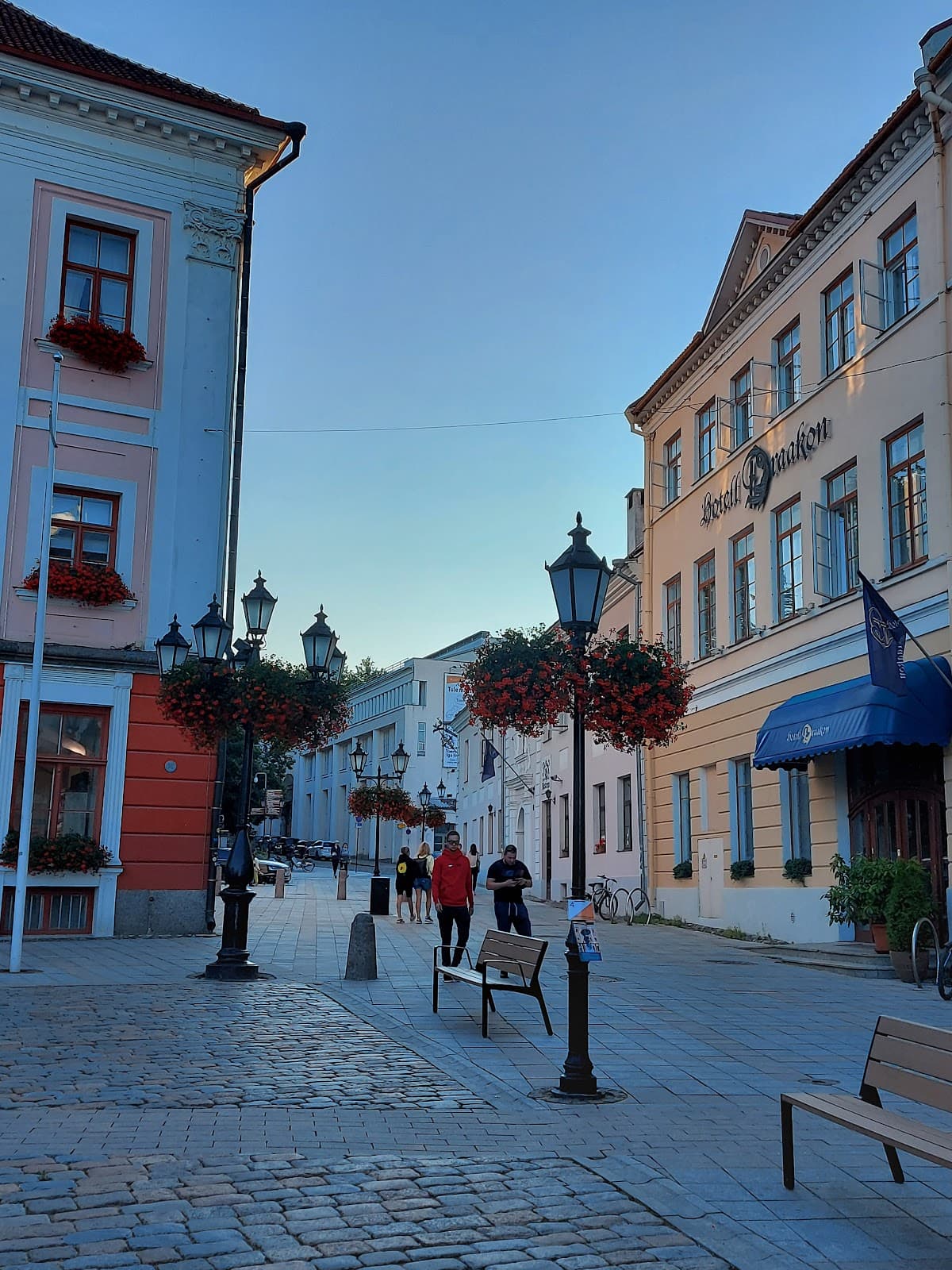
Tartu feels like Europe's best-kept academic secret. Estonia's second-largest city pulses with university energy while keeping one foot firmly planted in medieval times. The cobblestone streets around Town Hall Square buzz with students debating philosophy over cheap beer, while 13th-century ruins remind you this place has stories stretching back centuries. It's refreshingly authentic — no tourist traps, just real Estonian life happening around you. The Emajõgi River cuts through the center, lined with wooden houses that look straight out of a fairy tale. And here's the thing: you can experience all of this without breaking the bank.
Local Knowledge
Culture & Context
Tartu runs on two things: the university and a kind of quiet intellectual confidence. The University of Tartu was founded in 1632 by the Swedish king Gustav II Adolf, making it one of the oldest in Northern Europe. About 20% of the city's 100,000 residents are students, and you feel it everywhere. Cafés debate philosophy. Bars fill up on weeknights. The energy doesn't come from nightclubs, it comes from ideas. Tartu was named European Capital of Culture in 2024, which brought a wave of international attention. National Geographic Traveller listed it among the 30 most exciting destinations that year. The city also holds UNESCO Creative Cities status as an International City of Literature since 2015. But don't expect a city preening for tourists. Tartu is doing its own thing, and visitors are welcome to join in. The pace here is slower than Tallinn. People walk. They sit by the Emajõgi River. They argue in coffee shops. That's the whole deal.
Safety
Tartu is genuinely safe, and not in the vague way travel guides say everything is safe. Estonia ranks around 21st on global peace indices for 2026, and violent crime against visitors is rare. Walking around at night in Tartu, including solo, is fine in virtually all central neighborhoods. The streets are well-lit and monitored. The main concern is standard urban petty crime: pickpockets operate in crowded tourist areas during summer, particularly around Town Hall Square. Don't leave bags unattended at cafés. Keep passport copies separate from originals. One specific Tartu tip: avoid large crowds of drunk people in Pirogov Park on warm nights. Student festivals (especially Walpurgis Night and Student Days) get loud and messy. It's generally harmless but it's something to be aware of if that's not your scene. Winter brings an underrated hazard: icicles and chunks of ice falling from rooftops. Estonia's buildings accumulate serious ice buildup. Watch for warning signs on buildings and stay away from edges during freeze-thaw cycles in late winter and early spring. Ticks are a real concern if you're going into forests between March and November. Use repellent and check yourself thoroughly after nature walks. Emergency number is 112, and some operators speak English.
Getting Around
Getting to Tartu is easy from Tallinn. An express train costs around €10.20 and takes about 2-2.5 hours. Buses are also plentiful and similarly priced. If you're flying in from outside Estonia, Finnair runs two daily flights between Tartu Airport (about 11 km south-southwest of the city, near the village of Ülenurme) and Helsinki, which means you can skip the Tallinn ferry entirely and head straight to South Estonia. Once you're in the city itself, you barely need transport. Tartu is compact enough that most sights are walkable. The bus network covers everything else, and a one-hour ticket costs €1.50 using the city's card system. Get the card at any R-Kiosk on arrival. For getting around the city more flexibly, there's a Smart Bike Share app for renting electric bikes. Bolt handles taxis and is your best option over street hails. The Rail Baltica project is also in progress, which will eventually improve cross-Baltic connectivity.
Useful Phrases
Hello (works formally and casually)
Thank you
Please (also used as 'here you go' when handing something over)
Goodbye
The bill, please
What is the dish of the day?
It's delicious!
Do you speak English?
Local Customs
- •Estonians are famously reserved with strangers. Don't mistake quiet for unfriendly. Give it five minutes and most locals warm up considerably.
- •Sauna culture is genuine here. If a local invites you to sauna, go. It's a real social ritual, not a spa experience.
- •Midsummer (Jaanipäev, June 24) is arguably the biggest day of the year. Bonfires, gatherings, and a general mass exodus from the city to the countryside. Don't expect much to be open.
- •Tipping is not mandatory but appreciated. Most people round up the bill or leave 10%. No one will stare you down if you don't.
- •Walpurgis Night (April 30) is wild in Tartu. Students flood Kaarsild bridge and the streets turn into one big party. It's loud, chaotic, and worth seeing at least once.
- •Public transport uses a card system. Buy a bus card at an R-Kiosk (they're everywhere) the moment you arrive. One-hour tickets cost around €1.50.
- •Most people under 40 speak solid English. Out in the countryside or with older locals, Estonian or Russian might be all you get.
Itineraries coming soon
We're working on adding amazing itineraries for Tartu. In the meantime, try the app to create your own!
Money-Saving Tips
- 1.Buy groceries at Selver or Rimi — lunch ingredients cost under €5 total
- 2.University canteens serve filling meals for €3-4, no student ID required
- 3.Many museums offer free admission on first Friday of each month
- 4.Pub crawls aren't necessary — beer costs €2-3 everywhere already
- 5.Book buses to Tallinn online 24 hours ahead for cheapest fares
- 6.Free walking tours run daily from Town Hall Square at 2pm
- 7.Hostels include breakfast — save €8-10 per day on meals
Travel Tips
- •Learn basic Estonian greetings — locals appreciate the effort
- •Download the Tartu Smart Bike app for bike-sharing locations
- •Carry cash — smaller cafes and bars don't always take cards
- •Pack layers even in summer — evenings get surprisingly cool
- •Book accommodation early during graduation weeks (May-June)
- •Try the local honey beer — it's surprisingly addictive
- •Most signs include English, but Google Translate helps with menus
- •Students speak excellent English — don't hesitate to ask for directions
Frequently Asked Questions
Explore Tartu
Ready to explore Tartu?
Get a personalized itinerary in seconds with Takeoff.
Free on iOS. No credit card required.