Galicia
Spain's mystical Celtic corner of pilgrims and seafood
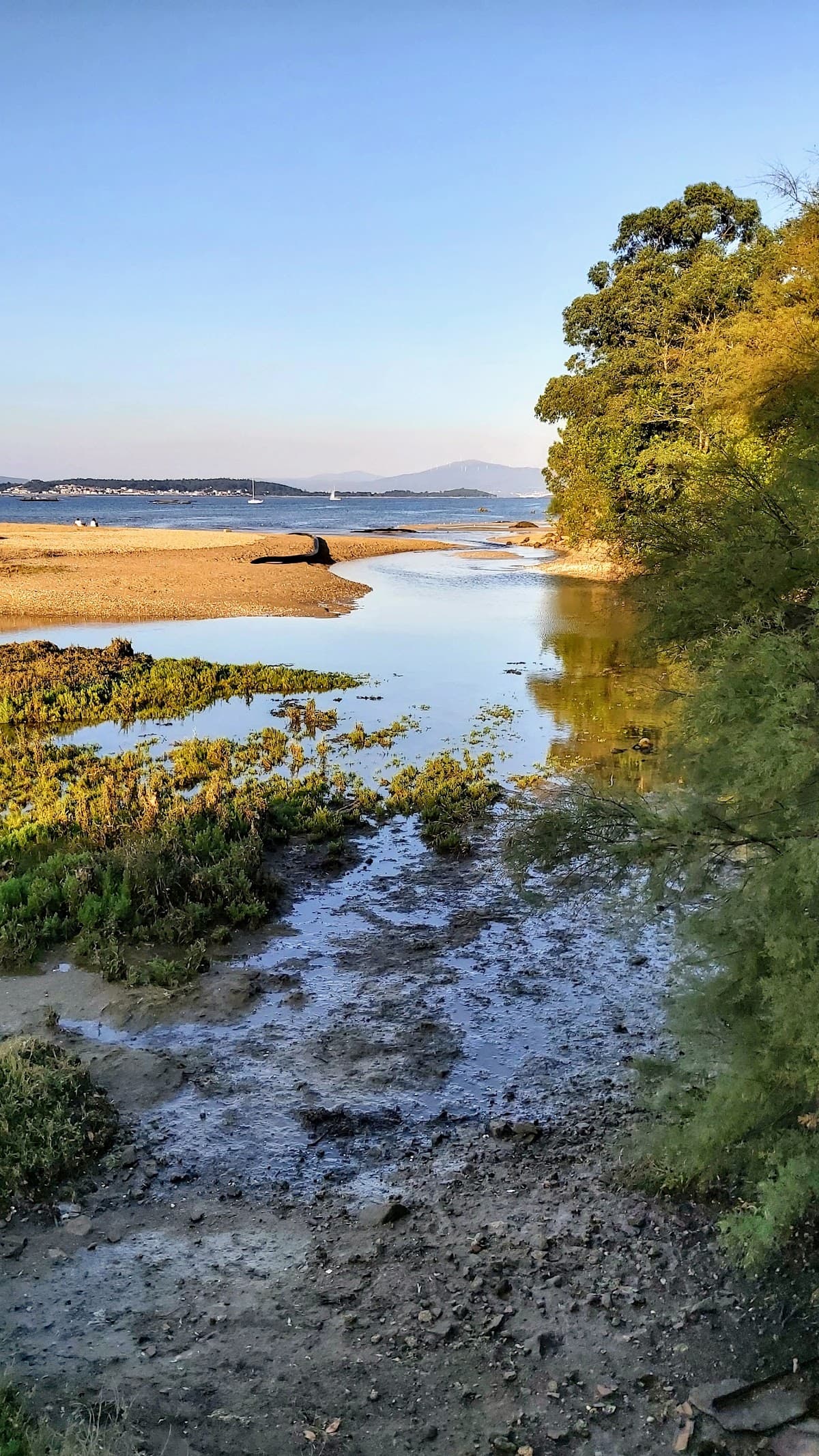
Galicia feels like Spain's best-kept secret, even though millions of pilgrims end their Camino journey in Santiago de Compostela every year. This is Spain's Celtic corner, where bagpipes echo through medieval streets and the Atlantic crashes against dramatic coastlines. Here, you'll find some of Europe's best seafood, ancient stone villages that time forgot, and a spiritual energy that draws travelers from around the world. The locals speak Galego alongside Spanish, creating a distinct culture that feels both familiar and wonderfully foreign. Rain falls more often here than in the rest of Spain, but that's what keeps the landscapes so impossibly green.
Itineraries coming soon
We're working on adding amazing itineraries for Galicia. In the meantime, try the app to create your own!
Money-Saving Tips
- 1.Menú del día lunches cost €12-15 and include multiple courses plus wine – your best value for traditional Galician food
- 2.Buy seafood directly from fishermen at small ports like O Grove or Sanxenxo for half the restaurant price
- 3.Many churches and monuments in Santiago offer free entry, saving €5-10 per site compared to other Spanish cities
- 4.Local buses between towns cost €2-5 versus €20+ for tourist shuttles
- 5.Albergues (pilgrim hostels) charge €8-12 per night even if you're not walking the Camino
- 6.Galician wines cost €3-6 per bottle in supermarkets versus €20+ in restaurants
- 7.Free thermal baths exist along the Miño river near Ourense – skip the paid spa resorts
- 8.Wednesday markets in towns like Padrón offer local produce at fraction of tourist area prices
Travel Tips
- •Learn basic Galego phrases – locals appreciate the effort and it opens doors in rural areas
- •Always carry a light rain jacket, even in summer – Galician weather changes in minutes
- •Book accommodations early during Holy Years when Santiago sees double the pilgrims
- •Seafood restaurants close between lunch and dinner (3-7pm) – plan meal times accordingly
- •Many museums and attractions close on Mondays – check schedules before planning day trips
- •Driving mountain roads takes twice as long as GPS estimates due to narrow, winding routes
- •Tide times matter for coastal hiking – check before exploring beaches and clifftop paths
- •ATMs can be scarce in small villages – carry cash when exploring rural areas
- •Restaurant portions are generous – consider sharing dishes, especially seafood platters
- •Local festivals happen year-round – ask tourism offices about events during your visit
Frequently Asked Questions
Explore Galicia
Ready to explore Galicia?
Get a personalized itinerary in seconds with Takeoff.
Free on iOS. No credit card required.