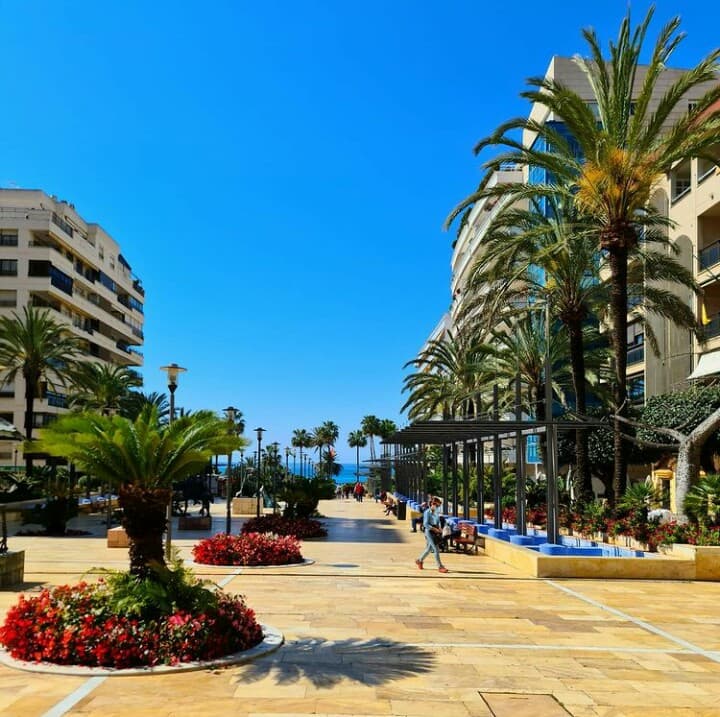
Andalusia
Moorish palaces and flamenco soul of Spain
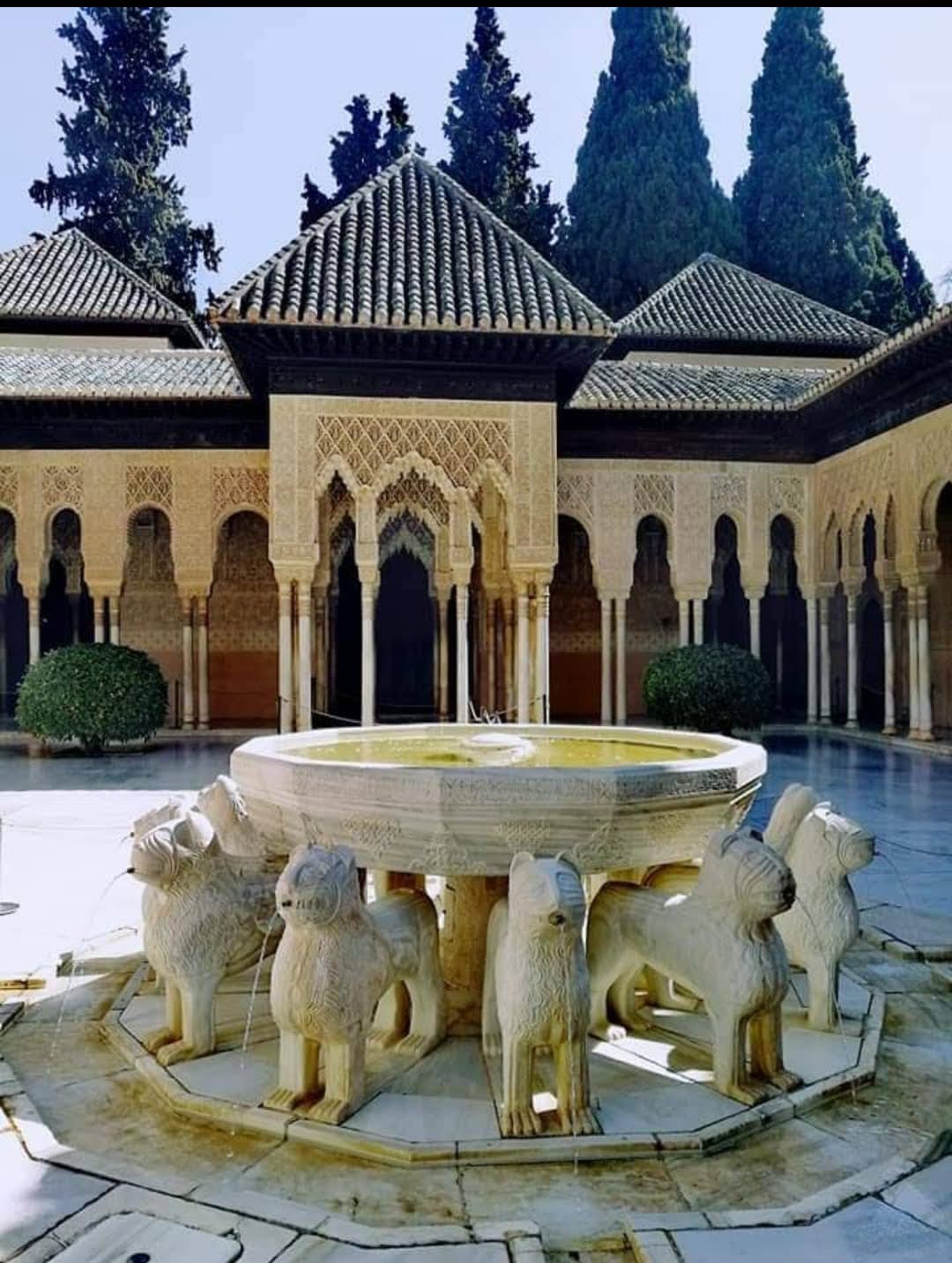
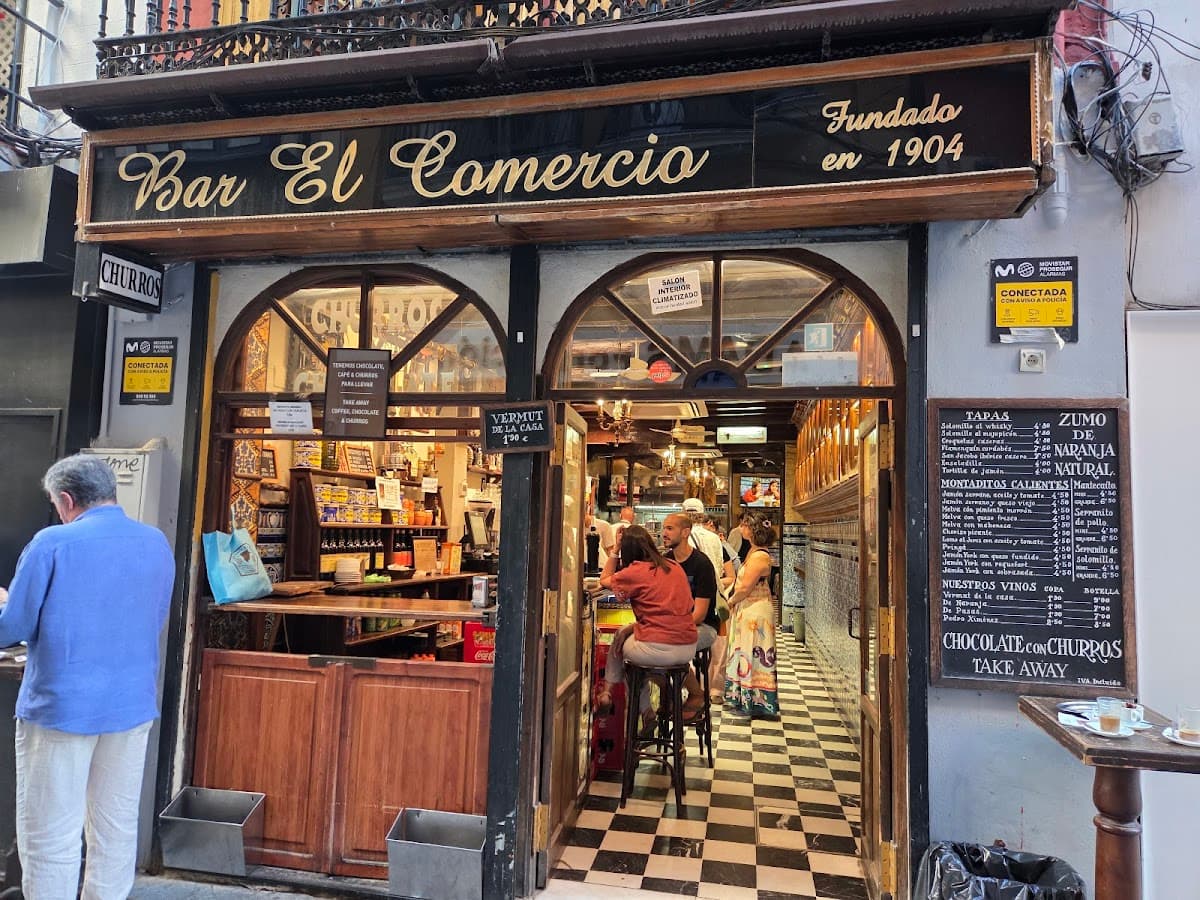
Andalusia hits different. This is where Spain's soul lives - in the intricate tilework of the Alhambra, the passionate stomp of flamenco heels on worn cobblestones, and the sizzle of jamón ibérico in century-old taverns. Eight provinces stretch across southern Spain, each with its own personality but united by an intensity that's hard to find anywhere else. The Moors left their mark here for 800 years, creating architectural masterpieces that still make your jaw drop. But Andalusia isn't stuck in the past - it's a living, breathing region where tradition and modernity dance together like partners in a perfect sevillana.
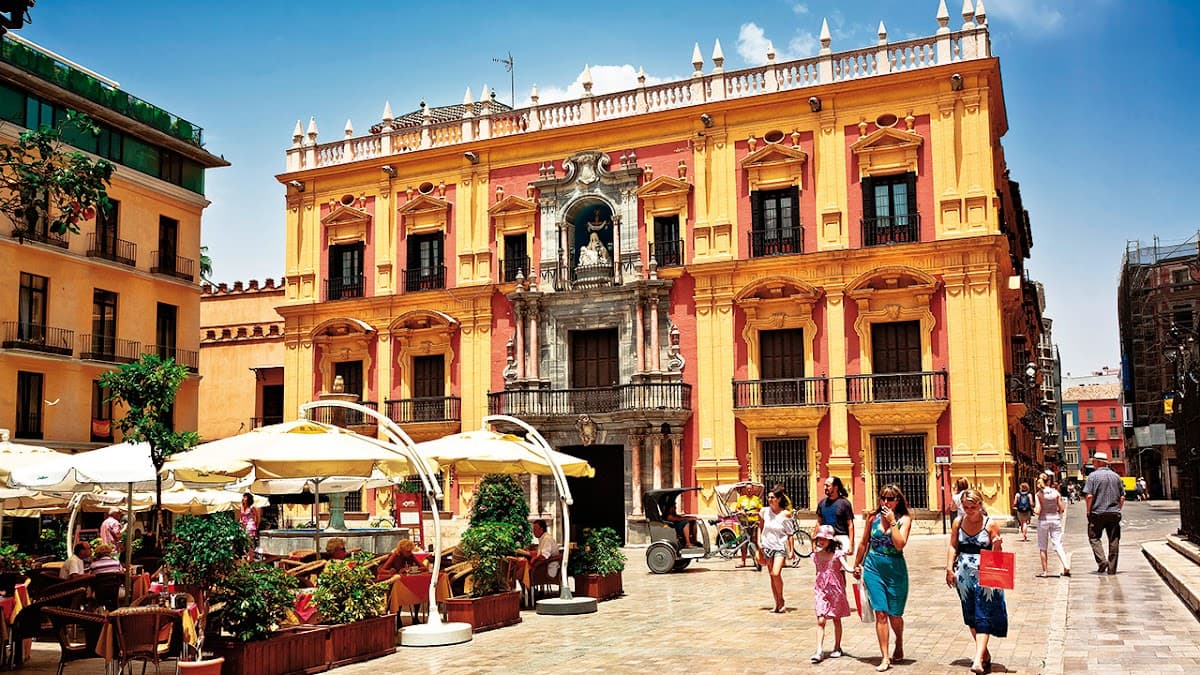
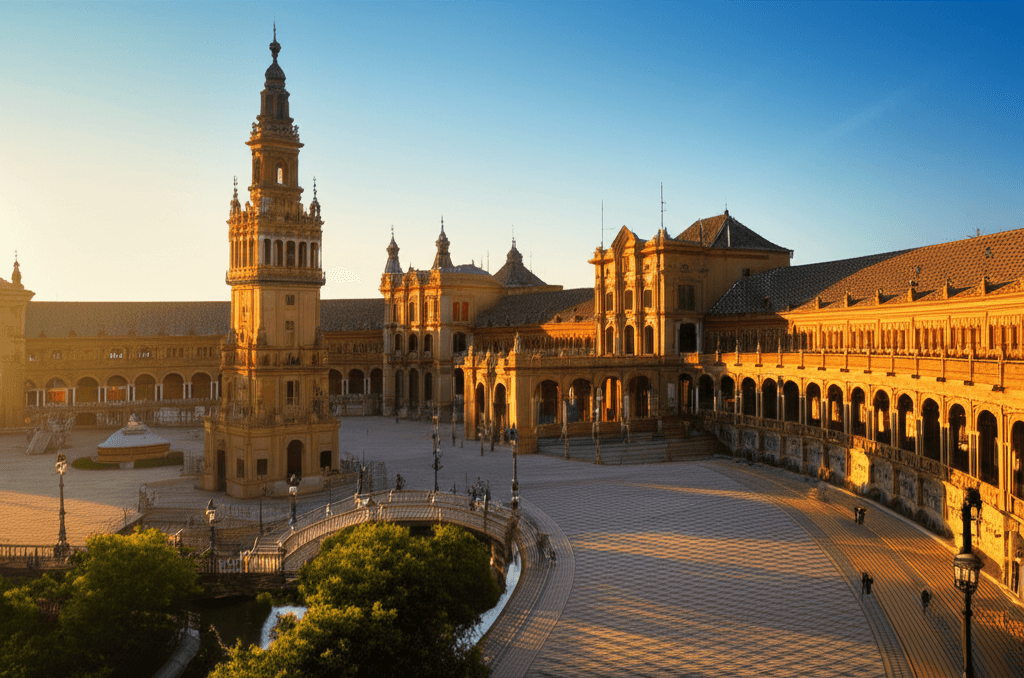
Explore the Region
Money-Saving Tips
- 1.Buy a Bono Turístico in major cities for discounts on attractions, transport, and restaurants - Granada's version saves €20+ per person
- 2.Eat lunch at the bar in restaurants for cheaper prices than table service - same food, half the cost
- 3.Free tapas still exist in Granada - order drinks and small plates come automatically, making dinner cost under €15
- 4.Visit museums on free days: Alhambra offers limited free entry for EU residents, Alcázar in Seville is free Monday evenings
- 5.Stay in smaller towns like Antequera or Úbeda for authentic experiences at 40% less than major tourist centers
- 6.Buy jamón ibérico directly from producers in Jabugo rather than tourist shops - same quality for half the price
- 7.Regional trains cost much less than AVE high-speed service and the scenery is better on slower routes
Travel Tips
- •Book Alhambra tickets 2-3 months in advance - they sell out completely during peak season
- •Learn basic Spanish phrases - English isn't widely spoken outside major tourist areas
- •Bring layers even in summer - air conditioning in restaurants and hotels can be arctic
- •Dinner starts at 9 PM earliest, often later - embrace the schedule or you'll eat alone
- •Flamenco shows in tourist areas are often watered down - ask locals for authentic venues
- •Siesta is real - shops close 2-5 PM, plan accordingly or you'll find everything shuttered
- •Parking in historic centers requires patience and small car skills - consider staying outside and walking in
- •Tipping isn't expected but rounding up the bill or leaving small change is appreciated
- •Download offline maps - GPS can get confused in narrow medieval streets
- •Pack comfortable walking shoes - cobblestones and marble floors can be slippery
Frequently Asked Questions
Explore Andalusia
Ready to explore Andalusia?
Get a personalized itinerary in seconds with Takeoff.
Free on iOS. No credit card required.