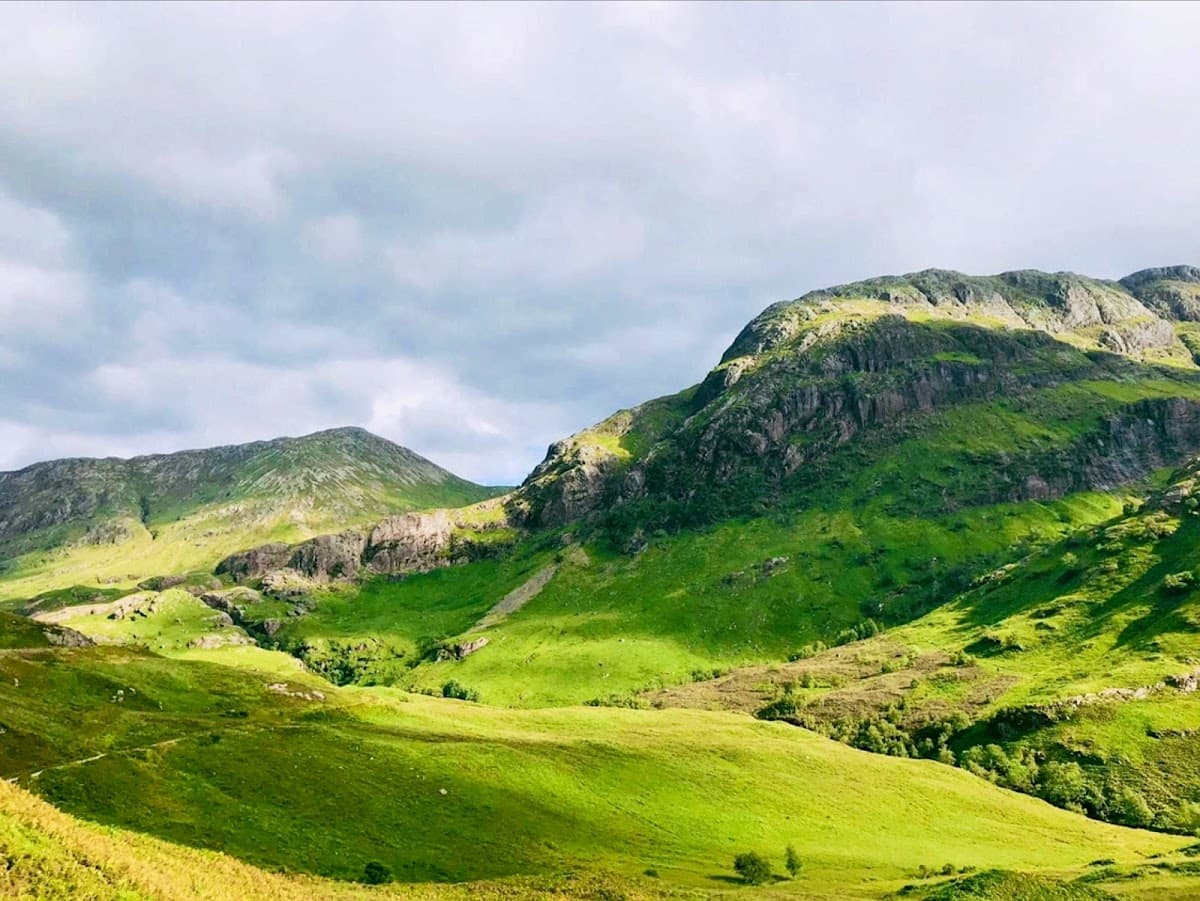
Scottish Highlands
Rugged wilderness where ancient castles meet dramatic landscapes
The Scottish Highlands don't mess around. This is where mountains rise like sleeping giants from mirror-black lochs, where 13th-century castles perch on rocky outcrops, and where you can drive for miles without seeing another soul. Here's the thing — the Highlands aren't just scenic. They're raw, moody, and completely addictive. One minute you're standing beside Loch Katrine watching mist roll off the water, the next you're hiking through Glen Coe wondering how a place can be this dramatic. The weather changes faster than your mood, but that's part of the charm. Pack layers, embrace the unpredictability, and prepare for landscapes that'll make your Instagram followers very jealous.
Best Months
MAY – SEP
~17°C · moderate crowds
Culture & Context
GAELIC HERITAGE, LOCAL PRIDE
The Highlands are not a theme park version of Scotland — though you'd be forgiven for thinking so in Portree in August. The region covers the entire northern half of Scotland, and the further north you go, the more the landscape shifts from tourist trail to actual wilderness. People here are genuinely warm but not performative about it.
Don't expect tartan-and-bagpipes at every corner. What you will find is a strong sense of local identity tied to land, clan history, and Gaelic heritage. Around 60,000 people still speak Scottish Gaelic, concentrated in the Highlands and Islands.
The government actively promotes it — road signs are bilingual — and learning even a few words earns you real goodwill. Crofting culture (small-scale subsistence farming) is still practiced across the region and shapes everything from land rights to community rhythms. The 2026 Commonwealth Games in Glasgow are pulling some national attention south this summer, but the Highlands remain stubbornly their own thing.
Scotland has zero tolerance for drink-driving, enforced seriously. And on single-track roads — which dominate the north — always wave to thank drivers who pull into passing places for you. It's not optional, socially speaking.
Local Customs
WAVE AT PASSING PLACES
Wave to other drivers on single-track roads when they pull into a passing place for you. It sounds minor. It's not — locals notice if you don't..
Scotland has near-zero tolerance for drink-driving. If you're doing a distillery tour, either have a designated driver, use a tour operator, or don't drive that day. A breathalyser the morning after is genuinely worth considering..
Tipping culture is relaxed. In restaurants with table service, 10% is fine for good service, but check the bill first as many places now add a 10–12.5% service charge automatically.
Pubs don't expect tips at all — rounding up is considered generous.. Wild camping is legal in Scotland under the Land Reform Act, but with rights come responsibilities. Leave no trace is taken seriously by locals and rangers — carry a trowel, pack out all waste, and don't camp in one spot for more than two or three nights..
Slàinte (pronounced 'slanj-a') is how you toast at the bar. Use it. Locals will appreciate it.
If someone says 'haste ye back' as you leave a shop or pub, it means come back soon — it's a genuine farewell, not just a sign on the wall.. The midge situation is real, not a myth. From May to September, especially at dusk and near still water, these tiny biting insects swarm.
Smidge repellent (available in most Highland pharmacies and outdoor shops) is the local recommendation. Avon Skin So Soft also has a cult following. Breezy coastal spots are your friend..
Don't attempt the Bealach na Bà pass in a large motorhome. The road sign warns against it. The hairpin bends are 180-degree turns with steep drops, and longer vehicles have gotten stuck.
Take the A896 alternative instead.. Fuel up whenever you see a petrol station in remote areas. Gaps between stations in the far north can be significant, and prices in remote glens run 10–15% higher than in cities.
Safety
RESPECT THE WEATHER
The Highlands are generally very safe for visitors, but the landscape itself demands respect. Weather changes fast — genuinely four seasons in a single day is not a cliché here. Always check forecasts before hill walks and tell someone your route if you're heading into remote terrain. Mobile signal drops to zero in large parts of the north, so don't rely on Google Maps to bail you out.
Midges are the most universally complained-about hazard from May to September. They're worst at dusk, near still water, and on calm overcast days. Smidge repellent is the local solution of choice and is sold at most outdoor shops and pharmacies across the Highlands. They're annoying, not dangerous — but they can genuinely ruin an evening sitting outside if you're unprepared.
Single-track roads dominate the north. The official speed limit is 60mph, but you won't be doing that. Use passing places correctly — pull in on your left to let oncoming traffic pass, or to let faster vehicles behind you overtake. Don't park in passing places. Local police take road safety on the NC500 seriously, and the route has a Visitor Pledge encouraging respectful driving.
Scotland has zero tolerance for drink-driving. The limit is effectively zero — lower than in England. If you're doing distillery tours, plan your transport separately. Ticks are present in long grass and bracken during warmer months. Check yourself after hikes, especially through heather moorland. Bring a tick removal tool if you're doing serious hiking.
Getting Around
CAR ESSENTIAL, SINGLE-TRACK ROADS
The honest truth about getting around the Highlands: you need a car. Public transport connects the main towns — Inverness, Fort William, Aviemore — but the moment you want to reach a viewpoint, a distillery, or a beach, the bus doesn't go there. From 23 March 2026, Highland bus single fares are capped at £2 per journey for all passengers, which makes the inter-town connections genuinely affordable. But the network still has gaps.
Car rental starts at around £98/day for a compact. Book a smaller car deliberately — single-track roads and tight parking areas favor smaller vehicles. Automatics are available but cost more and have lower supply, so book early if you need one.
The Glasgow to Inverness train takes about four hours and costs from £16 booked in advance. It's a legitimate scenic journey in itself, passing through Rannoch Moor. From Inverness, the train network fans out to Wick, Thurso, and Kyle of Lochalsh (for Skye), though services are infrequent and slow.
The North Coast 500 (NC500) is the main road trip circuit: 516 miles starting and ending in Inverness, looping through the Caithness, Sutherland, and Wester Ross coastlines. Plan at least 5–7 days minimum. The west coast section is the dramatic one — save it for last. Top up fuel whenever you see a station. Prices in remote glens run 10–15% higher than in the city.
If you're heading to the Islands, CalMac ferries connect Oban to Mull and Iona, Ullapool to Stornoway, and multiple points to Skye. Passenger fares are manageable. Taking a vehicle costs significantly more and requires advance booking in summer.
Useful Phrases
Itineraries coming soon
We're working on adding amazing itineraries for Scottish Highlands. In the meantime, try the app to create your own!
Money-Saving Tips
- 1.Book accommodation early for summer visits — Highland hotels fill up fast and prices double
- 2.Many distilleries offer free tours if you skip the premium tastings
- 3.Fill up your car whenever you see a petrol station — remote Highland stations charge premium prices
- 4.Pack your own lunch for hiking days — mountain cafes are rare and expensive
- 5.Consider staying in hostels or bothies instead of hotels to stretch your budget
- 6.Buy a Historic Scotland Explorer Pass if visiting multiple castles
- 7.Local pubs often serve better food than tourist restaurants at half the price
- 8.Shop at Tesco or ASDA in larger towns before heading to remote areas where groceries cost more
Travel Tips
- •Download offline maps — cell service disappears quickly in the mountains
- •Always tell someone your hiking route and expected return time
- •Pack waterproof layers even on sunny days — Highland weather changes instantly
- •Learn single-track road etiquette before driving remote routes
- •Bring midge repellent between May and September, especially for evening outdoor activities
- •Book ferry tickets in advance during summer months to avoid disappointment
- •Carry cash — many remote pubs and shops don't accept cards
- •Check tide times if exploring coastal areas or planning beach walks
- •Respect the Scottish Outdoor Access Code when hiking or wild camping
- •Allow extra travel time — Highland distances are deceptive and roads are slow
Frequently Asked Questions
Explore Scottish Highlands
BUILD YOUR SCOTTISH HIGHLANDS PLAN
Insider picks, smart timing, and a plan ready when you are.