Bora Bora
Ultimate tropical paradise with overwater bungalows and lagoons
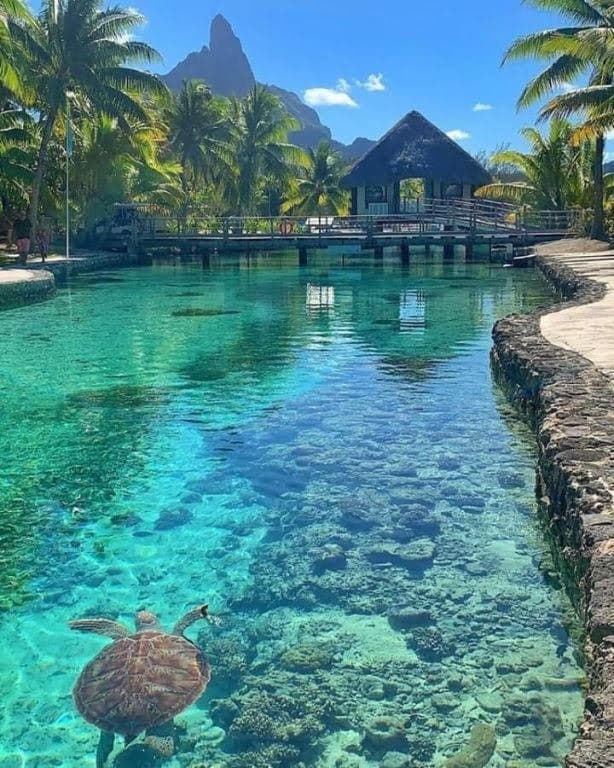
Look, I'll be straight with you about Bora Bora. Yes, it's expensive. Yes, it's touristy. And yes, it's absolutely worth every penny if you can swing it. This volcanic island in French Polynesia delivers on every tropical fantasy you've ever had — turquoise lagoons so clear you can count fish from your overwater bungalow deck, Mount Otemanu rising dramatically from the center like something out of Jurassic Park, and sunsets that make you forget how much you paid for that cocktail. The thing about Bora Bora is that it doesn't try to be anything other than paradise. And sometimes, that's exactly what you need.
Local Knowledge
Culture & Context
Bora Bora sits at the intersection of Polynesian identity and French administration, and you feel that tension constantly. The official languages are French and Tahitian, but most locals prefer Tahitian at home. Outside of resorts, English is less common than you might expect, so a few French phrases go a long way. Polynesian culture is deeply rooted in concepts like mana (spiritual power), community, and respect for elders and ancestors. The ocean is not a backdrop here. It's central to identity, history, and daily life. Traditional tattooing (tifaifai) and outrigger canoe paddling (va'a) are living cultural practices, not tourist performances. On the surface, Bora Bora can feel like a luxury resort bubble, but step into Vaitape or attend a festival and a very different, genuinely warm community reveals itself. Polynesian hospitality is real. But it requires meeting it halfway.
Safety
Bora Bora is genuinely one of the safest destinations on earth. Violent crime against tourists is essentially unheard of. The main concern is petty theft — unattended bags at the beach, gear left on snorkeling boats. Use your hotel safe for passports and valuables. That's about as worried as you need to be on land. The ocean is a different story. Strong currents run through the passes (particularly Teavanui Pass), and you should never swim alone or ignore local guide instructions on boat trips. The lagoon itself is calm and safe for swimming. The blacktip reef sharks you'll encounter on tours are not aggressive and have never attacked a tourist in Bora Bora — but don't feed or touch them. Dengue fever is present on the island, transmitted by Aedes mosquitoes that are most active at dawn and dusk. Bring DEET-based repellent. Tap water is safe to drink — Bora Bora has a large desalination plant. For medical care, there's a small clinic in Vaitape for minor issues. Anything serious requires air evacuation to Tahiti (roughly 45-50 minutes). Travel insurance with medical evacuation coverage is not optional here — it's essential. Cyclone season runs November through April. Bora Bora sits on the edge of the typical cyclone zone, so severe storms are rare, but flights and ferries can be disrupted during bad weather. Book refundable rates if traveling in the shoulder or wet season.
Getting Around
There are no direct international flights to Bora Bora. Everyone arrives the same way: fly into Papeete's Faa'a International Airport (PPT) first — roughly 8.5 hours from Los Angeles on a nonstop — then take a 45-minute domestic flight to Bora Bora Airport (BOB) on Motu Mute. Air Tahiti runs multiple flights daily. Book domestic legs as early as possible, because prices spike sharply in the weeks before departure. A free ferry from the airport motu to Vaitape's main dock takes about 15 minutes (Air Tahiti and Air Moana run these in sync with flight arrivals). Luxury resort guests get picked up by private resort boats at the airport dock instead. On the main island, scooters are the move. They rent for around 5,000-7,000 XPF/day ($45-63) and cover the entire 31km coastal road easily. Bikes are cheaper and available free at some resorts — the loop is manageable with a couple of small hills. Le Truck (the local bus service) is technically available but runs on irregular school and ferry hours and has a reputation for being unreliable. Taxis exist but must be pre-booked — no Uber, no hailing from the street. Always agree on a fare before you get in, and note that prices increase after 7pm (Vaitape to Matira costs at least 1,500 XPF/$15 by day). Resort guests on motus rely on scheduled resort shuttle boats (some free, some not — Conrad charges ~$69 one way from the airport) or private water taxis booked through services like Viator. Water taxis are flexible and on-demand, ideal when resort shuttles don't fit your schedule. For island-hopping to Raiatea or Taha'a, there's a daily ferry from the Vaitape dock.
Useful Phrases
Hello / Good day — the universal greeting that works morning, afternoon, and evening. Use it when walking into any shop or restaurant.
Thank you. This one word will open more doors than anything else in your phrasebook.
Thank you very much. Roa intensifies it. Use after a great meal or a particularly helpful guide.
Good / Fine. Also the answer to 'how are you?' — and yes, it's also the name of the cocktail.
How are you? A simple way to open a conversation beyond the basic greeting.
Goodbye. Short, warm, easy to remember.
No. Also used to say 'none' or 'nothing.' You'll hear it constantly.
No worries / Don't stress. The local philosophy in three words. The apostrophe marks a brief glottal pause between the vowels.
Local Customs
- •Greet people with 'Ia Ora Na' and thank them with 'Mauruuru' — locals genuinely appreciate it more than being addressed in French.
- •Dress modestly when away from the beach. Swimwear is fine at resorts and beaches, but wandering into Vaitape in just a bikini is considered disrespectful.
- •Always ask permission before photographing locals, especially children and elders. A smile and a gesture toward your camera usually works.
- •Tipping is not culturally expected the way it is in the US. Many resorts include a service charge. A 5-10% tip for genuinely outstanding service is appreciated but never obligatory.
- •At ancient stone temples (marae), keep quiet, dress with covered shoulders and knees, and do not touch or climb the structures. These are active spiritual sites, not ruins.
- •Remove shoes when entering a private home.
- •Public displays of affection should stay modest, especially outside of resorts.
- •The concept of 'aita pe'a pe'a' (no worries, don't stress) shapes the pace of daily life. Things move slowly and not always on schedule. Fighting the pace just makes it worse.
- •When using a card at a shop or restaurant, always choose to pay in XPF rather than your home currency. You'll get a much better exchange rate.
- •Reef-safe sunscreen only. This is not just a guideline — it's a matter of protecting the lagoon ecosystem that defines the entire island.
Bora Bora Itineraries

Money-Saving Tips
- 1.Book overwater bungalows directly with resorts for better upgrade chances and included perks like breakfast or spa credits
- 2.Visit during shoulder season (May-June or September-October) for 20-30% lower rates and better weather than peak season
- 3.Stock up on wine and spirits at Tahiti airport duty-free before flying to Bora Bora — resort alcohol prices are astronomical
- 4.Eat lunch at local snack bars in Vaitape instead of resort restaurants to cut meal costs in half
- 5.Book lagoon tours through local operators rather than resort concierges to save 40-50% on excursions
- 6.Consider staying on the main island rather than a private motu to access cheaper dining and transportation options
- 7.Bring reef-safe sunscreen from home — a small bottle costs 3,000 CFP at resort shops
Travel Tips
- •Pack reef shoes for walking on coral and protection from sea urchins in shallow lagoon areas
- •Bring a waterproof phone case for lagoon activities and underwater photos — the water clarity is incredible
- •Download offline maps before arriving as WiFi can be spotty outside of major resorts
- •Book spa treatments for late afternoon to avoid peak sun hours while still enjoying daylight
- •Pack light layers for air-conditioned restaurants and boats even though days are warm
- •Bring cash (CFP francs) for local restaurants and markets as many don't accept cards
- •Schedule snorkeling and water activities for morning hours when visibility is best and marine life is most active
Frequently Asked Questions
Explore Bora Bora
Ready to explore Bora Bora?
Get a personalized itinerary in seconds with Takeoff.
Free on iOS. No credit card required.