Orkney Islands
Ancient mysteries scattered across windswept Scottish isles
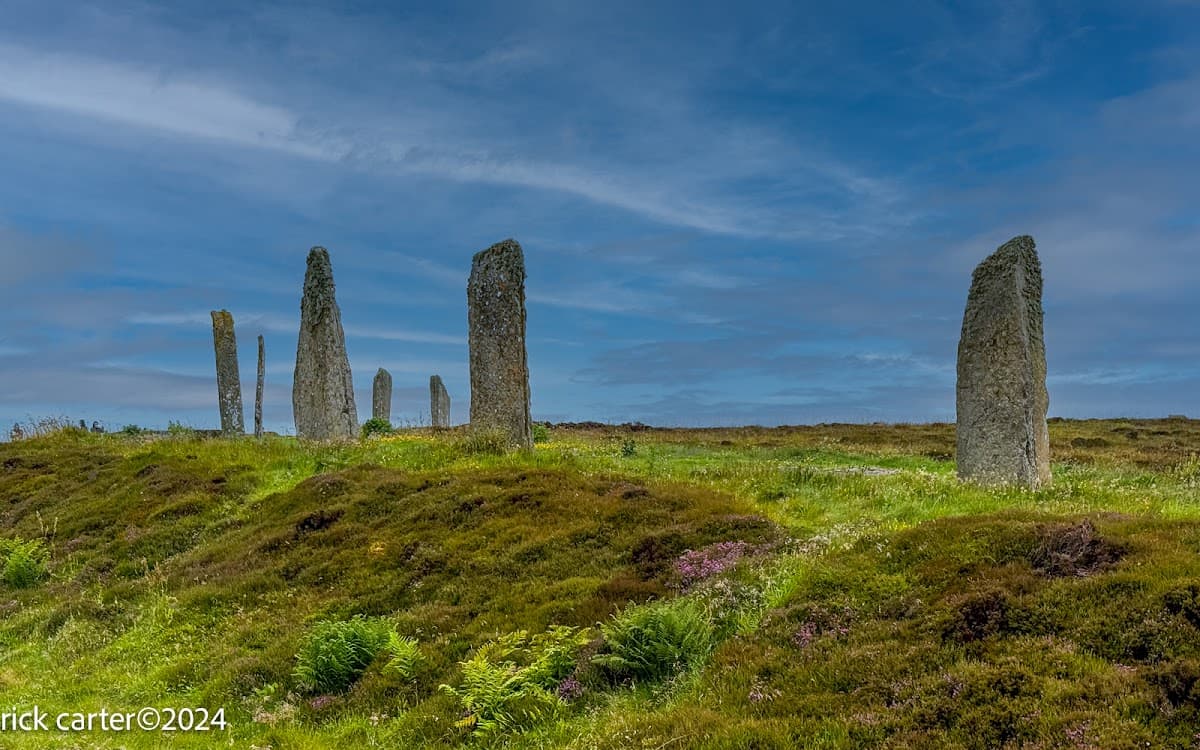
Forget everything you think you know about Scottish islands. The Orkneys aren't your typical Highland escape with kilts and bagpipes. These 70 scattered isles north of the mainland feel more Nordic than Celtic, shaped by 5,000 years of human history and relentless Atlantic winds. Here, Stone Age villages sit better preserved than Roman ruins, while seabirds outnumber tourists by thousands to one. The landscape shifts from dramatic cliffs to rolling farmland in minutes, and locals still speak with accents that hint at their Viking heritage. This is Scotland's best-kept secret – ancient, wild, and refreshingly uncommercial.
Itineraries coming soon
We're working on adding amazing itineraries for Orkney Islands. In the meantime, try the app to create your own!
Money-Saving Tips
- 1.Ferry costs add up quickly – book return tickets for better deals and consider staying longer to justify the journey
- 2.Many archaeological sites are free to visit, including Skara Brae's exterior viewing and the Ring of Brodgar stone circle
- 3.Local distilleries offer free tastings with tours – Highland Park and Scapa both provide excellent value for whisky lovers
- 4.Self-catering accommodation saves money on food, especially when you buy local beef and seafood directly from producers
- 5.Orkney Islands Council offers annual passes for multiple Historic Scotland sites if you're planning extensive archaeological exploration
Travel Tips
- •Download offline maps before arriving – mobile signal can be spotty between towns and archaeological sites
- •Pack serious waterproof gear and layers – Orkney weather changes faster than you can check the forecast
- •Book accommodation well ahead for summer visits – the islands have limited hotel rooms and popular B&Bs fill up months early
- •Bring cash for small shops and cafes – many local businesses still prefer cash payments over cards
- •Check ferry schedules obsessively and have backup plans – weather cancellations happen regularly, especially in winter
- •Respect archaeological sites by staying on marked paths – these 5,000-year-old structures are irreplaceable
- •Time your puffin viewing for June and July when colonies are most active on Westray and Papa Westray cliffs
Frequently Asked Questions
Explore Orkney Islands
Ready to explore Orkney Islands?
Get a personalized itinerary in seconds with Takeoff.
Free on iOS. No credit card required.