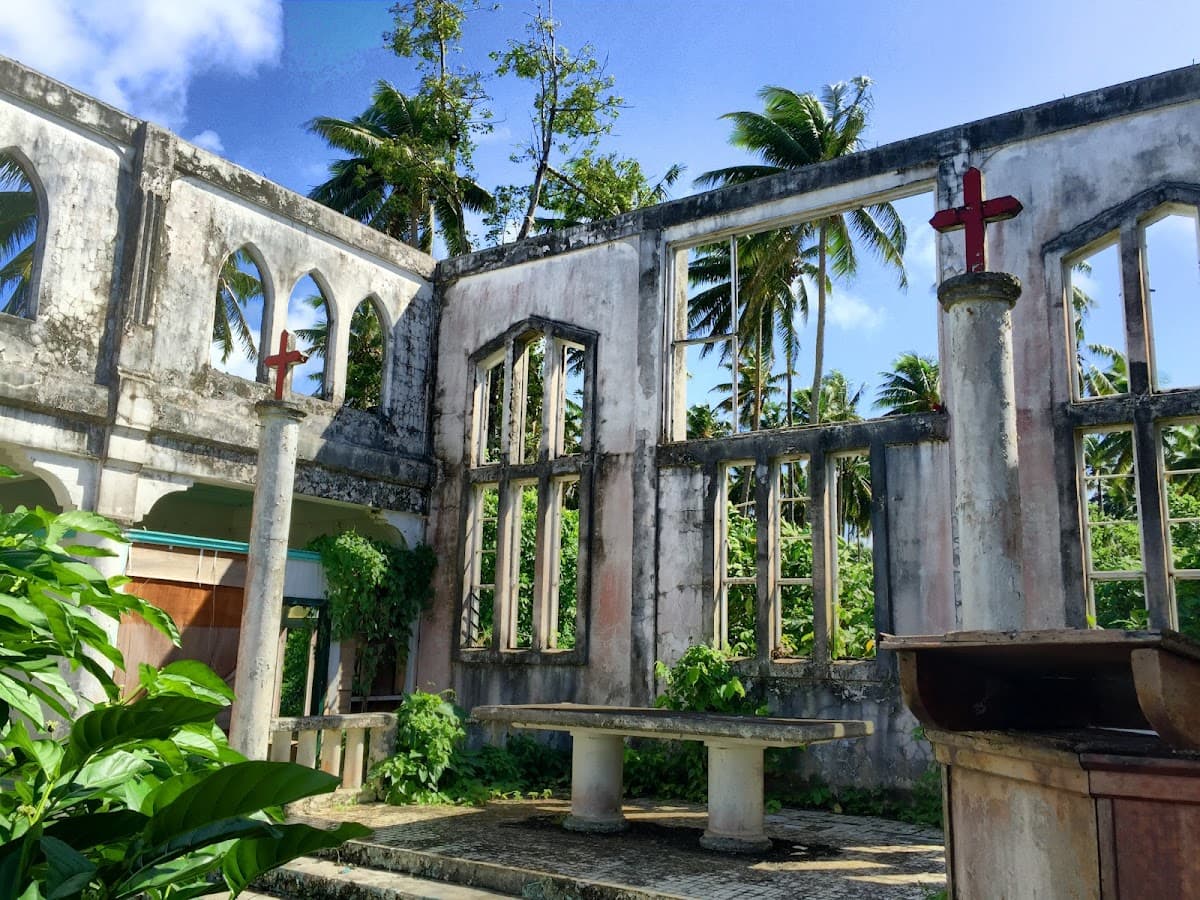
Lotofaga
Authentic Samoa in Pristine Tropical Serenity
Lotofaga sits on Samoa's southeastern coast like a postcard that hasn't been mass-produced yet. This village on Upolu Island delivers what most Pacific destinations promise but rarely deliver: genuine local culture without the tourist circus. You'll find traditional fales dotting white sand beaches, families still living off the land and sea, and prices that won't require a second mortgage. But here's the thing - Lotofaga isn't trying to be anything other than itself. The roads are rough, the nightlife is nonexistent, and your biggest decision each day might be which coconut tree to nap under.
Best Months
MAY – OCT
~28°C · moderate crowds
Culture & Context
FA'A SAMOA RULES
Lotofaga runs on fa'a Samoa — the Samoan way — which puts family (aiga), community, and respect ahead of everything else. The village has real political weight: it's the home constituency of Fiame Naomi Mata'afa, Samoa's first female prime minister. Sunday is not a day for sightseeing.
Shops close, life slows down, and church attendance is near-universal. To Sua Ocean Trench does open after 12:30 PM on Sundays, but treat that as the exception, not the rule. Every evening around 6 PM, villages observe the Sa, a 10–20 minute prayer curfew where you stop moving, keep quiet, and don't walk through the village.
It's brief, and locals are forgiving of confused tourists who stand still looking puzzled — but knowing about it in advance is just respectful. The village meeting house (fale tele) is the political and ceremonial heart of Lotofaga. You can visit, but ask permission first and don't wander in like you own the place.
Local Customs
SHOES OFF ALWAYS
Always remove your shoes before entering a fale or someone's home. No exceptions.. The Sa (evening prayer curfew) runs around 6–7 PM in villages.
Stop walking, stay quiet, wait the 10–20 minutes. Locals respect it deeply.. Don't touch anyone's head or pass objects over it — it's considered disrespectful..
Sit at the same level as the person you're talking to. Standing over someone seated is rude.. Dress modestly in the village: shoulders and knees covered for both men and women.
A lavalava (sarong) is practical and appreciated.. Ask permission before photographing anyone. This matters more here than at tourist spots..
Don't walk around eating in the village — it's considered impolite.. If invited to someone's home, wait to be told where to sit. Don't bring food as a gift; it implies they haven't prepared enough..
The customary beach and attraction fees you'll pay (WST 5–20) go directly to the village. They're not tourist traps — most land in Samoa is village-owned.. Sundays are quiet by design.
Respect the pace. Don't honk, rush, or act like the beach is open for business before midday.
Safety
NATURAL HAZARDS MAINLY
Lotofaga is genuinely safe by any measure. The bigger risks are environmental, not human. The ladder into To Sua has no guardrail and gets extremely hot in direct sun — people with vertigo or bad knees should think carefully before going down.
The trench itself has strong tidal currents near the ocean-side cave opening, and the water depth swings from 2.4 to 5 meters depending on the tide. There is no supervision.
Don't bring small kids into the water without a flotation device. On the coastal lava fields, waves come in fast and hard on the rocks — stay well back from the edge. Stray dogs appear in rural villages throughout Samoa, so use normal caution.
Dengue fever is a real risk; use insect repellent consistently. Petty theft is rare in village areas but does happen at popular beaches across Samoa — don't leave valuables in a parked car. Carry cash because there are no ATMs near Lotofaga.
The US State Department rates Samoa as "exercise normal precautions." The Sa prayer curfew (6–7 PM) is not a safety issue, just a cultural one — stop and wait it out.
Getting Around
RENT A CAR
Lotofaga sits about 44 minutes by car from Apia along the south coast of Upolu. From Faleolo International Airport, budget around 60–75 minutes total. Car rental is the most practical option for the south coast — a 4WD isn't essential but helps on rougher side roads.
Scooters can be rented in Apia for WST 40–95 per day (you'll need a Samoan temporary driver's license, around WST 21). Public buses run from Apia's Fugalei Market toward the east coast but are infrequent and don't stick to a published schedule. Motorbike taxis within the village area run $2–4 USD.
Hitching with locals is common and generally safe, though you're dependent on timing. From Lalomanu Beach to the east, Lotofaga is about 1.5 km along the coastal road or a 20–30 minute walk along the shore path through Matatufu.
There are no rideshare apps on Upolu. Taxis from Apia to Lotofaga don't have meters — agree on a price before you get in.
Useful Phrases
Money-Saving Tips
- 1.Beach fales cost 80-120 tala per night - book directly with owners to skip commission fees
- 2.Stock up on groceries in Apia before arriving - village stores charge 30-50% more for basics
- 3.Rental cars from Apia start at 200 tala per day - split costs with other travelers
- 4.Local bus to Apia costs 10 tala vs 120 tala for private transport
- 5.Bring cash - no ATMs in Lotofaga and card payments are rare
- 6.Sunday family meals sometimes welcome visitors for 50 tala - ask your hosts
Travel Tips
- •Pack insect repellent - mosquitoes are relentless, especially at dawn and dusk
- •Bring reef-safe sunscreen - the sun reflects off white sand and clear water intensely
- •Download offline maps before leaving Apia - cell coverage is spotty
- •Learn basic Samoan greetings - 'Talofa' goes a long way with village elders
- •Respect Sunday as a day of rest - most activities and transport shut down
- •Pack a good book - this is the perfect place to finally finish that novel