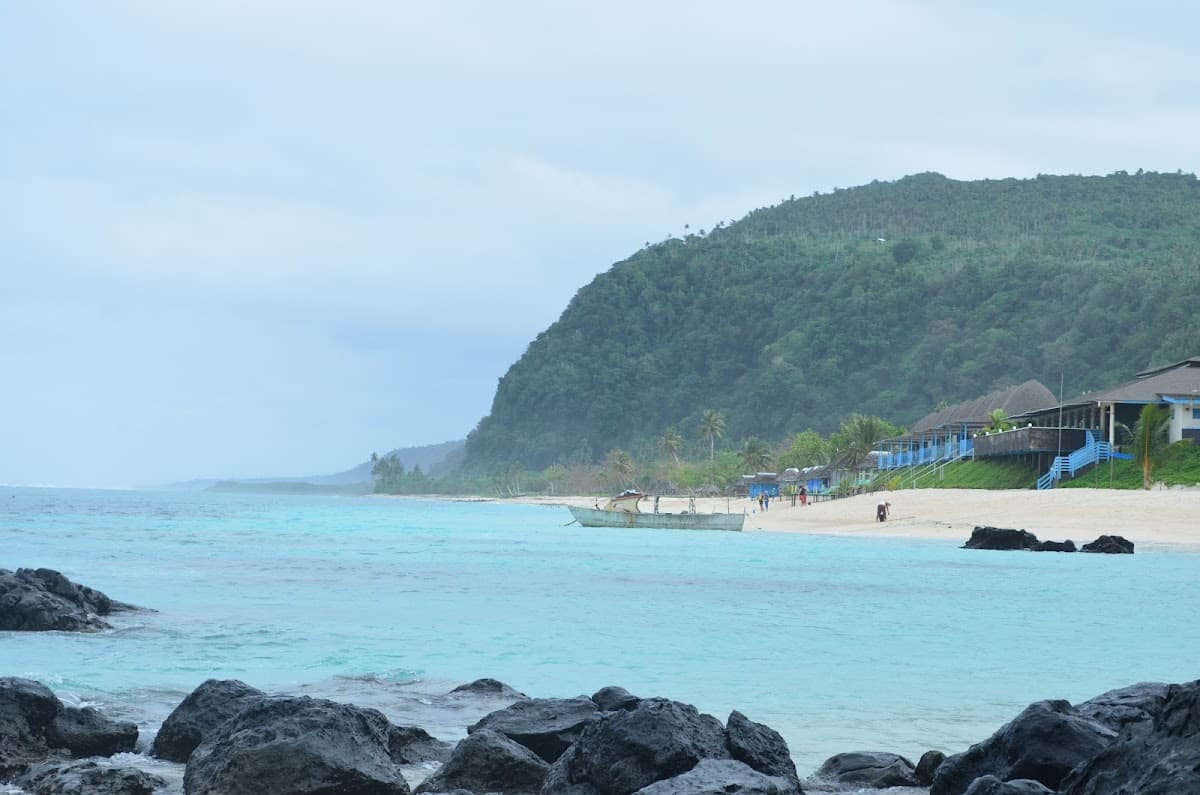
Lalomanu
Samoa's pristine village where tradition meets turquoise waters
Look, most people skip right past Lalomanu on their way to Samoa's bigger attractions. Their loss. This tiny village on the southeastern coast of Upolu delivers everything you came to the South Pacific for — crystal-clear lagoons, genuine Samoan hospitality, and zero tourist crowds. The 2009 tsunami devastated this community, but they've rebuilt with remarkable resilience. Today, you'll find traditional fales (open-sided houses) dotting the coastline, families fishing in outrigger canoes, and some of the clearest water you'll see anywhere. The village sits between two stunning beaches, with coral reefs perfect for snorkeling just steps from shore. Here's the thing — Lalomanu isn't trying to be anything other than itself. And that authenticity is exactly what makes it special.
Best Months
MAY – OCT
~29°C · moderate crowds
Culture & Context
FAMILY COLORS REBUILD
Lalomanu sits on the southeastern tip of Upolu island, about 45km from the capital Apia. The whole area runs on Fa'a Samoa, the Samoan way of life, which means family, community, and the church come first. Sunday is treated seriously.
Alcohol sales are prohibited on Sundays, and many services shut down. The different-colored fales along the beach aren't aesthetic choices. Each color identifies which family owns and manages that cluster.
If you've paid to use one family's fales, stay in their section. The village suffered badly in the 2009 tsunami, and the reef is still recovering. Some snorkelers find the coral patchy and the larger fish less abundant than pre-tsunami photos suggest.
Visiting fale operators and buying lunch directly supports families who are still rebuilding their livelihoods. The backdrop island you see from the beach, Nu'utele, was once a leper colony between 1916 and 1918 and is now a seabird conservation area. The islands offshore are collectively called the Aleipata Islands.
Tourism here is genuinely community-driven. Someone's grandmother probably made your breakfast.
Local Customs
SUNDAY SHUTS DOWN
Sunday is serious. No alcohol is sold, many fales and restaurants operate on reduced hours or serve only to guests, and locals attend church. If you happen to be around during a service, the singing is genuinely extraordinary.
Samoan church choirs are not messing around.. When you arrive at a fale cluster, someone will come to collect your beach access fee. This is normal and expected.
Don't ignore it, don't haggle aggressively. It goes directly to the family.. The 'ava (kava) ceremony is a traditional welcome ritual.
If you're invited to participate at a fale, accept graciously. You drink the cup in one go and then clap once with cupped hands.. Remove your shoes before entering a fale.
This applies to both the open-sided beach huts and any village home you're invited into.. Locals speak both Samoan and English fluently. You won't need Samoan to get around, but using a few words earns genuine warmth rather than just polite smiles..
Stray dogs are common throughout Samoa, including near Lalomanu. Don't approach them, especially packs. Give them a wide berth if walking or jogging early morning..
Dress modestly when leaving beach areas and entering villages. A lavalava (wraparound sarong) over swimwear is appropriate and can be bought cheaply anywhere on the island.
Safety
DENGUE NETS REQUIRED
Samoa's Ministry of Health has an active dengue outbreak warning as of 2026. Bring strong insect repellent and use it, especially at dusk. The open-sided fales offer no barrier against mosquitoes at night.
Confirm your accommodation has mosquito nets before booking. The beach is subject to strong tides and rip currents, particularly after rough weather. Ask locals specifically which parts of the beach are safe on the day you're swimming.
Some reviewers have noted a significant rip in certain conditions. The entire region sits in a high seismic zone. The 2009 tsunami was devastating here.
Know the warning signs: ground shaking, unusual water retreat. Move to high ground immediately. Don't wait for an official siren.
Outside Apia, most businesses only take cash. ATMs are in Apia and the airport. Carry enough WST tala before leaving the capital.
Scams at tourist beaches are low-level but real: agree on taxi fares before getting in, and be firm but polite with vendors quoting inflated prices. The legal drinking age in Samoa is 21, and no alcohol is sold on Sundays. Same-sex relationships are criminalized under Samoan law.
LGBTQ+ travelers should be aware of this and exercise caution.
Getting Around
RENT CAR FROM APIA
Lalomanu is about 45km southeast of Apia, taking 1.5 to 2 hours by road. Renting a car at Faleolo International Airport is the most practical option.
It gives you flexibility to stop at To-Sua Ocean Trench, Sopoaga Falls, and roadside fruit stands along the way. The coastal road is paved and reasonably maintained. Local buses run between Apia and Lalomanu for 10-15 WST per person, but departures are irregular and the bus won't drop you precisely at your fale.
A taxi from Apia runs 80-120 WST one-way. Many fale accommodations (including Taufua) will arrange airport transfers for guests, which is worth asking about when you book. Once you're in Lalomanu, you walk everywhere.
The village is small. The beach strip, fales, and the road are all within a few minutes on foot. For Namu'a Island, drive 3km north to Mutiatele village and ask at the waterfront about boat rides.
Cost is 30-50 WST per person, 10 minutes each way. Note: boats don't operate on Sundays. Google Maps sometimes directs you slightly past the main beach area.
Look for signs for Taufua Beach Fales or Lalomanu Beach rather than trusting GPS blindly.
Useful Phrases
Money-Saving Tips
- 1.Bring cash in Samoan tala — the village has no ATMs and limited card acceptance
- 2.Negotiate accommodation rates for stays longer than three nights, especially during weekdays
- 3.Pack snorkeling gear to avoid rental fees — the reef is the main attraction here
- 4.Stock up on supplies in Apia before arriving — village store prices run 30-50% higher
- 5.Sunday umu feasts offer the best value meals if your hosts invite you to join
- 6.Rent cars in Apia rather than arranging transfers for multi-day stays — works out cheaper
Travel Tips
- •Bring reef shoes — the coral can be sharp and sea urchins hide in shallow areas
- •Pack insect repellent and long sleeves for evening mosquitoes near the lagoon
- •Respect Sunday church services and dress codes — this is a deeply religious community
- •Learn basic Samoan greetings like 'Talofa' — locals appreciate the effort
- •Arrange meals in advance with your accommodation — dining options are extremely limited
- •Download offline maps before arriving — cell service can be spotty along the coast