Moorea-Maiao
Remote French Polynesian commune of pristine natural beauty
Look, most people skip right over Moorea-Maiao on their way to Tahiti or Bora Bora. Their loss. This remote French Polynesian commune sits like a forgotten jewel in the Society Islands, where volcanic spires pierce clouds and lagoons glow electric blue. The main island of Moorea feels like Jurassic Park had a baby with a postcard. And tiny Maiao? Population 299. You'll have entire beaches to yourself. Here's everything you need to know about one of the South Pacific's last unspoiled corners.
Best Months
APR – NOV
~27°C · moderate crowds
Culture & Context
MANA, TATTOOS & MAOHI
Moorea sits in French Polynesia's Society Islands, 17 km northwest of Tahiti. It's small (just 134 sq km), mostly rural, and deeply rooted in Maohi (indigenous Polynesian) culture. French is the official language, but Tahitian (Reo Tahiti) is what you'll hear older locals using, and French everywhere you look on menus, road signs, and in shops.
English is understood in most tourist areas and resorts. The island's name means "yellow lizard" in Tahitian. Its older name was 'Aimeho.
Christianity — primarily Protestant and Catholic — shapes daily life significantly. Things close on Sundays. Roosters crow at 6am.
Farming is big. There are pineapple fields, vanilla, and fruit stalls tucked along the single road circling the island. The concept of "mana" — a spiritual life force present in all things — is taken seriously, not as a tourist novelty.
Tattoo culture is ancestral and tied to identity; ask about someone's tattoos with genuine curiosity, not like you're at a tattoo expo. And don't touch anyone's head — that's a real cultural boundary.
Local Customs
NO TIPS, RESPECT TAPU
Tipping is not customary in French Polynesia. Good service doesn't require a gratuity. If you genuinely want to tip, it won't offend, but it's not expected..
Dress modestly away from the beach. Women should cover up with a skirt or dress past the knee when entering villages, churches, or attending cultural events. Swimwear stays at the shore..
Greetings matter. Tahitians greet each other with cheek kisses (French influence) but wait for a local to initiate. Offering a handshake first is perfectly fine..
Sunday is genuinely quiet. Banks, many restaurants, and most shops are closed. Stock up on food and supplies on Saturday..
Don't step over food on the ground or touch someone's head. These are live cultural customs with roots in the concept of 'tapu' (sacred prohibition).. Hitchhiking is common and generally accepted on Moorea.
Locals do it. Public transport is extremely thin, so don't be surprised to see a hand out along the roadside.. If invited to a local home, bring a gift — flowers or food — and pass it with both hands.
Compliment the meal. Offer to help clean up.. Coral reefs are treated with reverence.
Don't touch or stand on coral while snorkeling. Locals take this seriously, and it's the right thing to do.. The Mahu (third gender) identity is a recognized and respected part of Polynesian culture, not a novelty.
Same-sex marriage has been legal since 2013.
Safety
VERY SAFE, DENGUE ALERT
Moorea is genuinely safe. Both violent crime and petty theft are rare, but not zero. Thefts from parked cars and unlocked accommodation have been reported.
Lock your doors and windows at night and don't leave valuables visible in your rental car — ever. Near water, currents in open ocean channels (particularly the channel between the motus off the northwest point) can be strong. Swimming out to snorkel spots looks easy from the beach but can turn hard on the way back.
Hire a boat or join a guided lagoon tour for the exposed spots. Mosquitoes are a real issue inland and away from the coast. Dengue fever is a concern — pack repellent and use it.
From November to April, tropical cyclones are possible. Not common, but not impossible. Roads are generally good on the coastal ring road, but narrow and winding.
Driving at night requires extra caution — animals, cyclists, and pedestrians appear without warning. Road signs are in French. Banks are only in main villages and closed on Sundays, so carry cash accordingly.
Getting Around
FERRY & RENTAL CAR
The ferry is how almost everyone gets here. Two operators — Aremiti and Terevau — run multiple departures daily from Papeete's ferry terminal to Vaiare on Moorea's northeast coast. Round-trip costs roughly $25–35, and the crossing takes 30–45 minutes depending on sea conditions.
Tickets can be bought at the terminal. No advance booking required except in peak season. There's also a 7-minute flight from Tahiti's Faa'a Airport, but at 3–4 times the price, it's hard to justify unless you're pressed for time.
Once on the island, public transport is almost nonexistent. Hitchhiking is normalized and works. But the real move is renting a car or scooter.
Car rental runs ~$50/day — and automatic transmission vehicles are extremely scarce. Book months in advance via Europcar, Avis, or the Hello Car app. The entire island is circled by one main road, roughly 60 km in total.
There are no traffic jams. Just one road, two bays, eight peaks, and everywhere you turn, the lagoon.
Useful Phrases
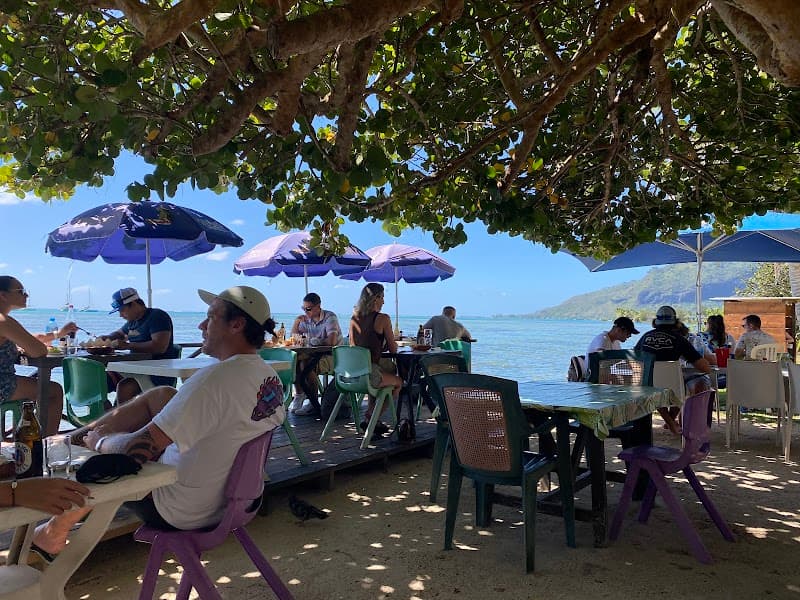

Things to Do in Moorea-Maiao
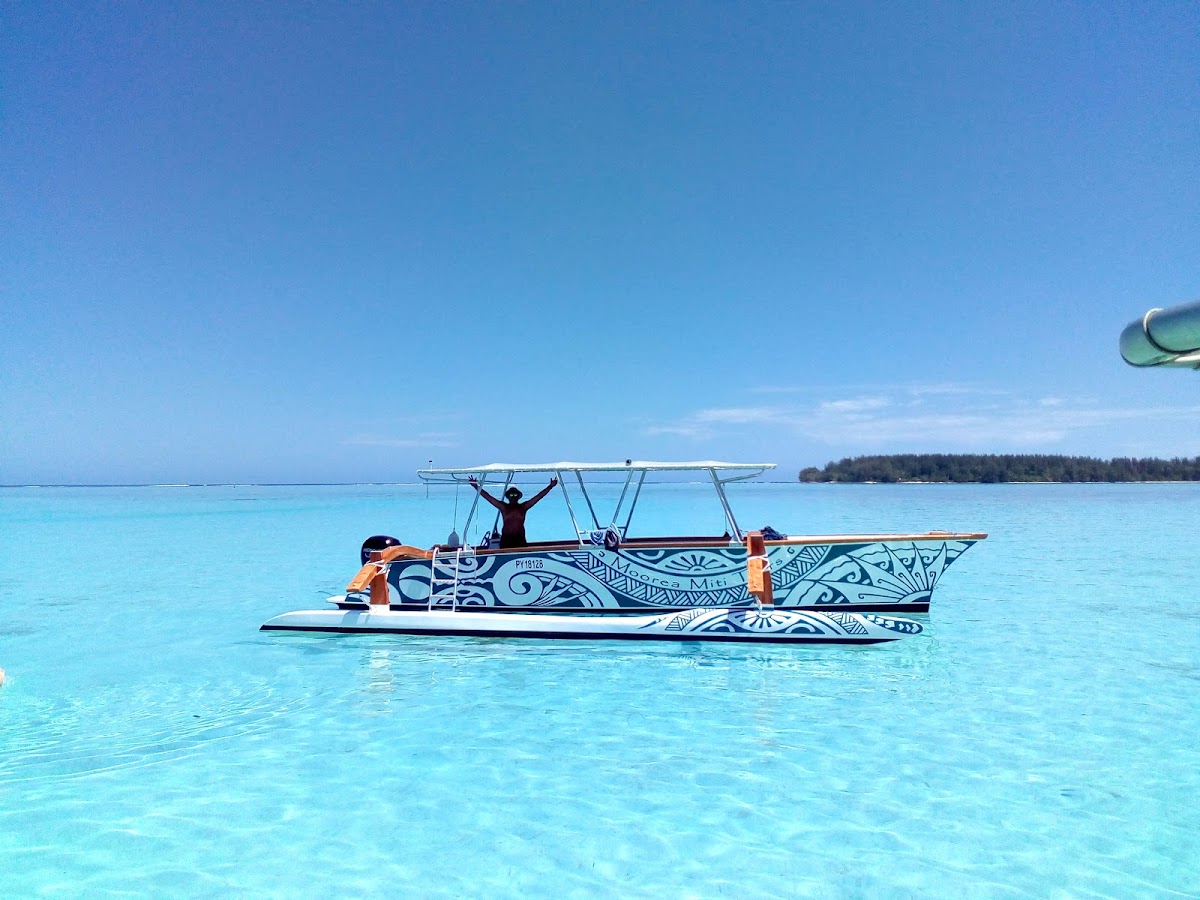
Moorea Miti Tours
Maharepa (hotel pickup) · 360 min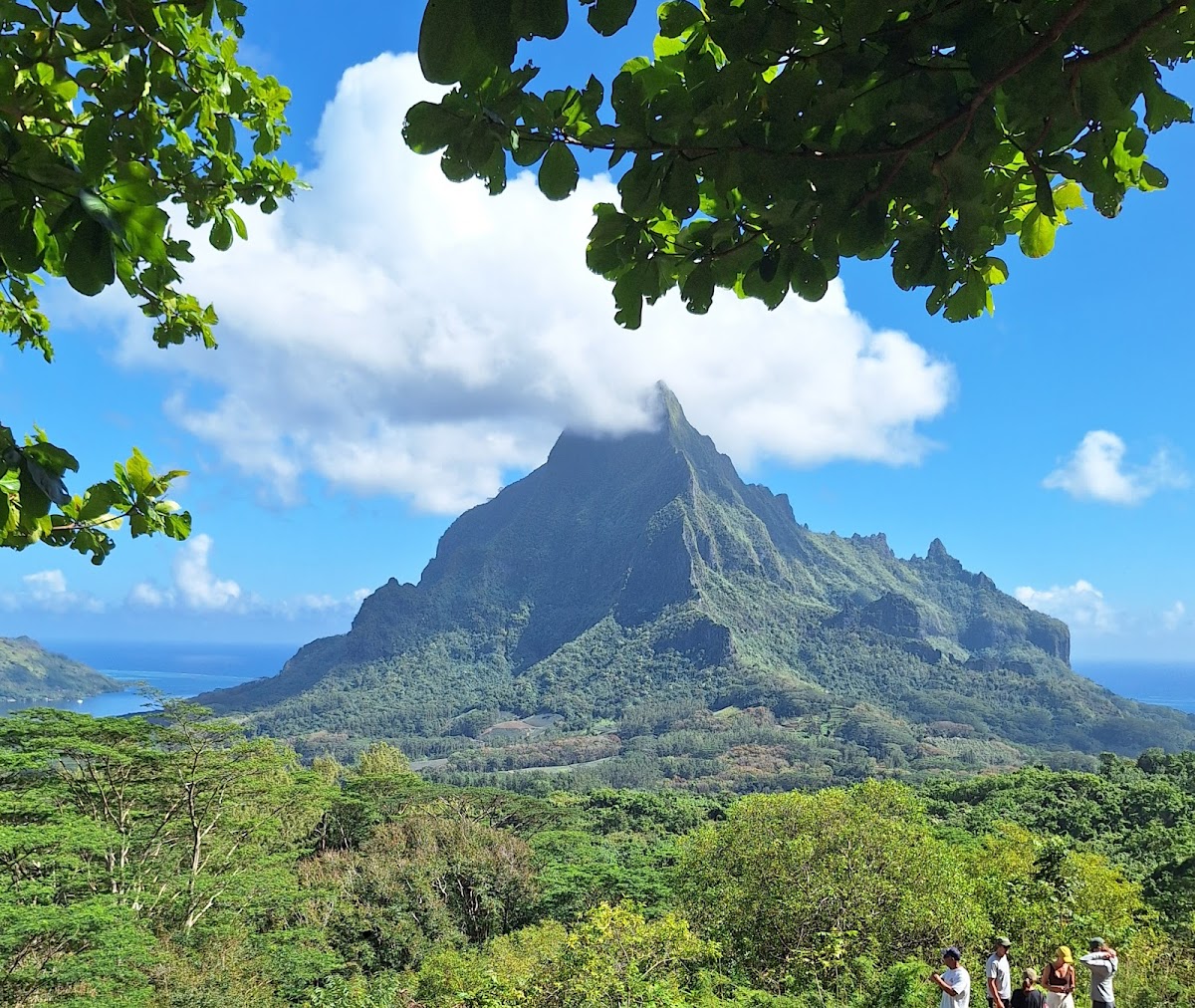
Belvédère Lookout
Paopao · 60 min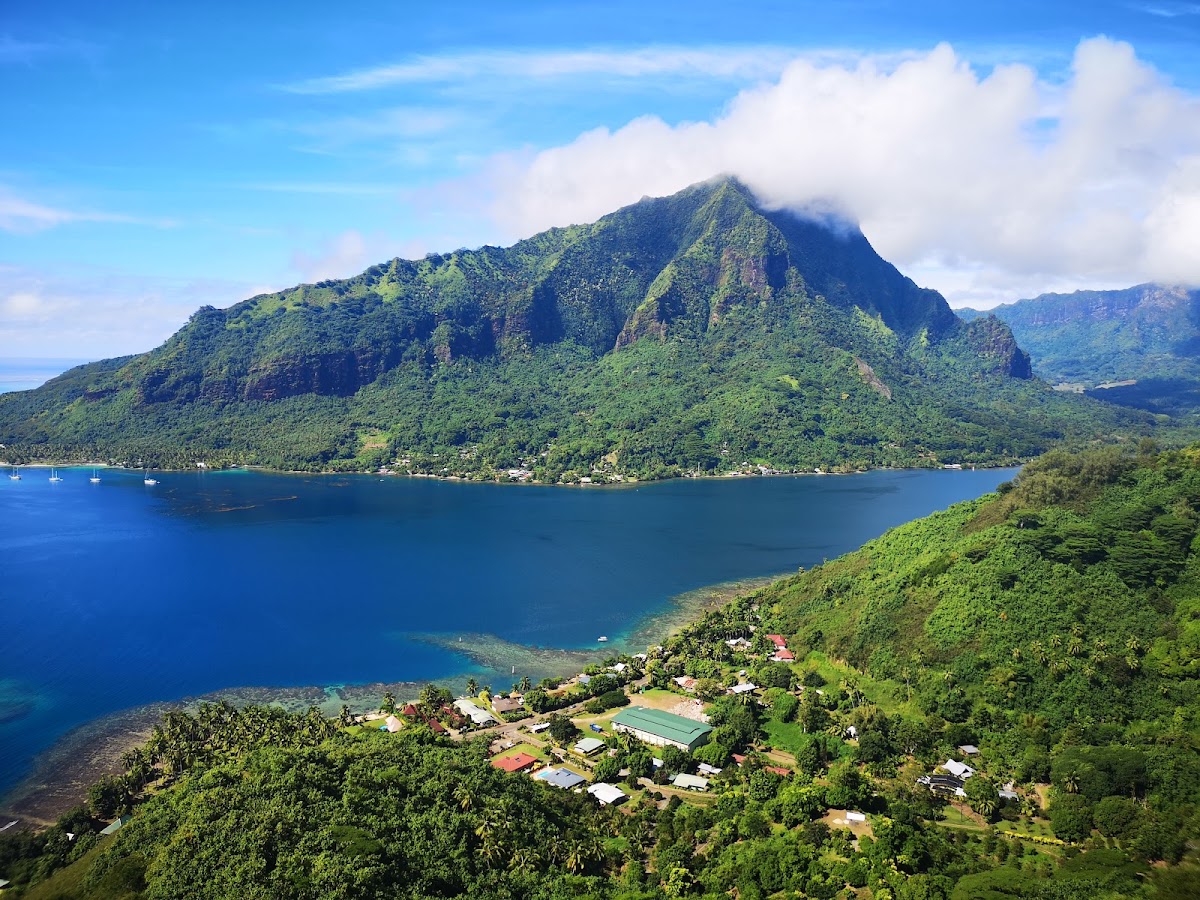
Magic Mountain
Paopao · 90 minMoney-Saving Tips
- 1.Bring cash - many small vendors and local restaurants don't accept cards
- 2.Shop at Champion supermarket instead of resort mini-marts to save 40-50% on basics
- 3.Book accommodation directly with properties to avoid booking platform fees
- 4.Rent snorkel gear in Pao Pao village for 1,500 CFP/day vs 3,000 CFP at resorts
- 5.Take the supply boat to Maiao instead of private charters - saves 15,000 CFP per person
- 6.Buy fruit and vegetables at Saturday morning markets for fraction of restaurant prices
- 7.Avoid restaurants near cruise ship docks - they inflate prices when ships are in port
Travel Tips
- •Pack reef-safe sunscreen - coral protection laws are strictly enforced
- •Download offline maps before arriving - cell coverage is spotty outside main villages
- •Bring mosquito repellent and long sleeves for evening - dengue fever is present
- •Learn basic French phrases - English isn't widely spoken outside tourist areas
- •Respect traditional fishing areas marked by stone altars - locals still use them
- •Book the supply boat to Maiao in advance - it fills up with cargo and locals first
- •Carry small bills - many vendors can't break 10,000 CFP notes
Frequently Asked Questions
Explore Moorea-Maiao
BUILD YOUR
MOOREA-MAIAO PLAN
Insider picks, smart timing, and a plan ready when you are.
Start Planning