NEIGHBORHOOD GUIDE
Chinatown
Dynamic cultural hub with traditional markets and authentic dining
Step through the ornate gates and you're transported. The scent of roasted duck mingles with incense from temple doorways. Vendors hawk fresh lychees in Cantonese while steam rises from dumpling carts. This isn't some sanitized theme park version of Chinese culture — it's the real deal, where four generations of families still run the same noodle shops their great-grandparents opened in the 1920s. Here's the thing: every major city claims to have a great Chinatown, but the authentic ones share something special. They're living, breathing communities where tradition meets modern urban life.
Chinatown operates on its own rhythm. Mornings start early with tai chi practitioners in Portsmouth Square moving in slow, synchronized waves. By 8 AM, the produce vendors on Stockton Street are already hawking the day's freshest bok choy and winter melon. The neighborhood pulses with a mix of Cantonese, Mandarin, and English conversations spilling from herb shops and dim sum parlors.
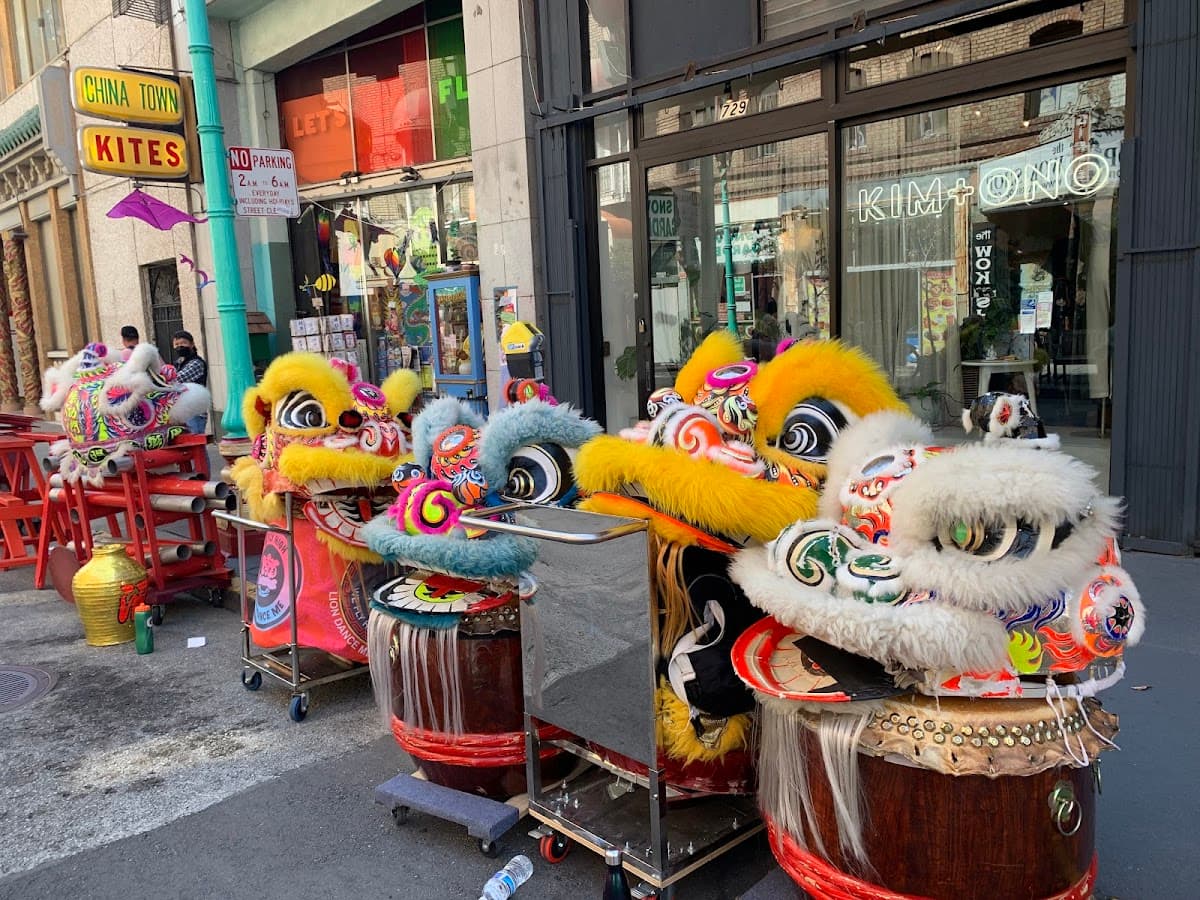
But this isn't a museum piece. Look closer and you'll spot trendy bubble tea shops next to century-old temples, murals celebrating both ancient traditions and contemporary Asian-American artists. The red lanterns strung between buildings aren't just for show — they mark a community that's evolved while keeping its roots intact. Weekends bring crowds, but weekday afternoons reveal the neighborhood's quieter side when locals play xiangqi in the parks.
Money-Saving Tips
- 1.Lunch dim sum costs 30% less than dinner at the same restaurants - go between 11 AM and 3 PM
- 2.Skip the tea shops on Grant Avenue tourist strip - Stockton Street has the same teas for half the price
- 3.Many temples offer free cultural programs and exhibitions - check community boards for schedules
- 4.Buy produce at the end of the day when vendors discount items to clear inventory
- 5.Cash-only restaurants often have the best food and lowest prices - hit an ATM before you explore
Travel Tips
- •Learn basic Cantonese food terms - 'har gow' (shrimp dumplings), 'siu mai' (pork dumplings), 'cha siu bao' (BBQ pork buns)
- •Visit herb shops like Superior Trading Company to see traditional Chinese medicine in action
- •Weekday mornings offer the most authentic experience with fewer tourists and more locals
- •Bring cash - many of the best family-run restaurants and markets don't take cards
- •Follow your nose - the best restaurants often smell amazing from the street
- •Don't be afraid to point at food you want to try - most vendors are patient with non-Chinese speakers
Frequently Asked Questions
Weekday mornings (9-11 AM) offer the most authentic experience with locals doing their daily shopping. Avoid weekend afternoons if you don't like crowds, but that's when the energy peaks with families and cultural events.