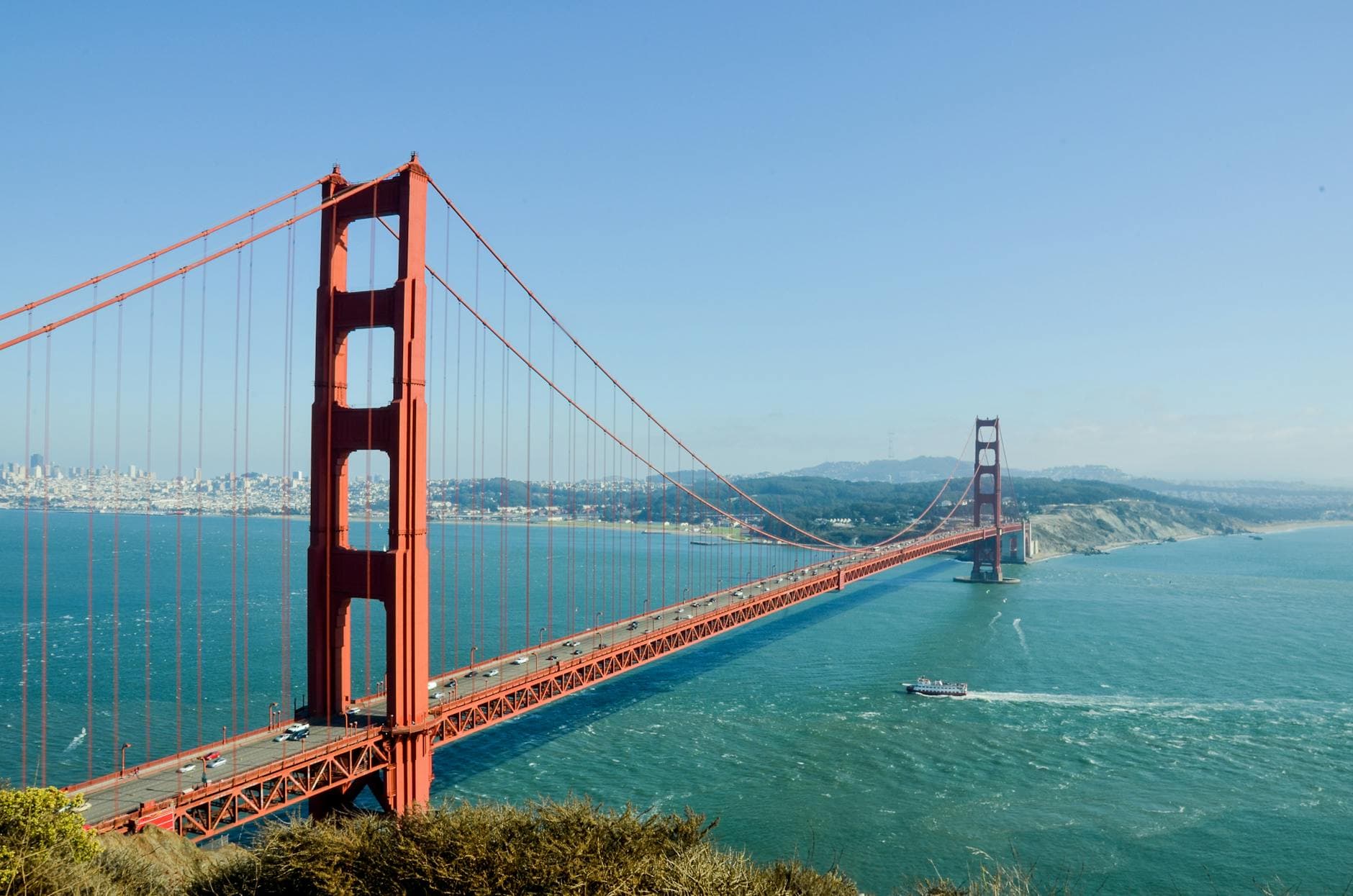
California
Golden State dreams from beaches to mountains to cities
California isn't just a state—it's a whole universe packed into 900 miles of coastline. You can surf in Malibu at sunrise, ski Lake Tahoe by afternoon, and catch a Broadway show in San Francisco by evening. The Golden State delivers on every fantasy, but here's the thing: it's massive, expensive, and can overwhelm first-timers. Smart planning makes all the difference. From Silicon Valley tech bros to Hollywood dreamers, everyone finds their tribe here. The weather stays gorgeous most of the year, the food scene rivals any global capital, and the natural beauty ranges from desert Joshua trees to towering redwoods. But traffic is real, parking costs a fortune, and tourist traps lurk everywhere. This guide cuts through the noise to show you the California that locals actually love.
Culture & Context
TECH, ENTERTAINMENT, DIVERSITY
California is the most populous and economically powerful state in the US — the fifth-largest economy in the world if it were its own country. But it's not one place. It's a stack of distinct regional identities that occasionally get lumped together for convenience.
The Bay Area runs on tech money, progressive politics, artisan everything, and a deep pride in being 'The City.' NorCal locals are environmentally conscious, often vegan-curious, and will correct you if you call it 'San Fran.' Silicon Valley's influence means even casual conversation can drift into startup talk, unicorn valuations, and debates about AI.
Los Angeles is the entertainment industry, full stop. Everything orbits it — not just Hollywood, but music, fashion, YouTube, and increasingly tech. LA is car culture, sunshine obsession, and a food scene that genuinely punches at world-class levels. The diversity here is staggering: Koreatown, Little Tokyo, Boyle Heights, Leimert Park — each neighborhood a distinct cultural world.
San Diego is more military, more laid-back, closer to the Mexican border (TJ — Tijuana — is 20 minutes south). The beach culture is real and unpretentious here in a way it isn't in LA.
Across all of California, a few threads run through: environmental consciousness, outdoor recreation as a near-religion, a food culture obsessed with local sourcing, and a casual, first-name-basis social style. The state has the world's largest legal cannabis market, a strong LGBTQ+ culture centered in SF's Castro and LA's West Hollywood (WeHo), and a food scene that basically invented the farm-to-table movement. In 2026, the state is also a center of global attention for the FIFA World Cup, with matches in both LA and the Bay Area.
Local Customs
TIP 18-20%, LEAVE NO TRACE
Tipping is non-negotiable — 18-20% at restaurants is the floor in California's expensive urban areas. Many menus now add a 4-5% service or 'healthcare' surcharge, but that doesn't replace the tip. Your server's livelihood depends on it..
California has strict environmental customs. Bring your own reusable bags — the state has banned single-use plastic bags. Recycling and composting are taken seriously; most cities have three bins (trash, recycling, compost).
Locals will judge you for getting this wrong.. Cannabis is fully legal for adults 21+ and licensed dispensaries are everywhere. Public consumption is still illegal, but you'll smell it in parks and on streets.
It's low-key tolerated in many outdoor spaces.. Outdoor Leave No Trace culture is real, especially in and around national and state parks. Don't pick wildflowers, stay on trails, pack out what you pack in.
Locals take this very seriously — especially around Big Sur, Yosemite, and the redwoods.. Smoking (including vaping) is banned in all restaurants, bars, beaches, parks, and most outdoor public spaces. Don't light up in a café patio and expect a warm reception..
Drivers actually stop for pedestrians in crosswalks, which can feel surprising. But jaywalking is technically illegal and can result in a fine, especially in San Francisco and LA where it's occasionally enforced.. California is a deeply casual state.
'Smart casual' means a clean T-shirt and jeans. Nobody dresses up for dinner unless you're at a Michelin-starred spot in SF or a Beverly Hills institution.. The NorCal vs.
SoCal identity divide is real. Bring it up and you'll get strong opinions. Bay Area locals are particularly proud of 'The City' and will bristle at any suggestion that LA is the real capital of California..
Farm-to-table and dietary inclusivity are deeply embedded in California food culture. Most restaurants have extensive vegan and gluten-free options. Asking about ingredients is totally normal and expected..
Happy hour and early-bird specials are popular ways to eat well without the full sticker shock. Many of SF's best restaurants offer prix-fixe lunch menus that are 40% cheaper than dinner. Wine country tasting rooms are often cheaper before 11am.
Safety
WILDFIRES & URBAN SMARTS
California is generally safe for tourists, though urban realities apply. Popular tourist areas in San Diego, Santa Cruz, and the wine country have low crime rates. San Francisco and LA are statistically safer than their reputations suggest, but both cities have areas — like LA's Skid Row near the LA River, and parts of the Tenderloin in SF — that are best avoided, especially at night. Risk of mugging is notably higher after dark, so avoid walking alone at night in unfamiliar neighborhoods and use rideshare apps (Lyft/Uber are consistently cheaper than taxis). Always lock your car and store all items — even spare change — out of sight. Break-ins are common, especially in tourist parking spots near trailheads and beaches.
Natural hazards are the bigger concern in 2026. Wildfires are a seasonal reality from late summer through fall; air quality can deteriorate rapidly even far from fire lines — check airnow.gov before outdoor activities. Earthquakes can happen anytime; California sits on active fault lines so familiarize yourself with basic earthquake safety (drop, cover, hold on). Mudslides and landslides can follow heavy rains, particularly in hillside areas.
The good news on roads: Highway 1 is fully open as of January 14, 2026 — the Regent's Slide section north of Lucia was repaired, restoring continuous coastal access between Monterey and San Luis Obispo County. Drive Highway 1 through Big Sur only in daylight and good weather; the road demands full attention. Check Caltrans QuickMap before any mountain or coastal drive. Gas prices run about $5.20/gallon — highest in the nation.
Getting Around
CAR CULTURE EXCEPT SF
California is not one transportation environment — it's five very different ones. Plan accordingly.
SAN FRANCISCO: Skip the car entirely. BART runs from SFO to downtown in about 30 minutes for $11.15 — half the cost of an Uber. Get a Clipper Card for seamless access to BART, Muni buses, streetcars, and the famous cable cars. A $15 all-day Muni pass covers unlimited rides. SF is hilly and compact (7x7 miles), so walking and e-bikes are genuinely useful.
LOS ANGELES: A car is essentially required for anything beyond the immediate downtown area. The Metro system is growing fast — the D Line Extension Phase 1 opens in May 2026, adding stations at Wilshire/La Brea, Wilshire/Fairfax, and Wilshire/La Cienega, which opens up the buzzy dining corridors. The new LAX Transit Center (opened 2025) connects directly to Metro Rail via free shuttle, with a 24-hour automated people mover replacing it later in 2026. Use the TAP Card for all Metro rail and bus rides. For World Cup matches, Metro is offering enhanced service directly to SoFi Stadium. Budget $680-1,015/week for a car rental including gas and fees — and add $40/day for parking if staying in a central hotel.
SAN DIEGO: The Trolley and buses use the PRONTO Card/App. Great for reaching Old Town, Balboa Park, and downtown. A car helps for beaches and outlying attractions.
STATEWIDE: Amtrak's Coast Starlight and Pacific Surfliner are genuinely scenic coastal rail options. The San Joaquin line connects to Yosemite. Gas is $5.20/gallon — the highest in the US — due to state taxes of 68 cents/gallon and special fuel blend requirements. Pay cash at gas stations for an 8-10 cent/gallon discount. Use Google Maps or the Transit app for real-time routes.
Useful Phrases
Explore Destinations
Explore the Region
California Itineraries
View all
Coastal Trails & Sunset Vibes in Westside LA
Weekend · $$$
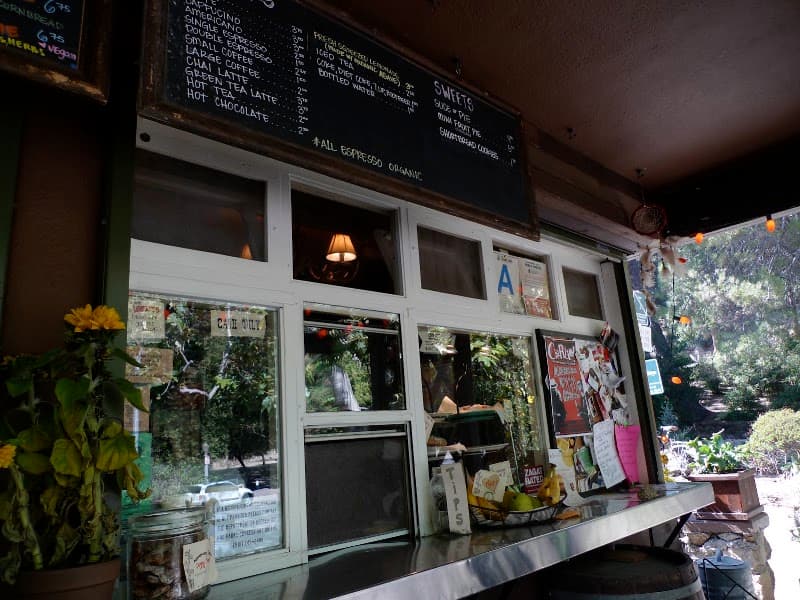
Los Angeles in Four Days: Beaches, Views, and Bold Flavors
Weekend · $$$
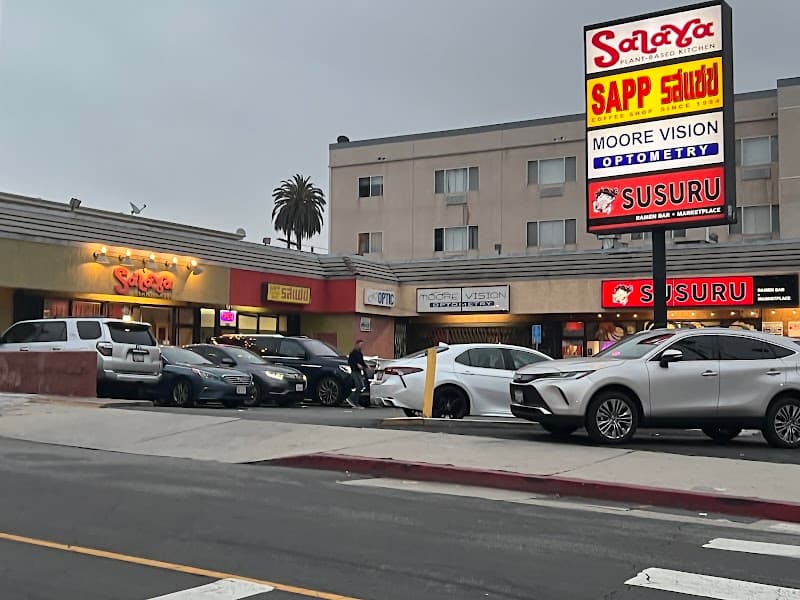
LA in 48 Hours: Trails, Tacos & Ocean Views
Weekend · $$
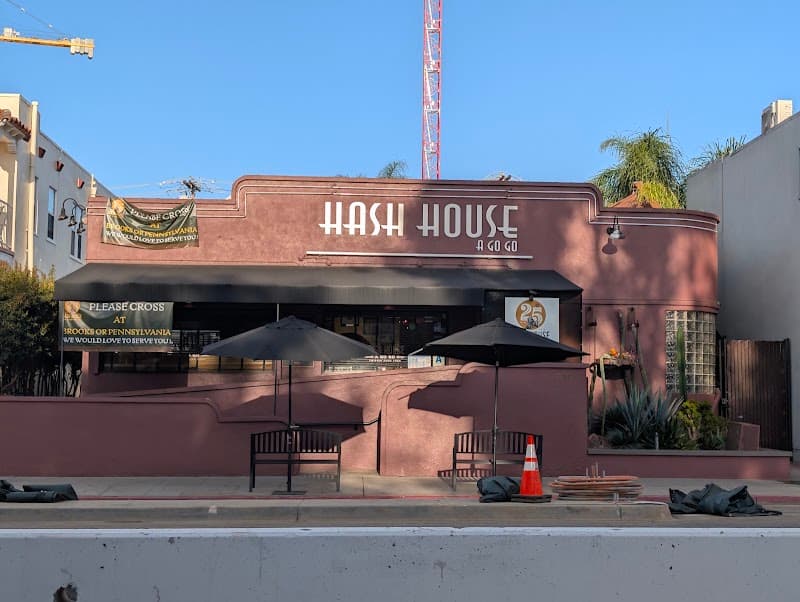
Relaxed San Diego: Beaches, Balboa Park & Border Flavors
Weekend · $$$
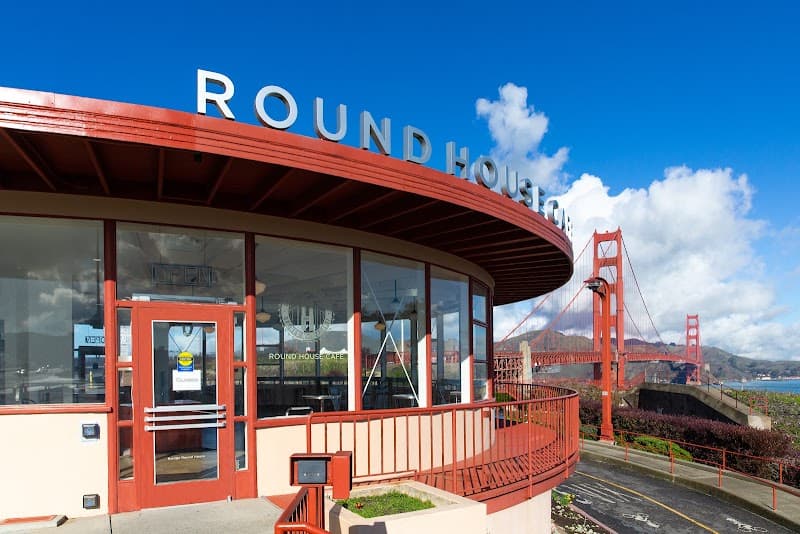
Fog, Food & Bay Views: A Budget-Friendly SF Weekend
Weekend · $$
Five Days of Adventure in Yosemite’s Iconic Valley
Weekend · $$
Money-Saving Tips
- 1.Download GasBuddy app to find cheapest gas stations—prices vary $1+ per gallon between neighborhoods
- 2.Buy National Parks Annual Pass for $80 if visiting multiple parks—single entries cost $30-35 each
- 3.Shop at Trader Joe's for affordable groceries and wine under $10 per bottle
- 4.Use SpotHero app to pre-book parking at 50% off street rates in major cities
- 5.Visit wineries Tuesday-Thursday for smaller crowds and sometimes waived tasting fees
- 6.Buy produce at farmers markets for half the grocery store prices—cash only at most stands
- 7.Happy hour runs 3-6 PM at most bars with $5-8 craft cocktails instead of $15+ evening prices
- 8.State parks charge $10 day-use fees but offer free parking and beach access versus $25+ city lots
- 9.Book accommodations in shoulder seasons (April-May, September-October) for 30-50% savings
- 10.Use public transit day passes in San Francisco ($5 MUNI) instead of $15+ rideshare trips
Travel Tips
- •Pack layers—California weather changes dramatically from coast to inland within miles
- •Download offline maps before driving remote areas like Big Sur where cell service drops
- •Bring reusable water bottle—tap water tastes great and refill stations are everywhere
- •Make restaurant reservations 2-4 weeks ahead for popular spots, especially in Napa Valley
- •Check fire conditions before visiting—wildfires can close highways and create dangerous air quality
- •Learn basic Spanish phrases—helpful in LA neighborhoods and essential for Tijuana day trips
- •Rent cars with good brakes for San Francisco's steep hills—avoid manual transmissions
- •Book Alcatraz tours online in advance—they sell out weeks ahead during peak season
- •Bring sunscreen SPF 30+—California sun is stronger than it feels, especially at beaches
- •Keep emergency supplies in your car—water, snacks, blankets for mountain and desert drives