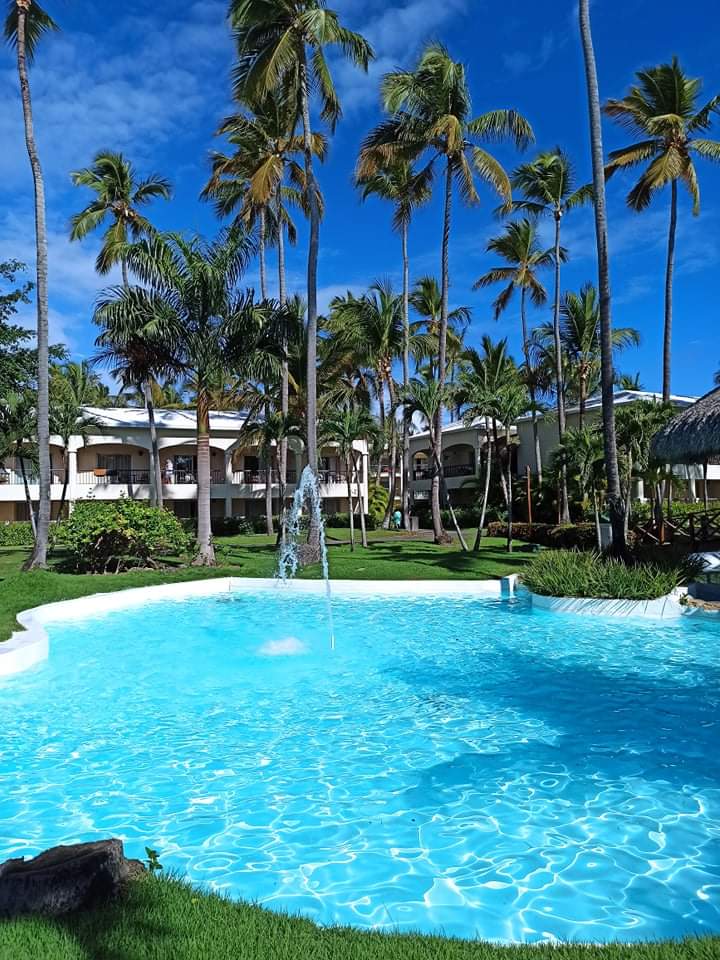
Punta Cana
Caribbean paradise with endless beaches and resorts
Punta Cana isn't just another Caribbean beach town — it's where powdery white sand meets impossibly blue water, and all-inclusive resorts line up like dominoes along the coast. This eastern tip of the Dominican Republic has perfected the art of tropical relaxation, serving up 20 miles of pristine coastline with a side of world-class golf and surprisingly good nightlife. Sure, it's touristy. But when the palm trees are swaying over your beach chair and a piña colada costs $3 at the local colmado, you'll understand why millions of travelers keep coming back.
Best Months
JAN · FEB · MAR · APR · DEC
~29°C · peak crowds
Culture & Context
WARMTH RUNS ON MAÑANA TIME
The Dominican Republic runs on warmth and social connection. Dominicans are genuinely friendly, and that friendliness is real, not performative. But it comes with a pace that will frustrate anyone who runs on a tight schedule.
Being 15–60 minutes late is completely normal here. The favorite local concept is "mañana," and locals mean it. The country is deeply religious, so you'll see people in traditional religious clothing and shouldn't stare.
Greet everyone when entering a shared space, whether it's a minibus or a small office. Handshakes are standard on first meetings; close friends get hugs. Tipping is not just appreciated, it's economically essential.
Resort hospitality staff earn between $180–$220 USD per month. That $5 tip you leave for good service is nearly three hours of wages. Leave $1–2 per drink at bars, $2–5 daily for housekeeping (on the bed, labeled "Propina"), and $2–5 per meal for servers.
Check bills carefully for "Propina Legal" or "Servicio," which is the legally required 10% charge. It rarely reaches the actual server, so tipping an additional 5–10% directly is standard practice. The Dominican Republic is a conservative, religious country outside of resort areas.
LGBTQ+ travelers will find resorts in Bavaro and Cap Cana generally welcoming, but public displays of affection in local neighborhoods draw unwanted attention. Use discretion away from the tourist corridor.
Local Customs
TIP GENEROUSLY IN USD
Greet everyone when entering a shared space — a bus, a small shop, a waiting room. 'Buenas' (short for good morning/afternoon/evening) works at any time of day and goes a long way.. Bargaining is expected at street markets and with independent taxi drivers.
Start by offering 5–10% less than the asking price and hold firm. Resorts and formal businesses have fixed prices.. Never get into a motoconcho (motorcycle taxi).
Locals know to avoid them. Drivers recognize tourists and charge three to four times the going rate, and accident rates are high.. Always negotiate a taxi fare before getting in.
There are no meters. A short ride can legitimately cost $20 or more.. Do not drink tap water.
Even locals don't drink it. Brush your teeth with bottled water if you have a sensitive stomach. All-inclusive resorts use purified water for ice, cooking, and drinking, but bottled water in your room is the safest bet..
Bring small bills. $1 and $5 USD bills are the social currency of Punta Cana. Breaking a $100 at a beach bar is nearly impossible.
Tips in USD are strongly preferred by staff over Dominican pesos, as they're easier to exchange.. Complete your E-Ticket (electronic immigration form) before arriving at PUJ airport — it's free at the official government site. Third-party websites charge up to $55 for this free service.
Don't pay them.. When visiting churches or religious sites, cover shoulders and knees. Swimwear is fine at the beach and resort areas, but put on a cover-up when walking into restaurants or shops..
Reef-safe, biodegradable sunscreen is a practical must. Coral reefs are protected in many swimming areas, and chemical sunscreens are discouraged.
Safety
RESORT SAFE, PETTY THEFT REAL
Punta Cana is genuinely safe for tourists in 2026, operating under the U.S. State Department's Level 2 advisory (the same rating given to France and Italy).
Violent crime against tourists in the resort zones is extremely rare. The Politur tourist police patrol Bavaro, Cap Cana, and Uvero Alto constantly. That said, petty theft is real.
Leave your new phone unattended on a beach chair while you swim and it might not be there when you get back. Use the in-room safe for your passport, extra cash, and jewelry. Only use ATMs inside bank branches (Banco Popular, Scotiabank, Banco BHD) — never standalone street machines due to card skimming.
Pre-book airport transfers online ($35–$50) and don't walk out of PUJ into the first unmarked taxi you see. Agree on all taxi fares before getting in. Avoid motoconchos entirely — they're dangerous and overpriced for tourists.
Avoid the neighborhoods of Anamuya and Allegina, which are outside the tourist zones and have higher crime rates. Don't buy excursions from unlicensed vendors on the beach. Always ask for a National Taxpayer Registrar Number from any tour operator.
One serious note: the State Department specifically flags that sexual assaults have occurred at resorts, including incidents involving date-rape drugs. Watch your drinks, cover your glass when not holding it, and contact travel police at 809-552-1013 and hotel management immediately if anything happens. For LGBTQ+ travelers: resorts in Bavaro and Cap Cana are welcoming and internationally-oriented, but exercise discretion in local neighborhoods.
Getting Around
WALK RESORT, PRE-BOOK TRANSFERS
Within your all-inclusive resort, you walk. That's the whole system. Step outside, and things get more complicated.
Pre-booked private airport transfers are the smartest first move — $35–$50 for up to four people, your driver holds a sign with your name, and there's zero negotiation stress after a long flight. Licensed taxis are available at the airport and outside most major resorts, but there are no meters. Always agree on a price before you get in.
Short rides can cost $20–$40; a 30–40 minute ride runs $60–$80. Uber technically operates in Punta Cana but can't pick up at the airport or most resort lobbies due to tensions with local taxi operators. You'd need to walk to the front gate of your resort, which works fine once you're settled in.
Guaguas (public buses/minivans) run along the main hotel strip and to Higuey. The Higuey–Bavaro route costs about 185 Dominican pesos (~$3 USD). Schedules are irregular, buses get crowded, and you have to yell when you want to get off.
It's an adventure, but a slow one. Never take a motoconcho (motorcycle taxi). High accident rates, no helmet culture, and drivers charge tourists three to four times the going rate.
Renting a car from the airport gives you total freedom and makes sense for stays longer than a week. Be ready for local driving styles: speed limits are suggestions, and stop signs are frequently advisory. Your regular license is valid for up to three months.
Most excursion packages include round-trip hotel pickup, which is often the most convenient option for day trips.
Useful Phrases
Punta Cana Itineraries
View all
Five Nights of Adventure in Modern-Minimalist Punta Cana
Weekend · $$
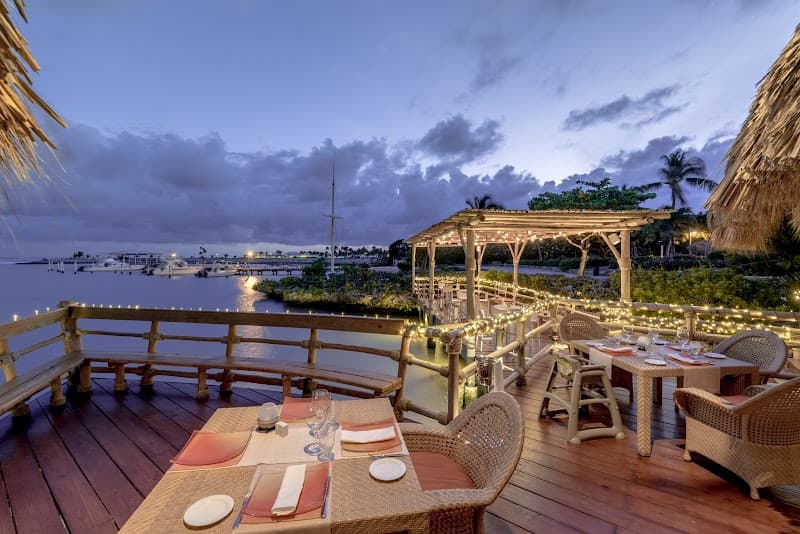
Romantic Punta Cana Escape: Beaches, Spa Time, and Sunset Dining
Weekend · $$$$
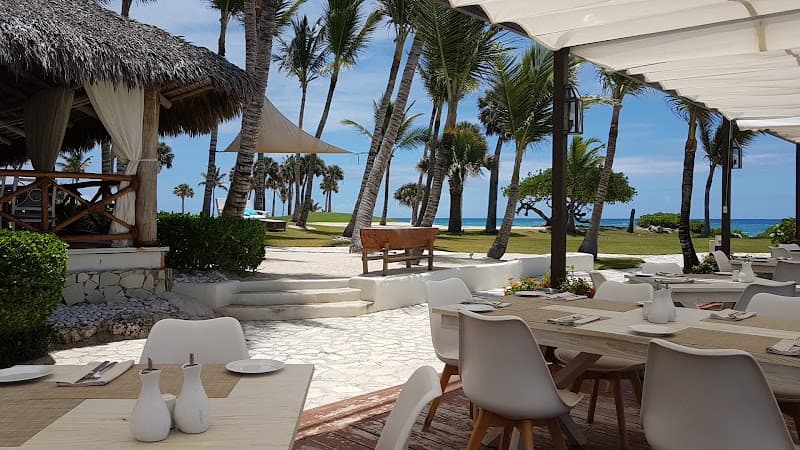
Seven Nights of Sun-Kissed Romance in Punta Cana
Week · $$$$

Shoestring Solo Weekend in Punta Cana
Weekend · $
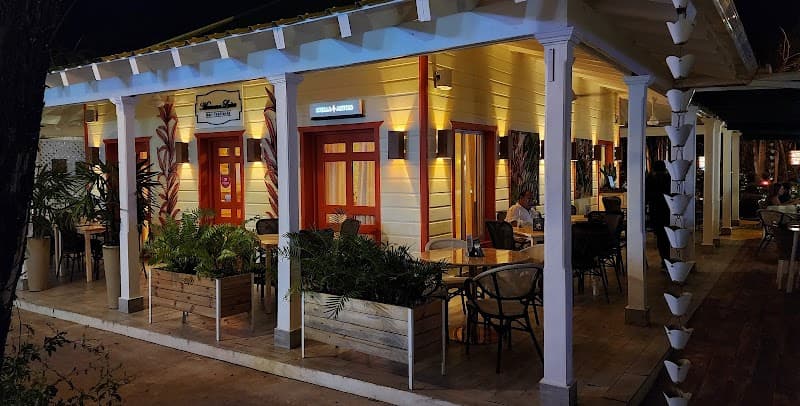
Punta Cana on a Shoestring: Beach Days, Local Eats, and Nightlife
Weekend · $
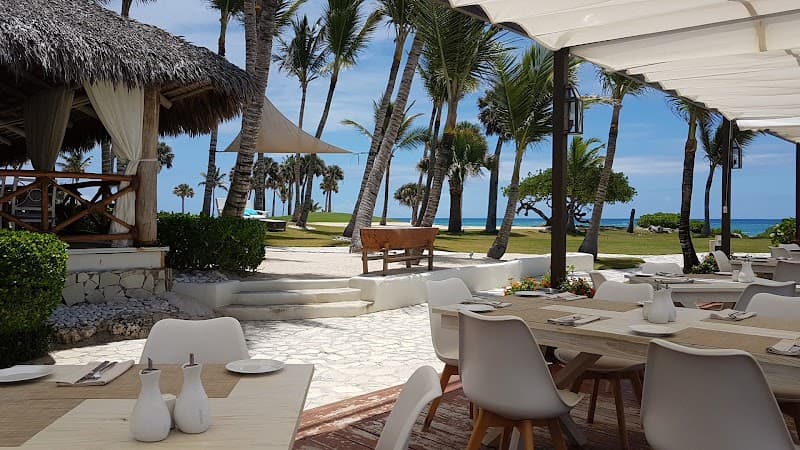
Seven Slow Days in Punta Cana for Two
Week · $$$
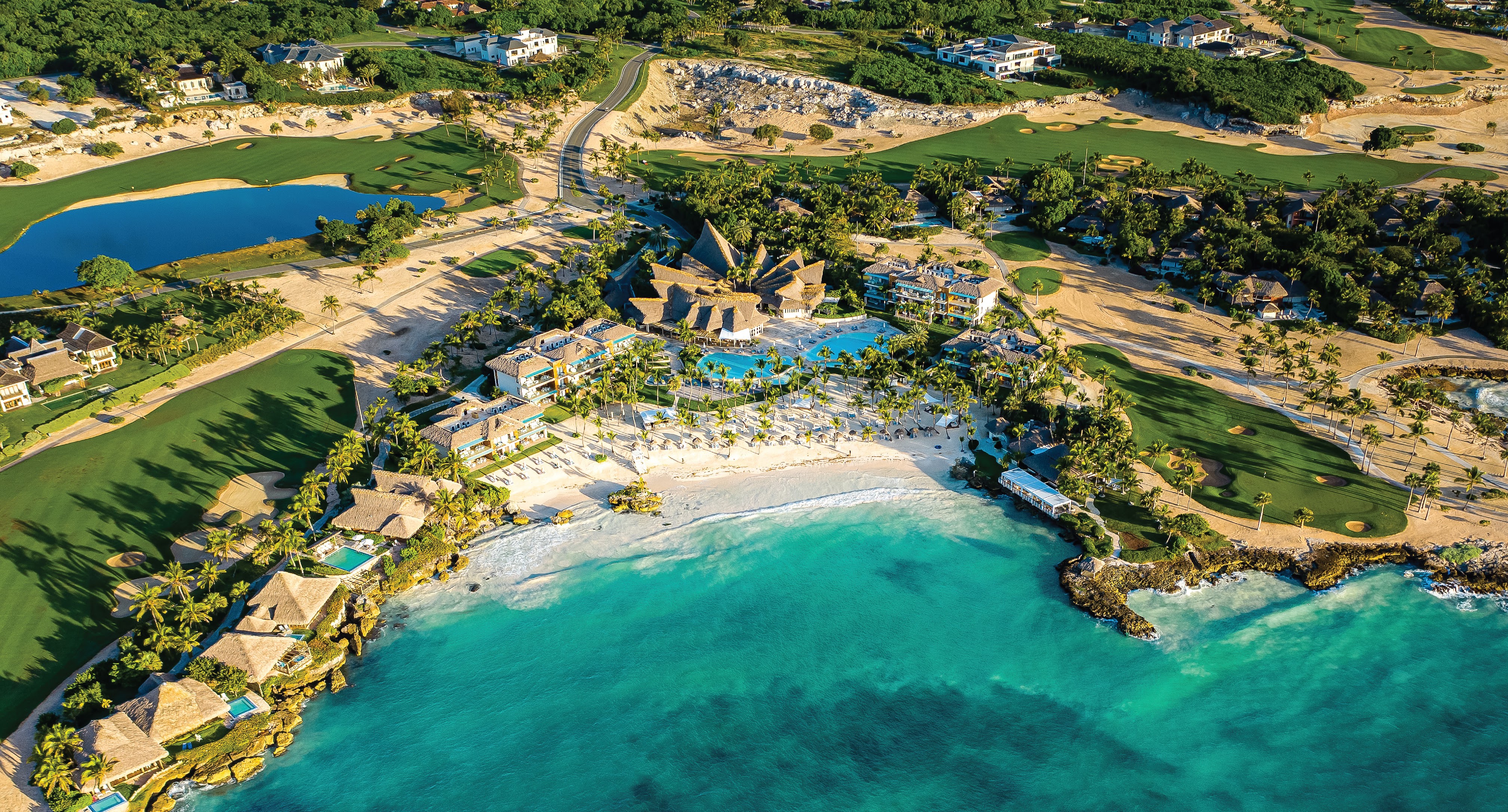
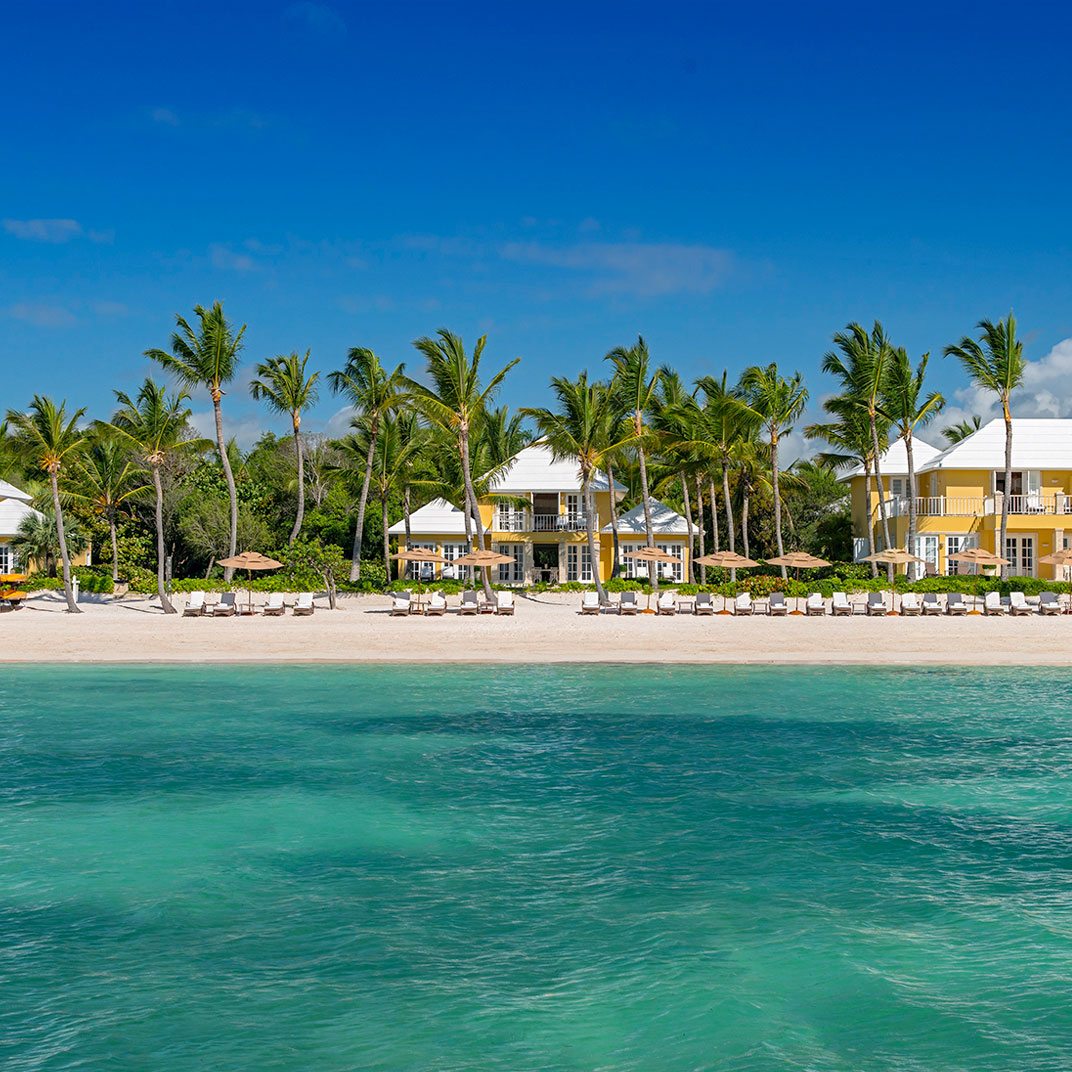
Where to Stay in Punta Cana
4 recommended properties


Things to Do in Punta Cana
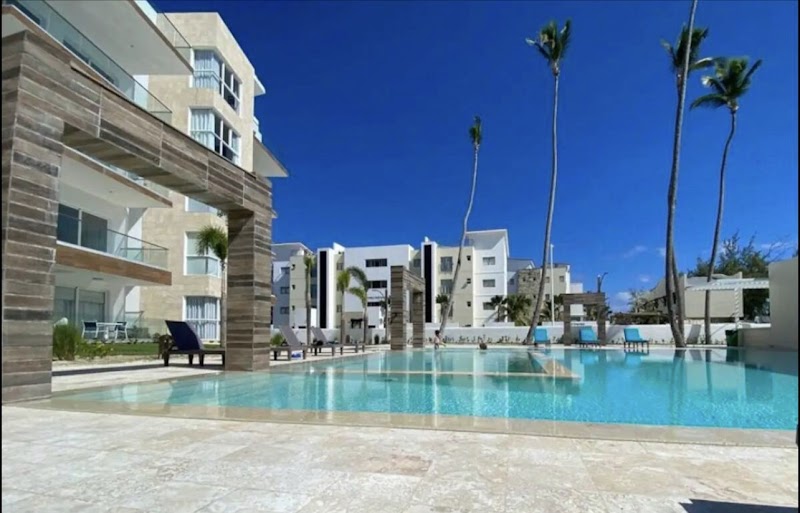
Bavaro Beach
Playa Bavaro · 120 min
Bavaro Lagoon
Playa Bavaro · 90 min
Macao Beach
Playa Macao · 120 minMoney-Saving Tips
- 1.Book all-inclusive resorts 3-4 months ahead to lock in better rates — last-minute deals are rare in Punta Cana
- 2.Buy alcohol and snacks at local colmados instead of resort shops to save 50-70% on everything
- 3.Negotiate taxi fares before getting in — agree on a price to avoid meter surprises
- 4.Visit during shoulder season (May or November) to save 30% on accommodations with minimal weather trade-offs
- 5.Eat at local restaurants like Adrian Tropical for $8 meals instead of $40+ resort specialty dining
- 6.Exchange money at banks in town rather than resort currency exchanges for better rates
- 7.Book tours through local operators instead of resort concierges to save $20-40 per person
Travel Tips
- •Pack reef-safe sunscreen — regular sunscreen is banned at many beaches and marine parks
- •Bring a waterproof phone case for beach days and water activities — sand and saltwater destroy electronics quickly
- •Download offline maps before arriving — cell service can be spotty outside resort areas
- •Learn basic Spanish phrases — even simple greetings go a long way with locals
- •Carry small bills for tips and local purchases — breaking large bills can be difficult
- •Book restaurant reservations early during peak season — popular spots fill up fast
- •Bring insect repellent for evening activities — mosquitoes are active after sunset
- •Pack a light rain jacket for afternoon showers, especially during shoulder season