La Altagracia Province
Dominican Republic's premier beach and resort destination
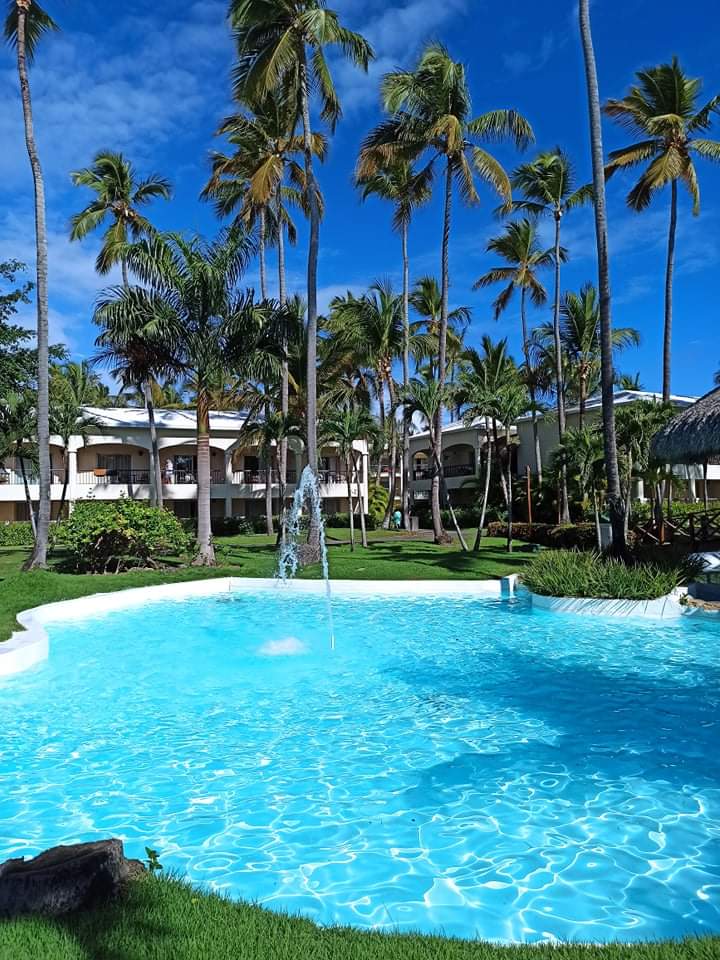
Look, I'll be straight with you about La Altagracia Province. This is the Dominican Republic's crown jewel for beach lovers, and it's not trying to be anything else. The eastern coast serves up 90 miles of white sand beaches, world-class resorts, and enough rum cocktails to make you forget about your inbox for a week.
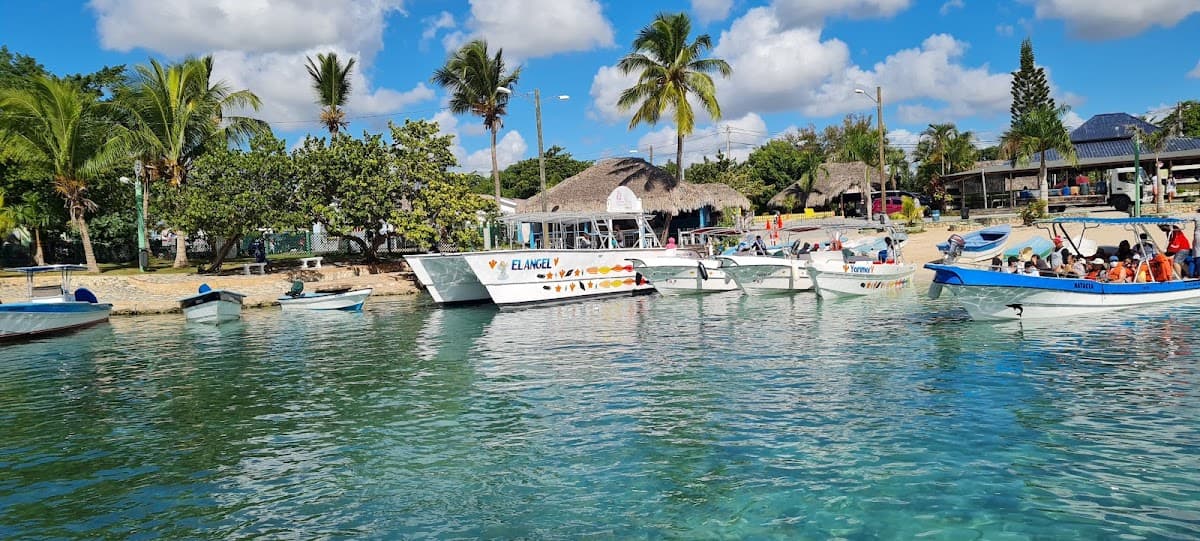
But here's what the brochures won't tell you. La Altagracia isn't just about all-inclusive resorts and poolside service (though it does those exceptionally well). You've got fishing villages like Macao where locals still pull nets at sunrise, the upscale sophistication of Cap Cana with its celebrity chef restaurants, and Bavaro Beach where the sand is so fine it squeaks under your feet.
The province runs from Punta Cana in the south up to Miches in the north, each area with its own personality. Punta Cana brings the party and the luxury. Bavaro offers the perfect family beach day. And if you venture to places like Juanillo Beach, you'll find stretches of coast that still feel undiscovered.
Sure, it's touristy. The airport sees more visitors than any other Caribbean destination. But there's a reason millions of people keep coming back to these shores.
Culture & Context
TWO OCEANS, ONE ISLAND
La Altagracia is the easternmost province of the Dominican Republic and the engine room of Caribbean tourism. It borders both the Atlantic Ocean and the Caribbean Sea — one of only a handful of places in the world where you can watch the sun rise over one ocean and set over another. The province takes its name from the Basílica de Nuestra Señora de la Altagracia in Higüey, a striking modern cathedral inaugurated in 1971 that replaced a sanctuary from 1572.
Every January 21st, tens of thousands of pilgrims pour into Higüey to venerate the Virgen de la Altagracia, the patron saint of the Dominican Republic. The province's culture is a deep blend of Taíno indigenous roots, African traditions brought through the slave trade, and Spanish colonial heritage. Words like "hamaca" (hammock) and staple ingredients like cassava trace directly to the Taíno.
Merengue and bachata are not tourist acts here — they're woven into daily life, spilling out of colmados, cars, and houses at all hours. The DR welcomed 11.6 million visitors in 2025, with a large share landing directly at Punta Cana International Airport (PUJ), the world's busiest private airport.
Farming still matters too: the province raises the country's second-largest cattle herd and grows sugar cane, rice, cassava, and plantains across the interior.
Local Customs
DRESS CODE MATTERS OUTSIDE
Say 'Buen provecho' when walking past people eating in a restaurant — even strangers. It's expected and skipping it is considered rude.. Dominican time is real.
Social gatherings run 1–2 hours later than stated. Don't show up to a party on time — you'll be helping set up.. Men greet with a handshake that often turns into a half-hug with a back pat.
Women greet with a kiss on the cheek. Standing close during conversation is a sign of trust, not an invasion — don't back away.. Beachwear (bikinis, board shorts, flip-flops) stays at the beach.
Cover up when entering towns, churches, colmados, or any non-resort area. Dress codes are taken seriously outside tourist zones.. Catholicism shapes daily life.
The Basílica in Higüey is a sacred pilgrimage site — dress modestly when visiting. Religious processions and Holy Week (Semana Santa) are serious observances, not photo ops to interrupt.. Tipping is culturally expected and economically important.
Restaurant bills include a mandatory 10% service charge and 18% ITBIS tax — but leaving an extra 5–10% for good service is appreciated. Tip resort staff (housekeeping, bartenders, beach attendants) in cash.. Wearing camouflage clothing is illegal in the Dominican Republic — it's reserved for military personnel only.
Don't pack it.. Never drink tap water. Resorts use purified water for ice and cooking, but in local restaurants, stick to bottled water or canned drinks.
Be careful with beach food sold from buckets in the heat — oysters and ceviche spoil fast.. Photography: always ask before photographing individuals. Don't set up elaborate camera gear without permission at private beaches or restaurants..
Always use ATMs inside bank branches or hotel lobbies — never standalone street ATMs. Card skimming is a documented problem in the DR.
Safety
RESORT ZONES VERY SAFE
La Altagracia Province, and Punta Cana specifically, is considered one of the safest tourist zones in the Caribbean. The US State Department maintains a Level 2 advisory for the Dominican Republic broadly ('Exercise Increased Caution') — the same rating given to France, Spain, and Italy. In Punta Cana's resort zones, violent crime against tourists is extremely rare, with less than 1% of visitors experiencing any safety issues.
The dedicated tourist police force POLITUR (call 809-222-2026) patrols Bávaro, Uvero Alto, Cap Cana, and the beach strips constantly. Dial 911 for all emergencies across the province. For any safety issue, also contact the US Embassy emergency line at 809-567-7775 after calling local authorities.
Practical risks to actually watch for: petty theft on crowded beaches (don't leave your phone unattended while you swim), unlicensed tour operators selling dodgy excursions, overcharging by unregulated taxis, and ATM skimming on standalone street machines — only use ATMs inside bank branches or hotel lobbies. Do not flash expensive jewelry, cameras, or electronics in non-resort areas. Avoid wandering into unlit residential neighborhoods after dark, particularly in areas like Anamuya and Allegina on the outskirts.
Solo female travelers: resort zones feel safe during the day; use common sense at night, watch your drinks at bars, and avoid isolated beaches after sunset. LGBTQ+ travelers: resort areas are welcoming and internationally oriented, but outside tourist zones, the Dominican Republic is socially conservative — public displays of affection between same-sex couples can draw negative attention. Always drink bottled water — never tap water.
Getting Around
AIRPORT TAXIS & TRANSFERS
Punta Cana International Airport (PUJ) is the main entry point — it's private, built in a traditional Dominican open-air style with palm-thatched terminals, and handles around 64% of all international flights into the country. Inside the province, getting around requires some planning. Uber does not officially operate in Punta Cana as of 2026.
Licensed taxis are available but expensive and prone to overcharging tourists — always negotiate the price before you get in. The tourism ministry runs a monitoring system for tourist transport vehicles, so stick to resort-arranged or pre-booked transfers for safety. Guaguas (local buses) are the authentic Dominican way to travel: cheap, packed, and an experience in themselves, running between Higüey, Bavaro, and neighboring towns.
Conchos (shared car or motorcycle taxis) are local and cheap but not recommended for tourists unfamiliar with the area. Renting a car is a solid option for exploring inland toward Higüey or down to Bayahibe, but roads vary in quality and driving culture can be chaotic. Moto-conchos (moto-taxis) should be avoided — the tourist police and most local advice sources specifically caution against them.
For excursions, always book through licensed operators and ask for their RNC (National Taxpayer Registrar) number before handing over cash.
Useful Phrases
Explore Cities
Explore the Region
La Altagracia Province Itineraries
View all
Five Nights of Adventure in Modern-Minimalist Punta Cana
Weekend · $$
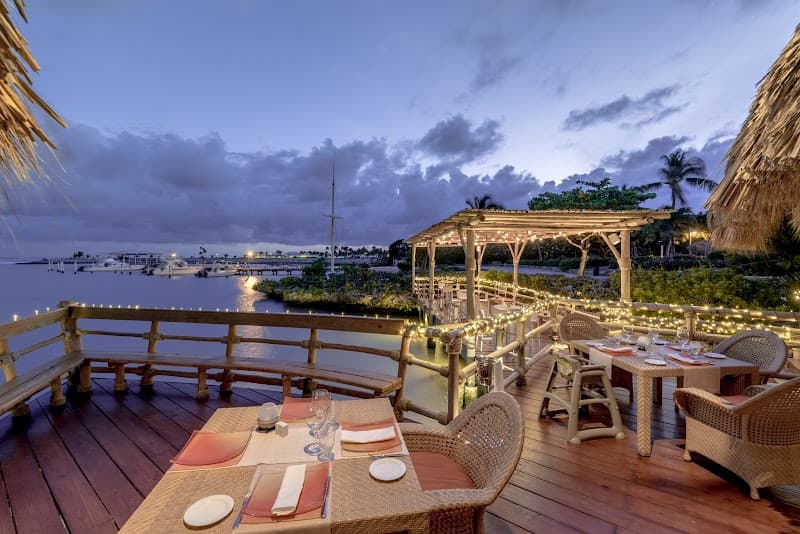
Romantic Punta Cana Escape: Beaches, Spa Time, and Sunset Dining
Weekend · $$$$
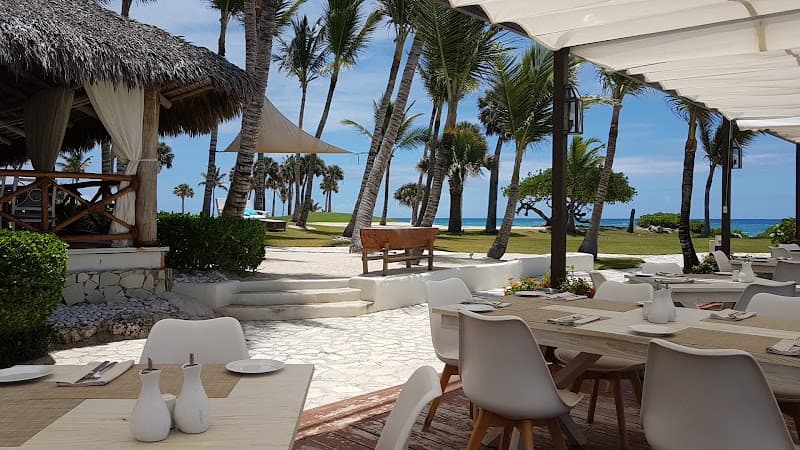
Seven Nights of Sun-Kissed Romance in Punta Cana
Week · $$$$

Shoestring Solo Weekend in Punta Cana
Weekend · $
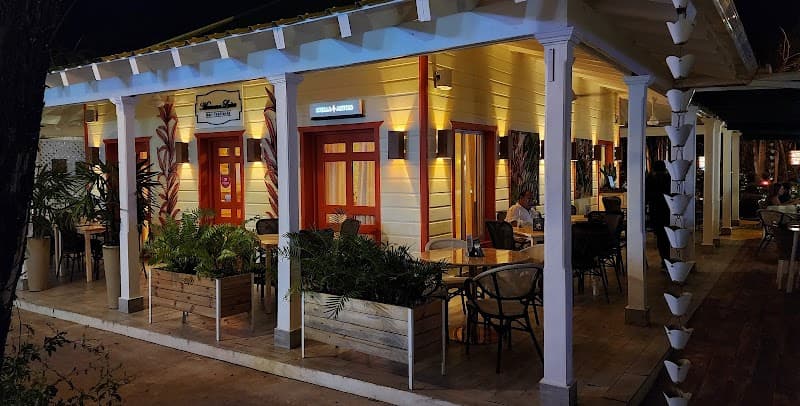
Punta Cana on a Shoestring: Beach Days, Local Eats, and Nightlife
Weekend · $
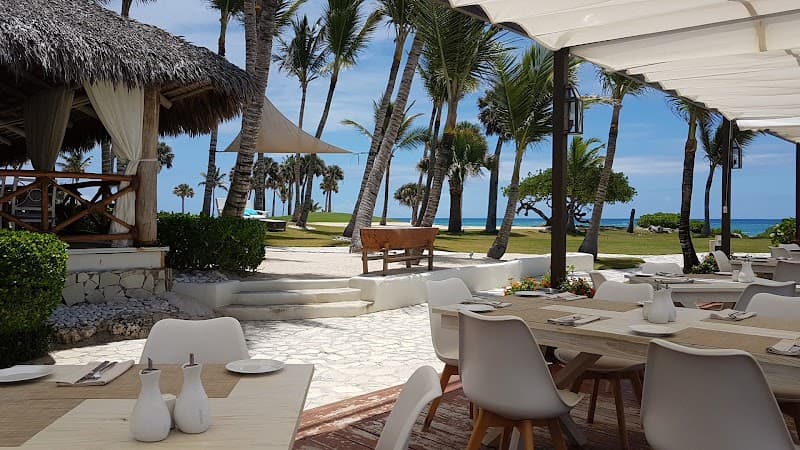
Seven Slow Days in Punta Cana for Two
Week · $$$
Money-Saving Tips
- 1.All-inclusive resorts often charge $15-20 per day resort fees on top of your room rate - factor this into your budget
- 2.Airport taxis are fixed-rate but expensive ($25-40 to most resorts) - book hotel transfers in advance for better deals
- 3.Bring US dollars for tips and small purchases - most places accept them at fair exchange rates
- 4.Resort spa treatments cost 2-3x more than local spas in town - venture out for massages and save $50+
- 5.Local colmados (corner stores) sell beer for $1-2 vs $8+ at resort bars
- 6.Book excursions through your hotel concierge for guaranteed quality, even if they cost $10-20 more than street vendors
Travel Tips
- •Pack reef-safe sunscreen - many resorts now require it to protect coral reefs
- •Download offline maps before arriving - cell service can be spotty outside resort areas
- •Bring a waterproof phone case for beach and water activities - replacements cost $50+ locally
- •Learn basic Spanish phrases - locals appreciate the effort and you'll get better service
- •Pack a light rain jacket even during dry season - afternoon showers happen year-round
- •Bring cash for tips - $1-2 per drink and $5-10 per day for housekeeping is standard
- •Book dinner reservations at resort specialty restaurants on arrival day - popular spots fill up fast
Frequently Asked Questions
BUILD YOUR
LA ALTAGRACIA PROVINCE PLAN
Insider picks, smart timing, and a plan ready when you are.
Start Planning