Monterey
Coastal California charm with world-class marine life
Monterey hits different than other California beach towns. Sure, you've got the postcard-perfect coastline and laid-back vibe, but this place earned its reputation as one of the world's marine biology capitals. The Monterey Bay Aquarium alone draws two million visitors yearly, and for good reason — it sits right on the edge of one of North America's deepest underwater canyons.
But here's what most people don't realize: Monterey Peninsula packs serious culinary punch too. This is where California's farm-to-table movement really took root, thanks to nearby Salinas Valley's year-round growing season. You'll find everything from casual clam chowder spots on Fisherman's Wharf to Michelin-starred restaurants in Carmel, just 15 minutes south.
The weather stays remarkably consistent — think 60s and 70s most of the year, with that signature California coastal fog rolling in most afternoons. Pack layers, always.
Best Months
APR – OCT
~21°C · moderate crowds
Culture & Context
LANGUAGE CAPITAL OF WORLD
Monterey has layers that most visitors never see past the aquarium and the wharf. It's one of California's oldest cities, founded in 1770 and serving as the state capital until 1849. The Defense Language Institute and Naval Postgraduate School give the city an unusually international and educated resident base.
Monterey has been called the 'language capital of the world' — students here study dozens of languages simultaneously, which gives the city a more cosmopolitan feel than its small size (about 30,000 residents) suggests. Cannery Row was a real sardine-packing industrial district before John Steinbeck made it famous in his 1945 novel of the same name. The sardines collapsed in the 1950s and the canneries sat empty until tourism repurposed them.
The Monterey Bay Aquarium, opened in 1984 in a former cannery, essentially revived the Row. The city borders the Monterey Bay National Marine Sanctuary, and environmental consciousness runs deep here. The Aquarium's Seafood Watch program sets global standards for sustainable seafood.
Salvador Dalí once lived in Monterey, where Santa Catalina School now stands. The arts are taken seriously — Carmel-by-the-Sea, just south, has more art galleries per capita than nearly anywhere in the US.
Local Customs
LAYER UP, ALWAYS
Dress in layers, always. Even in August, the marine layer rolls in fast — you will see people in parkas next to people in shorts, and both are correct.. The Monterey Bay Aquarium sells out.
Book tickets online before you arrive. Walk-ins are not accepted, and this is not an exaggeration.. During Monterey Car Week (August 7–16), hotel rates spike dramatically and traffic near Pebble Beach and Laguna Seca can add 45+ minutes to any commute.
Plan around it or plan for it — there is no middle ground.. Locals avoid Fisherman's Wharf for actual meals. The clam chowder in a bread bowl is a rite of passage, but the fish is fresher and cheaper one block inland..
The free MST Trolley runs in summer between downtown, Fisherman's Wharf, and Cannery Row. Use it. Parking near the Row is expensive and genuinely annoying to find on weekends..
Car break-ins happen in tourist-heavy areas — Cannery Row, downtown, and near the Aquarium. Do not leave anything visible in your car. Not even a reusable bag..
Pacific Grove takes its butterfly sanctuary seriously. The monarchs cluster in the eucalyptus trees at Washington Park from October through February. Stay on the path and don't disturb them..
The Coastal Trail follows the old Southern Pacific Railroad line. Renting a bike from Adventures by the Sea and riding the full stretch is the best free thing you can do here.
Safety
WATCH YOUR CAR
Monterey is generally safe. Property crime — especially car break-ins and petty theft — is the main issue, and it clusters in tourist-heavy areas like Cannery Row, Old Fisherman's Wharf, and near the Aquarium. Violent crime is relatively low compared to other California cities.
The western side of the city is consistently the safest; the central downtown area sees more incidents simply because that's where more people are. Solo travelers and families both feel comfortable here. Basic rules: lock your car, don't leave valuables in plain sight, and use cross-body bags in crowds.
Watch for riptides and strong currents if you're going in the water — the Pacific here is cold and powerful year-round. Emergency: Monterey Police at (831) 646-3830 or 911.
Getting Around
WALKABLE & BIKEABLE
Getting around Monterey without a car is genuinely doable, which is rare for California. The Monterey-Salinas Transit (MST) system runs 131 fixed routes covering over 160 square miles, with the Monterey Transit Plaza in downtown as the main hub. The free MST Trolley runs in summer between downtown, Fisherman's Wharf, and Cannery Row — use it instead of fighting for parking.
MST's Tap2Ride lets you pay with a contactless card directly on the bus. The Monterey Bay Coastal Recreation Trail is 18 paved miles running from Pacific Grove to Marina, passing Cannery Row and the Aquarium — biking it is faster than driving in peak season. Bike rentals are available from Adventures by the Sea near the waterfront.
Flying in? Monterey Regional Airport (MRY) is small but convenient, with connections to LA, San Diego, and Phoenix. MST Routes 7, 56, and 93 connect the airport to downtown.
For longer trips, Amtrak's Coast Starlight stops in Salinas (20 miles away), and MST Route 20 connects Salinas to downtown Monterey. A heads-up: the MST SURF! Bus Rapid Transit busway is under active construction through Spring 2028, running parallel to Highway 1 through Marina, Sand City, and Seaside.
Expect occasional trail detours near Marina.
Useful Phrases
Monterey Itineraries
Money-Saving Tips
- 1.Visit the aquarium after 3pm for discounted admission - $10 off adult tickets and smaller crowds
- 2.Park at Cannery Row's free lots on Wave Street and take the shuttle to avoid $30 aquarium parking
- 3.Shop Monterey farmers markets Tuesday afternoons for cheap, fresh produce and prepared foods
- 4.Stay in Pacific Grove instead of Cannery Row to save $100+ per night on hotels
- 5.Buy groceries at Whole Foods on Del Monte Avenue - much cheaper than tourist area markets
- 6.Take the free MST trolley between downtown and Cannery Row to avoid parking fees
- 7.Visit during shoulder seasons (April-May, September-October) for 30-40% lower hotel rates
- 8.Pack layers and rain gear to avoid buying overpriced tourist clothing on Cannery Row
Travel Tips
- •Download the Monterey Bay Aquarium app before visiting - it includes interactive maps and feeding schedules
- •Bring layers always - morning fog can drop temperatures 20 degrees from afternoon highs
- •Book aquarium tickets online in advance, especially for summer weekends when they sell out
- •Drive 17-Mile Drive counterclockwise starting from Pacific Grove gate for better photo angles
- •Check tide pools at Asilomar State Beach during low tide for best marine life viewing
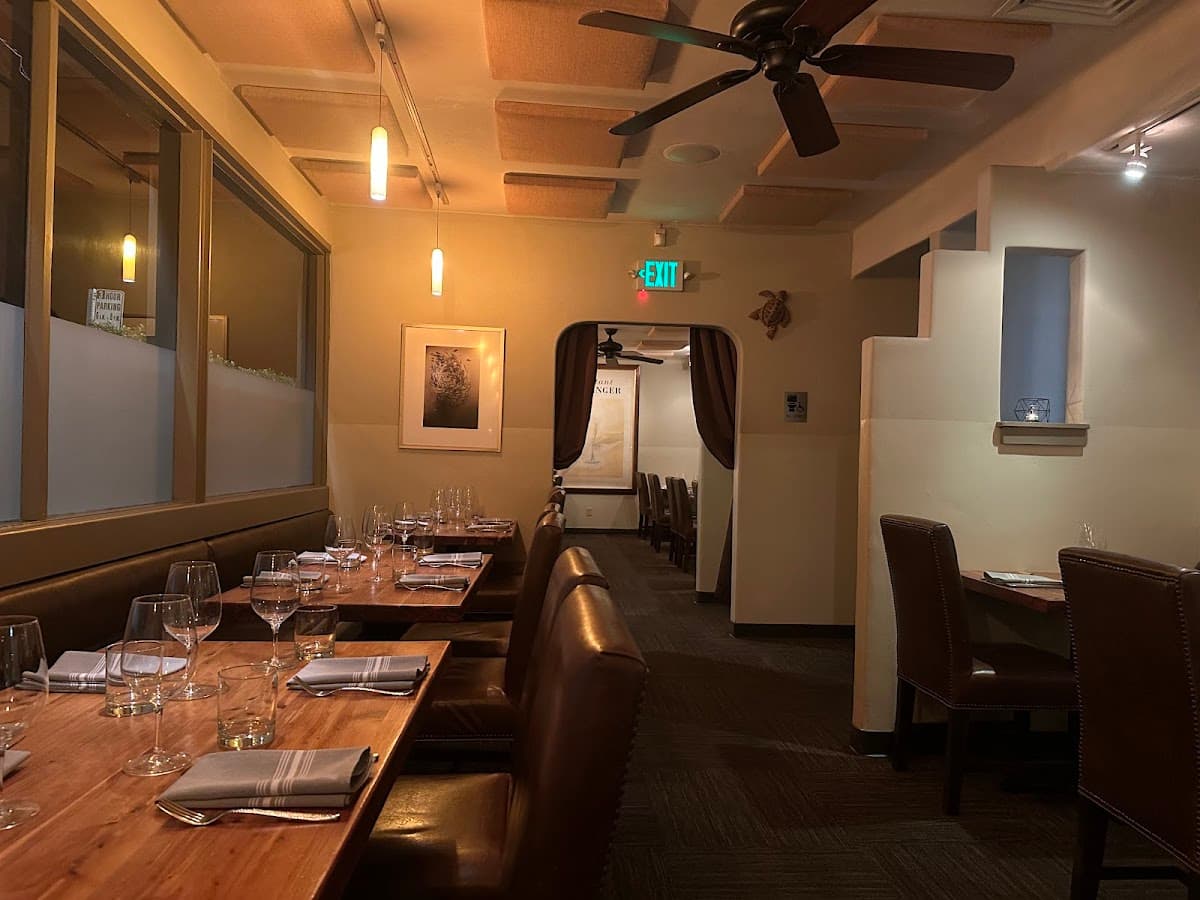
- •Make dinner reservations 2-3 days ahead for popular restaurants like Cultura and Jeninni
- •Bring binoculars for whale watching from shore - gray whales migrate December through April
- •Wear closed-toe shoes for evening walks - coastal paths can be slippery and rocky
- •Fill up gas tank before driving to Big Sur - limited and expensive fuel options along Highway 1
- •Visit Cannery Row early morning or late afternoon to avoid peak tourist crowds
Frequently Asked Questions
Explore Monterey
BUILD YOUR MONTEREY PLAN
Insider picks, smart timing, and a plan ready when you are.