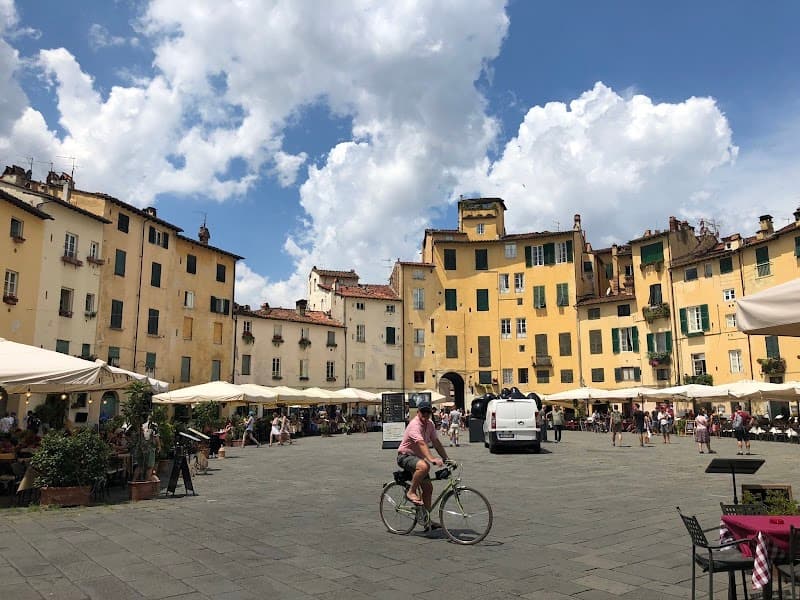
Lucca
Tuscany's Perfect Medieval Walled City Gem
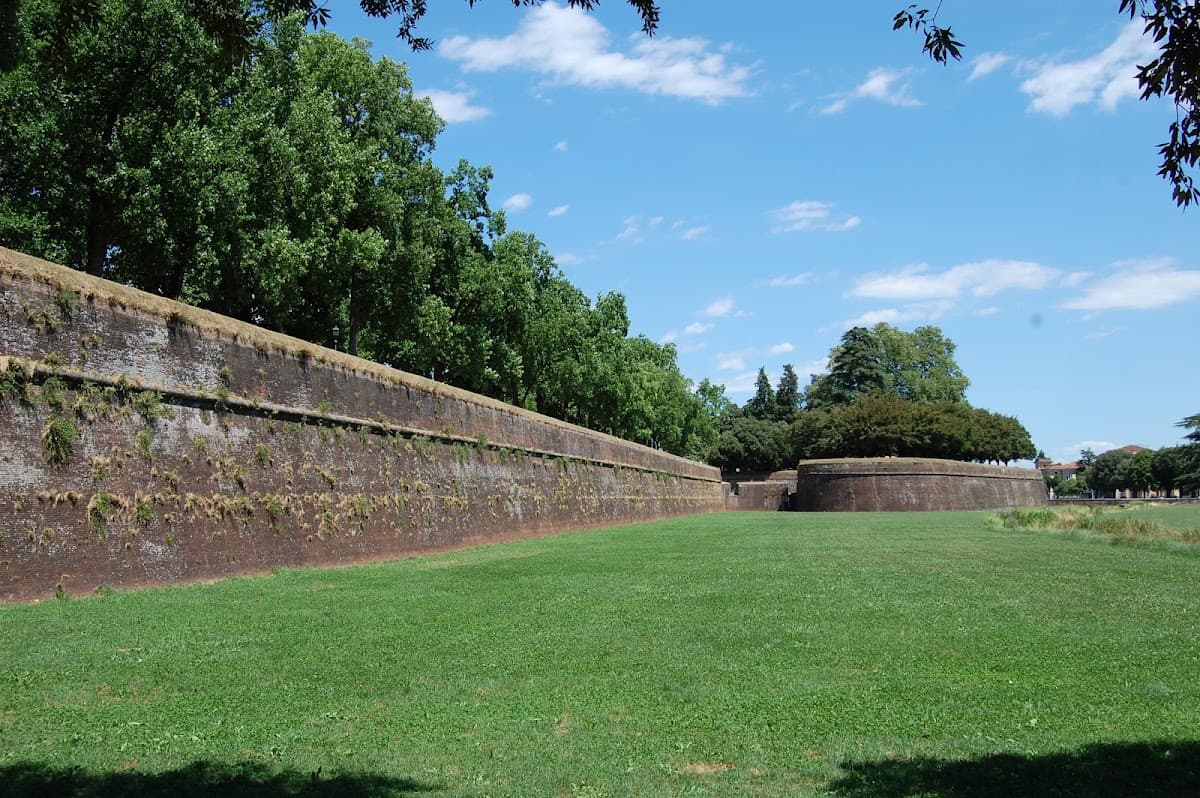
Lucca is the Tuscan city that doesn't need to try too hard. While Florence fights crowds and Pisa poses for photos, this medieval fortress town just gets on with being absolutely perfect. You can walk or bike the entire 4-kilometer circuit of Renaissance walls that still encircle the historic center — something you literally cannot do anywhere else in Europe. The ramparts are now a tree-lined park where locals jog at sunset and kids learn to ride bikes.
Inside those walls, Lucca feels like a living museum that forgot it was supposed to be touristy. Silk merchants built tower houses here in the 12th century, and many still stand. The Guinigi Tower sprouts oak trees from its roof. Via Fillungo runs straight through the heart of things, lined with family shops that have been here for generations. And here's what makes Lucca special: it's small enough to know in a weekend but deep enough to reward a week.
Best Months
APR · MAY · JUN · SEP · OCT
~24°C · moderate crowds
Culture & Context
WALLED CITY, LIVING HEART
Lucca is a Tuscan city of about 89,000 people. It has its own distinct identity and locals are proud of it. The city is completely enclosed by Renaissance-era walls built between 1504 and 1648, which are over 4 kilometers around and wide enough to drive a car on top of (though you're not supposed to).
Unlike Florence, which can feel like an open-air museum run for tourists, Lucca still functions as an actual city where people live, shop on Via Fillungo, and play chess in the piazzas. It's the birthplace of Giacomo Puccini, and opera is genuinely woven into the city's identity. The local cuisine leans simple: ribollita, tordelli (crescent-shaped pasta with ricotta and meat sauce), and buccellato, a sweet ring bread with raisins and anise that you'll find in every bakery window.
Lucca is also famous for its extra virgin olive oil, which locals treat with intense seriousness. And October turns the city into something else entirely when Lucca Comics and Games rolls in.
Local Customs
BUONGIORNO FIRST, ALWAYS
Say 'Buongiorno' when you walk into any shop, cafe, or restaurant. Not saying it is noticeably rude. Locals greet staff the moment they enter, full stop..
Cappuccino is a morning drink. Order one after 11am and the bar staff will likely serve you without comment, but they'll notice. Espresso is the default after lunch and dinner..
Don't order cheese on seafood pasta. Asking for Parmesan on linguine alle vongole will get you a polite refusal. The answer is no, and the chef is right..
The bill (il conto) will not arrive at your table unless you ask for it. Italians don't rush customers out. Catch the waiter's eye and say 'il conto, per favore' when you're ready..
Check your bill for a 'coperto' charge — that's the cover charge for bread and table service, usually €1.50-3 per person. It is not a tip.
Tipping is not expected but rounding up or leaving small coins for great service is appreciated.. Use the formal 'Lei' when addressing strangers and shop owners you don't know. 'Ciao' is for friends and younger people.
Starting with 'Scusi' (excuse me) before asking a question signals respect.. At bars, ask for a table rather than just sitting down, even if one looks free. Sitting uninvited at what turns out to be a regular's table is a real thing that happens and it gets awkward fast..
Cover shoulders and knees for church visits. This applies to everyone, all year round — not just the big famous churches but the small neighborhood ones too. Carry a light scarf..
Don't walk around eating. Grab a gelato, fine, but full meals and sandwiches should be consumed at the counter or a table, not while wandering the streets.. Validate your train ticket before boarding at the small yellow stamping machines marked 'convalida'.
An unvalidated ticket gets you a fine even if you paid for it.
Safety
WATCH YOUR BELONGINGS
Lucca is one of the calmer cities in Tuscany. The US State Department rates Italy at Level 2 (exercise increased caution), primarily due to general European terrorism concerns rather than any Lucca-specific threat. Petty crime is the real and practical concern across Italy, not violent crime.
Pickpocketing happens in crowded train stations and at major tourist attractions. Lucca is significantly less problematic than Rome or Florence in this regard — it simply has fewer crowds and fewer professional thieves working them. That said: use a crossbody bag, keep your phone in your front pocket in any crowd, and be especially alert at Lucca Comics & Games in October when the city swells massively.
Rental cars are targeted by thieves across Italy, so never leave anything visible in a parked vehicle. The emergency number is 112. Tap water is safe to drink everywhere.
Watch out for ZTL (Zona Traffico Limitato) signs if you drive — the historic center has restricted traffic zones and rental companies have been known to pass fines along to renters weeks after they return home.
Useful Phrases
Money-Saving Tips
- 1.Rent bikes for €15/day instead of taking taxis — the walls are perfect for cycling and it's how locals get around
- 2.Eat lunch at family trattorias outside the main tourist squares — Via del Battistero has several spots with €12 lunch menus
- 3.Buy groceries at Conad on Via Battisti rather than tourist shops — prices are 30% lower for basics like water and snacks
- 4.Book accommodation inside the walls to avoid daily parking fees of €15-20 at outside lots
- 5.Visit churches for free instead of paying tower climbing fees — San Martino Cathedral has incredible art and costs nothing
- 6.Shop for olive oil and wine at Enoteca Vanni — they offer tastings and local prices, not tourist markups
Travel Tips
- •Walk or bike the complete 4km circuit of medieval walls — it takes about 45 minutes and gives you the best city overview
- •Visit Piazza dell'Anfiteatro early morning before tour groups arrive — the oval medieval square is built on Roman amphitheater ruins
- •Climb Torre Guinigi for panoramic views — the 230 steps lead to a rooftop garden with oak trees growing on top
- •Book dinner reservations by 4 PM — many family restaurants have limited seating and don't take late bookings
- •Bring comfortable walking shoes — medieval cobblestones can be slippery when wet and uneven throughout
- •Learn basic Italian phrases — locals appreciate the effort and many family businesses have limited English
Frequently Asked Questions
Explore Lucca
BUILD YOUR LUCCA PLAN
Insider picks, smart timing, and a plan ready when you are.