Seward
Alaska's gateway to glaciers, whales and pristine wilderness
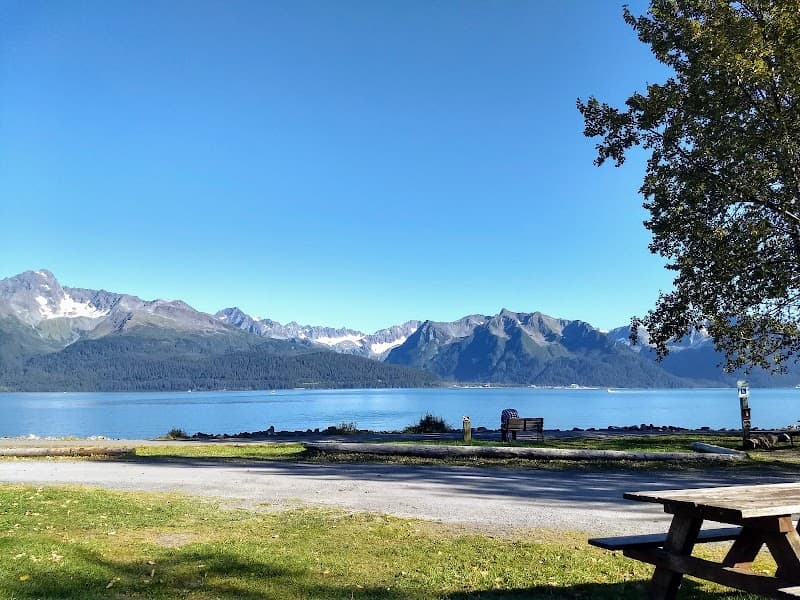
Seward sits at the head of Resurrection Bay like Alaska's best-kept secret that's not really a secret anymore. This small town of 2,700 people punches way above its weight class. You've got glacier tours leaving from the harbor every morning, Exit Glacier just 13 miles up the road, and some of the most reliable whale watching in Alaska right offshore. The town itself feels like it stepped out of a 1950s postcard, but don't let the quaint facade fool you. Seward is serious adventure territory, where you can kayak among icebergs in the morning and spot bears fishing for salmon by afternoon. The catch? Everyone else figured this out too, so summer crowds can be intense.
Best Months
MAY – SEP
~16°C · moderate crowds
Culture & Context
EARTHQUAKE-REBUILT MURAL TOWN
Seward sits at the end of the Seward Highway on Resurrection Bay, about 127 miles south of Anchorage. Population hovers around 2,700 year-round, but that number swells dramatically every summer when cruise ships start rolling in and the harbor fills with charter boats. It's one of Alaska's oldest and most historically layered port cities.
The 1964 Good Friday Earthquake obliterated much of the waterfront, and the town rebuilt with the gritty pragmatism you'd expect from people who choose to live somewhere that remote. The local economy runs on three things: fishing, tourism, and the Alaska Railroad. When cruise ships dock, the harbor transforms and the cellular towers buckle.
Seward calls itself the "Mural Capital of Alaska," with over 30 large murals painted by local artists lining the downtown streets. That's not a marketing gimmick — it's a genuine point of pride. The Alaska SeaLife Center on the waterfront doubles as an active marine research facility, not just an aquarium.
Kenai Fjords National Park begins essentially where the town ends. The whole place has an end-of-the-road quality to it that's entirely literal — the Seward Highway terminates here. People who stay tend to stay for life.
Local Customs
TIDES, BEAR SPRAY, RESPECT ISOLATION
Alaskans don't call it a snowmobile — it's a snowmachine. Use that word wrong and you've outed yourself as a cheechako immediately.. Xtratufs (the brown rubber boots) are worn by basically everyone in the fishing community.
They're practical, not fashionable — but in Seward they've become both.. The Permanent Fund Dividend (PFD) check is a big deal. Every Alaskan resident receives an annual payment from the state oil fund, and when the checks hit in fall, the whole town notices.
Don't bring it up as a cute oddity — locals have strong opinions about what the legislature does with it.. Bears are real and present on hiking trails. Carry bear spray, make noise on the trail, and don't leave food in your car overnight — especially near Exit Glacier..
Tides matter here. The coastal trail to Caines Head is only passable at low tide. Always check the tide book before attempting it, or arrange a water taxi..
Locals respect the 'end of the road' culture. Seward is literally where the highway ends. People who live here chose it deliberately.
Don't be the tourist who complains about limited cell service or a lack of chain restaurants.. The Seward Mural Society hands out free mural walk maps at the visitor center. Picking one up is a low-key way to get a real orientation of the town without paying for a tour..
Weather changes fast on Resurrection Bay. Even on a sunny morning departure, bring a waterproof layer for any boat trip. The difference between the harbor and open water is significant.
Safety
NATURAL HAZARDS, NOT CRIME
Seward is a safe town with very low violent crime. One robbery was reported in 2020. The real risks here are natural, not human.
Earthquake and tsunami risk is real and well-documented — the 1964 Good Friday Earthquake devastated the town and the threat hasn't gone away. Know where the high ground is. There are evacuation route signs posted around town; actually read them.
On hiking trails, bear spray is mandatory, not optional. The Tonsina Creek Trail near Lowell Point specifically has active bear activity during salmon season. The coastal trail to Caines Head is only accessible at low tide — check conditions with locals before attempting it.
Mountain weather changes fast. The Harding Icefield Trail is 7 miles each way with over 3,000 feet of elevation gain; it takes 6–8 hours and conditions at the top are completely different from the trailhead. On the water, Resurrection Bay can produce short-notice wind and chop.
Dress for marine conditions on any boat tour regardless of the morning forecast. Walking around town during the day is comfortable and safe. At night the harbor bars stay lively but incidents are rare.
Getting Around
WALKABLE, GLACIER SHUTTLE ACCESS
Getting to Seward means either driving the Seward Highway south from Anchorage (about 2.5 hours, one of two federally designated All-American Roads in Alaska), taking the Alaska Railroad Coastal Classic train ($133 one-way, departs Anchorage at 6:45am, arrives 11:15am), or catching the Park Connection bus shuttle ($65–95/person one-way). The train is genuinely scenic and worth it at least one direction.
For July 4th weekend, leave Anchorage by 7am on July 3rd or earlier to avoid brutal highway backups. Once in town, everything that matters — downtown, the Small Boat Harbor, and the Alaska SeaLife Center — sits within about a one-mile waterfront corridor. A free seasonal shuttle connects the harbor area during peak season.
Exit Glacier is 12 miles out on a paved road off the Seward Highway; there's a paid shuttle ($20 each way, runs hourly May 20–Sept 5) from the Small Boat Harbor, or you can drive and park for free. The town has no public bus system. Lowell Point is a 2-mile drive south of downtown and is the end of the road — plan accordingly.
Useful Phrases
Seward Itineraries
View all
Wild Fjords & Rainforest Trails: 7 Days in Seward
Week · $$$
Wild Coastal Seward: Glaciers, Harbor Walks, and Easy Adventure
Weekend · $$$
Seward Wild Coast Weekend with Glaciers, Bay Views, and Calm
Day Trip · $$$
Wild Shores & Fjords: 7 Days in Romantic Seward
Week · $$$

Wild Shores & Glaciers: A Romantic Seward Escape
Weekend · $$$
Wild Seas & Mossy Trails: A Romantic Seward Escape
Day Trip · $$$
Money-Saving Tips
- 1.Book glacier tours directly with operators like Major Marine Tours to avoid third-party markups that can add $30-50 per person
- 2.Pack your own lunch for day trips - a sandwich at Exit Glacier visitor center costs $12, while groceries at Safeway are reasonably priced
- 3.The Alaska SeaLife Center offers resident discounts if you have Alaska ID, saving $10 off the $25 admission
- 4.Camping at Exit Glacier Campground costs only $15 per night versus $200+ for hotels, and you're right at the trailhead
- 5.Many hiking trails are free, including the popular Mount Marathon route that offers million-dollar views for zero dollars
Travel Tips
- •Bring layers - morning fog can make it feel like 45°F even when afternoon temps hit 70°F
- •Book glacier tours early in your trip in case weather cancels later departures
- •The Small Boat Harbor has free WiFi and clean restrooms - useful for planning your day
- •Exit Glacier Road is paved but narrow with no shoulders - drive carefully and use pullouts to let RVs pass
- •Download offline maps before heading to Exit Glacier - cell service cuts out about halfway there
- •Pack rain gear year-round - Seward gets 60+ inches of precipitation annually
- •The Alaska Railroad depot is a 10-minute walk from most hotels, making it easy to arrive car-free