Pacific Northwest
Emerald forests meet rugged coastlines and urban culture
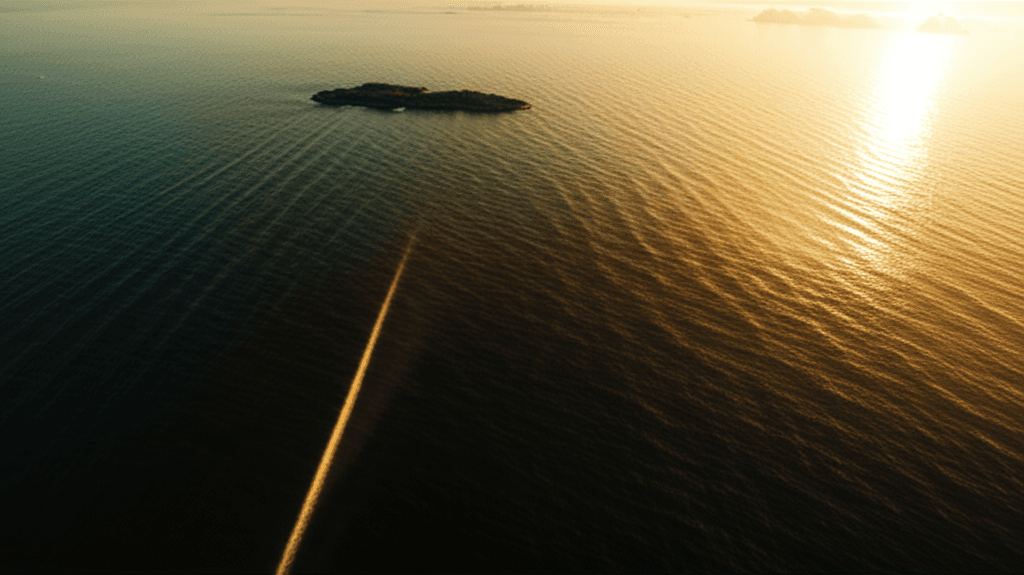
The Pacific Northwest isn't just a region—it's a state of mind. Here, emerald forests cascade down to rugged coastlines where sea stacks rise from crashing waves. Coffee culture thrives in cities like Seattle and Portland, while small coastal towns serve up the freshest seafood you'll ever taste. The PNW moves at its own pace, where hiking boots are acceptable dinner attire and rain is just another reason to cozy up with a craft beer. From the volcanic peaks of the Cascades to the temperate rainforests of Olympic National Park, this corner of America offers endless adventures for those willing to embrace the drizzle.
Explore States
Explore the Region
Pacific Northwest Itineraries
View all
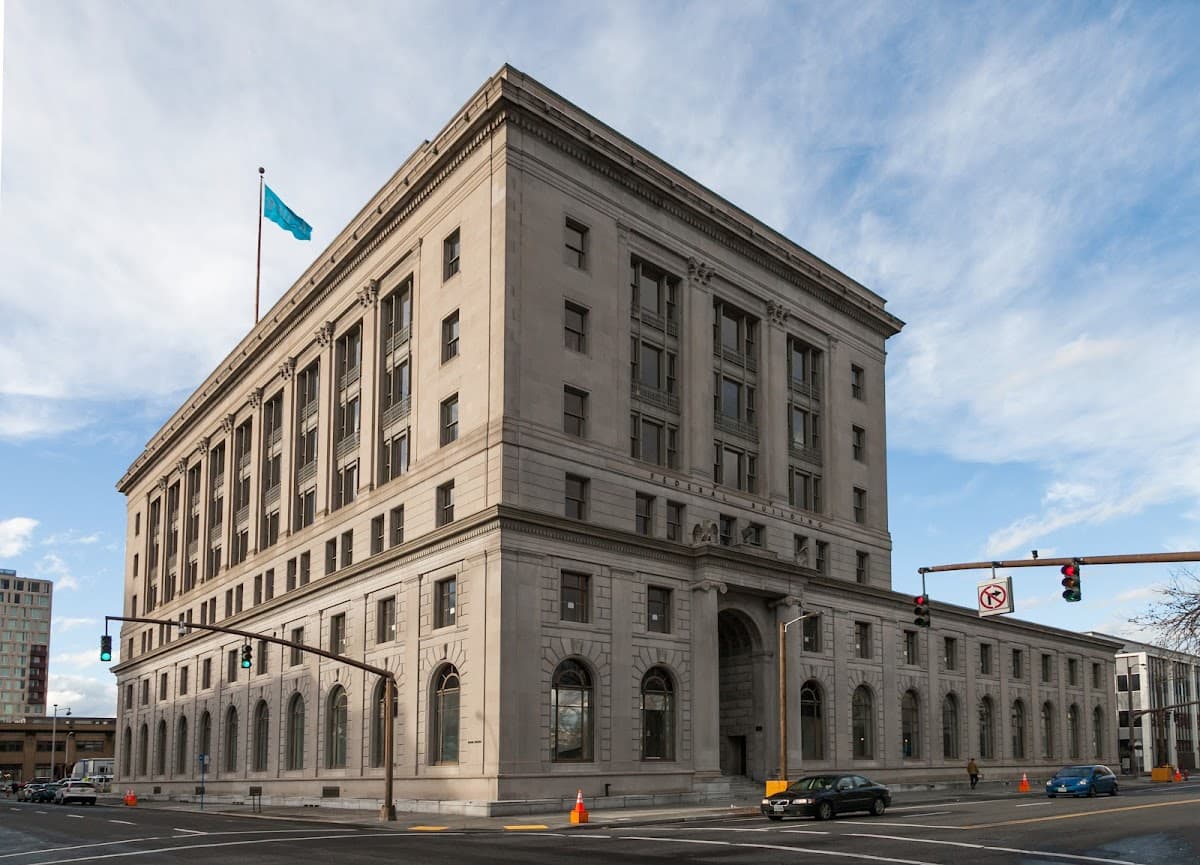
Washington, DC: Seven Days of Trails, History, and River Adventure
Week · $$

Olympic National Park Weekend: Rainforest, Peaks & Coast
Weekend · $$

Weekend Escape to Mount Rainier National Park
Weekend · $$
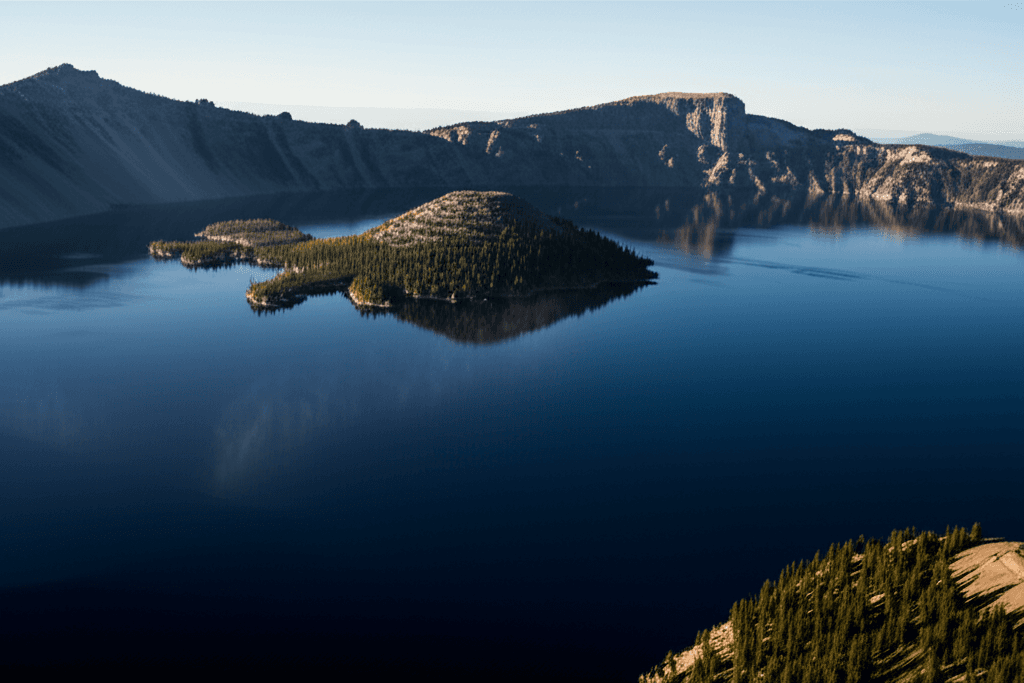
Solo Circles Around Crater Lake’s Deep Blue Weekend
Weekend · $$

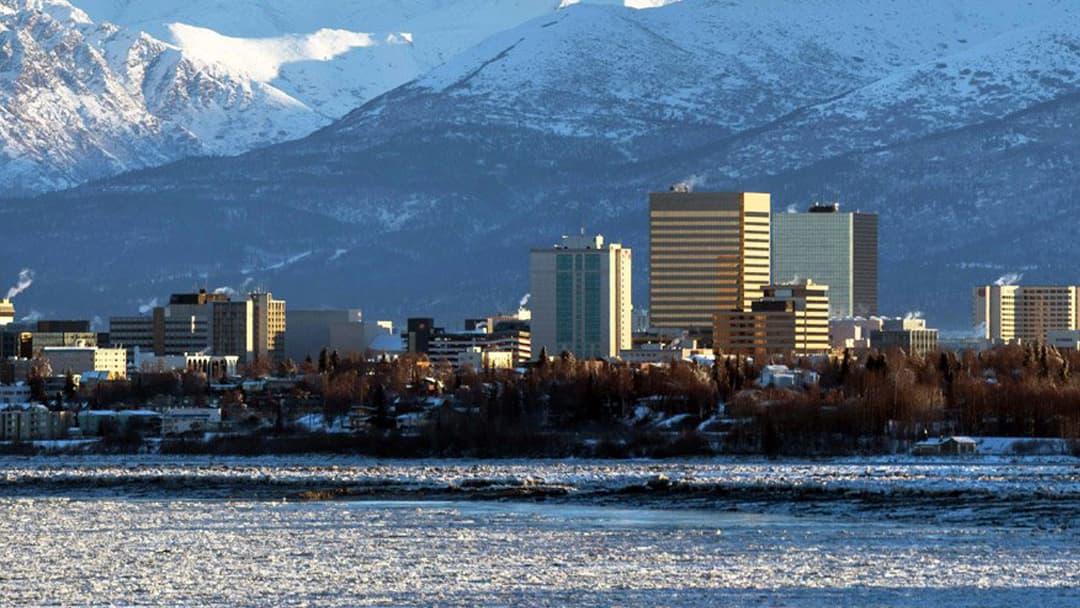
Anchorage Bohemian Adventure Weekend
Weekend · $$$

Seattle Sound & Skyline: An Adventurous City Day for Two
Weekend · $$$
Money-Saving Tips
- 1.Happy hour runs long in Portland—many bars offer discounted drinks and food from 3-6pm weekdays
- 2.Washington has no state income tax, but sales tax varies by city (Seattle's is over 10%)
- 3.Oregon has no sales tax, making it great for shopping, but restaurant prices include higher labor costs
- 4.State park day passes cost $5 in Oregon, $10 in Washington—annual passes pay off quickly
- 5.Food trucks cost half what restaurants charge for similar quality—Portland's pods are goldmines
- 6.Ferry rides to San Juan Islands get expensive fast—walk-on passengers pay much less than cars
- 7.Camping in national forests costs $5-15 per night vs $30-50 at private campgrounds
- 8.Seattle's streetcar and light rail offer day passes for unlimited rides—better than paying per trip
- 9.Farmers markets accept WIC and SNAP benefits, often with matching programs that double your money
- 10.Many breweries offer free tours with tastings—call ahead to reserve spots
Travel Tips
- •Pack layers always—morning fog can lift to reveal sunny afternoons even in winter
- •Download offline maps for mountain areas where cell service drops out completely
- •Book accommodations early for summer, especially in coastal towns and San Juan Islands
- •Tide apps are essential for coastal exploring—low tide reveals tide pools and sea caves
- •Many hiking trails require Northwest Forest Passes—buy them at ranger stations or online
- •Portland food carts often close Mondays—check social media before making special trips
- •Seattle parking downtown costs $4-6 per hour—use SpotHero app to find cheaper lots
- •Whale watching season peaks April-October, but resident orcas live in Puget Sound year-round
- •Columbia River Gorge creates wind tunnels—secure loose items when driving Highway 14
- •REI flagship stores in Seattle and Portland offer gear rentals if you don't want to buy
Frequently Asked Questions
BUILD YOUR
PACIFIC NORTHWEST PLAN
Insider picks, smart timing, and a plan ready when you are.
Start Planning