Osaka
Japan's kitchen where street food culture meets urban energy
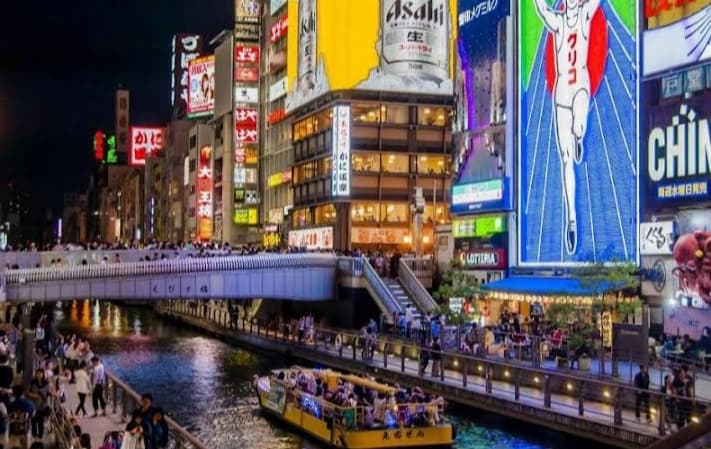
Forget Tokyo's polished perfection. Osaka keeps it real. This is where salarymen slurp ramen at 2am, where takoyaki vendors have been perfecting their craft for decades, and where "kuidaore" — eating yourself into bankruptcy — is practically a civic duty. The city pulses with an energy that's distinctly different from Japan's capital. Here, people talk louder, laugh harder, and take their food very, very seriously. Osaka earned its nickname "Japan's Kitchen" the hard way, feeding the nation for centuries from its position as a major trading port. Today, that legacy lives on in every corner konbini, every late-night yakitori joint, and every perfectly round ball of octopus goodness sizzling on a street cart.
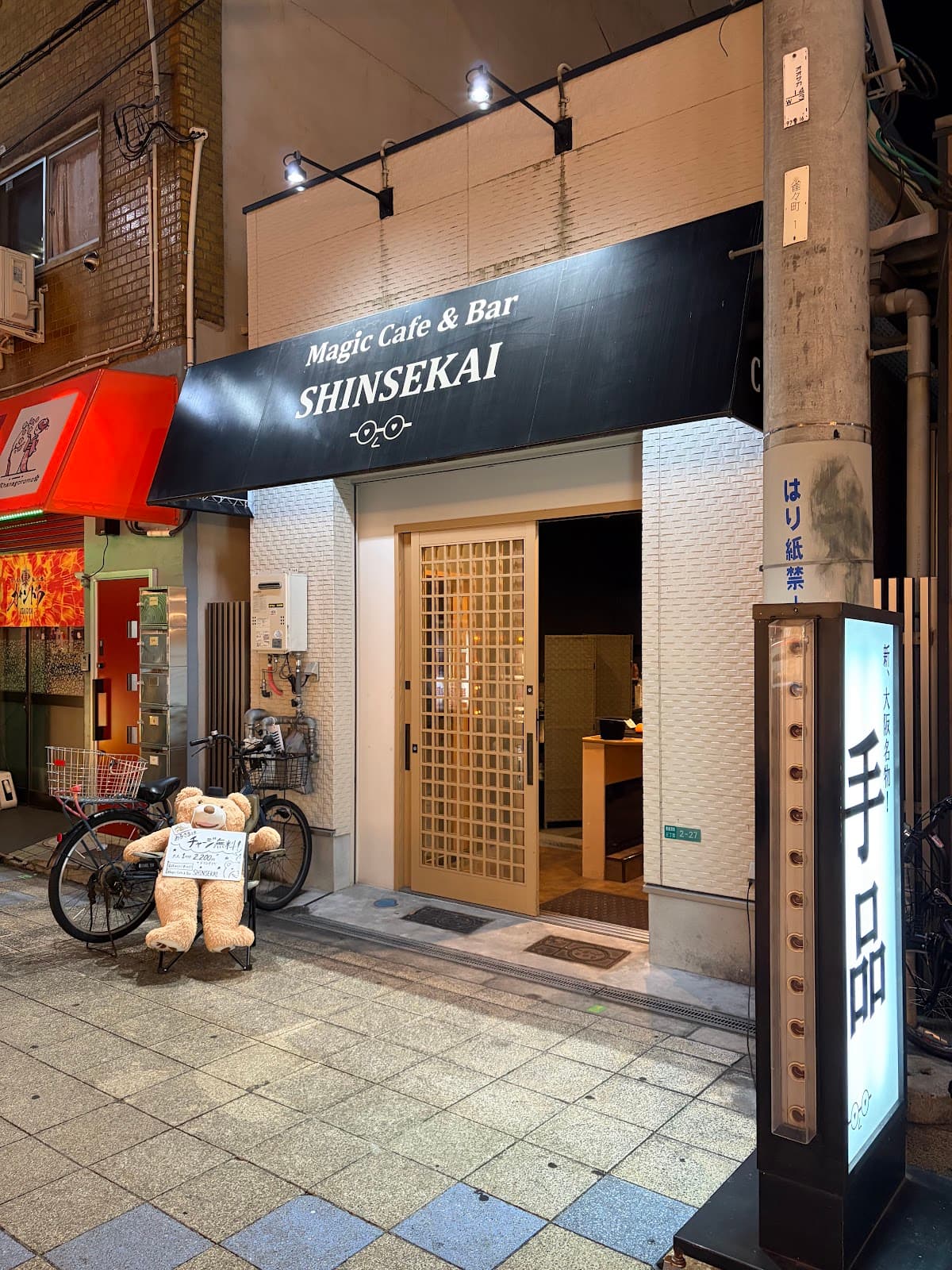
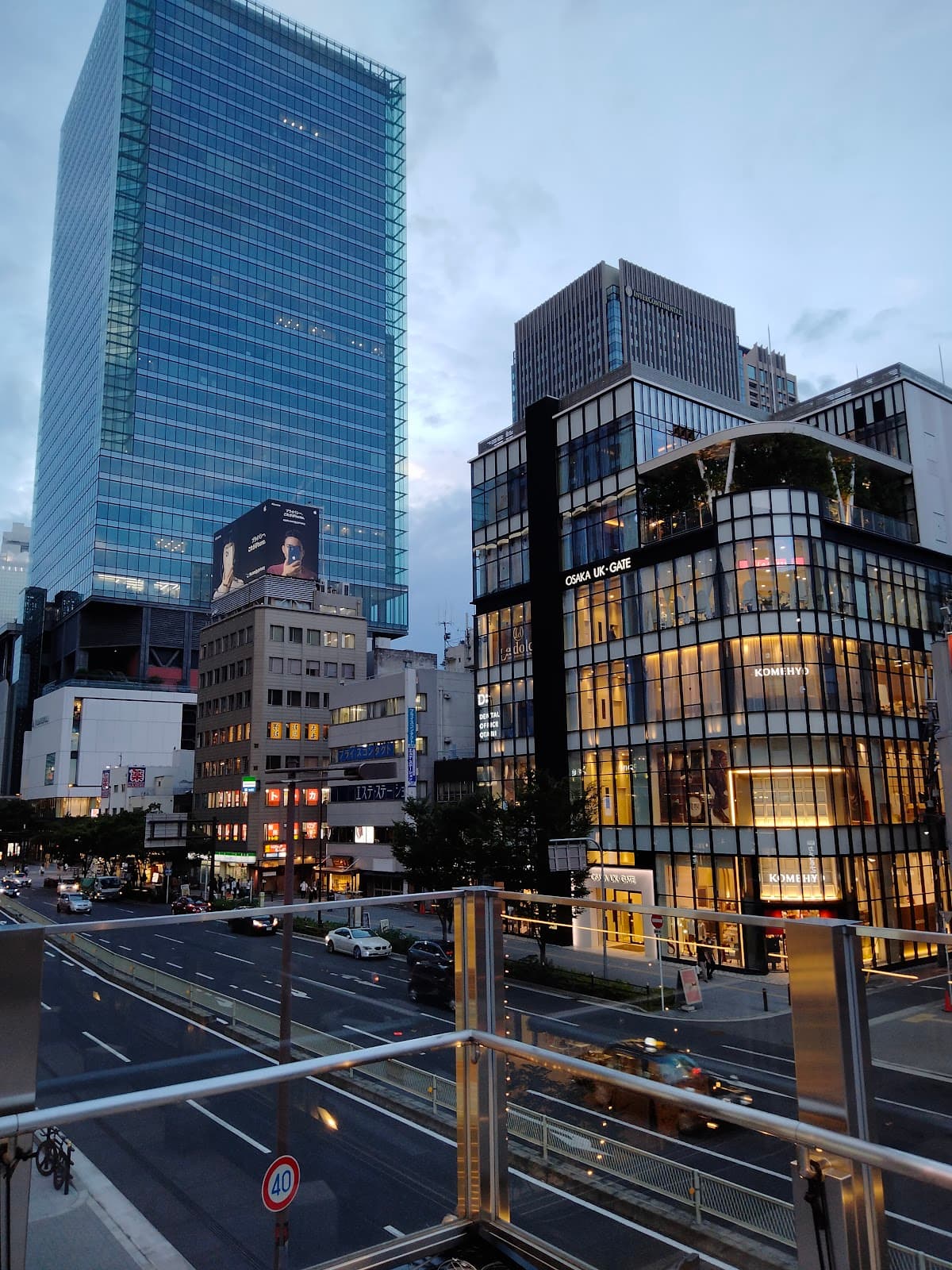
Explore Neighborhoods
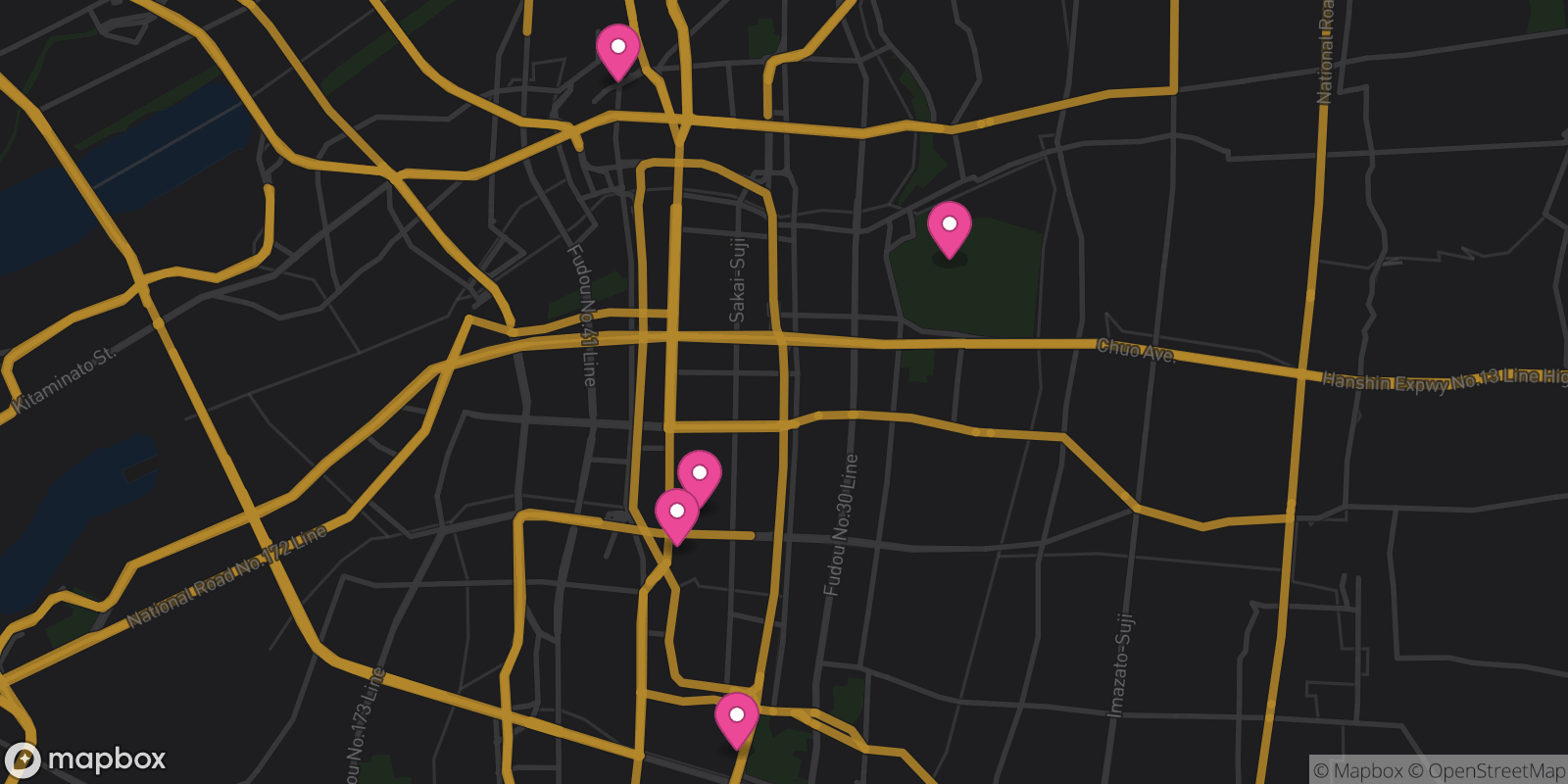
Explore the Region
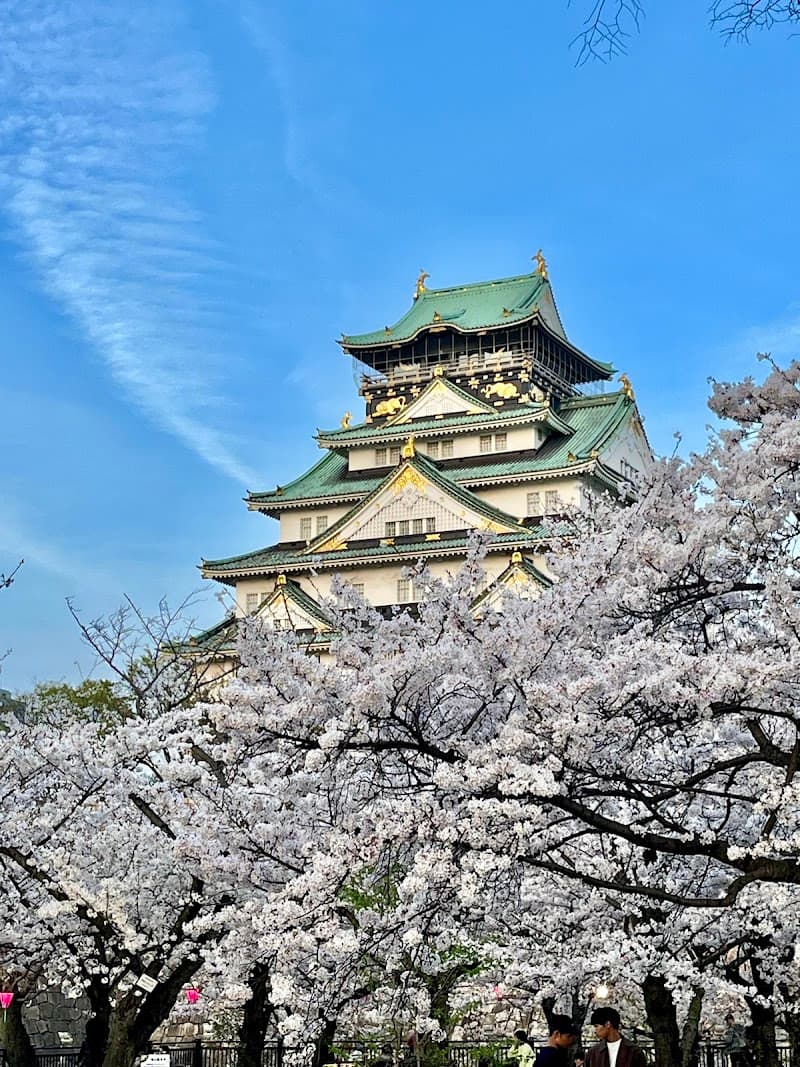
Osaka Itineraries
Money-Saving Tips
- 1.Buy a Kansai Thru Pass for ¥4,300 if you're staying 3+ days - it covers all trains, subways, and buses in the region including day trips to Kyoto and Nara
- 2.Eat at standing bars and counters instead of sit-down restaurants - same quality food for 30-40% less money
- 3.Book hotels in Shinsekai or Sumiyoshi neighborhoods instead of Namba to save ¥5,000+ per night
- 4.Shop for souvenirs at Don Quijote instead of department stores - same Hello Kitty goods for half the price
- 5.Use the free WiFi at every convenience store instead of buying a data plan - 7-Eleven and Lawson have the fastest connections
- 6.Time your visit for late fall or winter when hotel prices drop by 40% compared to cherry blossom season
Travel Tips
- •Learn to say 'sumimasen' (excuse me) - Osakans are more forgiving of tourist mistakes than Tokyoites but appreciate basic politeness
- •Always carry cash - many restaurants and small shops still don't accept cards, even in 2026
- •Download Google Translate with camera function for menus - it works better than you'd expect for Japanese text
- •Bow slightly when meeting people or saying thank you - a small nod is enough, don't overdo it
- •Take your shoes off when entering someone's home, traditional restaurants, or temple buildings
- •Don't eat or drink while walking on the street - find a place to sit or stand still
- •Keep your voice down on trains and subways - loud conversations mark you as a tourist immediately
- •Carry a small towel - public restrooms often don't provide paper towels for hand drying
Frequently Asked Questions
Explore Osaka
Ready to explore Osaka?
Get a personalized itinerary in seconds with Takeoff.
Free on iOS. No credit card required.