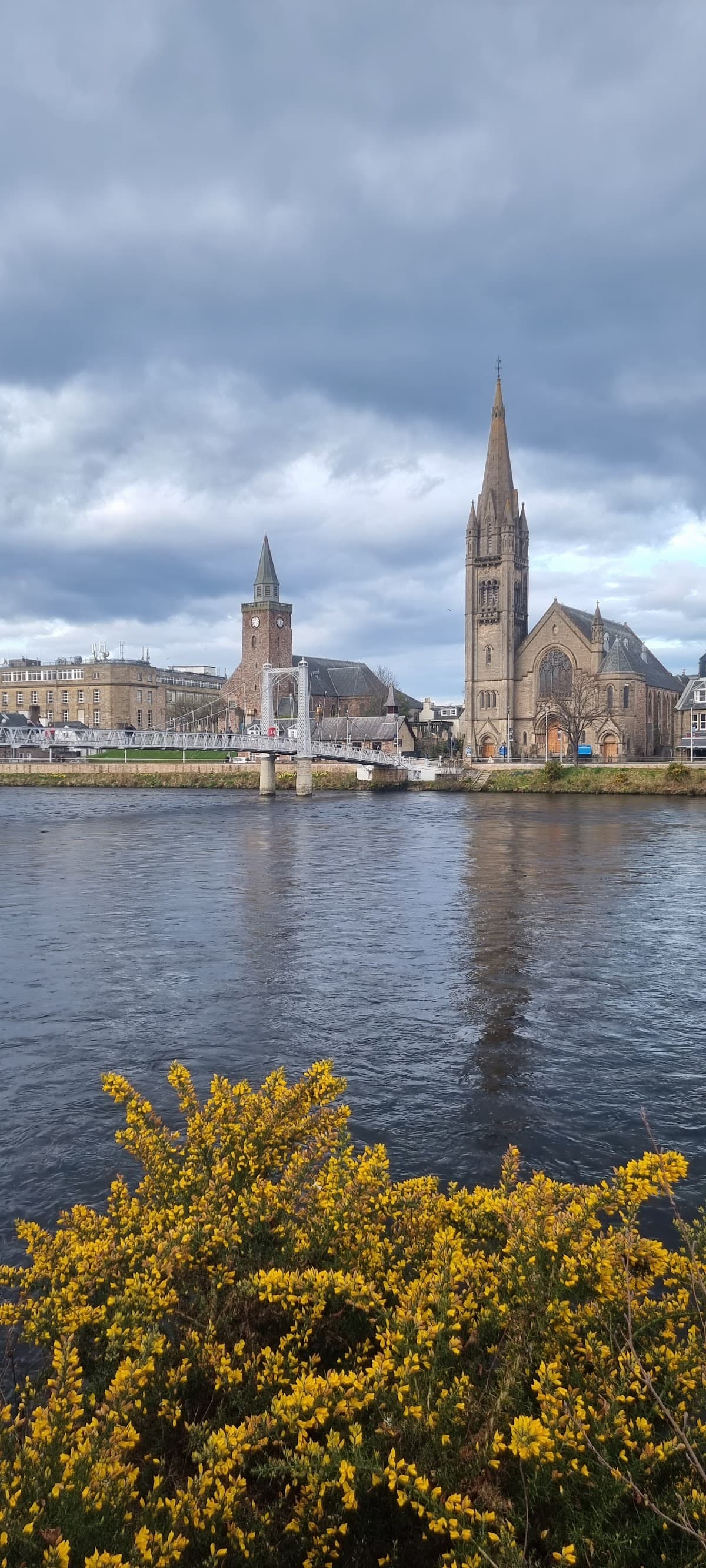
Inverness
Highland Gateway to Loch Ness and Castles
Inverness sits at the crossroads of Highland Scotland like a friendly gatekeeper, ready to unlock the mysteries of lochs, castles, and ancient battlefields. The city hugs the River Ness with Victorian sandstone buildings that glow amber in the evening light, while Inverness Castle keeps watch from its perch above the water. You can walk the entire city center in 20 minutes, but that compact size is exactly the point. This is your launching pad for Highland adventures, not your final destination. The real magic happens when you venture beyond the city limits to chase monsters in Loch Ness or stand where Jacobite dreams died at Culloden. But first, you'll need a proper Scottish breakfast and maybe a dram of whisky to fuel the journey ahead.
Local Knowledge
Culture & Context
Inverness sits at the mouth of the River Ness — that's literally what the name means in Gaelic, 'Inbhir Nis', the confluence of the River Ness. The city is the administrative capital of the Scottish Highlands and sits at the northern end of the Great Glen, which means it's the natural launch point for Loch Ness, the NC500 road trip, and most of the major Highland destinations. It's ranked the happiest city in Scotland by multiple surveys, which sounds like marketing but tracks with the place. People are genuinely relaxed here. The shadow of Culloden Battlefield hangs over the surrounding area — the site of the final Jacobite defeat in 1746 is just six miles east of the city centre, and it's not a theme park. It's quiet, emotional, and worth the visit. Gaelic is still spoken by a meaningful portion of Highland residents, and bilingual road signs are common once you leave the city. You don't need Gaelic to get around, but knowing a few words lands differently here than in Edinburgh.
Safety
Inverness is very safe. The safety index sits at 74.2 out of 100, and solo female travellers consistently rate it highly. The honest downsides: Friday and Saturday nights around the city centre can get rowdy when the pubs close, with the occasional drunk looking for an argument. Nothing serious, but worth knowing. The area around Merkinch and South Kessock has a rougher reputation among locals, though visitors are unlikely to encounter any real trouble there. Bus services thin out significantly after 7pm, so if you're out late, budget for a taxi back. For non-urgent medical help, call NHS24 on 111. Visitors from outside the UK should get travel insurance as NHS treatment isn't free for non-residents. Weather is the biggest practical hazard — Highland conditions can change fast, and hypothermia is a real risk on remote walks if you're underprepared. Pack a waterproof layer every single day, no exceptions.
Getting Around
Inverness Airport (INV) is 8 miles east of the city centre. The Stagecoach Jet bus (service 1) runs every 30 minutes to the city for £3.10 and takes about 30 minutes. A dedicated Inverness Airport Railway Station opened in 2023, with ScotRail trains connecting directly to the city and along the Aberdeen line — a genuinely useful addition. Taxis from the airport take about 15–20 minutes and cost around £15–20. Inside the city, you can walk almost everywhere that matters. The Victorian Market, castle, river, Eden Court, and most restaurants are all within a compact, flat-ish centre. Stagecoach runs local buses across the city and out to villages like Beauly, Dingwall, and Cromarty, but plan around those evening cutoffs. ScotRail runs four lines from Inverness station: south to Edinburgh and Glasgow via Perth and Aviemore, east to Aberdeen, and north/west to Kyle of Lochalsh and Wick. Book train tickets in advance on Trainline or ScotRail for the best prices. A Highland Rover pass gives 4 days of unlimited Highland rail travel within 8 consecutive days and is worth it if you're doing serious exploring. If you want to reach Skye, Torridon, or the far north, a hire car is basically essential — public transport connections get thin fast outside the main corridors.
Useful Phrases
Cheers, or good health — the standard toast when raising a glass of whisky or anything else
Dull, grey, miserable weather. You will use this word. You will use it a lot.
Fine, good, excellent. 'That was a braw day out' is a genuine compliment.
Yes and no, respectively. Simple, but using them correctly earns instant local approval.
Come back soon. You'll see it on signs leaving shops and attractions. It's genuine warmth, not a tourism slogan.
A measure of whisky. Don't call it a 'shot' — that's a tourist tell. Order 'a dram' and ask the bartender for a recommendation.
How are you? in Scottish Gaelic. Locals will be pleasantly surprised if you attempt it.
Thank you, in Scottish Gaelic — informal version used with friends or in casual situations.
Local Customs
- •Order whisky as 'a dram', never 'a shot'. Tell the bartender your taste preferences and let them guide you. Inverness is surrounded by distillery country and bar staff take this seriously.
- •Bus services in Inverness become infrequent or stop altogether after around 7pm. Plan evening trips back accordingly, especially if you're heading to an outer neighbourhood.
- •Inverness is technically a city but genuinely feels like a town of about 50,000 people. Don't expect the anonymity of a big city — locals notice tourists, and are generally warm about it, not hostile.
- •The Ness Islands ('the islands' to locals) are a five-minute walk from the city centre, connected by Victorian footbridges. They're where locals actually go to decompress. Not a tourist trap — go there.
- •When driving anywhere in the Highlands outside Inverness, single-track roads with passing places are the norm. Pull in to let oncoming traffic pass, and don't park in passing places.
- •Scotland has the right to roam — walkers are legally entitled to cross most land responsibly. You can walk across farmland and hillsides without it being trespassing, which is quite unlike England.
- •Ceilidh dancing (pronounced 'KAY-lee') is a genuine social tradition, not a tourist performance. If Eden Court or a local pub has one on, go. The dances are called out so beginners are always welcome.
- •Don't call Scots 'English' or confuse Scottish and English cultural references. It's the kind of mistake that's hard to recover from in a pub conversation.
Itineraries coming soon
We're working on adding amazing itineraries for Inverness. In the meantime, try the app to create your own!
Money-Saving Tips
- 1.Book accommodation outside July-August to avoid 40% summer surcharges
- 2.Buy a Historic Scotland Explorer Pass for £42 if visiting 3+ castles
- 3.Tesco Metro on Eastgate offers cheaper groceries than tourist-area shops
- 4.Many pubs offer 2-for-1 meal deals Monday-Thursday
- 5.Free parking at Bught Park, then walk 10 minutes to city center
- 6.Train advance tickets to Edinburgh cost £15 vs £45 on the day
Travel Tips
- •Download offline maps – Highland mobile signal can be patchy
- •Pack waterproof jacket even in summer – Highland weather changes fast
- •Book Loch Ness boat trips in advance during summer months
- •Bring midgie repellent for evening walks along the River Ness
- •Most shops close early Sunday, plan accordingly for supplies
- •Ask locals about clan histories – they love sharing Highland stories
Frequently Asked Questions
Explore Inverness
Ready to explore Inverness?
Get a personalized itinerary in seconds with Takeoff.
Free on iOS. No credit card required.