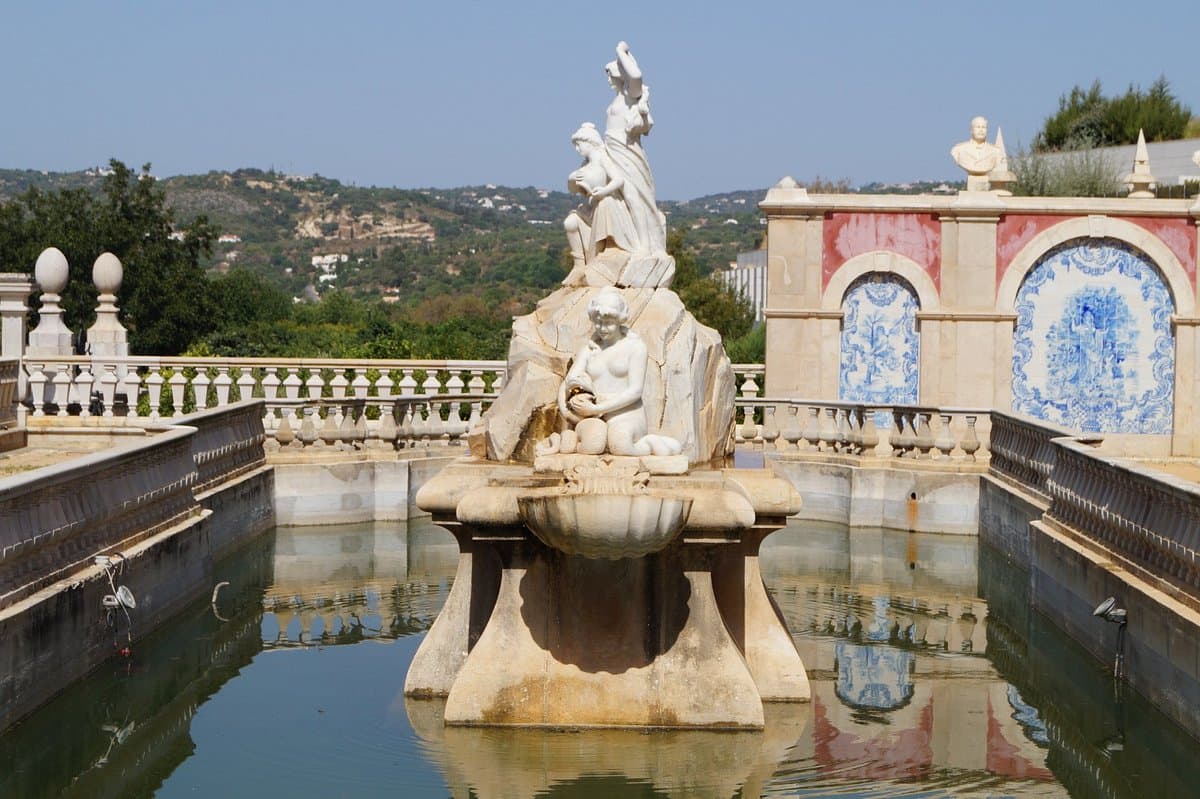
Faro
Portugal's Algarve gateway with hidden historic charm
Most people rush through Faro on their way to Lagos or Sagres. Big mistake. Portugal's Algarve capital hides a gorgeous old town behind its airport bustle, complete with Roman ruins, stork nests perched on ancient churches, and some of the region's best seafood. The Cidade Velha's cobblestone streets tell stories dating back 2,000 years, while Praia de Faro stretches for miles just a short ferry ride away. Here's the thing — Faro gives you authentic Portuguese life without the tourist circus you'll find elsewhere along the coast. The locals still outnumber visitors in the cafés around Largo da Sé, and you can actually get a table at decent restaurants without booking weeks ahead.
Best Months
APR – OCT
~27°C · moderate crowds
Culture & Context
MOORISH WALLS, REAL CITY
Faro is the capital of Portugal's Algarve region, and it gets a bad rap for being "just an airport city." That reputation is completely undeserved. Most tourists land here, grab a rental car, and disappear toward Albufeira or Vilamoura within the hour.
Their loss. Faro is a real, working Portuguese city, with a university, around 64,000 residents, and a pace of life that has nothing to prove to anyone. The old town, known as Cidade Velha or Vila Adentro, sits inside preserved Moorish walls and feels genuinely lived-in rather than museumified.
The city's roots go back to the Roman settlement of Ossonoba, then Moorish rule from the 8th century, and Portuguese control from 1249. It even printed Portugal's first books in the 1400s. But the Earl of Essex plundered it in 1597, and the 1755 earthquake flattened most of what was left.
The old town survived. Everything else was rebuilt. Faro gets around 300 days of sunshine annually, making it one of the sunniest cities in Europe, and it's noticeably less crowded than anywhere else along the coast.
Come for the Ria Formosa lagoon, the bone chapel, the seafood, and the fact that you can actually find a table at a restaurant in August.
Local Customs
GREET & LINGER ALWAYS
Greet restaurant staff when you walk in and thank them when you leave. A simple 'bom dia' and 'obrigado' goes a long way and is genuinely expected, not just appreciated.. Siesta culture is real here.
Smaller shops often close for two to three hours in the early afternoon. Plan your errands accordingly, or use the break for a long lunch yourself.. Keep complete silence during Fado performances.
Talking during a live Fado show is considered disrespectful, full stop.. Tipping is not mandatory, but rounding up or leaving 10% for good service is widely appreciated. Cash tips matter more than card tips at smaller places..
Cash is still king at market stalls, small cafes, and local tavernas. Avoid Euronet ATMs, which charge sky-high fees. Stick to ATMs attached to Portuguese banks like Millennium BCP or Novo Banco..
Don't expect the restaurant to rush you. Lingering over a meal is normal here. If you need the bill, you have to ask for it — 'a conta, se faz favor.
'. Storks nesting on the old clock towers and rooftops of the Cidade Velha are protected and beloved. Don't disturb them.
Locals take their storks seriously.. Cobblestone streets are charming but genuinely rough on footwear. Wear proper walking shoes, especially for evening events in the old town.
Safety
VERY SAFE, PETTY THEFT
Faro is genuinely safe. Violent crime is uncommon and the city centre, including the old town, is fine to walk at night. The main risks are petty theft and the occasional scam.
Watch your belongings at the marina, the bus and train stations, and crowded summer street markets. Taxis sometimes try to charge inflated fares at the airport — either insist on the meter or use Uber/Bolt where you see the price before you get in. Touristy restaurants near the marina sometimes have vague or inflated pricing, so check the menu before you sit.
The old town is safe day and night. Solo women travellers report feeling comfortable here. The strongest physical risk is actually the sun — Faro sits in one of Europe's sunniest regions and summer UV is no joke.
Carry water, there are public fountains in Jardim Manuel Bivar. The Ria Formosa boat tours are reputable but follow sea condition guidelines on any cave or kayak excursion.
Getting Around
WALKABLE, TRAINS ESSENTIAL
Faro is compact and almost entirely walkable in the centre. You can cross the whole city in about fifteen minutes on foot. For everything else, here's how it actually works.
The airport (FAO) sits just 4km from the city centre. The cheapest option is the Próximo bus Route 16, which runs from the terminal to the city bus station every 30–60 minutes for €2.35.
The journey takes 20 minutes. Pay the driver in coins if you can — they often don't have change for €50 notes. Uber and Bolt both operate here and cost around €7 from the airport to the centre in normal conditions.
Be warned: in peak summer, wait times get brutal and surge pricing kicks in hard. Taxis run €10–15 for the same trip, rising at night and on weekends. There's no late-night public transport from Faro to other Algarve towns.
The last trains and buses to destinations like Albufeira, Lagos, or Tavira leave between 7pm and 8pm. If you arrive late, you're taking a taxi or Uber. For day trips, trains are excellent heading east to Tavira (€4) and Olhão.
For western destinations like Albufeira, note that the train station is 6km from town, so buses are often more practical. Lagos is the exception — take the train. Bike rentals are available near the marina and train station for around €10–15 per day.
Faro is flat, which makes cycling genuinely pleasant outside of July and August.
Useful Phrases
Where to Stay in Faro
1 recommended properties
Itineraries coming soon
We're working on adding amazing itineraries for Faro. In the meantime, try the app to create your own!
Money-Saving Tips
- 1.Ferry to Praia de Faro costs €2.35 each way — much cheaper than taxi to other beaches
- 2.Municipal market has the freshest seafood at local prices, not tourist markup
- 3.Hotel rates drop 40-50% in shoulder seasons (April-May, September-October)
- 4.Train tickets to other Algarve towns cost half the price of tourist buses
- 5.Free walking tours start from the tourist office — tip your guide €5-10
- 6.Lunch menus at local restaurants run €8-12 versus €20+ at tourist spots
- 7.Municipal parking lots charge €1/hour versus €3-5 at private lots near attractions
Travel Tips
- •Book accommodations in the old town early — only a handful of hotels exist within the walls
- •Ferry to the beach runs every 30 minutes in summer, hourly in winter — check schedules
- •The cathedral closes for lunch 12:30-2:00 PM like most Portuguese attractions
- •Bring comfortable walking shoes — old town cobblestones get slippery when wet
- •Airport is 10 minutes from downtown, but allow extra time for summer traffic
- •Many restaurants close Monday evenings and all day Sunday
- •Learn basic Portuguese greetings — locals appreciate the effort more than in tourist areas