Welsh Countryside
Emerald valleys and ancient castles in Britain's Celtic heart
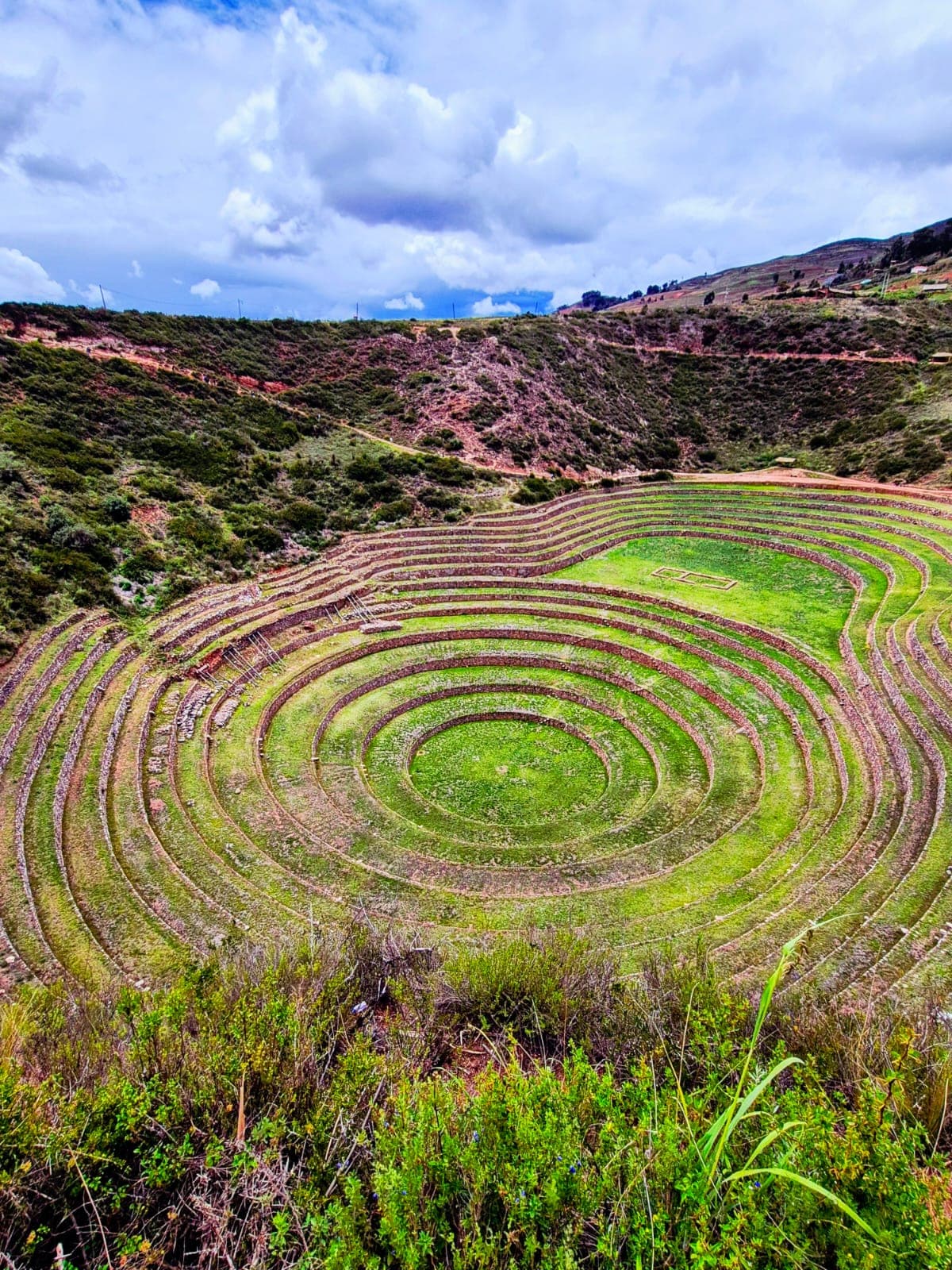
The Welsh countryside rolls out like a living storybook. Ancient castles perch on hilltops overlooking valleys so green they almost hurt your eyes. Stone cottages dot the landscape between sheep-filled meadows and rushing streams. This is Britain's Celtic heart, where Welsh voices carry across market squares and legends feel as real as the morning mist.
You'll find medieval fortresses that actually look the part — no Disney reconstructions here. The Brecon Beacons rise like sleeping giants. Snowdonia's peaks catch clouds like old friends. And everywhere, that particular Welsh light that makes photographers weep with joy.
But here's what the guidebooks won't tell you: Wales moves at its own pace. Pubs close when they feel like it. Conversations with strangers last hours. The weather changes every twenty minutes. And somehow, that's exactly the point.
Itineraries coming soon
We're working on adding amazing itineraries for Welsh Countryside. In the meantime, try the app to create your own!
Money-Saving Tips
- 1.National Trust and Cadw annual memberships pay for themselves after 3-4 castle visits
- 2.Pub lunches cost £8-12 vs £15-20 for dinner at the same place
- 3.Tesco and ASDA in larger towns have much better prices than village shops
- 4.Free parking exists in most villages if you walk 2-3 minutes from the center
- 5.Many hiking trails start from free car parks rather than paid visitor centers
- 6.Wednesday is market day in most towns — better prices on local produce
- 7.Book B&Bs directly rather than through booking sites to avoid commission fees
- 8.Ordnance Survey maps cost £9 but last forever and work without phone signal
Travel Tips
- •Download offline maps — phone signal disappears in valleys regularly
- •Learn to reverse on single-track roads with passing places
- •Sheep have right of way and they know it, so be patient
- •Pub kitchens often close at 2pm and don't reopen until 6pm
- •Welsh place names are pronounced nothing like they're spelled — ask locals
- •Pack waterproof layers regardless of the forecast
- •Many attractions close on Sundays or have reduced hours
- •Cash still rules in smaller villages and market stalls
- •Conversation with strangers is expected, not intrusive
- •The weather changes every 20 minutes, so don't cancel outdoor plans for clouds
Frequently Asked Questions
Explore Welsh Countryside
Ready to explore Welsh Countryside?
Get a personalized itinerary in seconds with Takeoff.
Free on iOS. No credit card required.