London
Global metropolis where royal tradition meets cutting-edge innovation
London doesn't just live up to the hype—it rewrites it daily. This is a city where you can tour Buckingham Palace in the morning, catch a West End show at night, and stumble upon a 2,000-year-old Roman wall during lunch. The red double-deckers are real, the accents vary wildly by postcode, and yes, it does rain more than you'd like. But here's what the guidebooks won't tell you: London's magic isn't in checking boxes off a tourist list. It's in the way Shoreditch street art sits next to medieval churches, how Borough Market vendors know your coffee order by day three, and that moment when you realize you're walking the same streets as Shakespeare, Churchill, and countless others who shaped the world. The city moves fast, costs plenty, and rewards those who dig deeper than the obvious attractions.
Best Months
APR – SEP
~20°C · high crowds
Culture & Context
FIFTY VILLAGES JAMMED TOGETHER
London is one of the most genuinely multicultural cities on earth, home to around 9 million people and every imaginable language, food tradition, and religious community. It doesn't feel like one city — it feels like 50 villages jammed together, each with its own personality. The East End that gave the world Cockney slang now mixes Bangladeshi, Jamaican, Nigerian, and Eastern European influences into something that's constantly evolving.
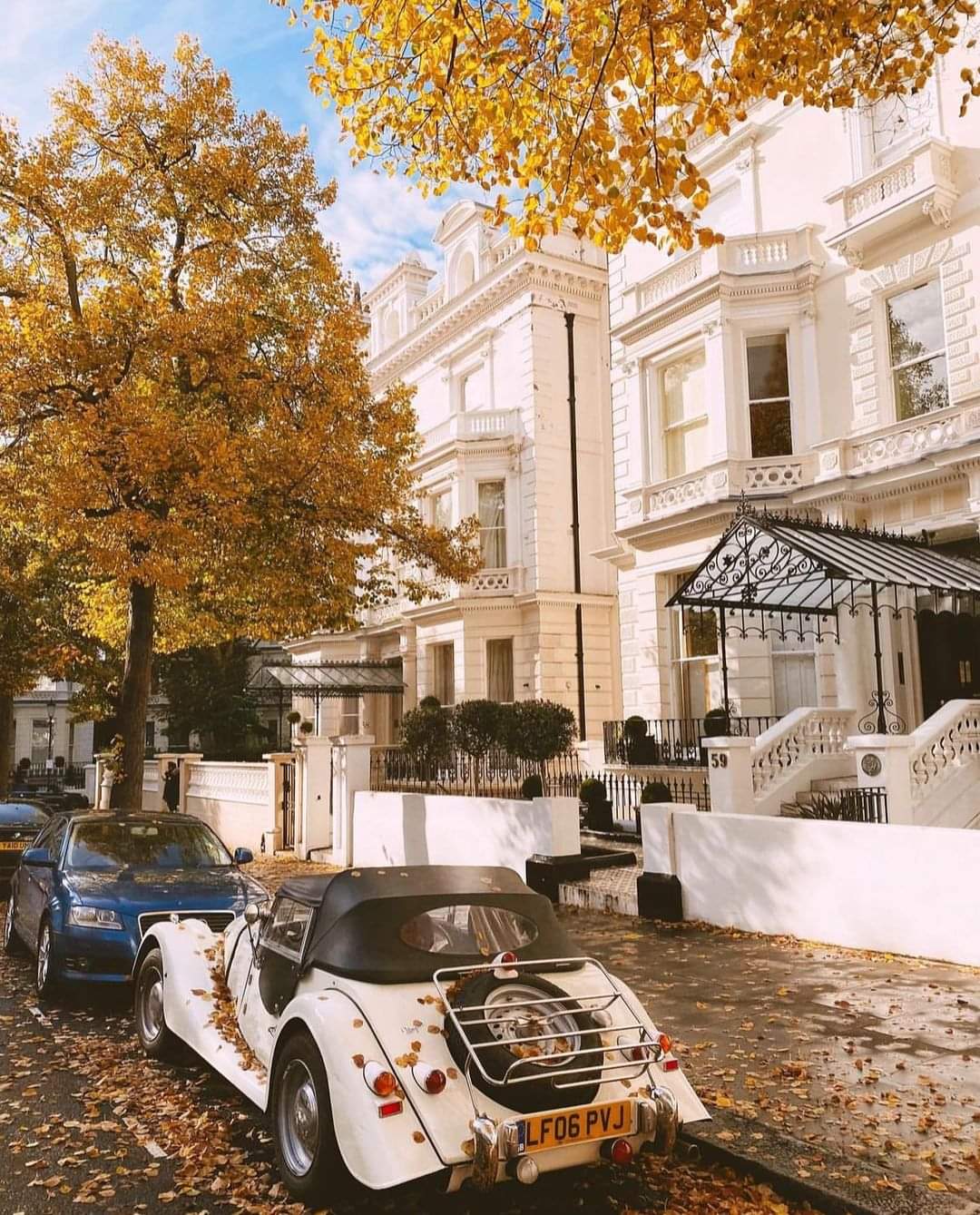
The City (the old financial square mile) is all business lunches and Roman wall remnants. Brixton is Caribbean culture and live music. Notting Hill is antiques and pastel houses.
Here's the thing: Londoners are polite, but they're not particularly warm to strangers. That's not rudeness, it's just the pace of the place. Don't take it personally.
The pub changes everything — get someone a drink, and conversation flows easily. The Southbank Centre is celebrating its 75th anniversary all through 2026, with a full year of events, exhibitions, and installations. In 2026, the Museum of London is also reopening as The London Museum in the Grade II-listed Smithfield market buildings, with new galleries and exhibition spaces.
It's the biggest cultural institution move the city has seen in years.
Local Customs
QUEUE OR DIE TRYING
Queue. Always. Cutting in line is about the most offensive thing you can do.
Whether it's a bus stop, a coffee shop, or a museum entrance — join the back and wait. No exceptions, no excuses.. On escalators, stand on the right.
Walk on the left. This is not a suggestion. Block the left side on a Tube escalator and you will hear about it — sighs, pointed 'excuse mes', and occasionally a passive-aggressive foot stomp..
At the pub, rounds are sacred. If someone buys you a drink, you buy the next round for the group. Don't skip out just before it's your turn.
And in large groups, be careful — this can commit you to drinking more than you planned.. Order at the bar in pubs, not at the table. Food and drinks are usually both handled at the bar, unless the pub specifically has table service.
Tipping in pubs is not expected, but offering to 'get the barman one' (add 50p to your order) is appreciated if service has been good.. Tipping in restaurants: a 12.5% service charge is usually already added to the bill.
Check before you tip again. If it's not included, 10-15% is the norm.. Cash is increasingly rare in London.
Most buses and Tubes don't accept it at all. Tap your contactless card or phone everywhere — it's seamless, and it auto-applies the daily fare cap so you never overpay on Tube journeys.. The weather will surprise you.
Pack layers and a compact umbrella regardless of what the forecast says. Londoners who tell you it 'never really rains that much' are in denial.. Londoners don't make small talk with strangers on the Tube.
People are reading, listening to podcasts, or staring into the middle distance. This isn't hostility. Save conversations for the pub..
Be punctual. Even five minutes late is considered rude. If you're meeting a Londoner, be on time or send a message ahead..
Traffic moves on the left. Look right first when crossing a street. This catches visitors off guard constantly, and the kerbs at major crossings often have 'LOOK RIGHT' painted on the pavement for a reason.
Safety
WATCH YOUR PHONE
London is generally safe, and for most visitors, the biggest daily risk is someone on a bicycle grabbing a phone out of your hand. That's not a joke — mobile phone snatching by moped or bike has increased notably in central London, particularly in busy pedestrian areas. The fix is simple: don't walk near the kerb while staring at your phone. Step into a shop doorway to check maps. Keep your phone in a pocket, not your hand.
Pickpocketing is real in crowded spots: the Tube, Oxford Street, Leicester Square, Piccadilly Circus, Camden Market, and around major landmarks. Zip your bag, carry it in front, and don't leave anything on café tables.
Serious violent crime affecting tourists is relatively rare. Homicides in London fell to their lowest level in over a decade in 2025 (97 recorded), and central areas like Westminster, Covent Garden, South Kensington, and the South Bank are heavily monitored with CCTV and regular police patrols.
After midnight, nightlife areas like Shoreditch, Soho, and Brixton can get rowdy with alcohol-related incidents. Use the Night Tube on weekends or a black cab (always licensed) rather than walking through unfamiliar streets alone.
For late-night travel, the Night Tube runs on weekends on the Central, Jubilee, Northern, Piccadilly, and Victoria lines. The emergency number in the UK is 999, not 911.
Avoid: leaving bags unattended anywhere, playing street 'find the ball' gambling games (always rigged), getting into unlicensed minicabs, and walking through dark parks alone after dark.
Getting Around
OYSTER CARD EVERYWHERE
The Oyster card or contactless payment (credit card, debit card, Apple Pay, or Google Pay) is how London moves. Cash is not accepted on buses or at most Tube barriers. A single Tube journey in Zone 1 costs £2.70 with contactless. The daily fare cap for Zones 1-2 is £8.50, which means after a certain number of trips, your card stops being charged for the day. You'll never overpay if you tap in and out correctly.
Buses cost £1.75 per journey with free transfers within one hour (called the Hopper fare). Great for short hops where the Tube would mean changing lines.
From the airports: Heathrow is on the Underground (Piccadilly line, about 50-60 minutes, roughly £5-6) or the Heathrow Express to Paddington (15 minutes, £26 booked in advance). Gatwick has an express train to Victoria (30 minutes, about £23) or slower trains for under half the price. Stansted Express to Liverpool Street starts from £9.90.
The Uber Boat by Thames Clippers runs up and down the river with Oyster/contactless accepted. Adult single zone fare from £6.20. It's rarely the fastest way, but it's far more pleasant than the Central line in August, and they have a bar onboard.
Don't rent a car. London's congestion charge (applies in the central zone) and Ultra Low Emission Zone (ULEZ) charges will catch you out, parking is expensive and scarce, and the bus lanes are everywhere. The Tube and buses go almost everywhere you'd want to go. For the few gaps, Lime and Forest e-bikes are available across most of the city — around £1 unlock plus £0.27-0.30 per minute.
Useful Phrases
Explore Destinations



Explore the Region
London Itineraries
View all
Slow London: Market Flavours, Riverside Views and English Wine
Weekend · $$$
Seven Budget-Friendly Days in Classic London
Week · $
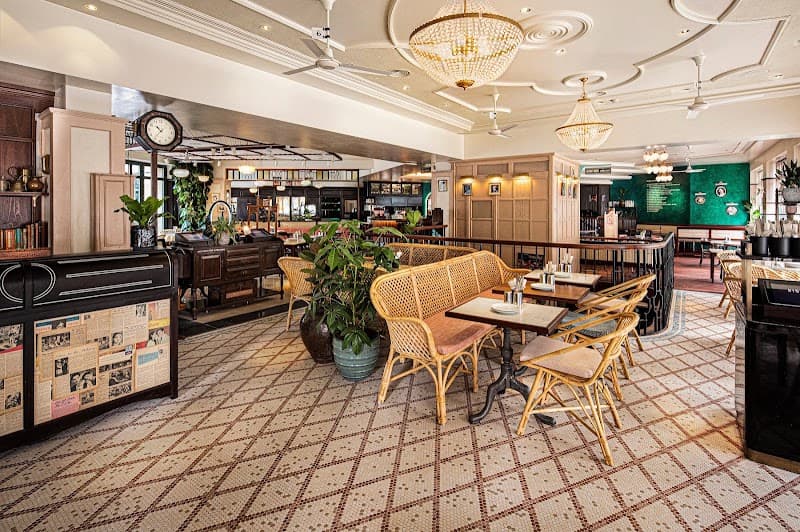
Bohemian London: 7 Days of Culture, Food & Nightlife
Week · $$$
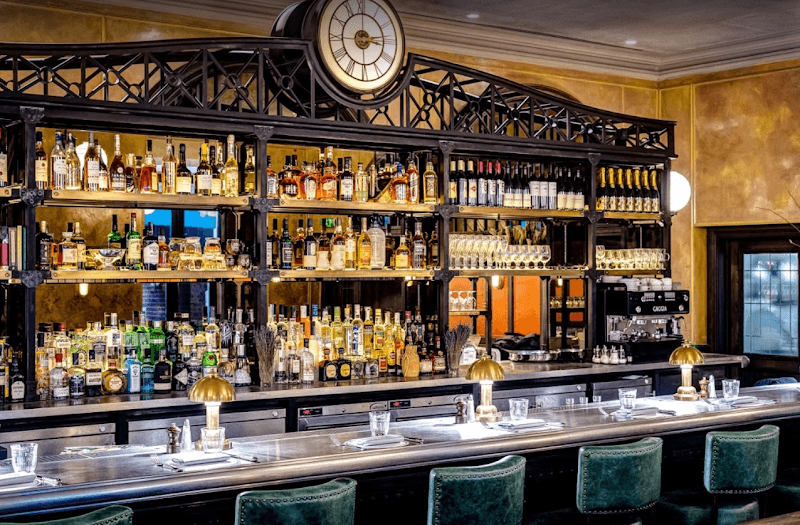
Elegant London: Five Classic Days for Two
Weekend · $$$
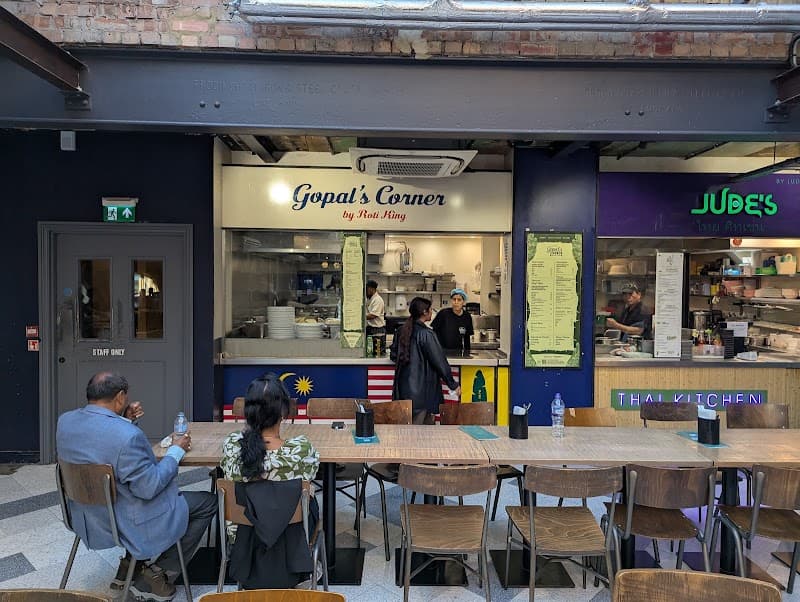
London on a Shoestring: Culture-Packed Days 2–3
Weekend · $
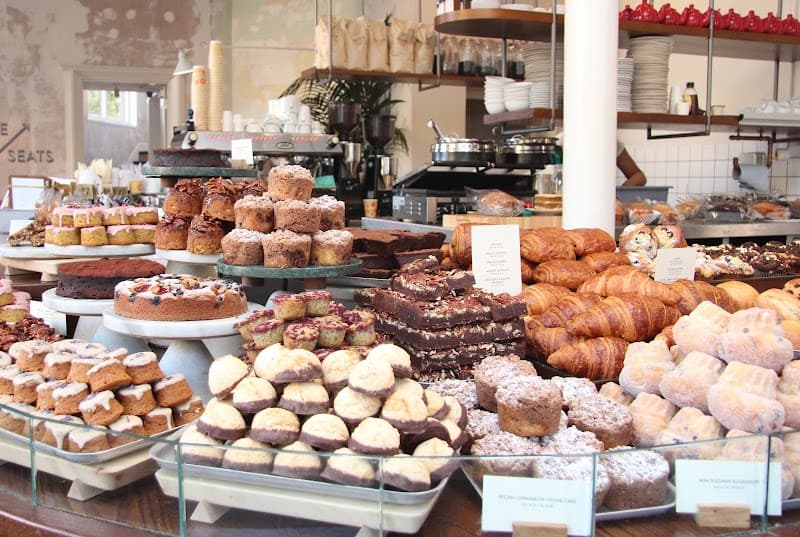
Seven Slow Days in London: Culture, Cobblestones & Comfort
Weekend · $$
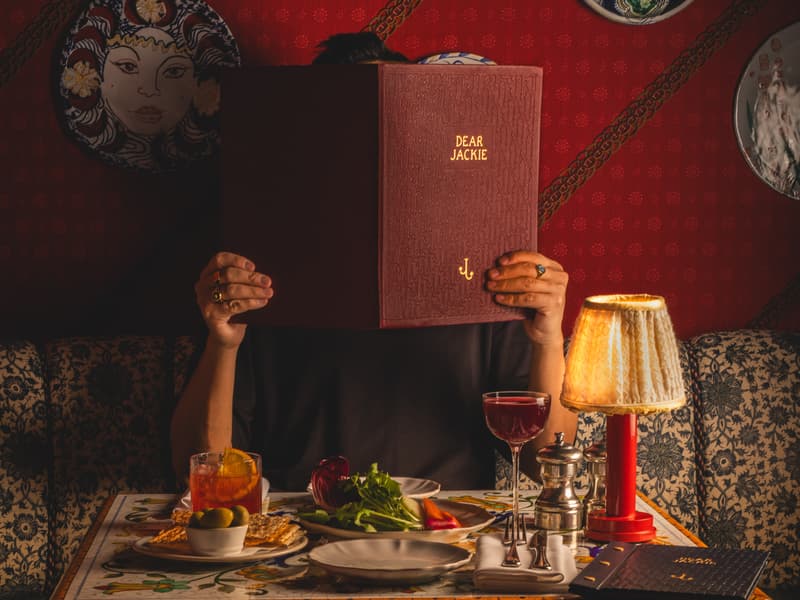
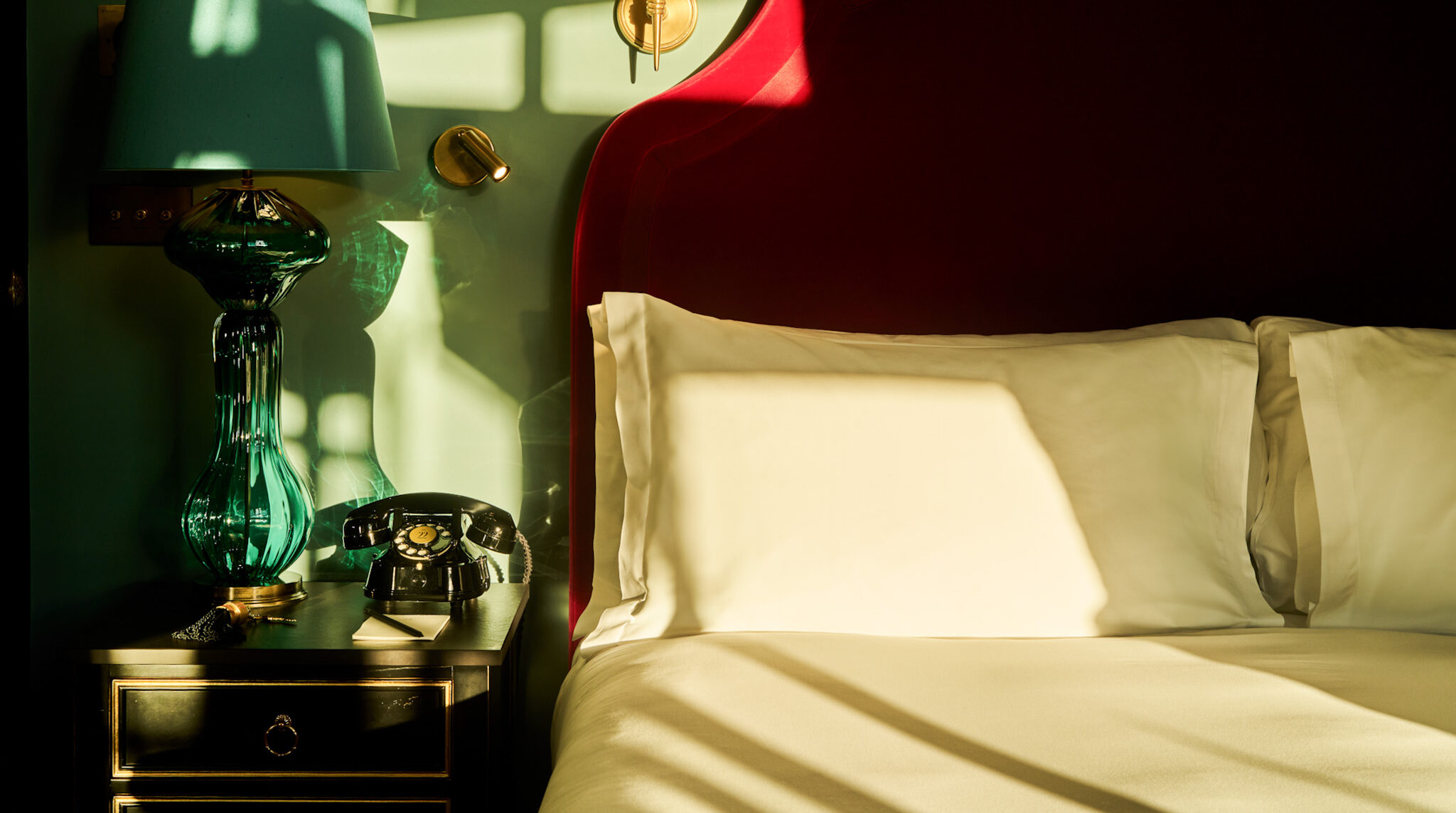
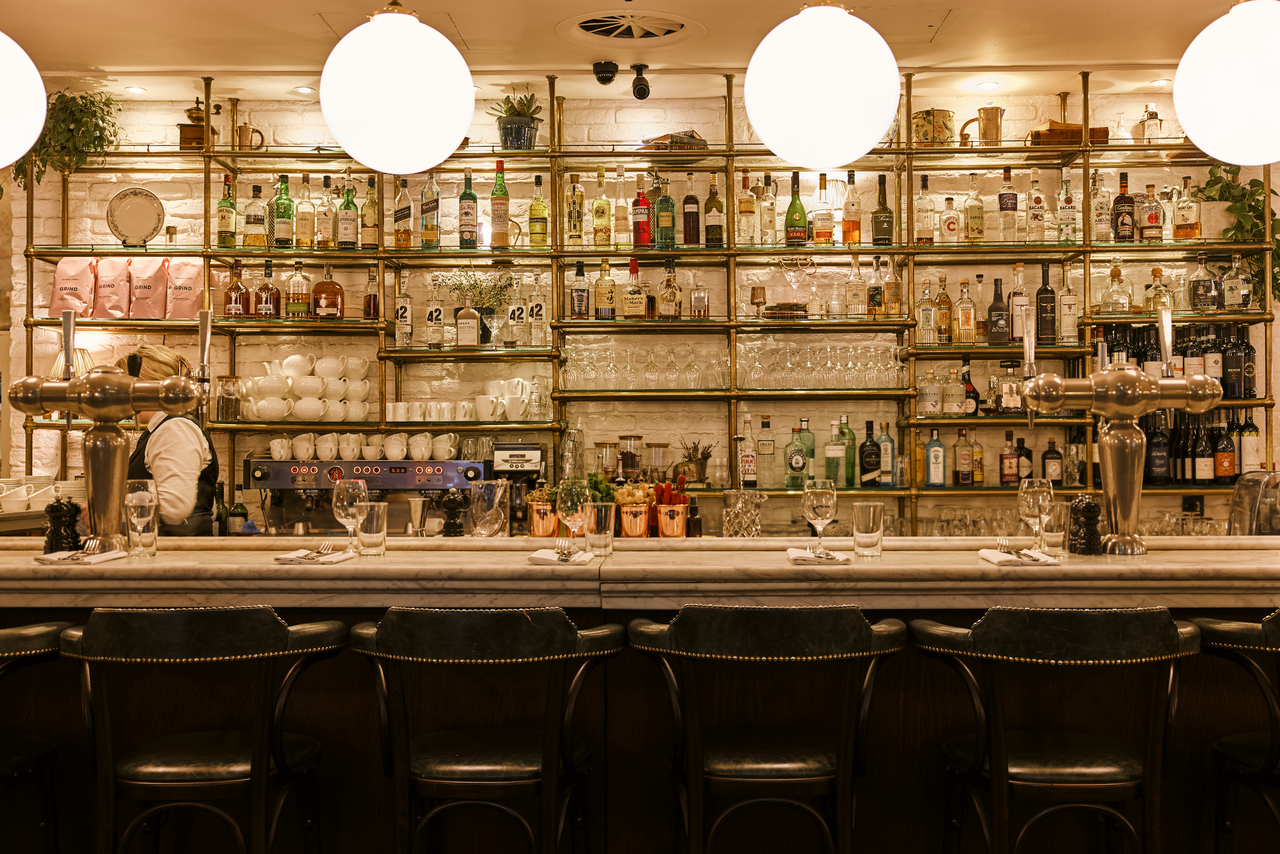
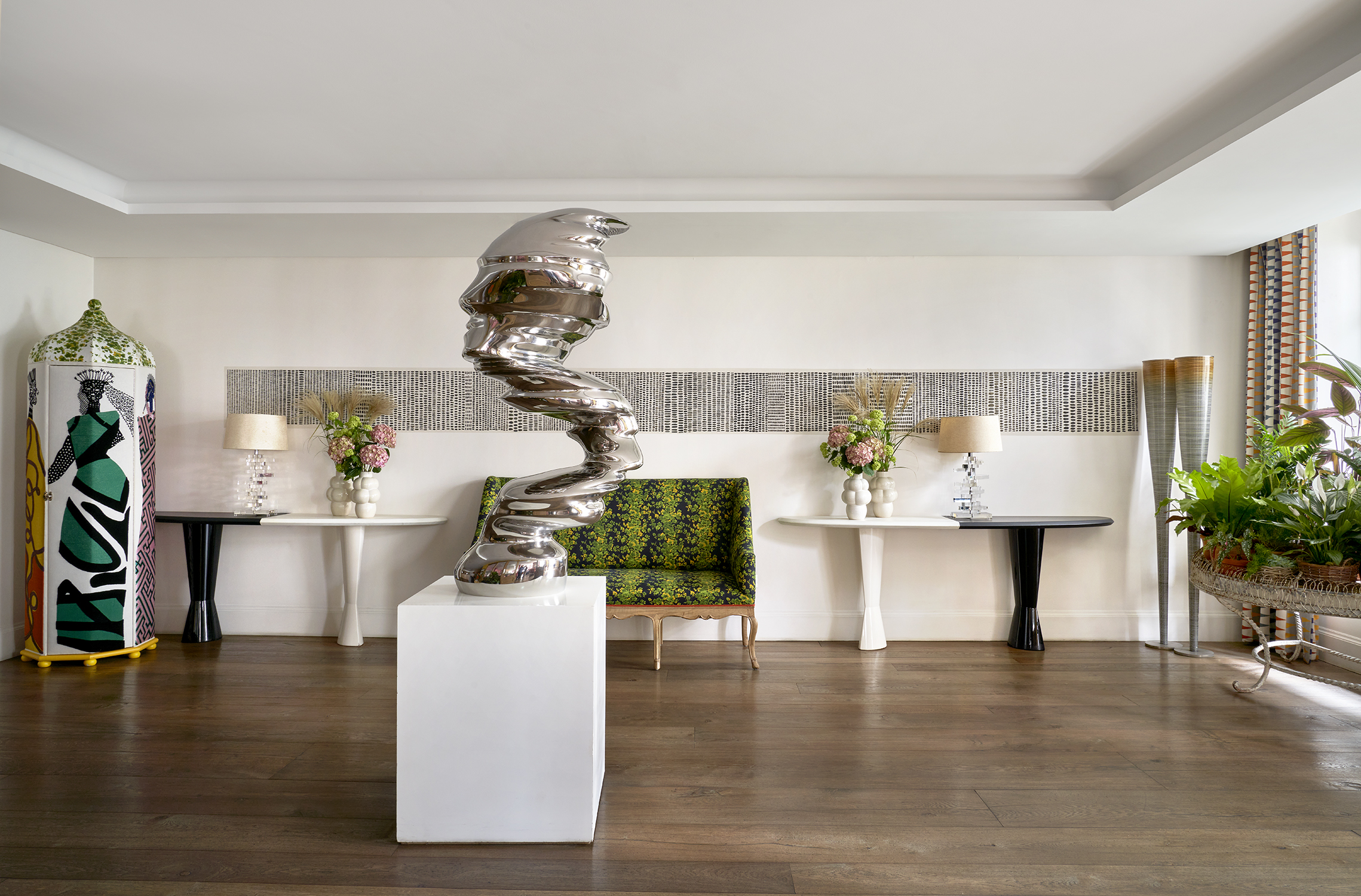
Where to Stay in London
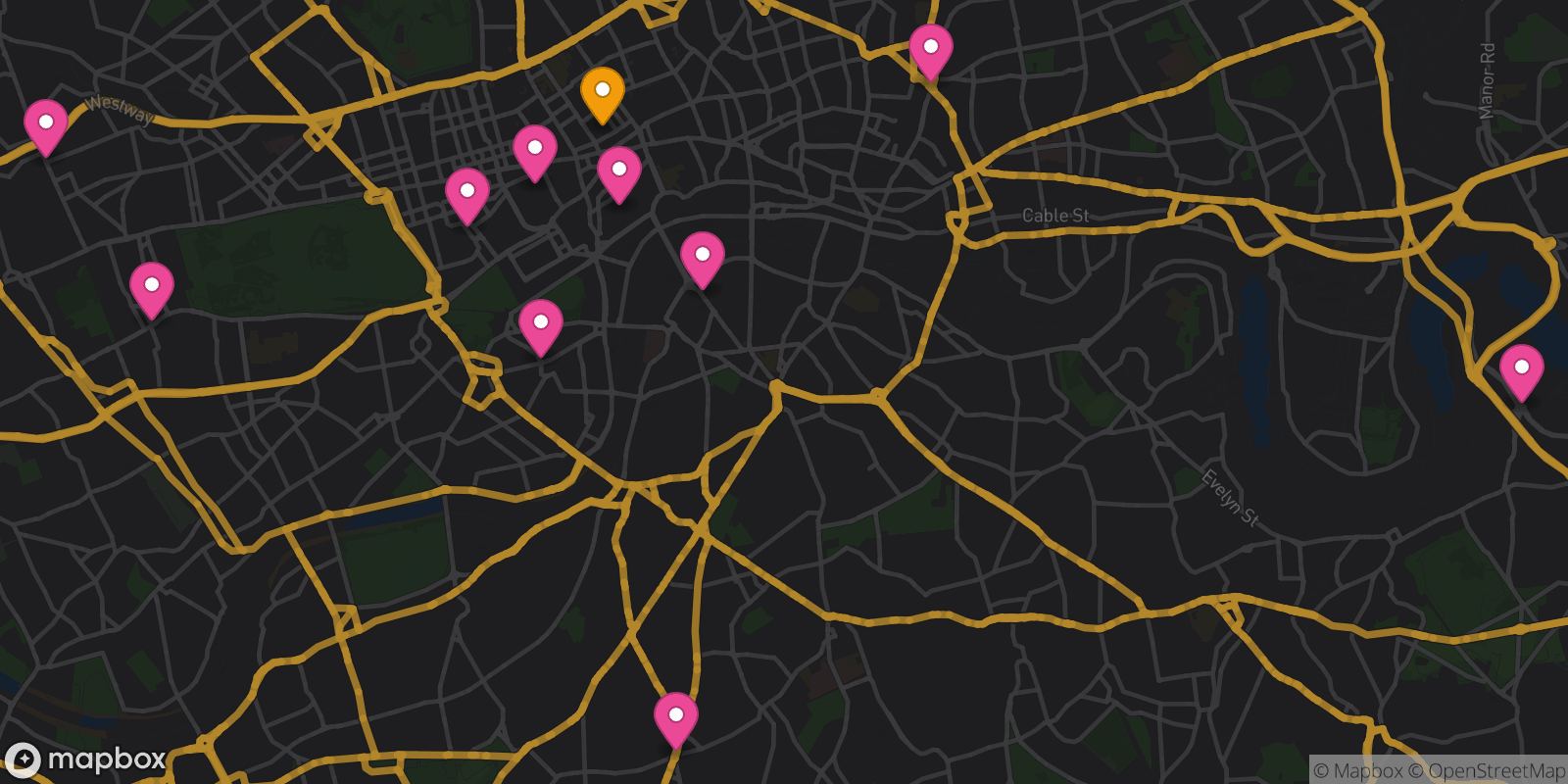
9 recommended properties
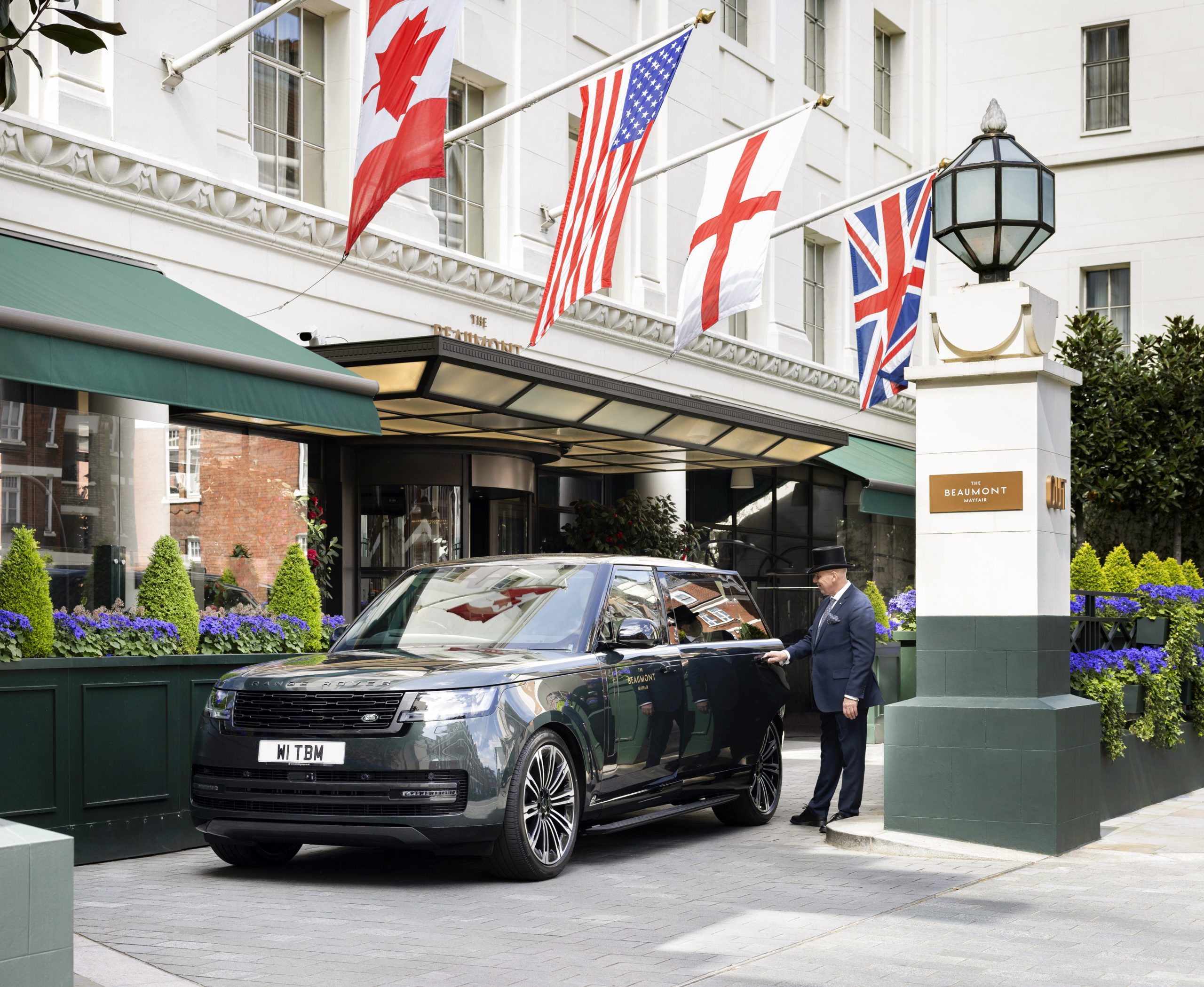
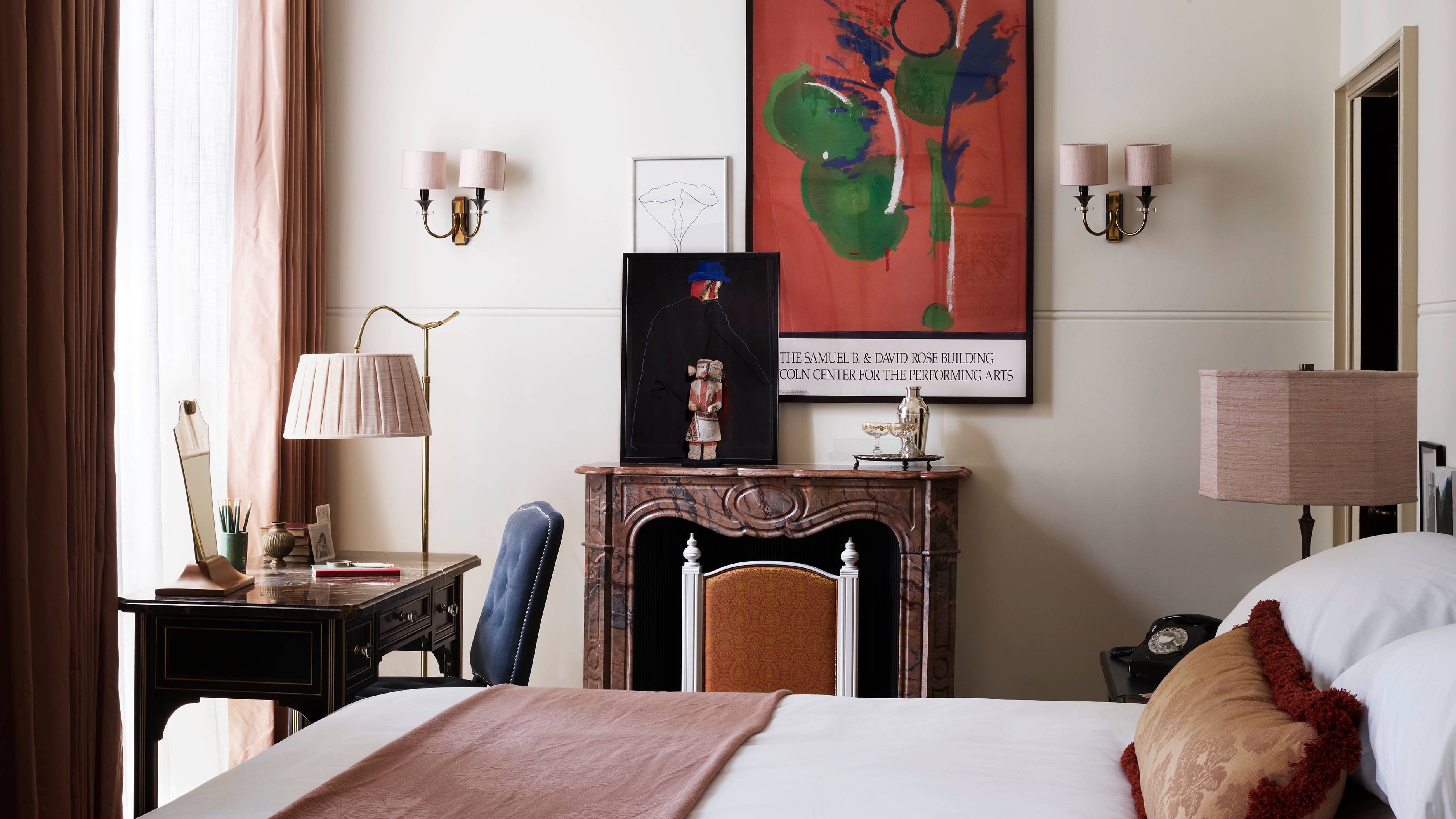
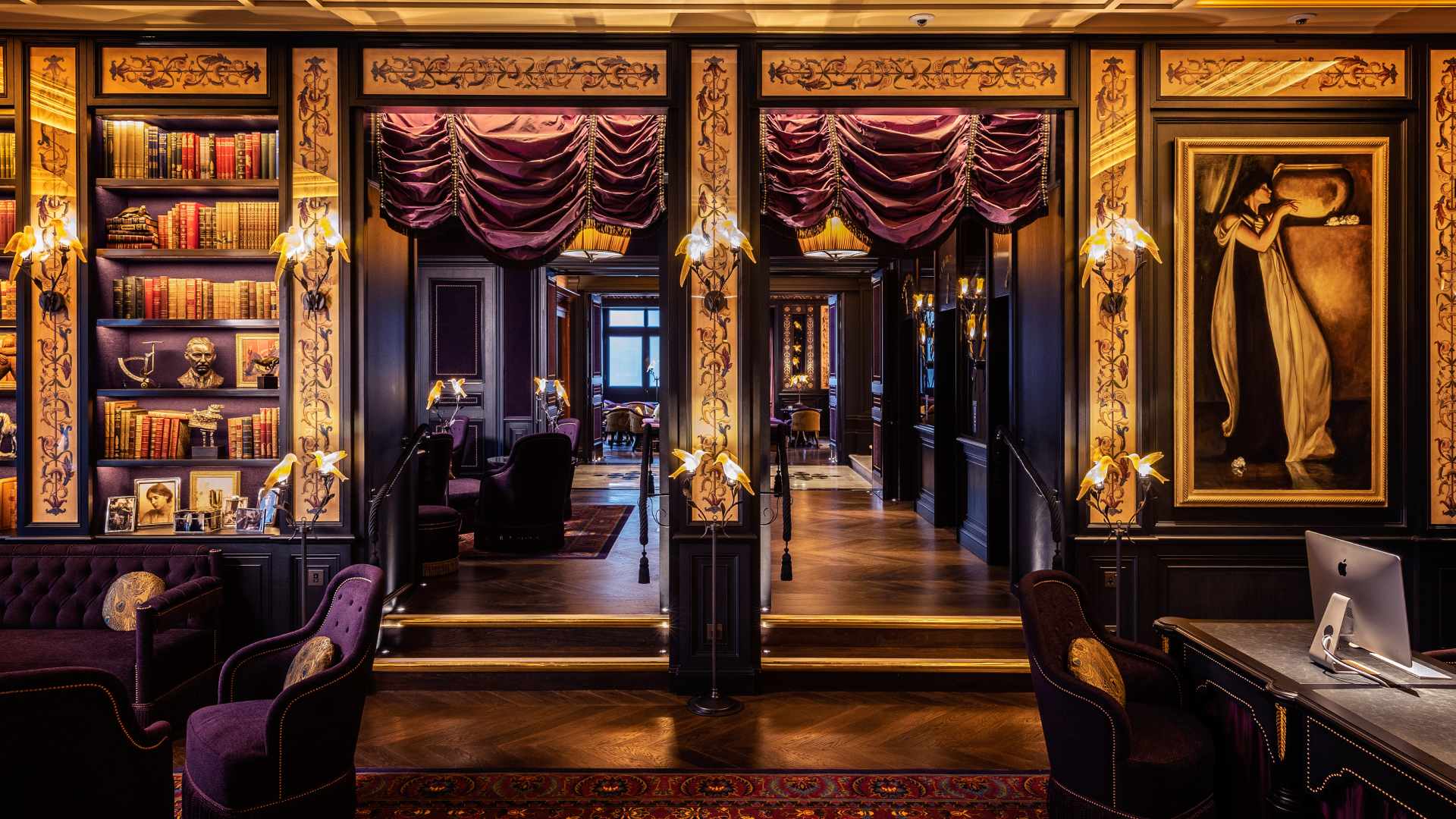
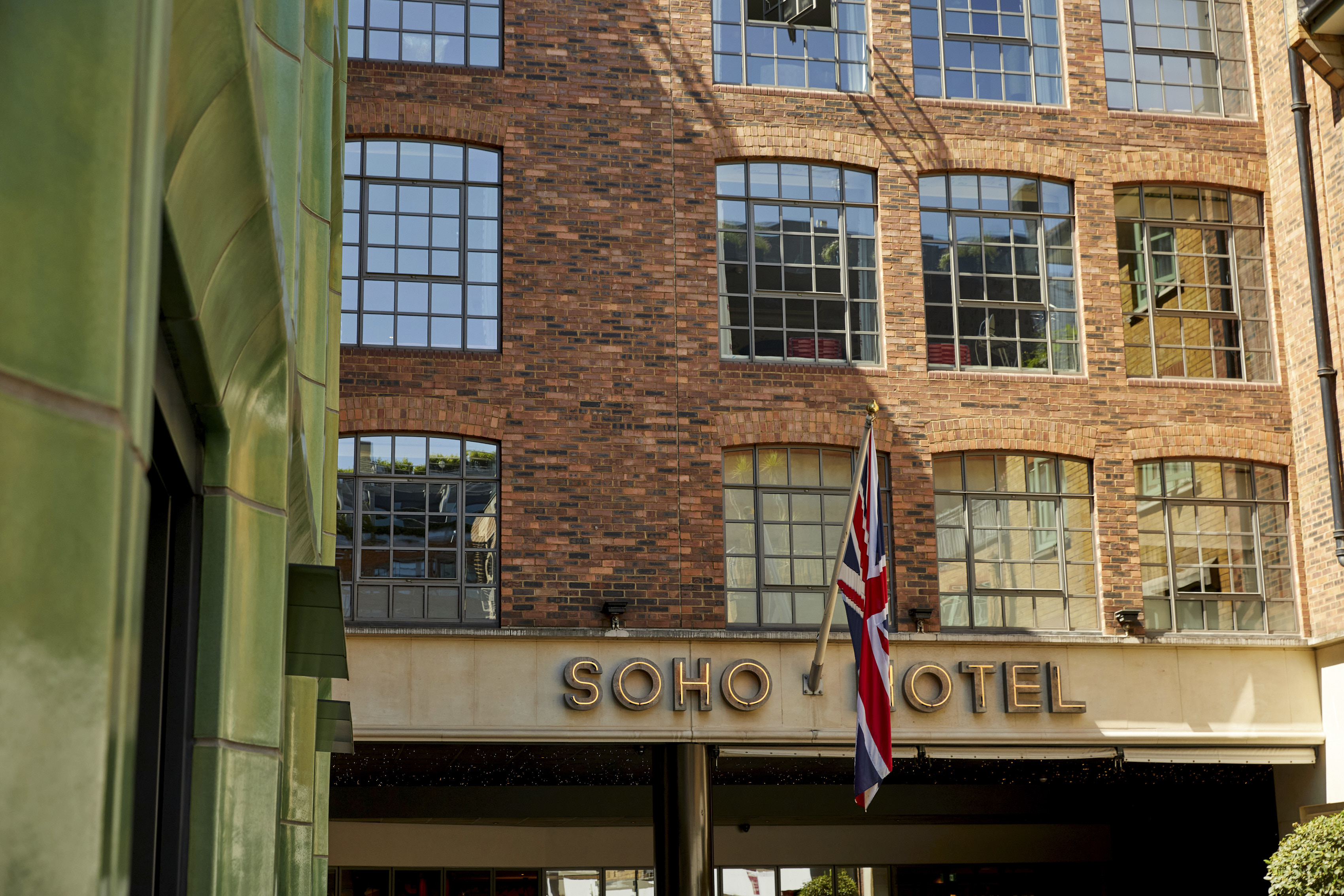
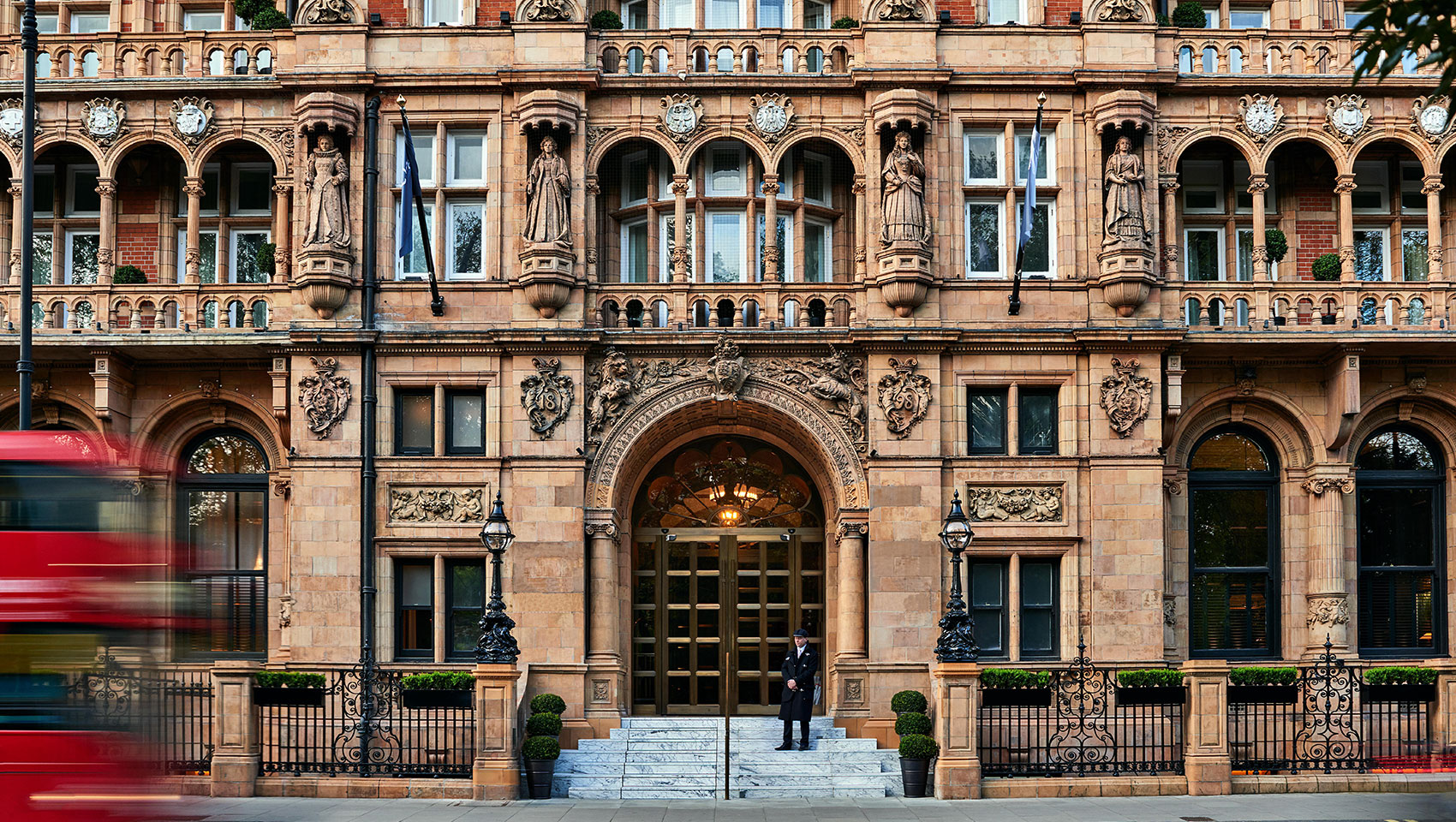
Things to Do in London
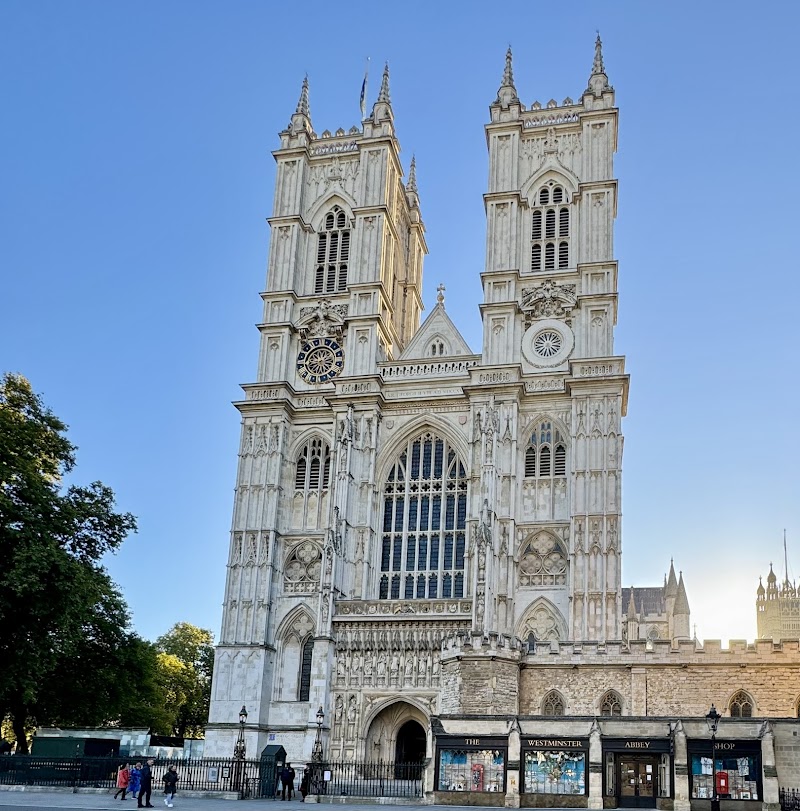
Westminster Abbey
Westminster · 90 min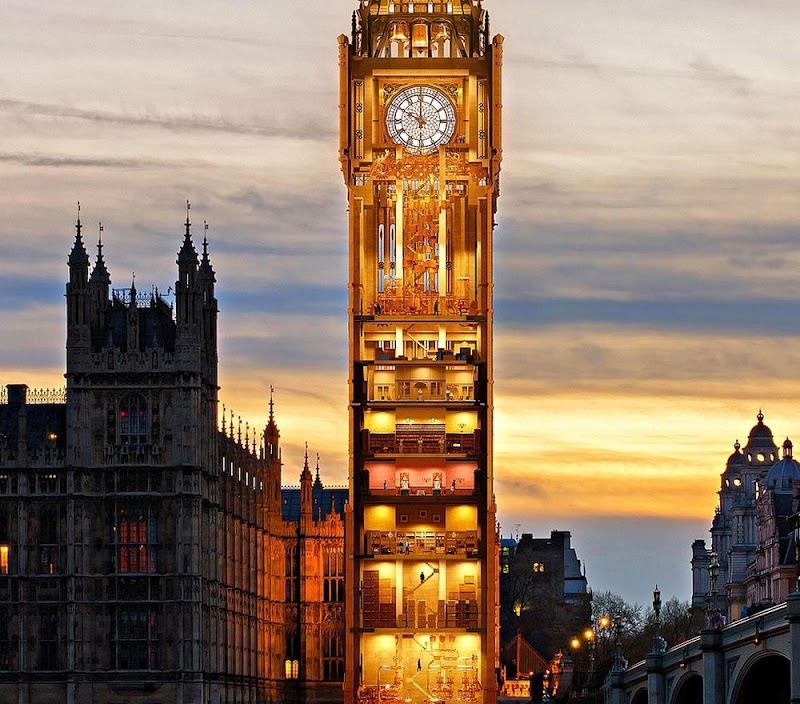
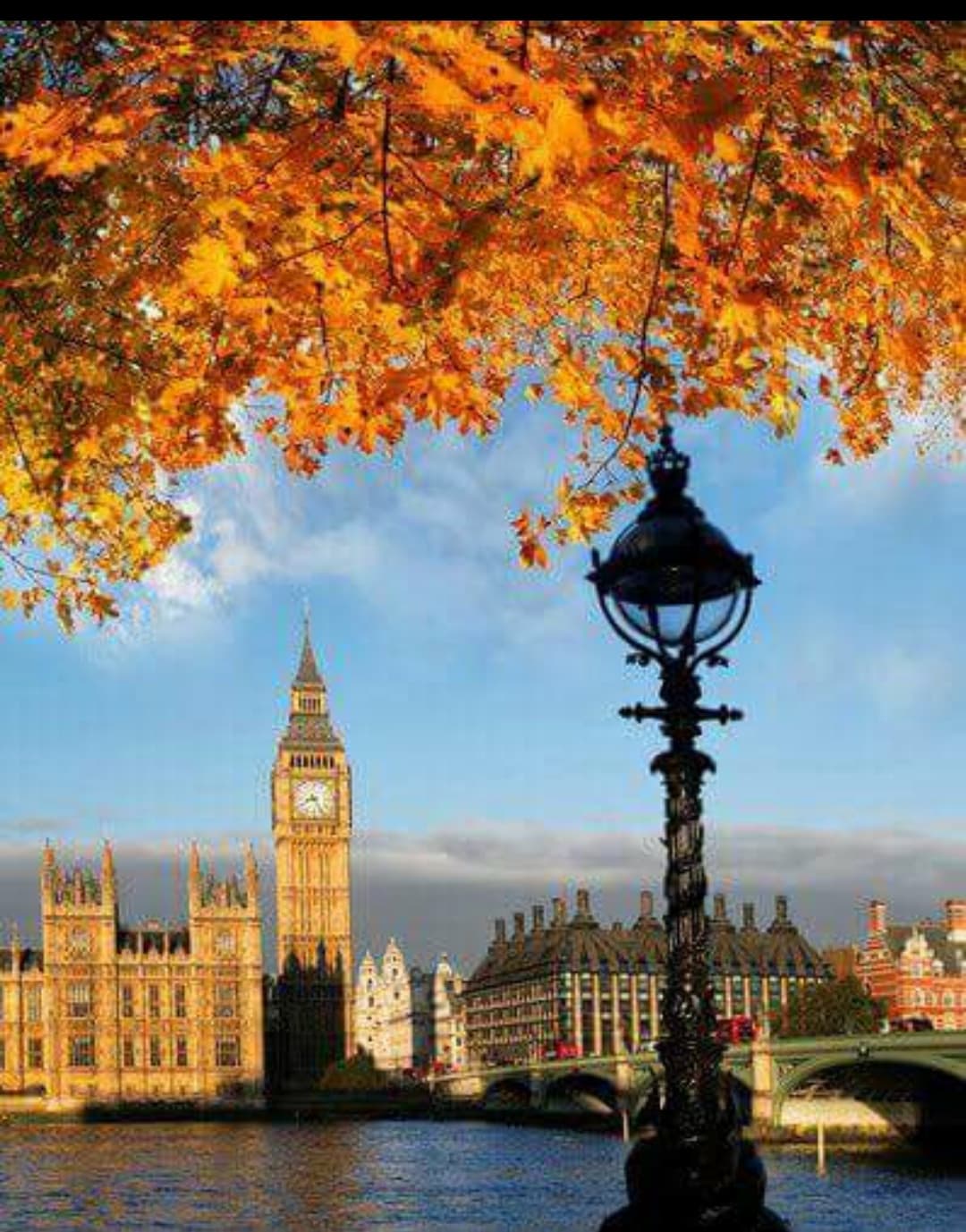
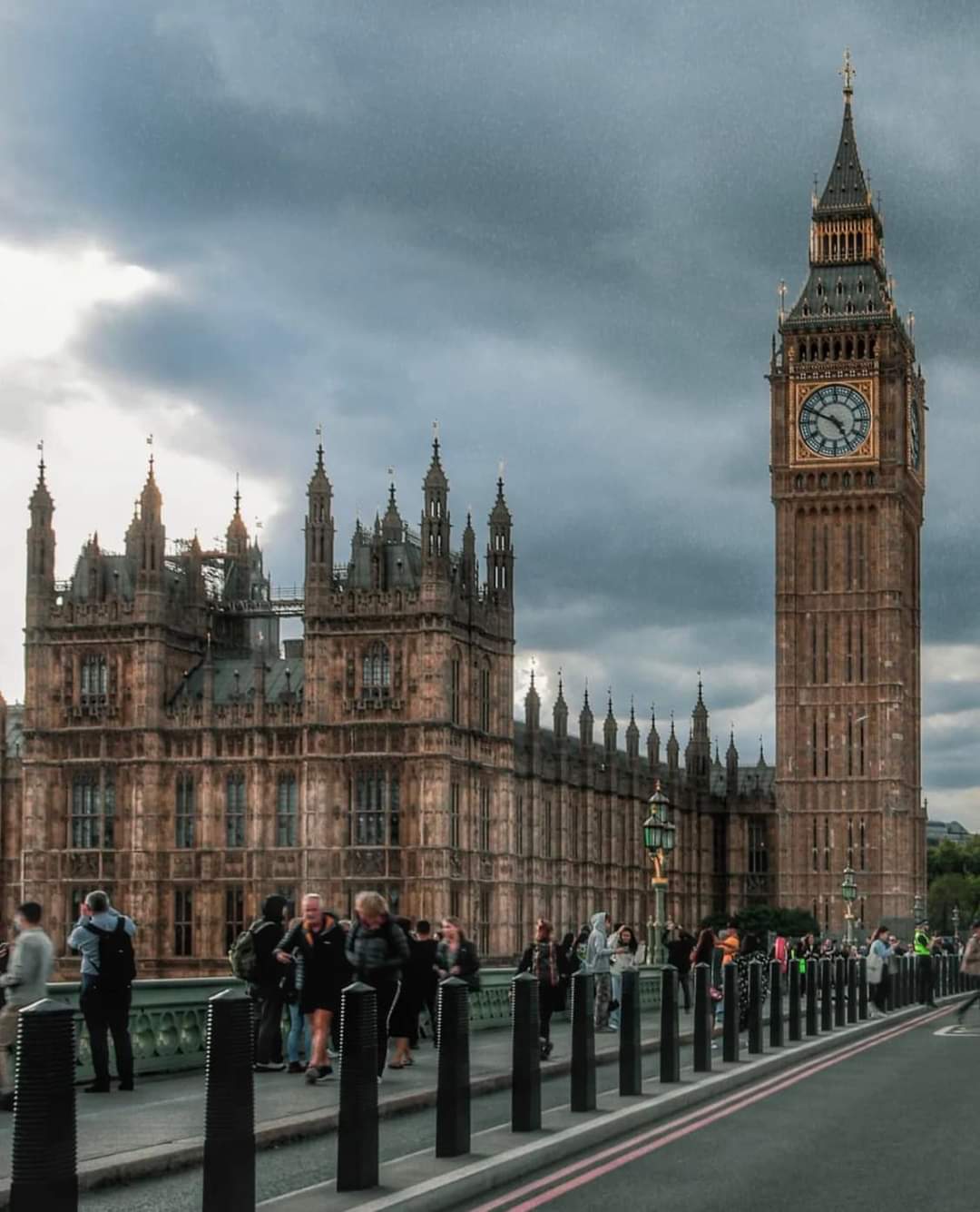
Houses of Parliament & Big Ben
Westminster · 45 min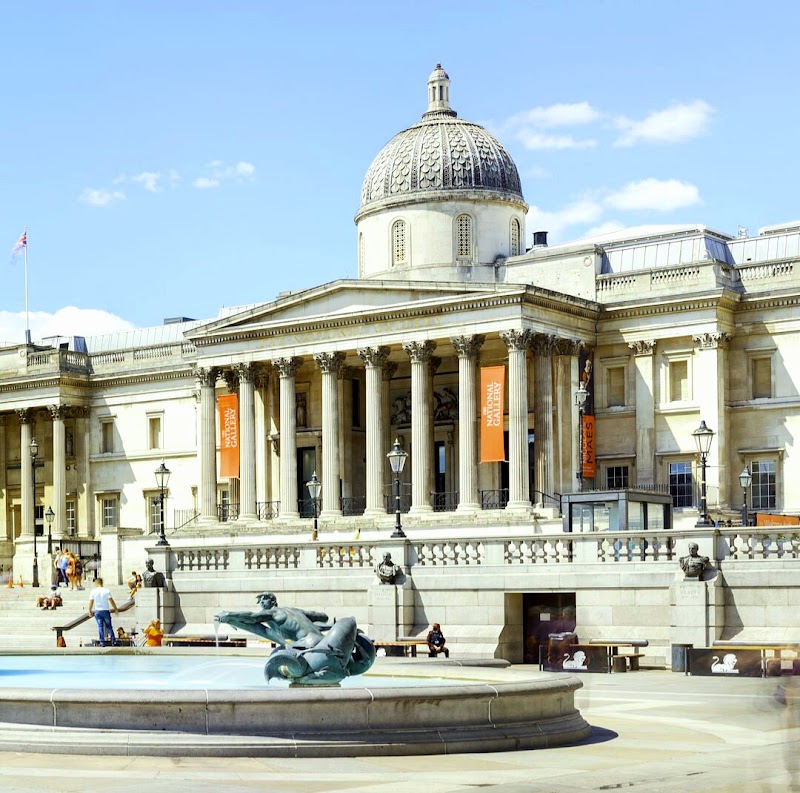
National Gallery
Trafalgar Square · 120 minMoney-Saving Tips
- 1.Many of London's best attractions are free—the British Museum, Tate Modern, National Gallery, and most parks cost nothing to enter
- 2.Buy theater tickets directly from venue box offices to avoid booking fees that can add £5-10 per ticket
- 3.Lunch at pub chains like Wetherspoons costs £6-8 versus £15-20 at tourist-area restaurants
- 4.Use Boris Bikes for short trips—30 minutes costs £2 versus £2.80 for a single tube journey
- 5.Shop at Tesco Metro or Sainsbury's Local for snacks instead of tourist shops that charge double
- 6.Book restaurant tables for lunch instead of dinner—same menu, 30% lower prices at many places
- 7.Visit museums late on Friday evenings when many offer free extended hours and fewer crowds
Travel Tips
- •Download offline maps before arriving—mobile data gets expensive and tube stations often have no signal
- •Carry a portable umbrella year-round, but don't bother with heavy rain gear unless it's winter
- •Stand right on escalators and walk left—breaking this rule marks you instantly as a tourist
- •Book popular restaurants 2-3 weeks ahead, especially for weekend dinners in trendy neighborhoods
- •Avoid driving in central London—the congestion charge alone costs £15 per day before parking fees
- •Pack comfortable walking shoes with good grip—London's pavements get slippery when wet
- •Learn basic tube etiquette: remove backpack in crowded cars, let passengers exit before boarding
- •Keep cash handy for small vendors and older pubs that still don't accept cards