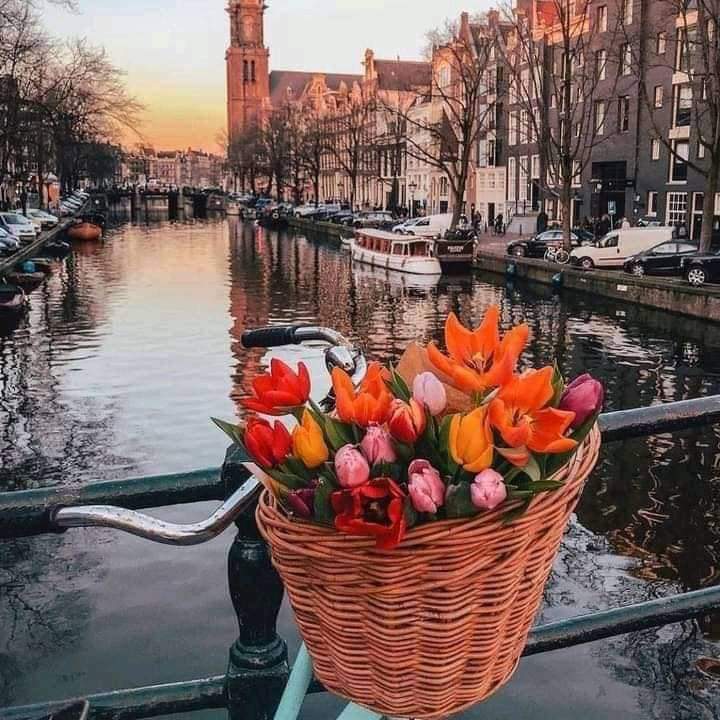
Amsterdam
Canals, culture, and cosmopolitan charm collide beautifully
Amsterdam hits different than other European capitals. Sure, the canals are gorgeous and the museums world-class, but this city's real magic lies in its contradictions. Medieval gabled houses lean over waterways while tech startups buzz in converted warehouses. Coffee shops serve more than coffee while Michelin-starred restaurants push culinary boundaries. And somehow, it all works together in this compact, bike-friendly city where everyone speaks perfect English and tolerance isn't just a buzzword—it's a way of life.
Best Months
APR – SEP
~19°C · peak crowds
Culture & Context
BIKES RULE EVERYTHING
The Dutch have a word — gezelligheid (roughly "khuh-ZELL-ikh-hite") — that doesn't translate cleanly into English. It means something like cozy warmth, pleasant togetherness, the specific feeling of a candlelit brown café on a rainy Tuesday with good company. Understanding that word gets you pretty far in understanding Amsterdam.
The city is direct. Not rude, just efficient with words. A Dutch person will tell you honestly if your question is dumb or your idea won't work.
Don't mistake that for coldness. It's actually refreshing once you adjust. Amsterdam runs on bikes.
There are roughly 880,000 bikes in a city of about 920,000 people. The cycling hierarchy is real and unforgiving: bikes yield to trams, pedestrians yield to bikes. Step into a bike lane by accident and you will hear about it.
The red-painted lanes aren't decorative. In 2026, the city is hosting WorldPride, which means the usual summer energy gets significantly amplified from late July through August. Amsterdam has a long, genuine tradition of LGBTQ+ openness, rooted not in trend but in decades of activism and legal progress.
The Canal Parade on August 1st is the centerpiece. The city is also genuinely grappling with over-tourism right now. Residents are tired of stag parties and tourists treating the Red Light District like an amusement park.
The city has actively introduced measures to curb party tourism. Respect goes a long way here. Don't photograph sex workers in the windows.
Don't consume cannabis in public spaces (only licensed coffeeshops). Keep the noise down in residential areas after 10 PM.
Local Customs
STAY OUT OF BIKE LANES
Bikes have absolute right of way. Do not walk in bike lanes (marked red with a bike symbol). Cyclists move fast and won't always slow down.
This is genuinely the number-one safety issue for tourists.. The Netherlands is increasingly cashless, but carry €20–€40 for small cafes, market stalls, and canal boat operators that don't take cards. Some smaller spots are still cash-only..
Most Dutch people speak excellent English — often better than many native speakers. They will switch to English the moment they hear your accent. Don't be offended; they're being helpful, not dismissive..
Tipping is not mandatory. Service charge is usually included in the bill. Rounding up or leaving 5–10% for genuinely good service is appreciated, but nobody will glare at you for not doing it..
Cannabis is legal only in licensed coffeeshops. Smoking it on the street is not allowed and will get you fined. The distinction between a coffeeshop (cannabis) and a café (coffee) matters — the signage is usually clear..
Photography of sex workers in the Red Light District windows is strictly prohibited. Enforcement is serious. Photograph the architecture, the canals, the bridges — just not people working..
Quiet hours in residential neighborhoods after 10 PM are taken seriously. Amsterdam locals have grown genuinely weary of loud tourist groups, especially in areas like Jordaan and De Pijp.. Sunday is a real rest day for many local shops, especially smaller independent ones.
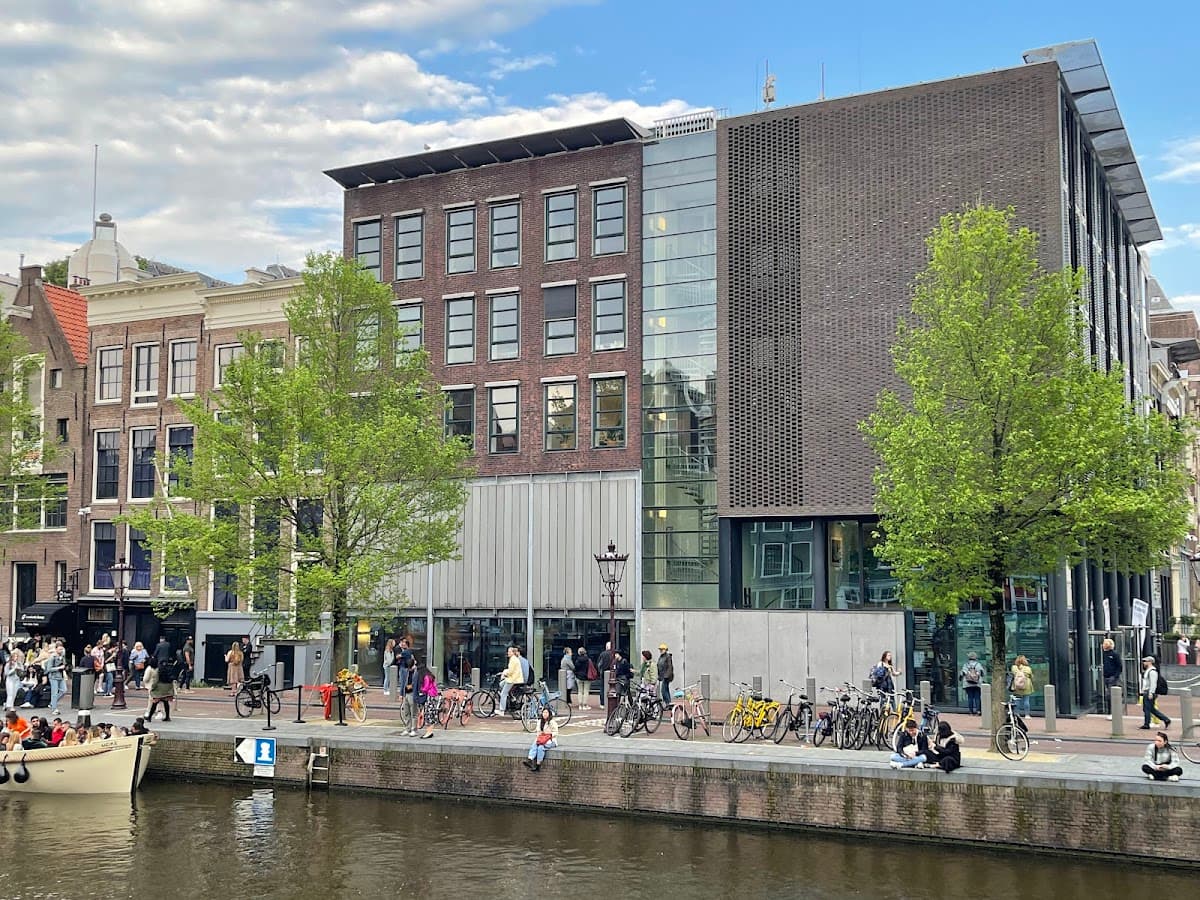
Mondays can also be slow. Plan museum visits midweek when possible — weekends at the Rijksmuseum or Van Gogh Museum are brutal.. Book the Anne Frank House tickets exactly two months in advance to the day.
They open at midnight Amsterdam time and sell out almost instantly. Trying to go without a booking is a waste of a morning.. Always check in AND check out on public transport with your card or ticket.
Forgetting to check out on a GVB tram costs you a €4 penalty fare. Forgetting on an NS train costs around €20.
Safety
WATCH YOUR POCKETS
Amsterdam is one of the safer capital cities in Europe. Violent crime against tourists is extremely rare. Amsterdam consistently ranks in the top 15 globally for overall safety, with 92 out of 100 residents and visitors reporting they feel safe during the day.
That said, a few things genuinely matter. Pickpocketing is the real risk. It's concentrated around Dam Square, Centraal Station, the Red Light District, and on trams — especially trams packed with tourists.
Keep your phone in a front pocket, not a back pocket. Turn your backpack around to your chest on crowded trams. Thieves often work in pairs: one distracts while the other moves.
The bikes are probably the second-biggest practical danger. They move fast and have right of way. Red-painted lanes mean bikes only.
If you hear a bell behind you, move immediately. Several tourists end up in canals each year, mostly after dark and often involving alcohol. Watch your step near canal edges at night.
Only use official taxis or Uber, Bolt, or TCA (Taxi Centrale Amsterdam). Unlicensed cabs at Schiphol and Centraal Station will overcharge. The terrorism threat level in the Netherlands sits at Level 4 ("substantial") as of 2026, which reflects a general European trend rather than any specific imminent threat.
The main landmarks are well-guarded. Standard awareness applies in crowded areas. The Bijlmer (Amsterdam-Zuidoost) neighborhood has the highest crime rate in the city.
It's also home to genuinely interesting multicultural culture, but solo late-night wandering there requires more caution than other areas.
Getting Around
TRAMS & BIKES DOMINATE
Amsterdam's GVB network runs trams, buses, metro lines, and ferries. In 2026 there are 5 metro lines, 15 tram lines, 34 bus lines, and 9 ferry lines. For tourists staying in the city, trams are the most useful — lines 2, 5, and 12 connect most major attractions.
The metro handles longer hops to outer neighborhoods. GVB day passes are the smart choice: €10 for 24 hours, €21.50 for 72 hours, €43 for 7 days.
These cover unlimited travel on all GVB trams, buses, metro, and ferries. A single 1-hour ticket costs €3.40.
Buy tickets online beforehand, from GVB machines at Central Station, or from conductors on trams (card only, no cash on board). The BTM 1.5-hour ticket was discontinued at the start of 2026.
Always check in AND check out with your card. Forgetting to check out on a tram costs a €4 penalty. On an NS intercity train it's €20.
Don't learn this the hard way. GVB Max caps your daily fare on GVB transport at €10.50 if you're paying per journey with a contactless card.
For day trips to cities like Haarlem, Leiden, or Rotterdam, you need NS trains. Contactless bank cards don't work on NS trains. Pick up an OV-chipkaart (€7.
50 refundable deposit, loaded with credit) or buy NS tickets from machines at the station. Bikes are the actual local transport mode. Rent from MacBike, Donkey Republic, or one of dozens of rental shops.
Expect to pay €10–€15 per day. Know the rules before you ride: yield to trams, stay in bike lanes, lock properly (Amsterdam's bike theft rate is legendary). Schiphol Airport is connected to Centraal Station by train (15–20 minutes, runs 24 hours).
The Amsterdam Travel Ticket includes both the airport train and GVB city transport combined.
Useful Phrases
Explore Destinations
Explore the Region
Amsterdam Itineraries
View all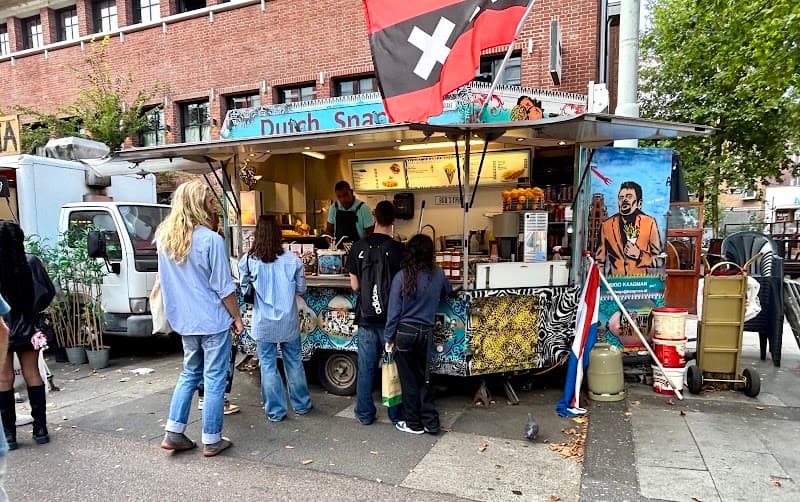
Amsterdam Culture, Canals and Market Flavors
Weekend · $$$
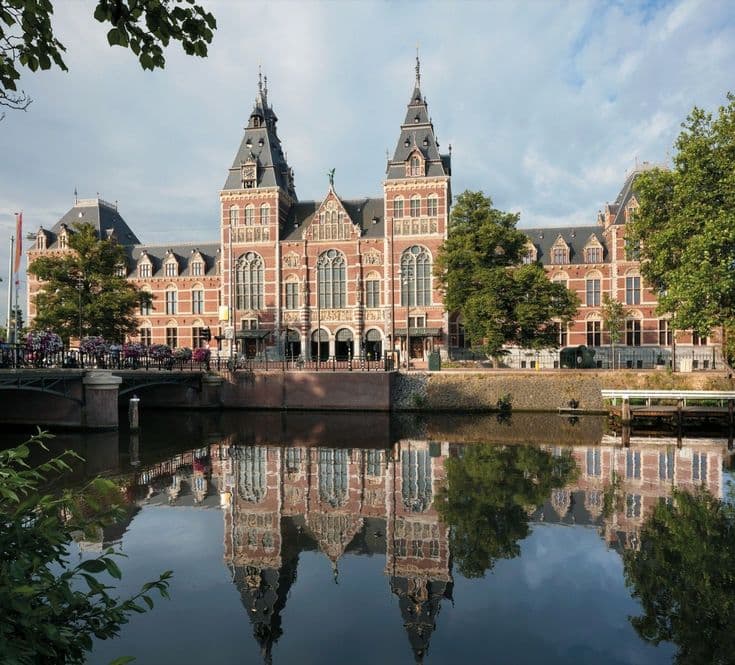
Amsterdam’s Easygoing Day of Canals, Markets, and Nightlife
Weekend · $$$

Canals, Parks, and Cozy Bites in Amsterdam
Weekend · $$$
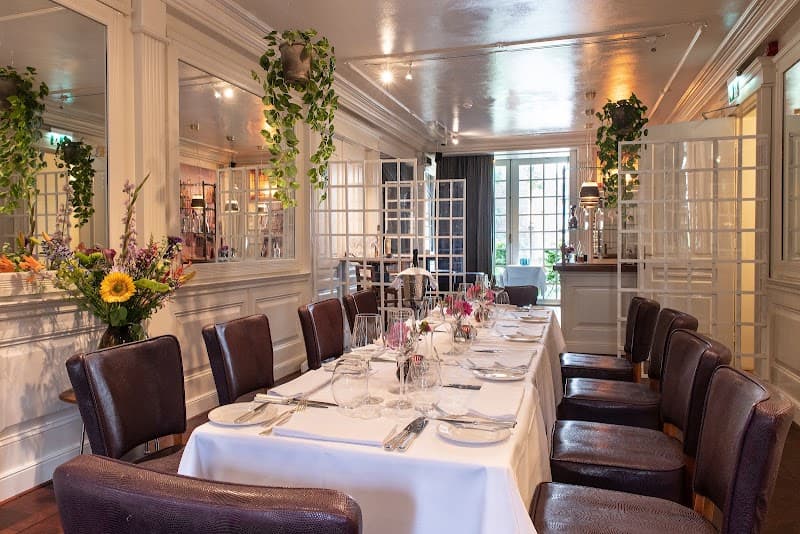
Canals, Culture & Cozy Nights in Amsterdam
Weekend · $$$$
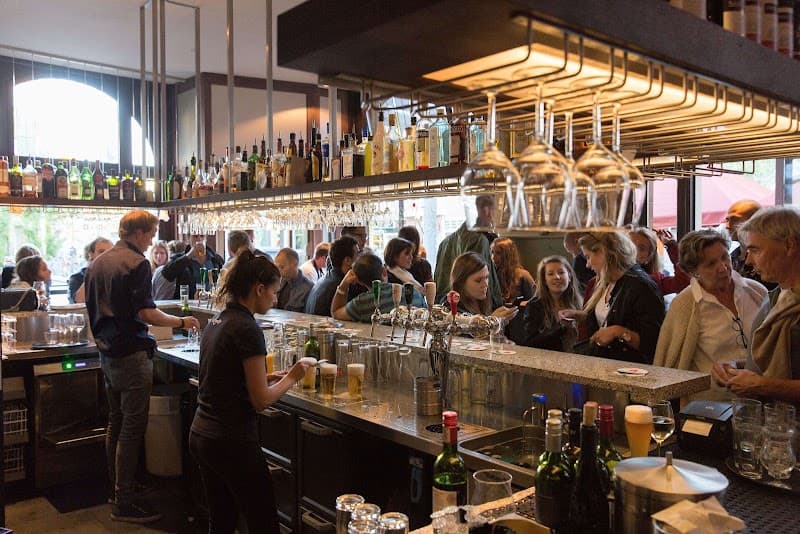
Elegant Amsterdam on a Smart Budget: Days 1–2
Weekend · $$
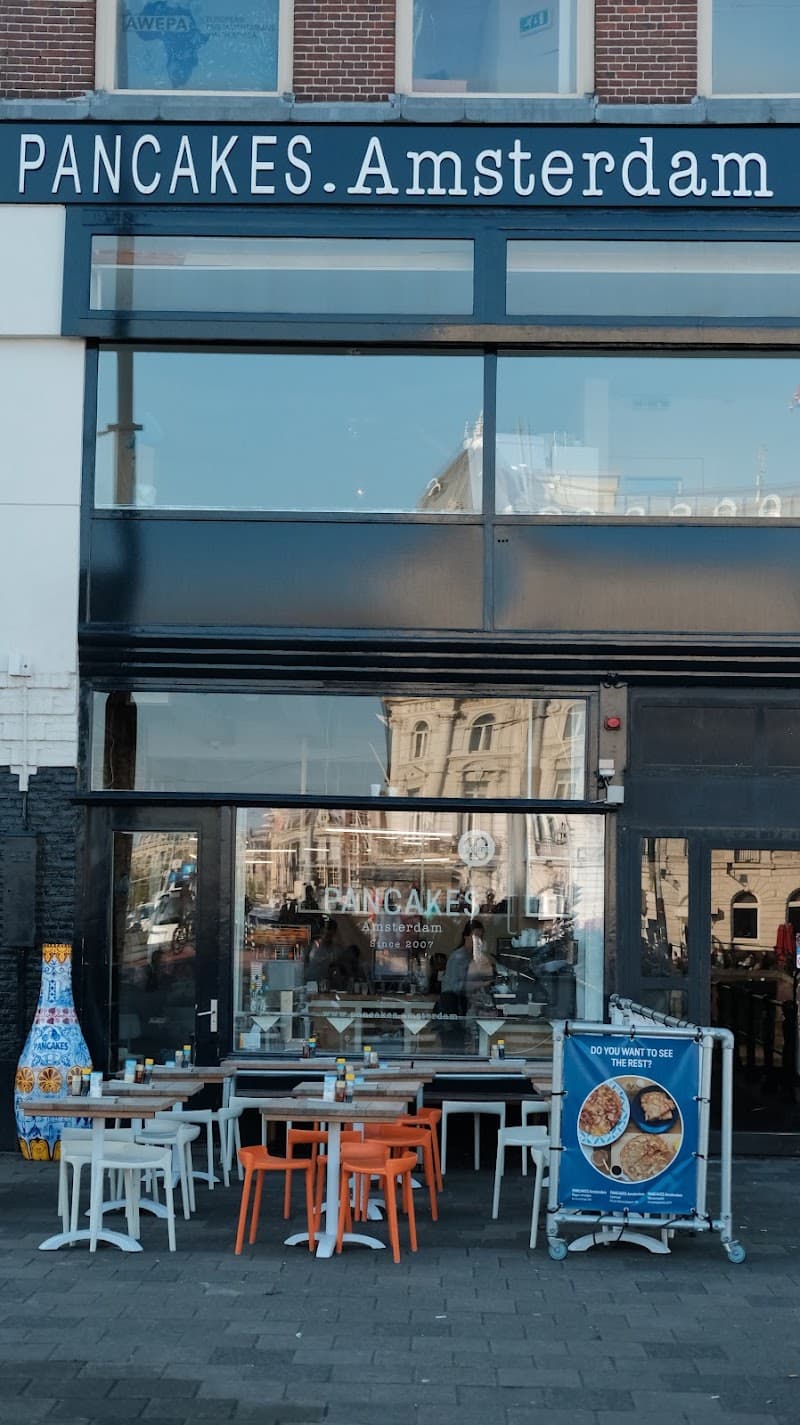
Seven Slow Days of Gezellig Amsterdam
Week · $$$
Where to Stay in Amsterdam
9 recommended properties


Things to Do in Amsterdam
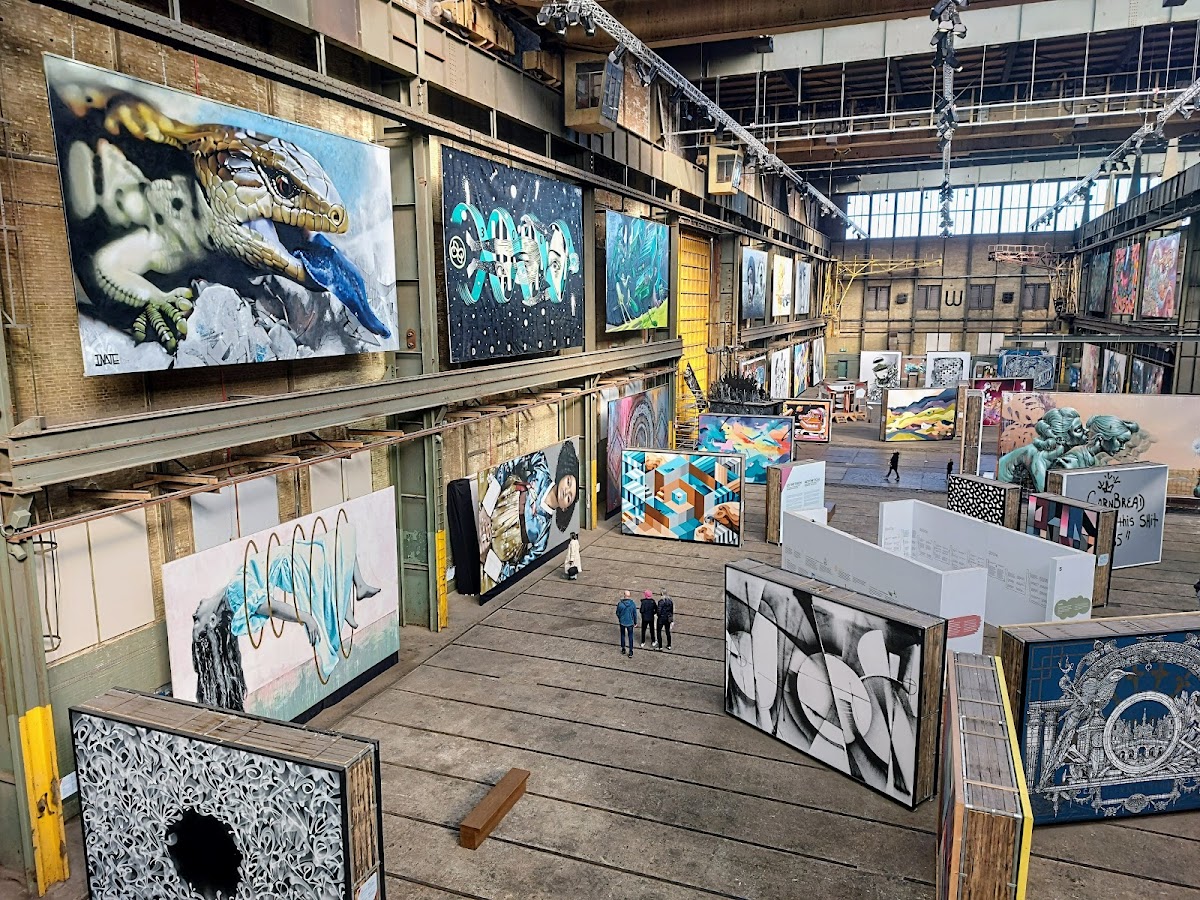
STRAAT Museum (Street Art Gallery)
Oud-West · 90 min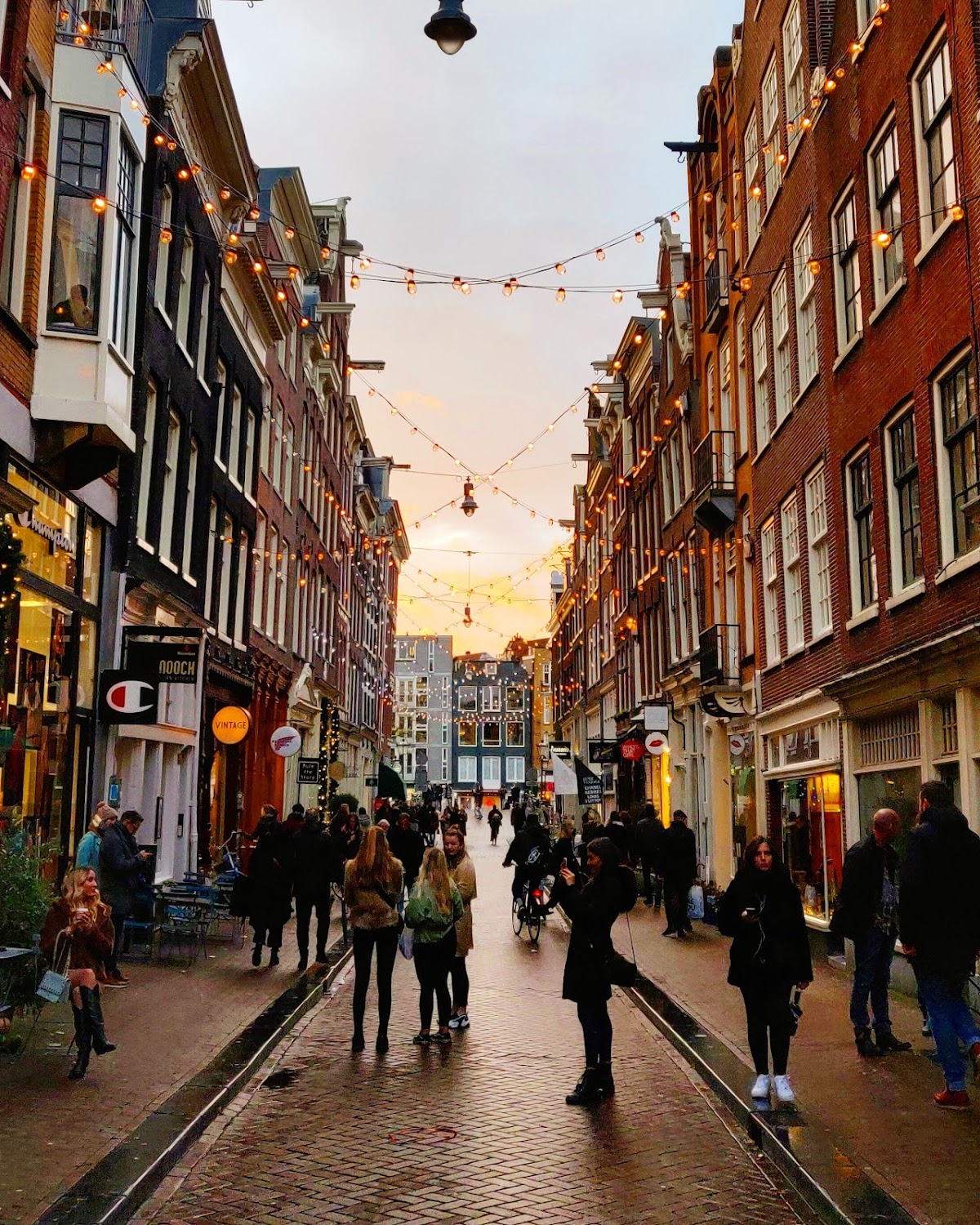
Jordaan Neighborhood Wander: Nine Streets (De Negen Straatjes)
Jordaan · 120 min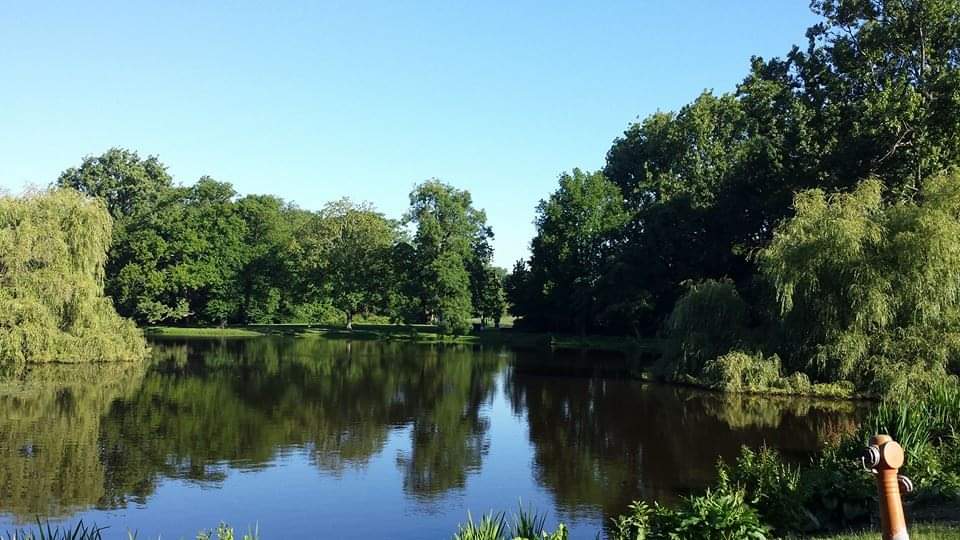
Vondelpark Afternoon Walk
De Pijp / Vondelpark · 120 minMoney-Saving Tips
- 1.Buy groceries at Albert Heijn Basic or Lidl instead of tourist-area shops - save 30-40% on basics
- 2.Eat lunch at local 'eetcafes' for €8-12 plates instead of €20+ tourist restaurants
- 3.Skip expensive canal tours - rent a pedal boat for €8/hour and create your own route
- 4.Buy museum tickets online in advance for €2-3 discounts and skip entrance lines
- 5.Drink beer at brown cafes (€3-4) instead of hotel bars (€8-10) for authentic experience and better prices
- 6.Use GVB day passes (€8.50) instead of individual tram tickets (€3.50 each) if taking 3+ rides
- 7.Shop at Albert Cuyp Market for souvenirs - same items cost half the price of tourist shops
- 8.Book accommodation outside the canal ring - save €50-100/night with 10-minute tram rides to center
Travel Tips
- •Always lock your bike with two locks - bike theft is Amsterdam's biggest crime problem
- •Download the 9292 app for real-time public transport schedules and route planning
- •Bring a rain jacket year-round - Amsterdam weather changes quickly and umbrellas break in canal winds
- •Learn basic bike etiquette: ring your bell, stay right, watch for tram tracks that catch wheels
- •Book restaurants 2-3 days ahead for dinner - popular spots fill up quickly in this compact city
- •Carry cash for smaller brown cafes and market vendors who don't accept cards
- •Respect coffee shop rules: no photos, no alcohol mixing, buy something if you sit down
- •Walk single-file on narrow sidewalks and always check for bikes before stepping into bike lanes