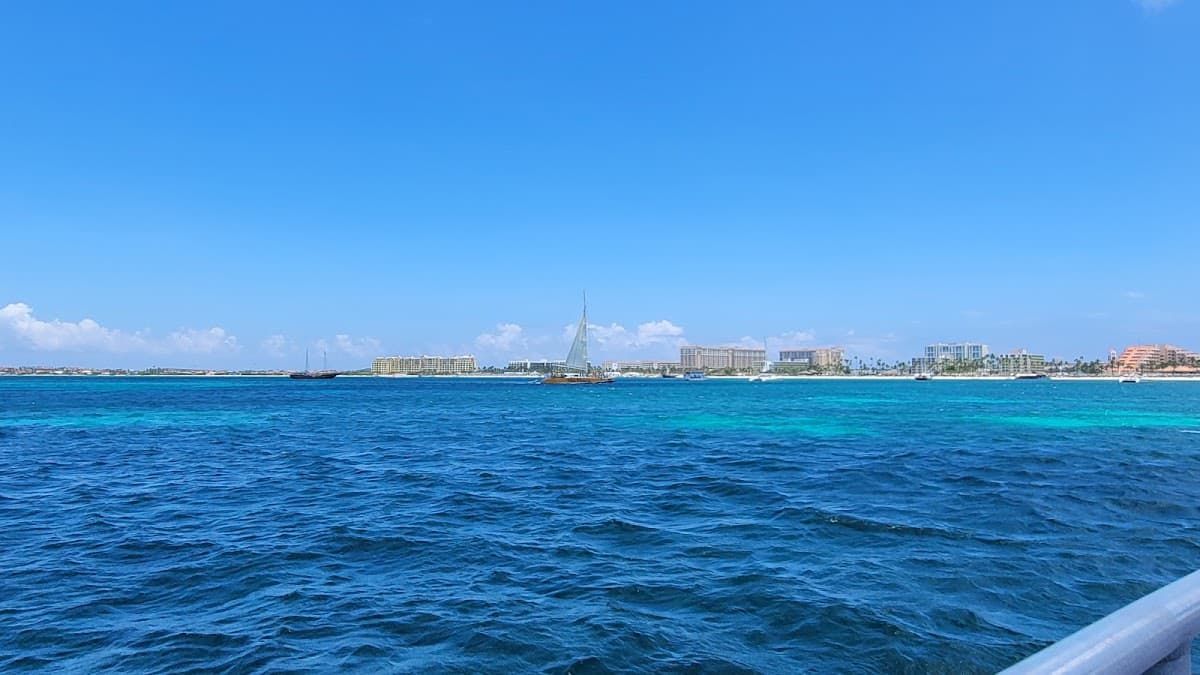
Aruba
One happy island where trade winds meet endless beaches
They call it "One Happy Island" for good reason. Aruba sits just outside the hurricane belt, blessed with trade winds that keep things comfortable year-round and beaches that stretch like powdered sugar ribbons along the western coast. This isn't your typical Caribbean destination — it's a Dutch territory with a distinctly laid-back vibe, where cactus-dotted landscapes meet some of the world's most reliable beach weather.
The island runs on tourism, sure, but locals genuinely seem happy to share their slice of paradise. You'll find luxury resorts clustered along Palm Beach and Eagle Beach, while the capital Oranjestad offers colorful colonial architecture and duty-free shopping. But here's what sets Aruba apart: consistent 82-degree temperatures, almost zero chance of rain, and beaches that face west for those Instagram-worthy sunsets every single night.
Best Months
JAN · FEB · MAR · APR · MAY · NOV · DEC
~31°C · peak crowds
Culture & Context
Aruba is a constituent country within the Kingdom of the Netherlands, but it's culturally its own thing entirely.
The island's identity was shaped by African, indigenous Arawak, Portuguese, Spanish, Dutch, and South American influences — all of which fused into Papiamento, the local Creole language that Arubans switched to when the tourists leave the room.
Papiamento was officially recognized as a co-language of education alongside Dutch in 2003, but Arubans had always treated it as their real first language. It began in the 1500s and draws primarily from Spanish and Portuguese (about 80%), with Dutch, Arawak, and African language contributions. Most locals speak four or five languages fluently — switching mid-conversation is completely normal and not rude.
The island has a population of about 110,000 people and receives over 1.2 million tourists annually. Tourism has shaped the culture significantly, but Arubans have maintained a genuine sense of identity through Carnival (the island's biggest cultural celebration), their language, and neighborhood life in places like San Nicolas that still operate largely outside the tourist economy.
Faith is a significant part of daily life — Catholic traditions mix with African and indigenous influences. King's Day (April 27), Easter, and Christmas are major holidays when many businesses close. Conservation ethic is strong: the 2019 sunscreen ban, sea turtle protections, and Arikok National Park (covering 20% of the island) reflect the island's commitment to its natural environment. The 'Aruba Promise' asks visitors to think of themselves as guests, not just tourists.
Local Customs
Greet people properly — 'Bon dia' in the morning, 'Bon tardi' in the afternoon.
Walking into a shop or restaurant without a greeting is considered rude. It takes three seconds and earns you immediate goodwill..
Tipping works much like the US: 15–20% at restaurants is standard. Check your bill first though — many restaurants automatically add a 10–15% service charge ('servicio'). Don't double-tip..
Beachwear stays on the beach. Bikinis and board shorts are fine at the water, but put a cover-up on when you head into town, shops, or restaurants. It's not a strict rule, but locals notice..
Remove hats and dress modestly when entering churches or religious sites. Aruba's faith life is a colorful mix of Catholic, African, and indigenous traditions — treat these spaces the way you'd want visitors to treat yours.. Littering is illegal and the law is enforced.
Don't even drop a cigarette butt. Aruba takes environmental protection seriously — including a ban on sunscreens containing oxybenzone and octinoxate (which harm coral reefs). Bring reef-safe, mineral-based SPF 50+..
Uber and Lyft don't operate in Aruba. The government protects the licensed taxi industry. All legit taxis have 'TX' on the license plate.
Government-set flat fares, cash only (USD accepted). Airport to Palm Beach runs $16–25.. Photographing people requires their permission.
And avoid photographing government buildings.. Drugs — including marijuana for personal use — are strictly illegal in Aruba. Enforcement is serious and applies to tourists.
The rules here are very different from the Netherlands.. Always carry a copy of your passport. It's Dutch law.
The actual passport is safer in your hotel safe.. Arubans are multilingual — most speak four or five languages fluently. Switching between Papiamento, Dutch, English, and Spanish mid-conversation is completely normal.
Don't be surprised when it happens at the table next to you.
Safety
Aruba holds a US State Department Level 1 travel advisory (the safest tier) and is consistently ranked one of the safest islands in the Caribbean.
Violent crime against tourists is extremely rare. The main risk is petty theft — don't leave valuables unattended on the beach, don't leave things visible in rental cars, and use your hotel safe. Petty theft spikes during Carnival and other large crowd events.
Palm Beach and Eagle Beach hotel strips have heavy security presence and are very safe at night. Oranjestad is safe during the day and evening with good police presence. San Nicolas is fine during the day but exercise extra caution in the entertainment district at night. Arikok National Park is safe for daytime hiking only.
Beach vendors sometimes overcharge tourists — always ask prices upfront and don't feel pressured. Dial 100 for police, 911 for medical emergencies. US Consulate General in Curaçao: +5999-461-3066.
Practical notes: Aruba is outside the hurricane belt, so weather risk is minimal year-round. The sun is intense — heatstroke is a real risk, especially on day one. Drink water constantly. Reef-safe sunscreen (zinc oxide or titanium dioxide, SPF 50+) is legally required — oxybenzone and octinoxate-based sunscreens are banned to protect coral. Tap water is safe to drink. Mosquitoes can be present near standing water, especially at dawn/dusk.
Getting Around
Aruba is 19 miles long and 6 miles wide — it's genuinely small.
Getting around is easy.
ARUBUS (Public Bus): The main bus route runs between Oranjestad, Eagle Beach, Palm Beach, and San Nicolas. Runs from 5:40am to 11:30pm. $1.25–2.60 one-way, $10 day pass. Buses run every 15 minutes during the day. Reliable for beach-strip days and the most budget-friendly option.
TAXIS: Government-regulated with fixed flat rates, no meters. All licensed taxis have 'TX' on the license plate. Available 24/7. Airport to Palm Beach: $16–25. Cash only (USD accepted). Book through your hotel concierge rather than flagging down random vehicles. Uber and Lyft are not available — the government prohibits them.
CAR RENTAL: The smartest approach for exploring beyond the hotel strip. $40–60/day plus fuel (~$1.62/liter). You can drive on a valid US license. Roads are simple, distances short, parking is widely available. Roundabouts are common — traffic inside the roundabout has priority. Right turns on red are prohibited. Right-hand traffic (same as the US). Recommended for 1–3 day excursions to Arikok National Park, Baby Beach, San Nicolas, and the rugged north coast.
FLIGHTS: Queen Beatrix International Airport (AUA) is the gateway. Direct flights from US East Coast cities (New York, Miami, Atlanta, Boston) run $350–600 round-trip in shoulder season. KLM operates direct service from Amsterdam. Spirit and Frontier offer budget pricing but charge for bags. Book Tuesday–Thursday 6–8 weeks out for best fares.
Useful Phrases
Aruba Itineraries
View all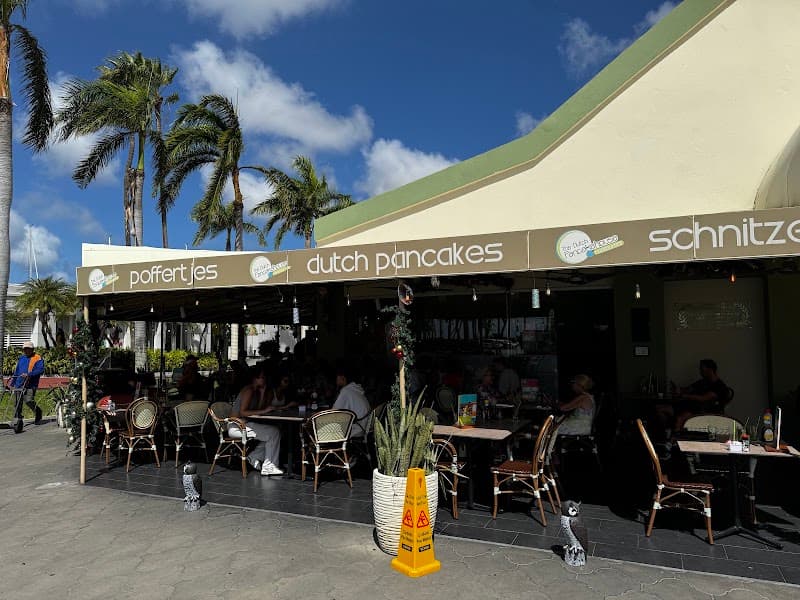
Aruba on a Budget: Beaches, Nature, and Local Flavor
Week · $$
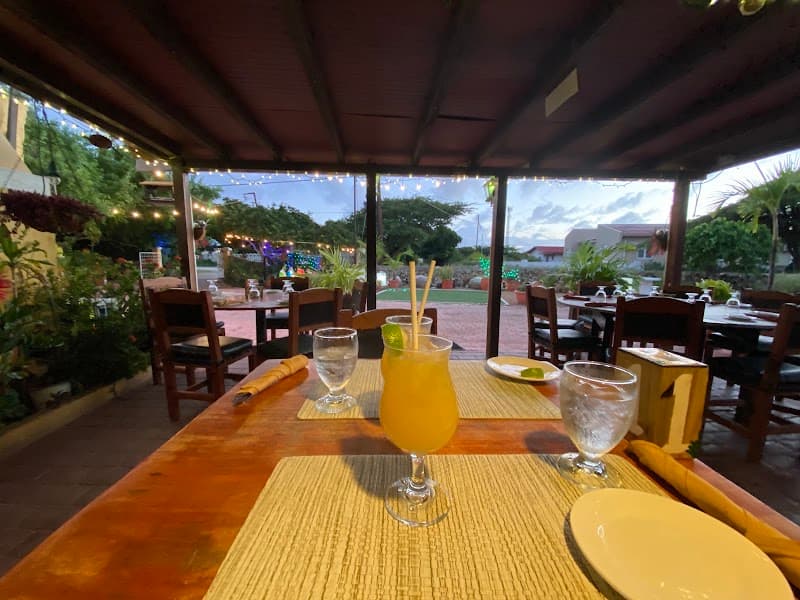
Relaxed Aruba Beaches, Nature, and Local Flavors
Week · $$
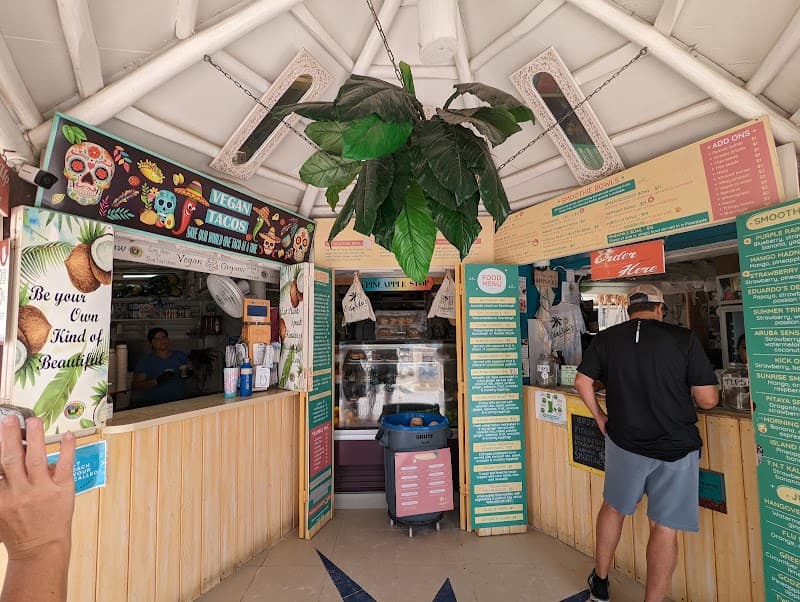
Slow & Sunny Aruba: 7 Days of Easy Island Bliss
Weekend · $$
Soft-Adventure Day in Aruba’s Wild North Coast
Weekend · $$$
7 Days of Tropical Adventure & Coastal Culture in Aruba
Week · $$$
Seven Serene Days in Aruba for Two
Week · $$$
Things to Do in Aruba
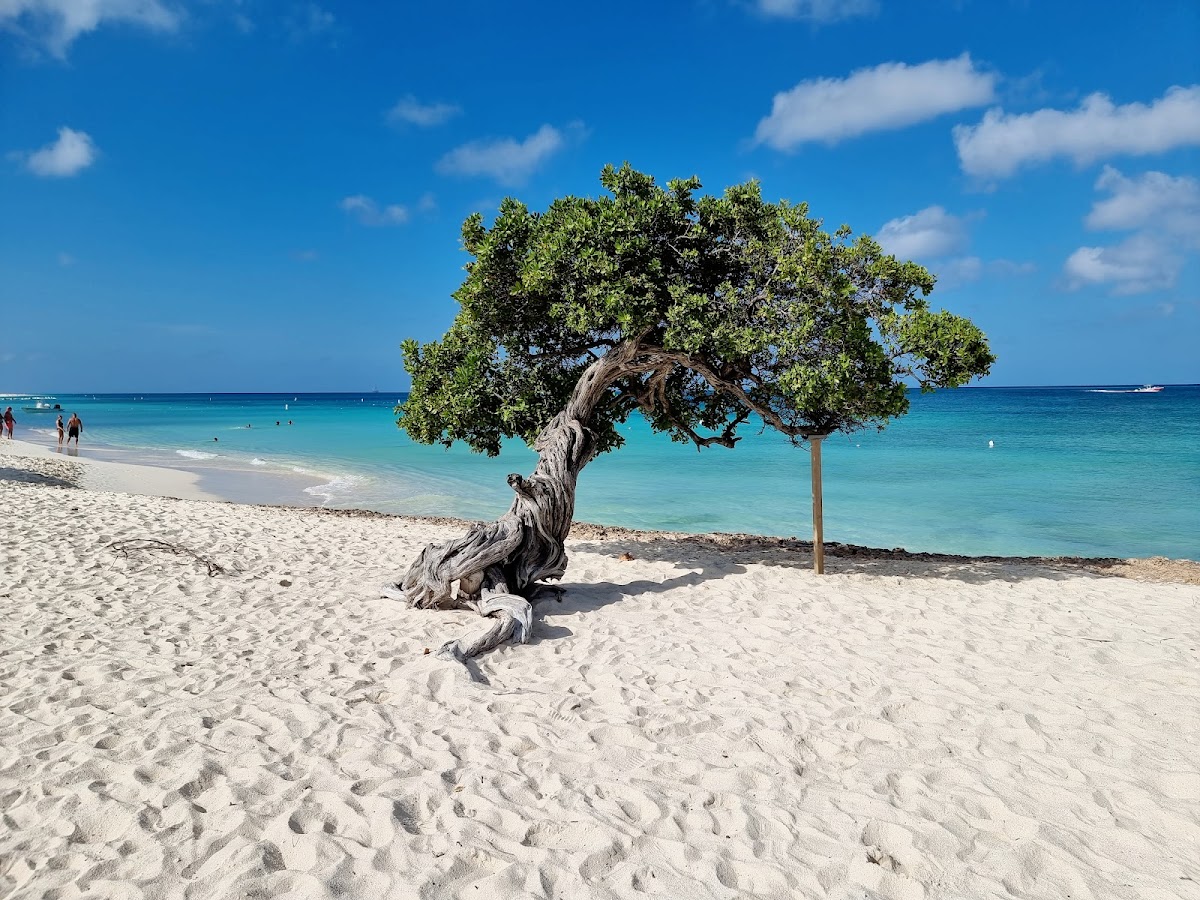
Eagle Beach
Palm - Eagle Beach · 120 min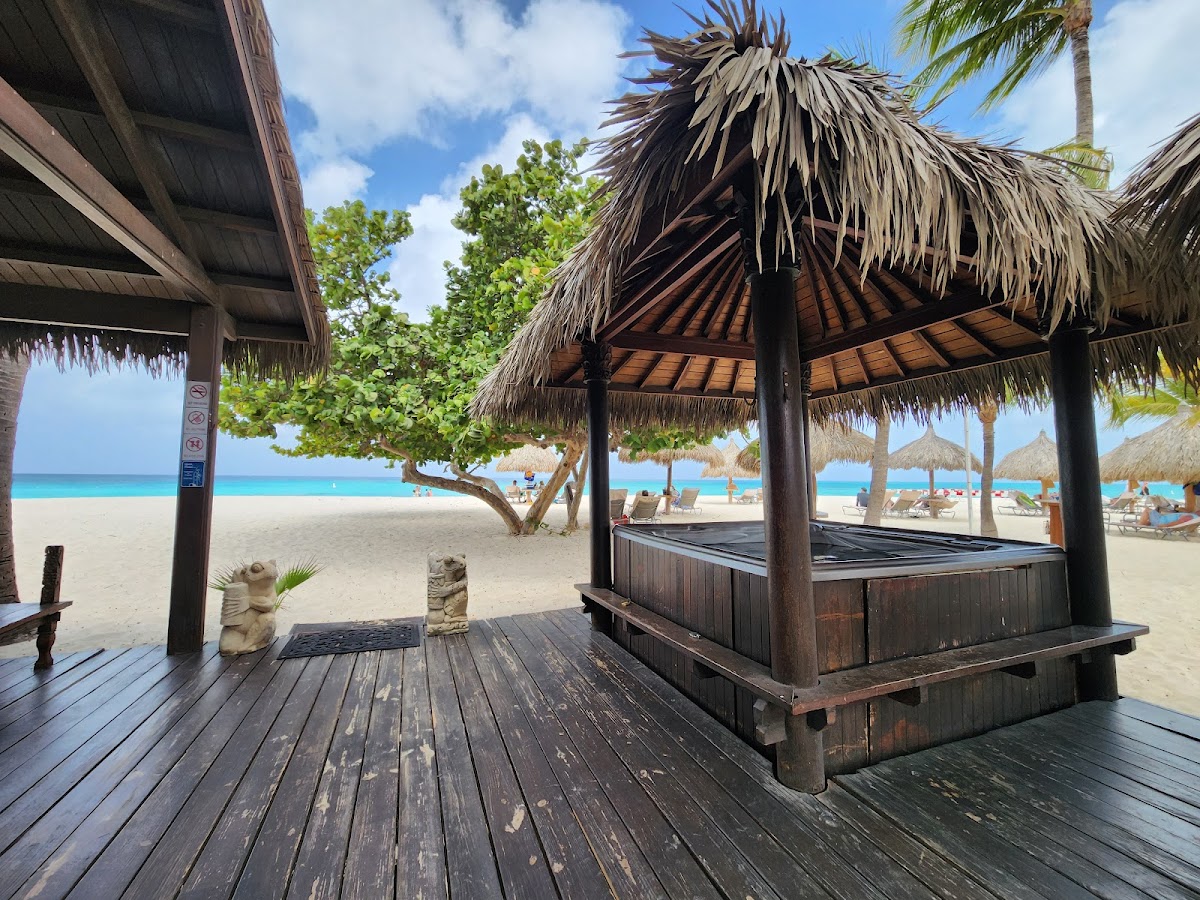
Spa del Sol
Palm - Eagle Beach · 120 min
Bon Bini Festival
Palm - Eagle Beach · 120 minMoney-Saving Tips
- 1.Visit September through November for 40% lower hotel rates while weather stays perfect
- 2.Rent a car for $35/day instead of relying on expensive taxis - the island is tiny and easy to navigate
- 3.Shop for groceries at Super Food or Ling & Sons to save on resort meal prices
- 4.Book snorkeling trips directly with operators at Fisherman's Huts for better rates than hotel concierges
- 5.Take advantage of happy hours at beach bars from 4-6 PM for half-price drinks
- 6.Use the free hotel shuttles to Oranjestad for shopping instead of paying for taxis
- 7.Pack reef-safe sunscreen from home - it costs 3x more on the island
- 8.Look for vacation rental condos with kitchenettes near Eagle Beach for longer stays
Travel Tips
- •Bring reef-safe sunscreen - the sun reflects intensely off the white sand and water
- •Download the Aruba app for real-time bus schedules and route information
- •The trade winds are stronger than they feel - you can get sunburned quickly even when it feels cool
- •Most restaurants add 15-20% service charge automatically - check your bill before tipping extra
- •US dollars are accepted everywhere, but you'll get change in Aruban florins
- •Book dinner reservations early - popular restaurants fill up quickly, especially during peak season
- •The California Lighthouse area gets very windy - secure hats and loose items
- •Water sports equipment rents cheaper at local shops than resort concierges
- •Public beaches have limited shade - bring an umbrella or arrive early to claim spots under the fofoti trees
- •Gas stations close early on Sundays - fill up your rental car on Saturday if you have weekend plans