Cologne
Gothic Cathedral Majesty Meets Contemporary Art and Carnival Celebrations
Cologne hits different than other German cities. Sure, the Gothic cathedral dominates every Instagram shot, but this 2,000-year-old city runs deeper. Roman ruins sit beneath modern art galleries. Kölsch beer flows in traditional brewhouses while techno pounds in converted warehouses. And come February, the entire city loses its mind during Karneval. This is Germany's oldest city with a young soul — where medieval spires cast shadows on street art, and locals treat their local beer like a religion.
Best Months
APR – OCT
~22°C · high crowds
Culture & Context
KÖLSCH GEFÜHL, PURE JOY
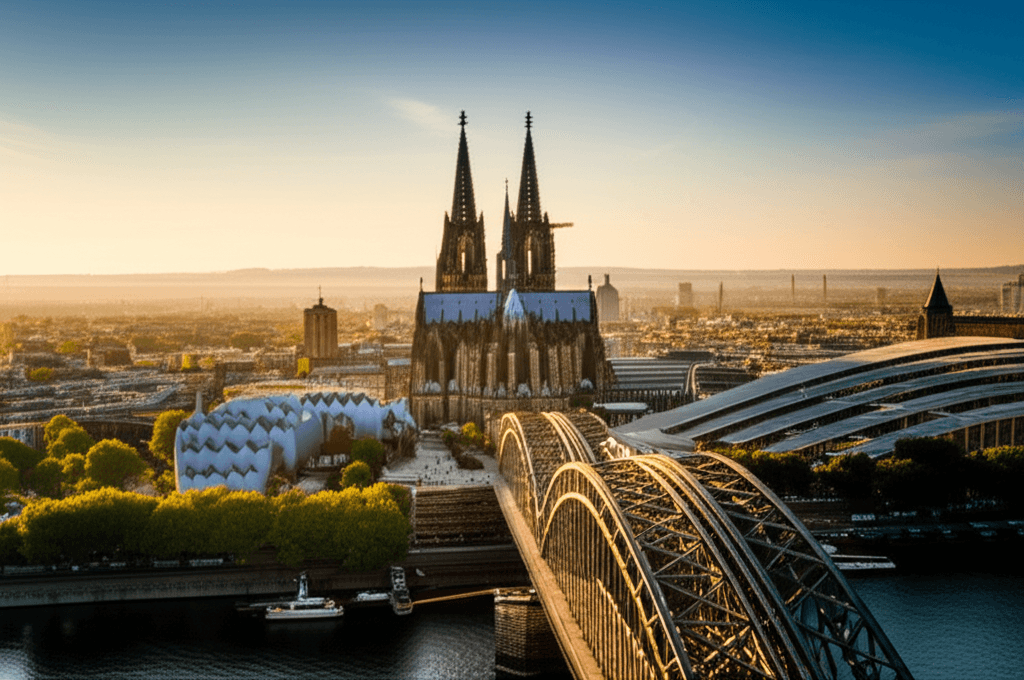
Cologne is Germany's fourth-largest city and one of its oldest, founded as a Roman colony over 2,000 years ago. The Kölner Dom (Cologne Cathedral) started construction in 1248 and wasn't finished until 1880. The city is the birthplace of eau de Cologne, invented here in the 18th century.
But the thing that actually defines Cologne's identity more than any landmark is the local spirit, the so-called "Kölsch Gefühl" (Cologne feeling). Locals are famously laid-back, warm, and proud of their city to the point of mild obsession. Ask a local what neighborhood they live in and watch their face light up.
The city has a thriving LGBTQ+ scene, one of the largest in Germany, centered around Schaafenstraße. And the rivalry with Düsseldorf is real — don't bring up Düsseldorf's Altbier in a Cologne Brauhaus unless you want raised eyebrows. Cologne was heavily bombed in WWII and substantially rebuilt afterward, so the Altstadt has a somewhat reconstructed character.
The Cathedral survived largely intact, which locals cite as something of a miracle.
Local Customs
KÖBES KEEPS POURING
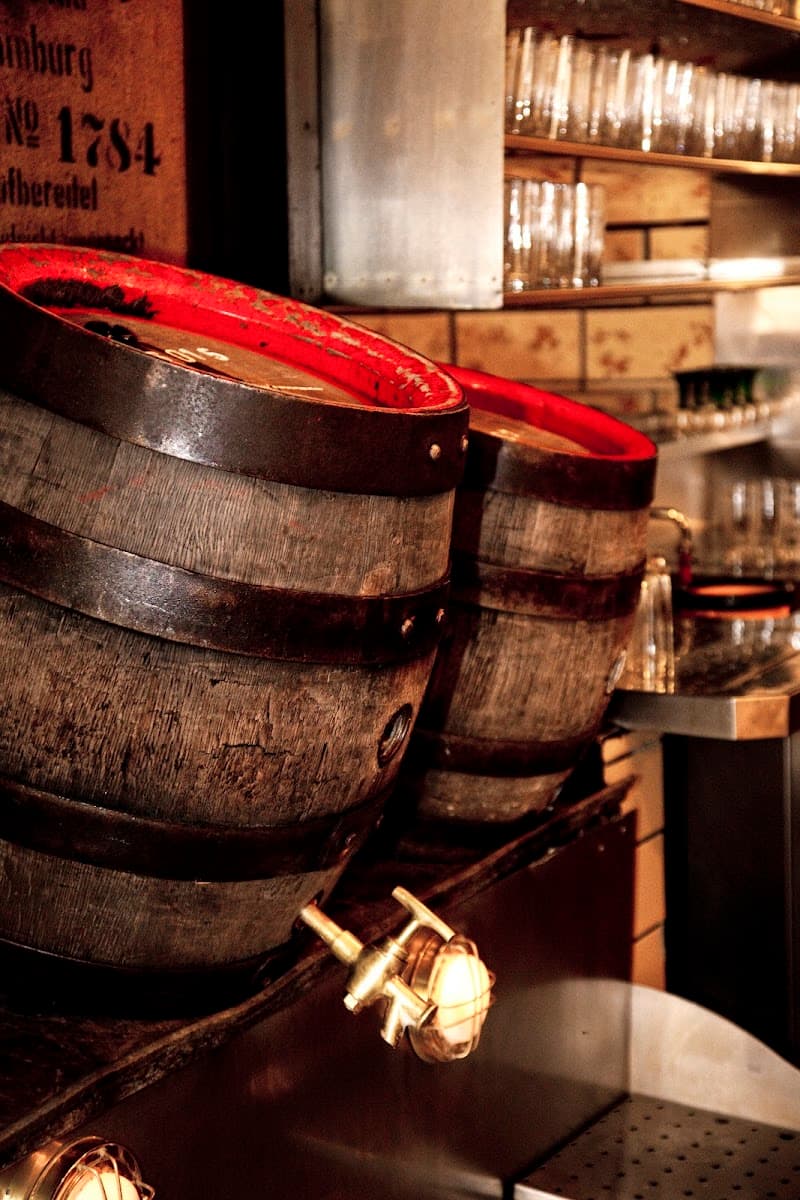
The Köbes is not a regular waiter. In a traditional Brauhaus, the Köbes (male) or Köbine (female) wears a blue cardigan, carries a round Kranz tray loaded with Stangen of Kölsch, and operates on automatic refill. Your glass gets replaced as soon as it's empty.
To stop the flow, place your Bierdeckel (coaster) on top of your glass. Don't wait for your Köbes to ask. Just do it.
The Köbes will also mark your coaster with tally marks tracking how many you've had.. Order Kölsch, not anything else. Asking for an Altbier (Düsseldorf's beer) in a Cologne Brauhaus is considered deeply unfriendly, and you might actually be refused.
Ordering anything from Düsseldorf is a social faux pas with real teeth.. Kölsch is legally protected — only breweries within roughly 30 miles of Cologne Cathedral can call their beer Kölsch. It comes in a 200ml Stange (a thin, tall cylindrical glass).
The small size is intentional: drink it before it warms up.. 'Cornern' is a beloved Cologne social ritual. You buy a beer from a Büdchen (corner kiosk) and hang out on the pavement, especially at Brüsseler Platz in the Belgian Quarter.
It's not a temporary thing — it's the whole point of the evening for many locals.. During Carnival, strangers kiss each other on the cheek — this is called a Bützchen (little kiss). It's expected, part of the tradition.
Don't shout 'Helau!' in Cologne — that's Düsseldorf's Carnival cheer. Shout 'Kölle Alaaf!
' instead.. Tipping is expected: round up the bill or add 5–10%. Tell the server the total amount you want to pay when settling up, not as a separate gesture after the fact..
Germans (and Cologners) take jaywalking laws seriously. Crossing on a red light, especially when children are present, gets you real social disapproval from locals. Wait for the green..
Cologne has 86 official neighborhoods called 'Veedels' in the local dialect. Locals are fiercely proud of their Veedel, and knowing which one someone lives in is a standard conversation opener.
Safety
WATCH YOUR WALLET
Cologne is a safe city by any serious measure. Violent crime is low and most incidents that affect tourists involve petty theft rather than anything more serious. The main honest caveats: the area around the Hauptbahnhof (central train station) and the Cathedral plaza attract pickpockets because that's where the crowds and distracted tourists are.
Keep your wallet in a front pocket, your phone off the table at outdoor cafés, and your bag zipped in transit. The Hauptbahnhof itself can feel sketchy late at night — the usual big-train-station-in-a-big-city energy, nothing more dramatic than that. There's some reported drug dealing around Ebertplatz, worth being aware of if you're passing through late at night.
Alcohol-fueled altercations happen around nightlife districts, particularly on Zülpicher Straße (student area) on weekend nights. Standard nightlife caution applies. For solo female travelers: the city is generally considered safe.
Security has been significantly increased in the Hauptbahnhof area since the widely-reported 2015 New Year's Eve incidents, and visible policing during large events like Carnival is substantial. Don't drive during Carnival — streets close, routes change, and a parking spot simply doesn't exist. During Carnival itself, keep a closer eye on belongings than usual since the crowds are thick and the atmosphere chaotic.
Emergency numbers: 112 for medical/fire, 110 for police. Tap water is safe and excellent quality — drink it straight from the tap and skip buying bottles.
Useful Phrases
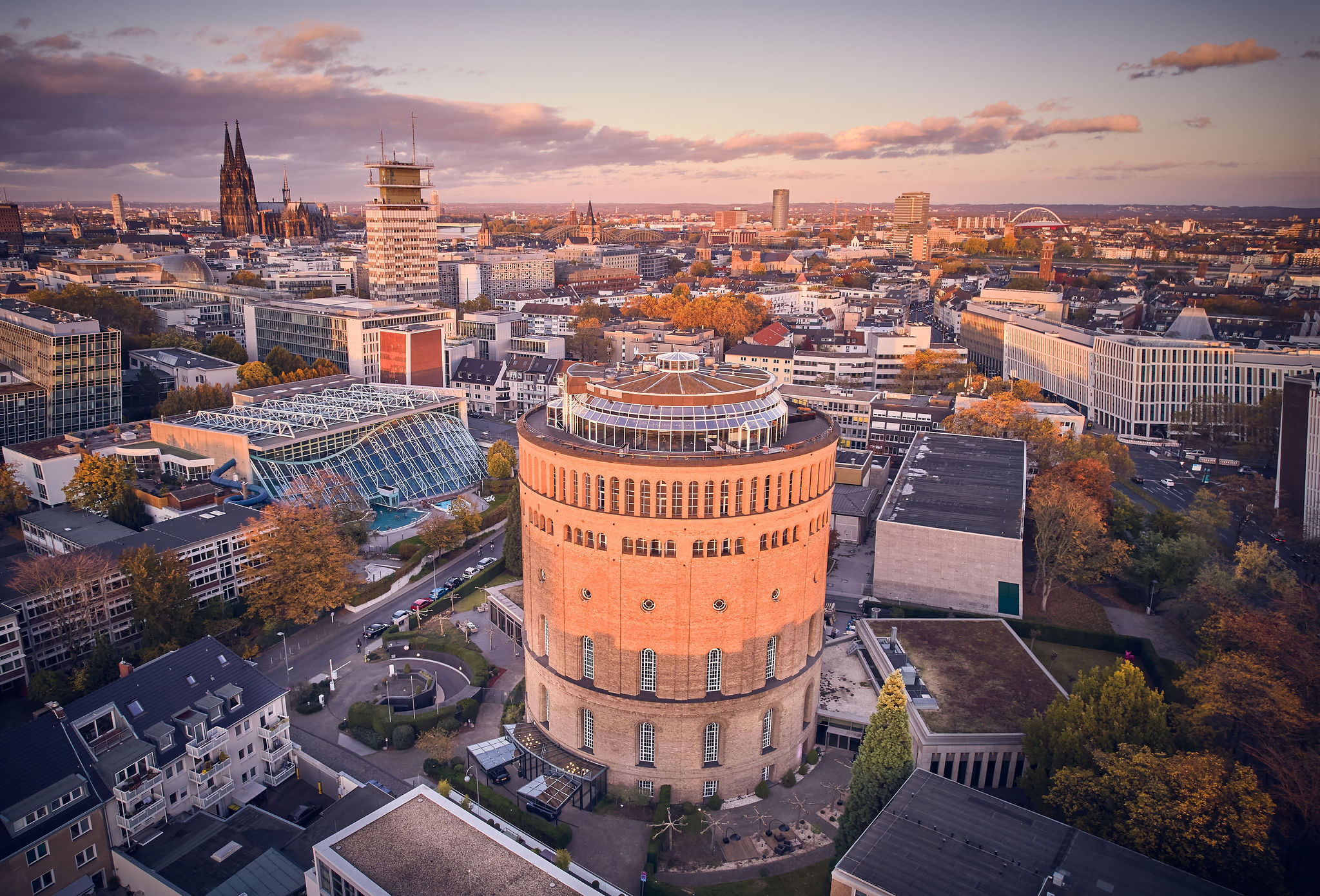
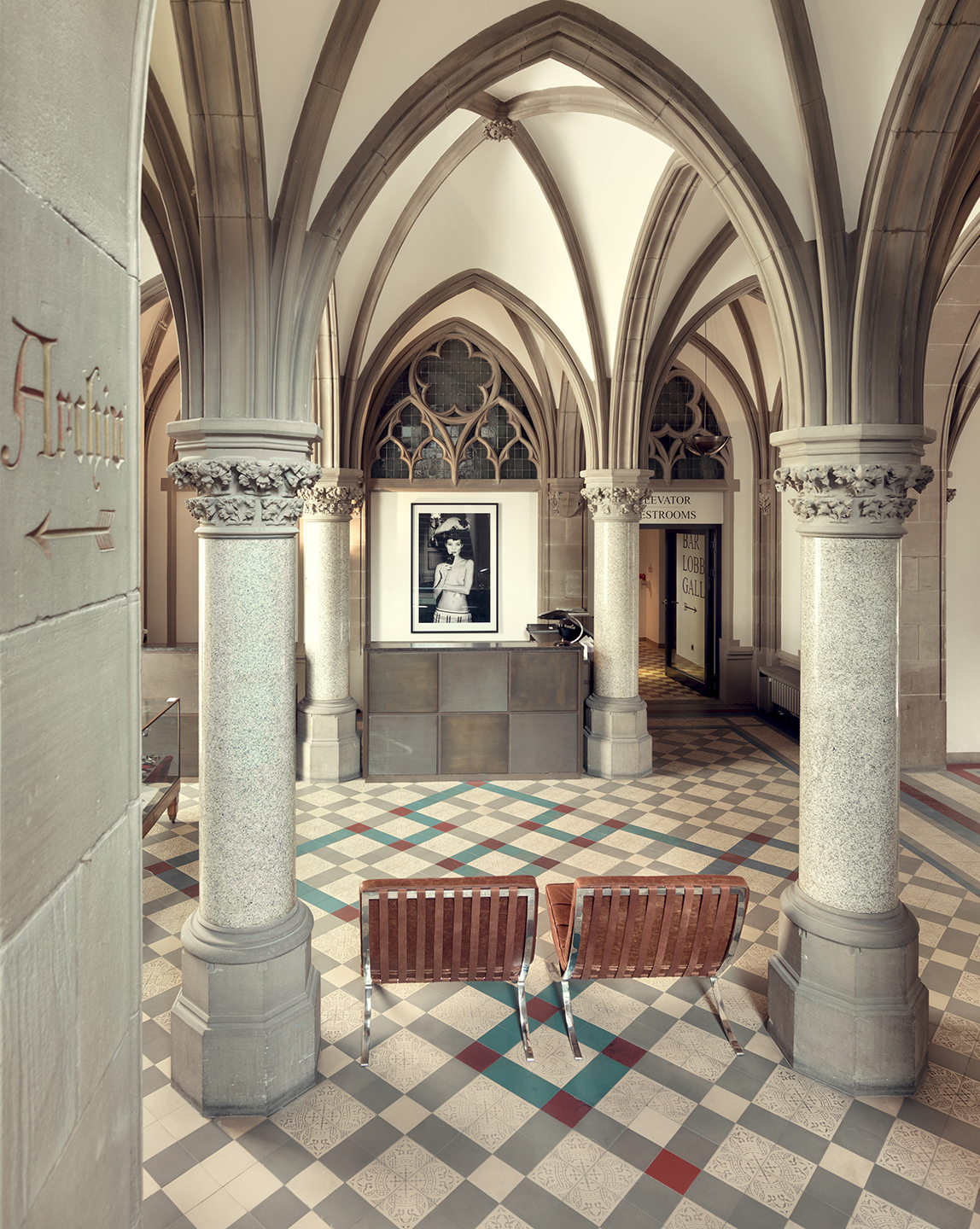
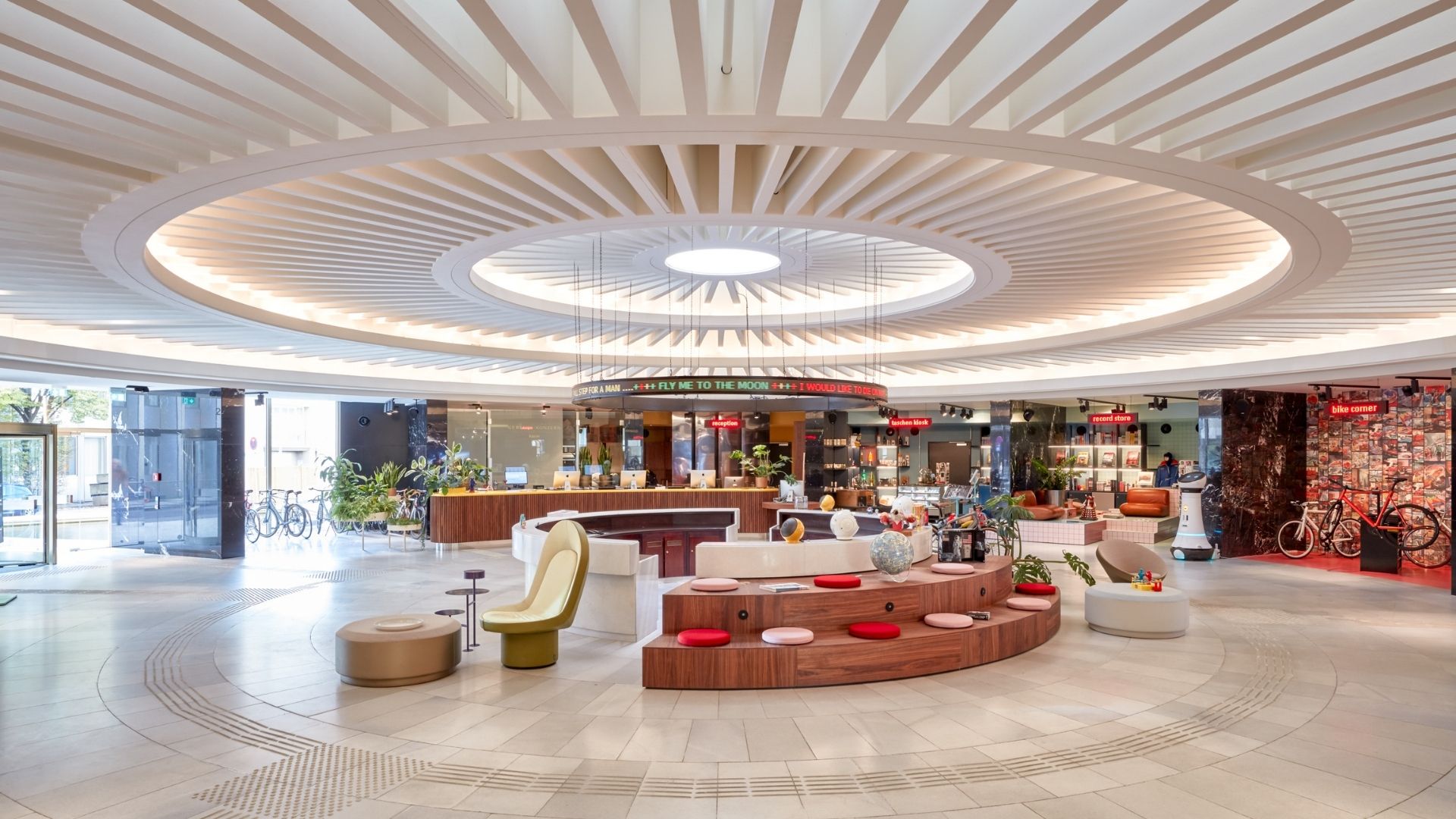
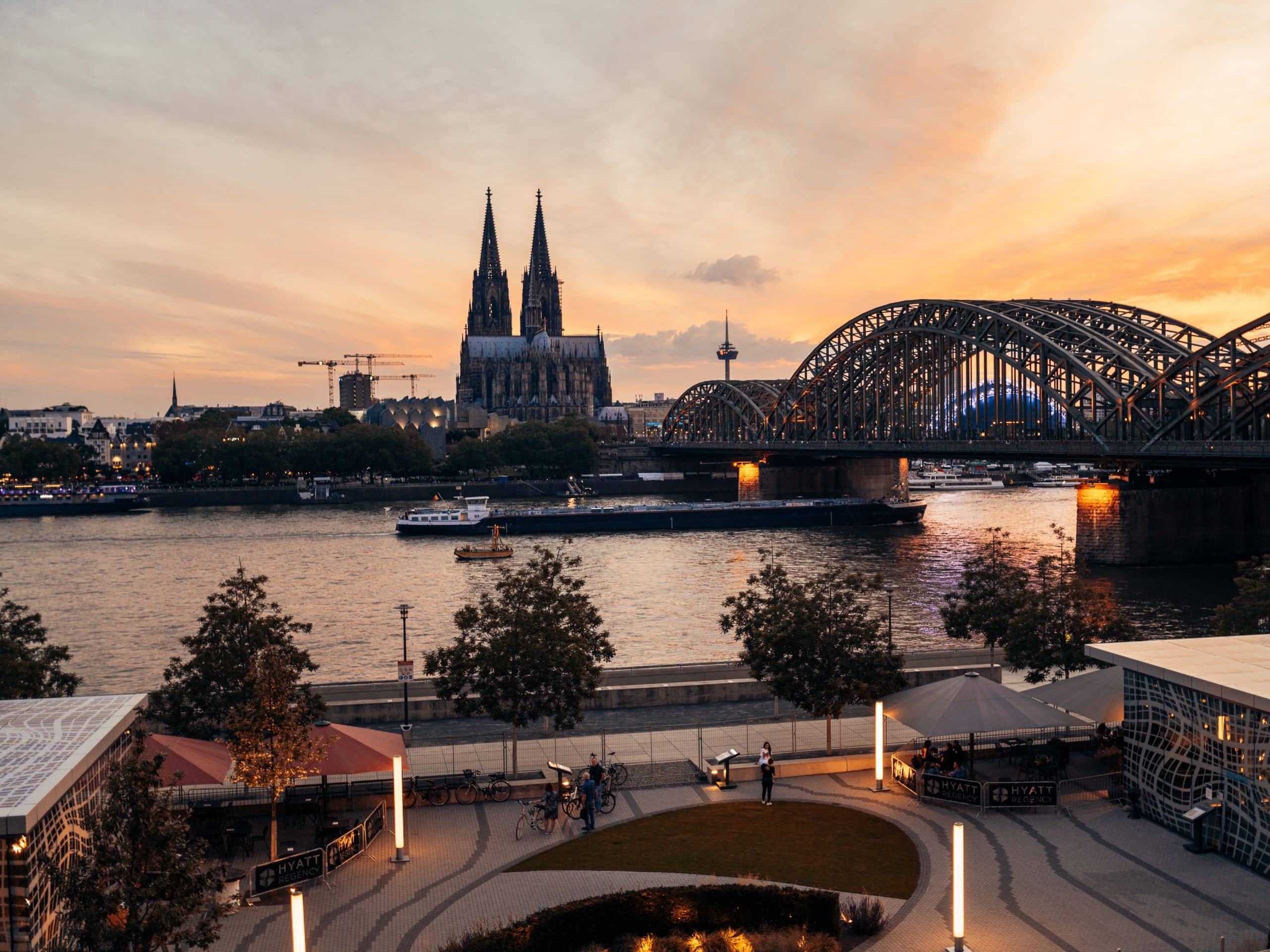
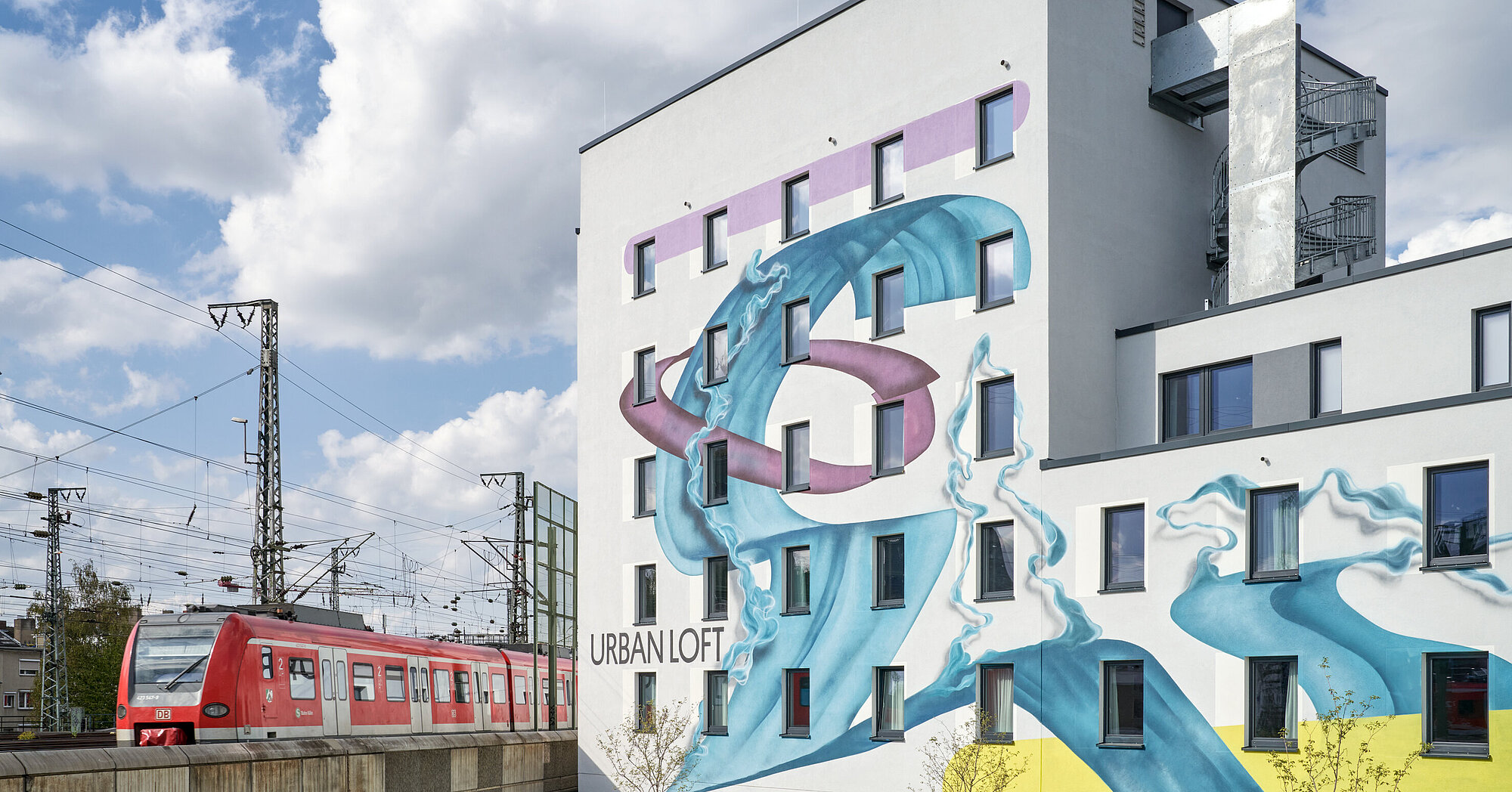
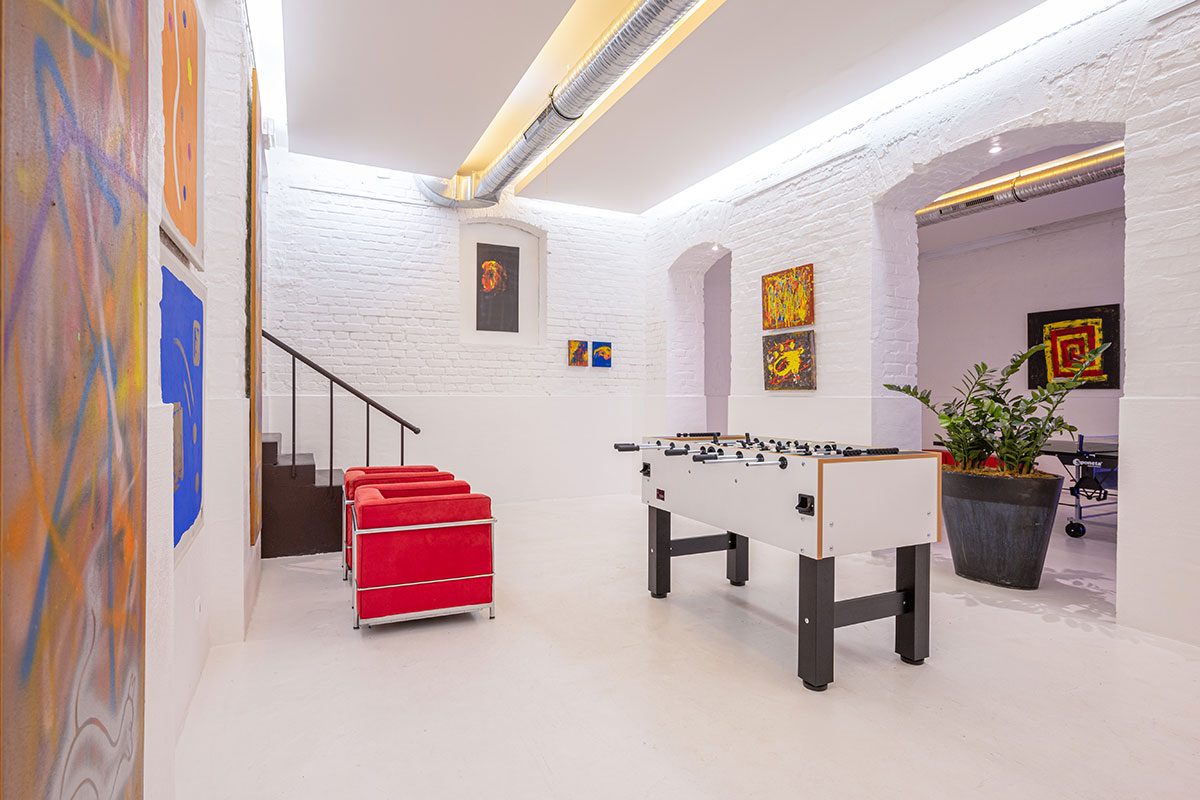
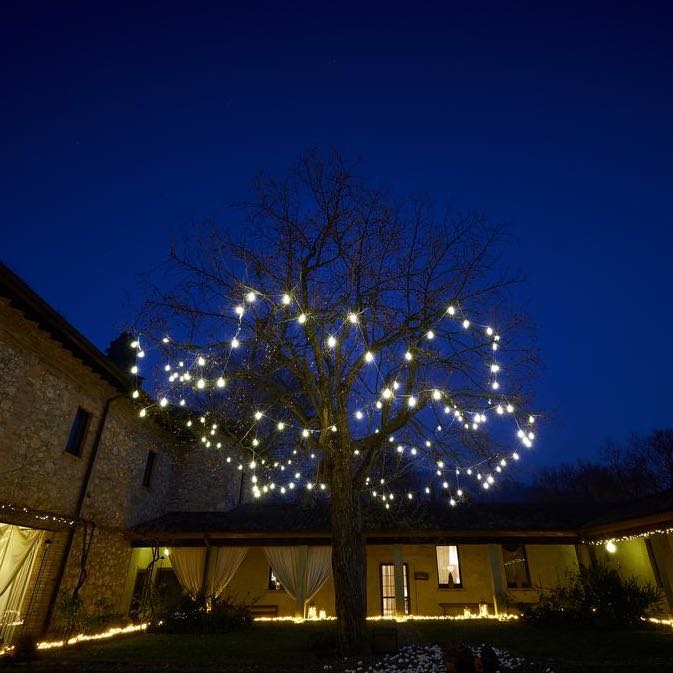
Where to Stay in Cologne
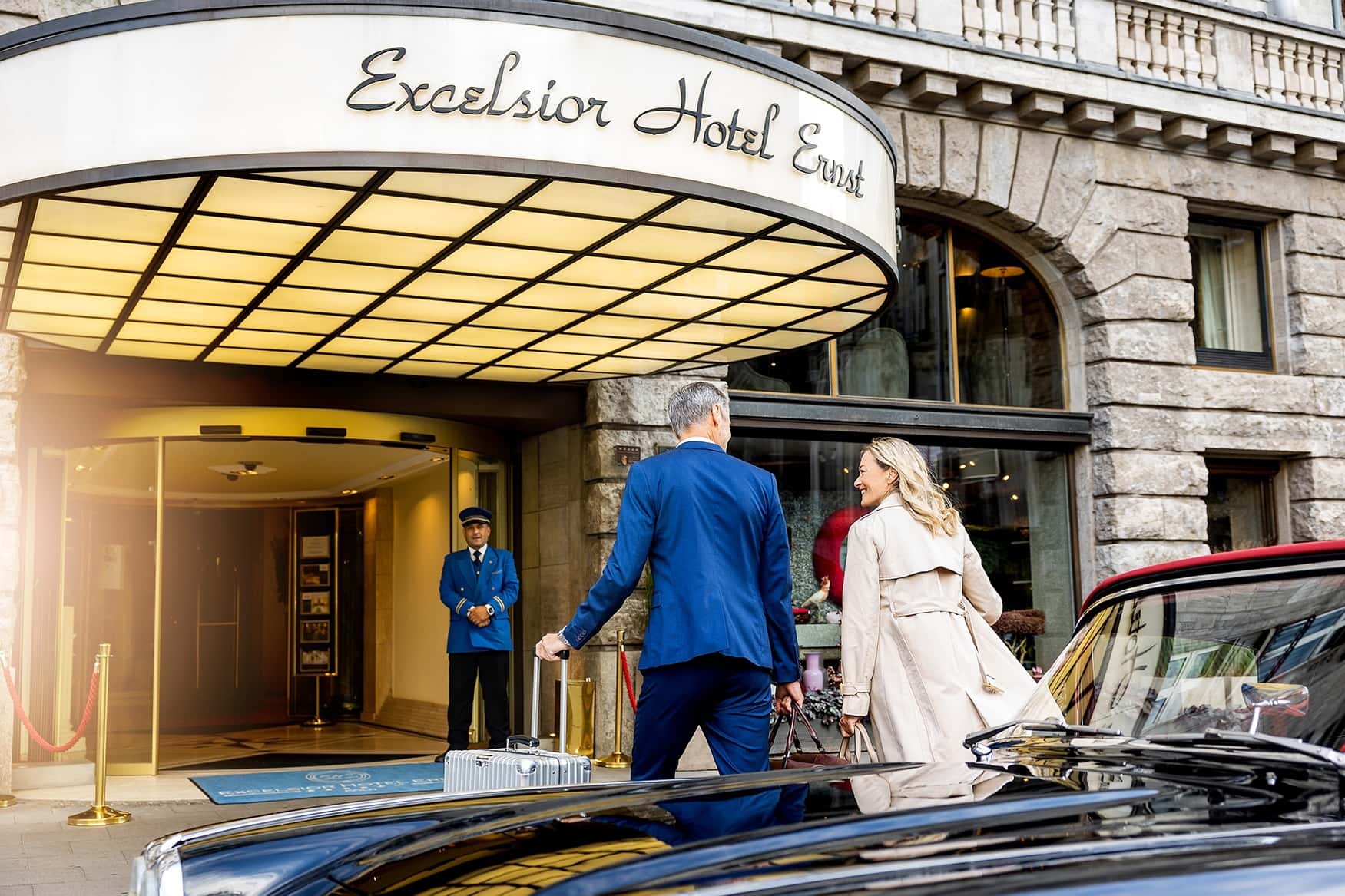
9 recommended properties
Things to Do in Cologne
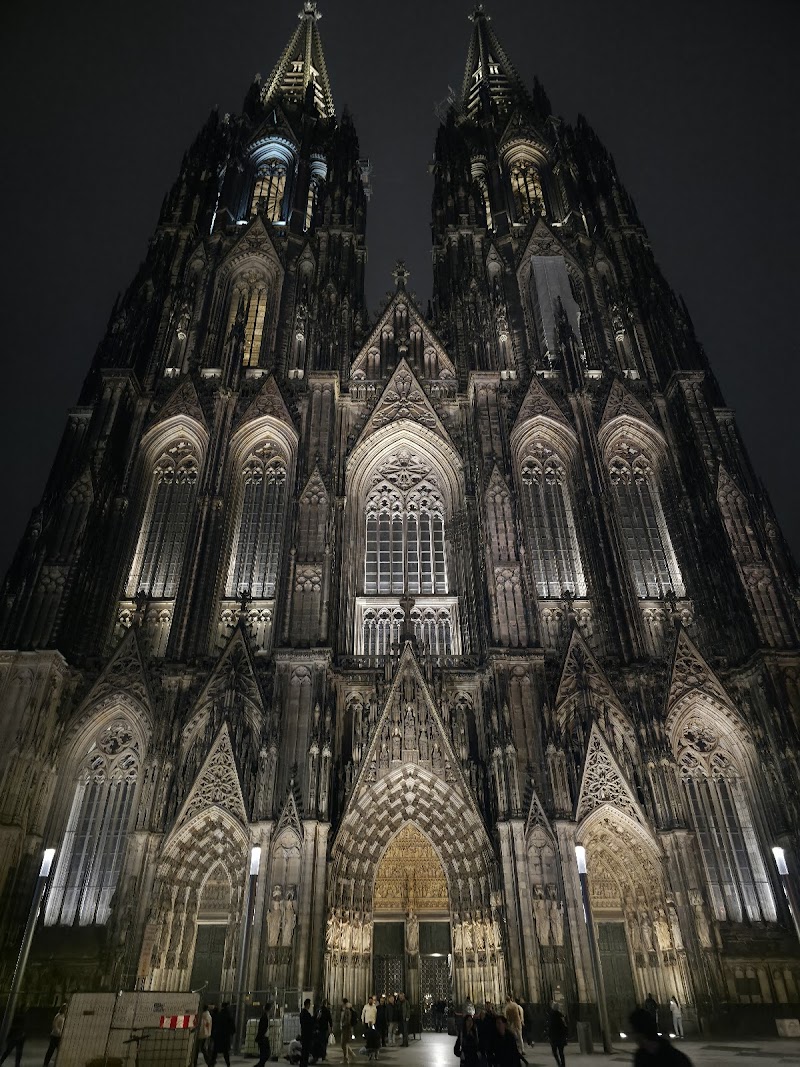
Cologne Cathedral
Altstadt-Nord · 75 min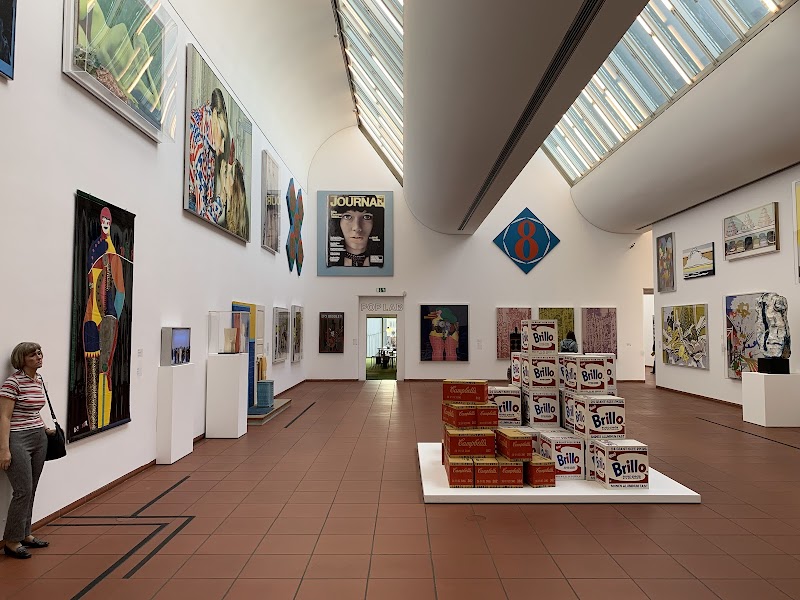
Museum Ludwig
Altstadt-Nord · 120 min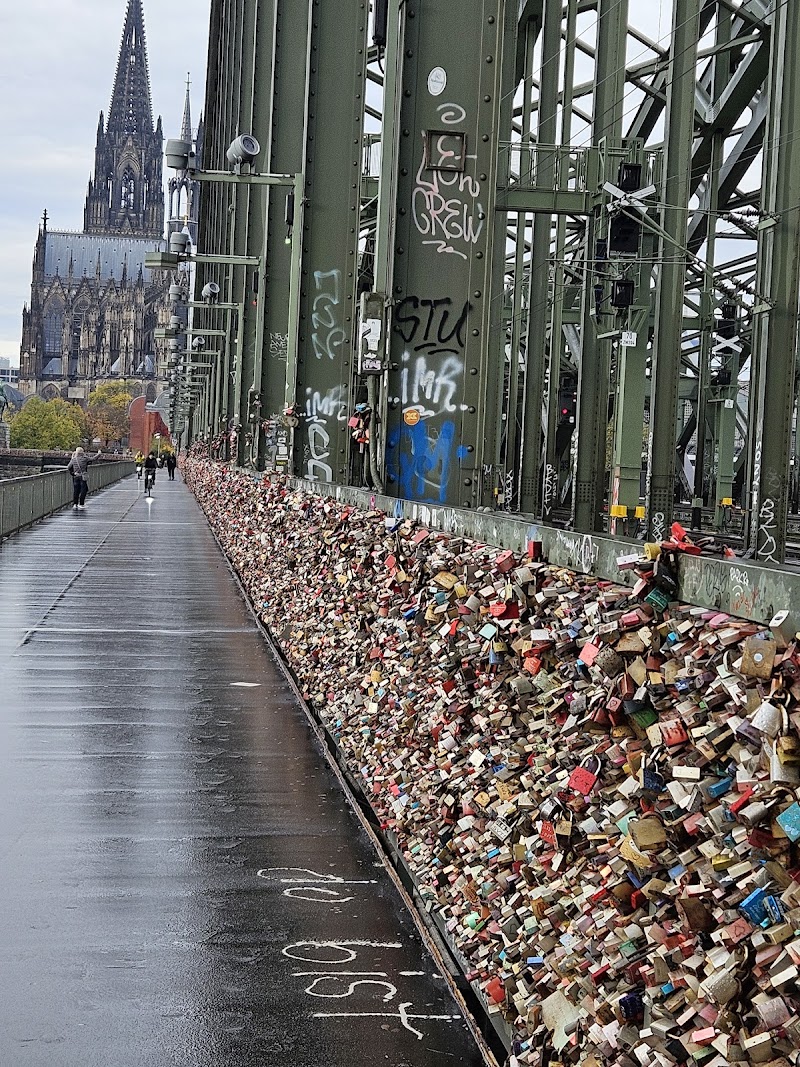
Hohenzollern Bridge
Altstadt-Nord · 30 minMoney-Saving Tips
- 1.Happy hour at most bars runs 5-7 PM with €3-4 drinks instead of €6-8
- 2.KVB day passes cost €8.80 but group tickets for 5 people cost only €12.40
- 3.Many museums offer free entry on first Thursday evenings of each month
- 4.Supermarket chains like Rewe and Edeka sell decent wine for €3-5 per bottle
- 5.Street food at Wilhelmsplatz costs half what restaurants charge for similar quality
- 6.Book Karneval hotels in September — prices triple if you wait until January
Travel Tips
- •Download the KVB app for real-time public transport updates and mobile tickets
- •Learn to say 'Halver Hahn' — it's not half a chicken but rye bread with cheese
- •The cathedral's towers require 533 steps but the view covers the entire Rhine Valley
- •Museums close on Mondays except Museum Ludwig which closes Tuesdays
- •Tipping 10% is standard but round up to nearest euro for small purchases
- •Cologne Card includes public transport and museum discounts for €9-19 depending on duration
- •Christmas market vendors only accept cash — ATMs get crowded during peak season
- •Book restaurant tables for Friday and Saturday nights, especially in Belgisches Viertel