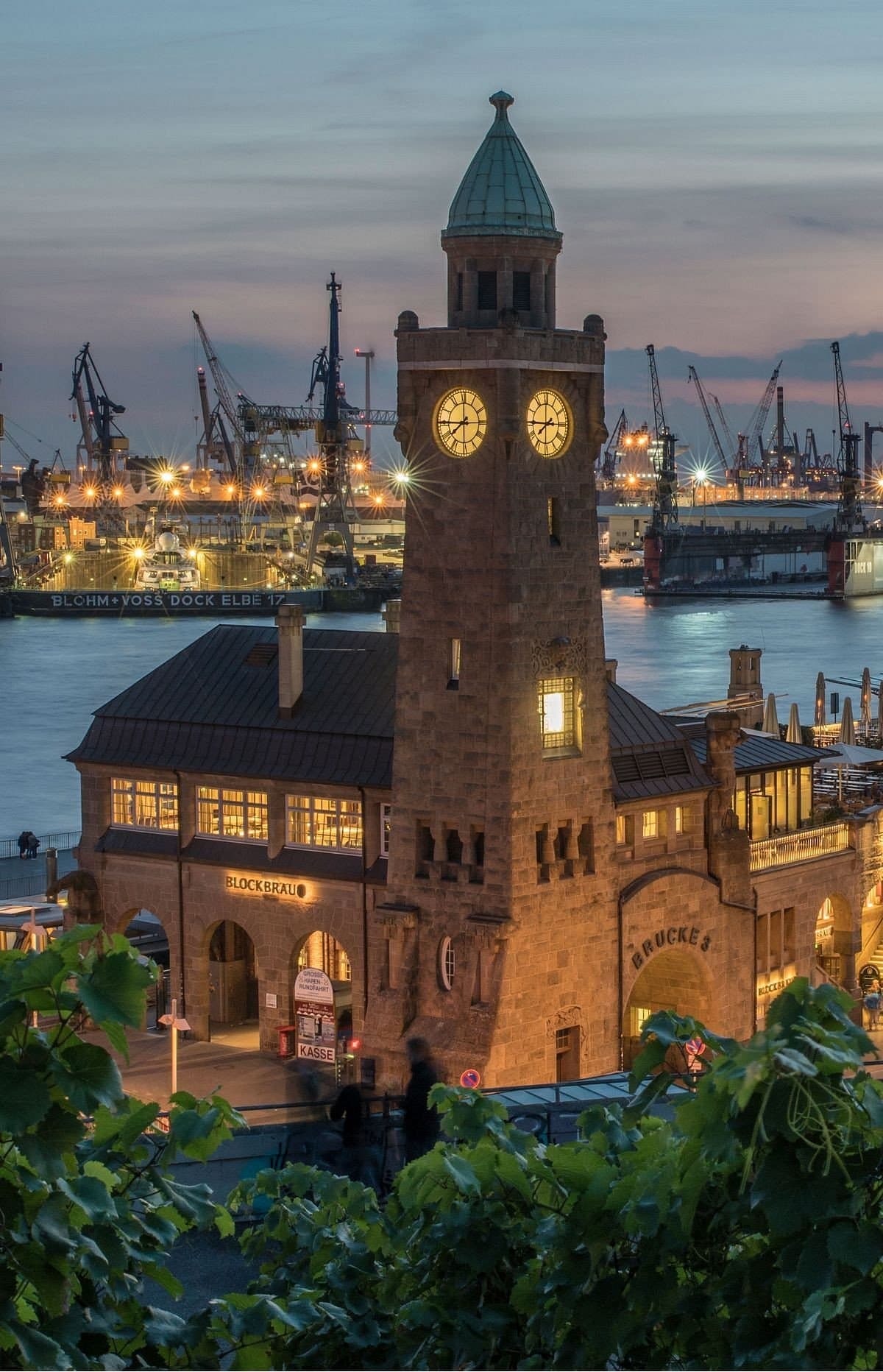
Hamburg
Germany's gateway to the world with canals and nightlife
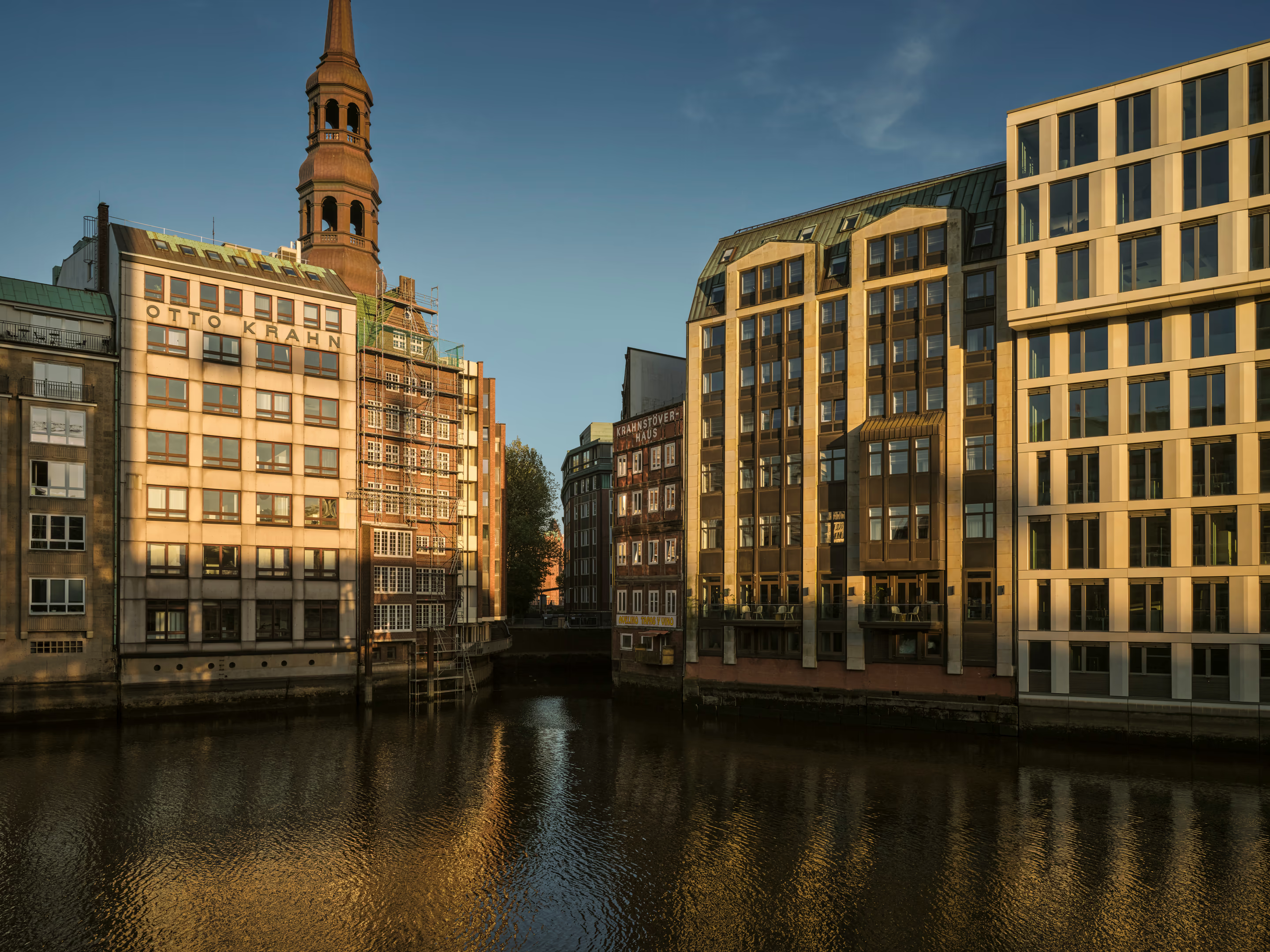
Hamburg doesn't try to impress you with fairy-tale castles or Alpine views. Instead, Germany's second-largest city wins you over with something more authentic: the gritty charm of a working port, canals that rival Amsterdam, and a nightlife scene that makes Berlin look sleepy. This is where sailors have been letting loose for centuries, and that energy still pulses through the Reeperbahn's neon-lit streets. But Hamburg's more than just its famous red-light district. The Speicherstadt warehouse complex holds UNESCO status, the HafenCity district showcases cutting-edge architecture, and the Elbe River connects this Hanseatic city to the world. You'll find art galleries in converted bunkers, Michelin-starred restaurants serving fresh North Sea catch, and coffee roasters who take their craft as seriously as any barista in Melbourne.
Best Months
MAY – SEP
~21°C · high crowds
Culture & Context
MERCHANT CITY, BRIDGE KINGDOM
Hamburg is Germany's second-largest city and its biggest port. It's been doing business with the world since the Hanseatic League days, and that outward-looking, merchant mindset still shapes how people behave here. Locals are famously reserved at first — not rude, just not warm in an immediate, chatty way.
Don't mistake the quiet for coldness. Once you're in, you're in. Here's the thing about Hamburg: it has more bridges than Venice, Amsterdam, and London combined, and that aquatic geography defines everything.
The city is tied to water, to trade, to the coming and going of ships. You feel it everywhere. The Speicherstadt warehouse district is a UNESCO World Heritage Site — those red-brick Neo-Gothic warehouses were literally sitting on oak pilings in the harbor canal for over a century.
St. Pauli and its Reeperbahn have a reputation as a red-light district, but it's also where the Beatles paid their dues in the early 1960s and where the city's genuine alternative culture has always lived. The tourist version of the Reeperbahn is loud and tacky.
But the neighborhood around it has layers worth exploring. Locals read their own press — check mopo.de (Hamburger Morgenpost) for a real sense of what's actually happening in the city day-to-day.
Local Customs
MOIN & DRY WIT
Say 'Moin' as a greeting at any time of day — morning, afternoon, evening. It works everywhere and locals genuinely appreciate it.. Hamburg humor is dry and often delivered deadpan.
Don't wait for a punchline — you may have already missed it.. Locals are reserved with strangers but not unfriendly. Give the interaction a beat before assuming someone is being cold..
Tipping is appreciated but not obligatory. Rounding up to the nearest euro or adding 10% is standard. Ostentatious American-style tipping can actually feel awkward here..
The Altonale Fischmarkt (fish market) starts at 5:00 a.m. on Sunday mornings.
Going at 5 a.m. gets you the full chaotic energy.
Showing up at 9:25 a.m. (it closes at 9:30) gets you steep discounts as vendors offload stock..
Schietwetter — the local word for Hamburg's miserable rainy weather — is practically a beloved institution. Complaining about it is a bonding ritual, not a complaint.. Don't call the Reeperbahn area 'the red light district' with too much hand-wringing to a local.
It's 'the Kiez' and it's part of the city's identity, not a shameful secret.. Queue behavior is serious. Don't cut lines at transit or attractions.
Safety
WATCH BAHNHOF PICKPOCKETS
Hamburg is generally a safe city but has real pockets worth knowing about. The area immediately around Hauptbahnhof (Central Station) can feel rough, especially at night — petty crime and homelessness are visible. Hundreds of people experiencing homelessness cluster around the main station.
The Reeperbahn is relatively safe for tourists focused on having a good time, but watch your pockets in the late-night crowd and avoid wandering into specific side alleys after midnight. Pickpockets operate in tourist-heavy areas like Speicherstadt and the Landungsbrücken waterfront. Standard city precautions apply: keep bags in front, don't flash expensive cameras alone on quiet streets late at night.
The Altonale Fischmarkt at 5:00 a.m. Sunday is completely fine — it's rowdy but good-natured.
Emergency number in Germany: 112 (fire/medical), 110 (police). Healthcare is excellent in Germany. EU citizens with an EHIC card get covered.
Non-EU visitors should have travel insurance. The Reeperbahn nightlife area is safer than its reputation suggests — it's more about excess than danger, and there's usually visible security presence on weekends.
Useful Phrases
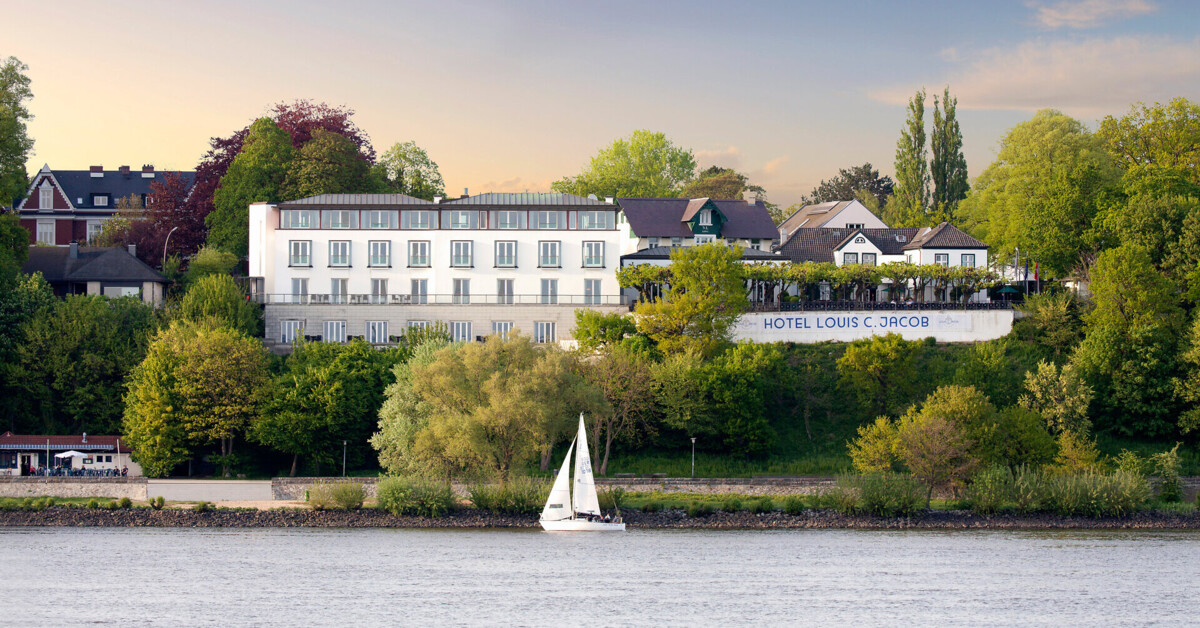
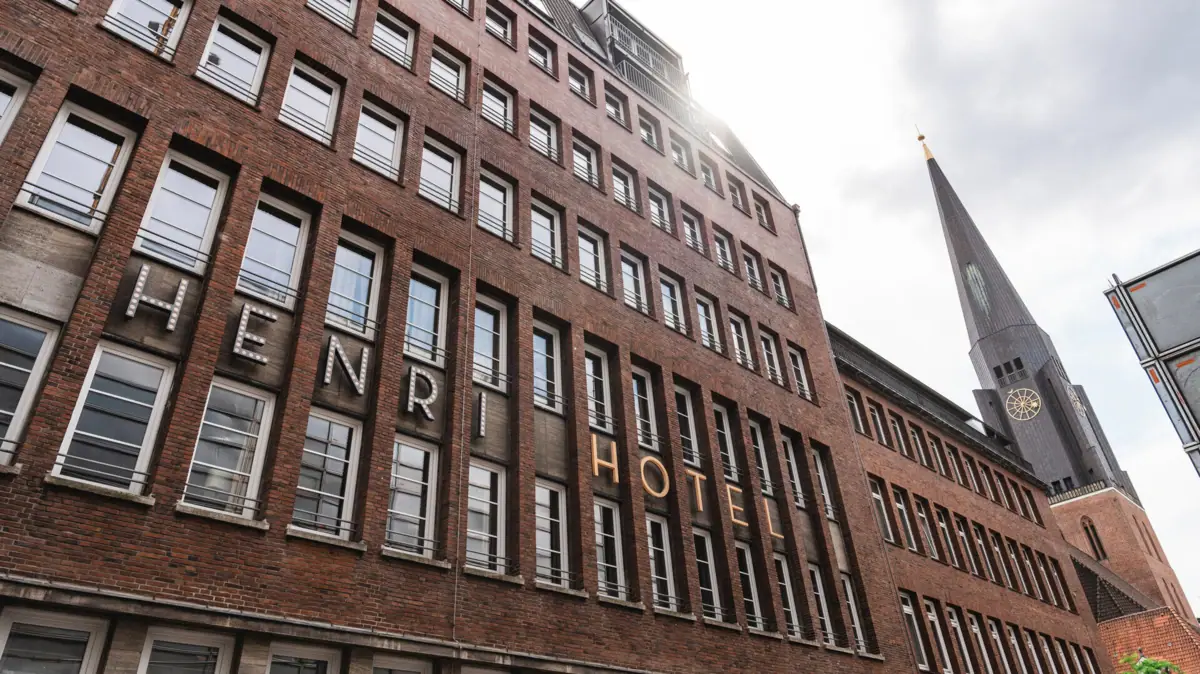
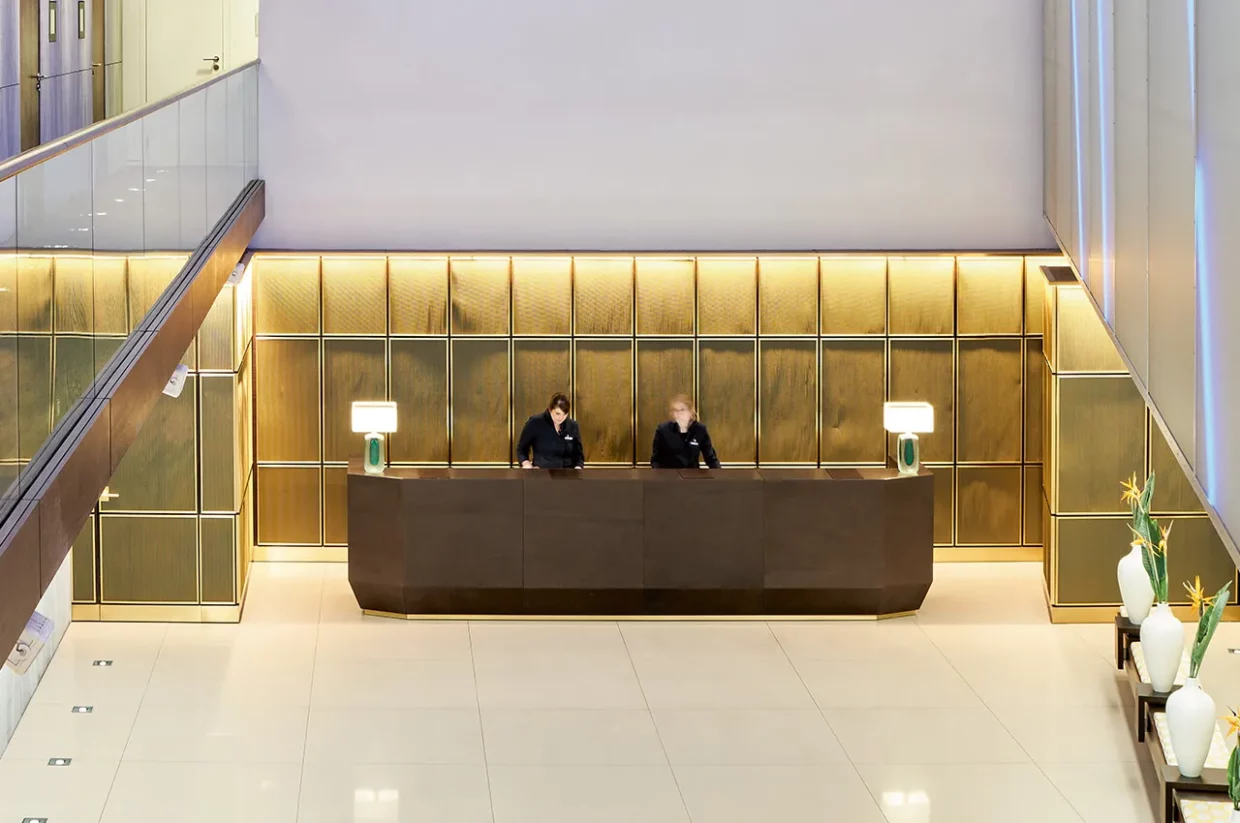
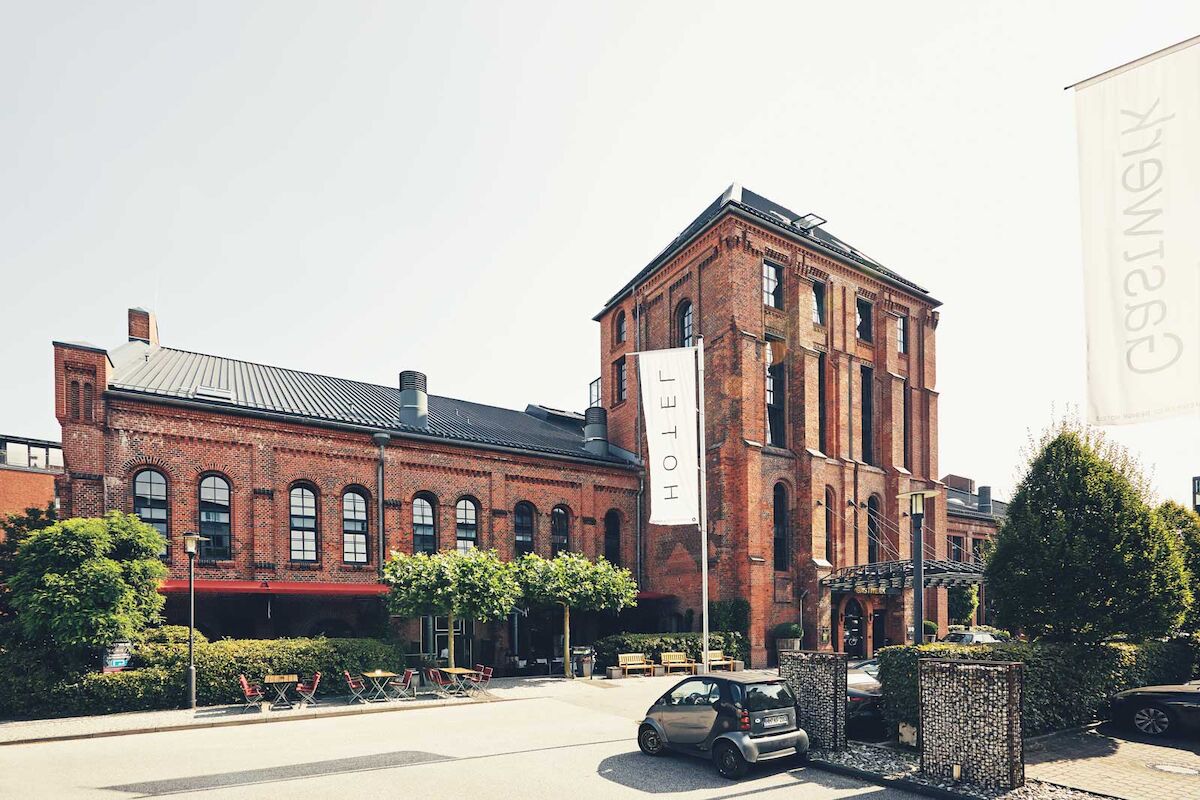
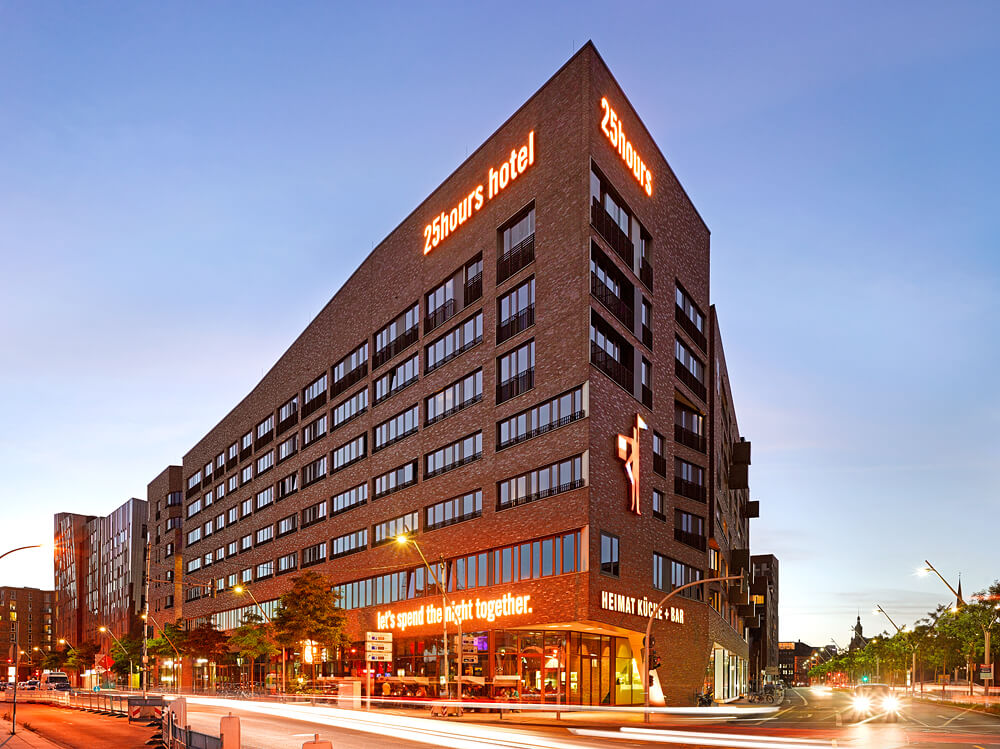
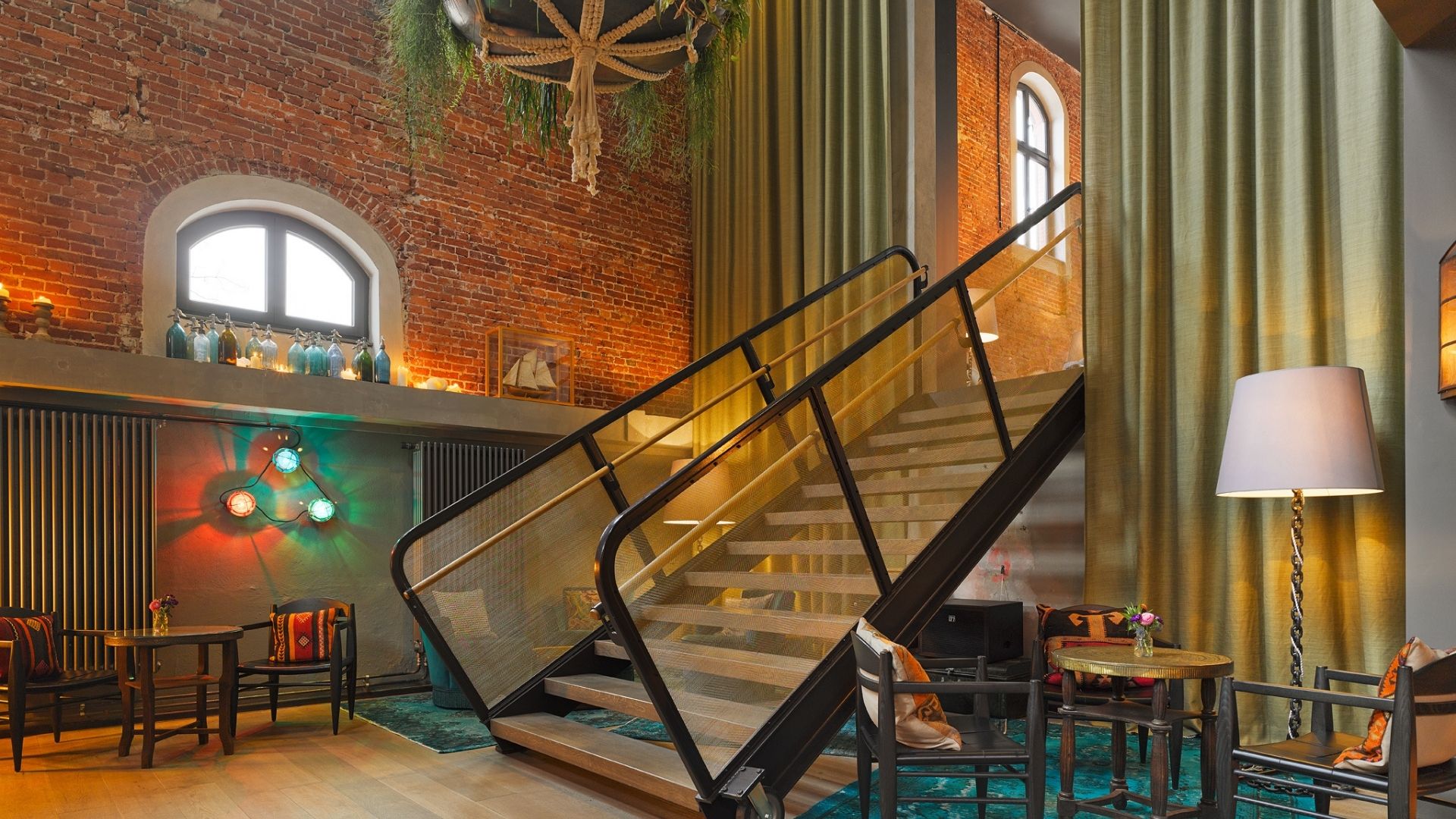
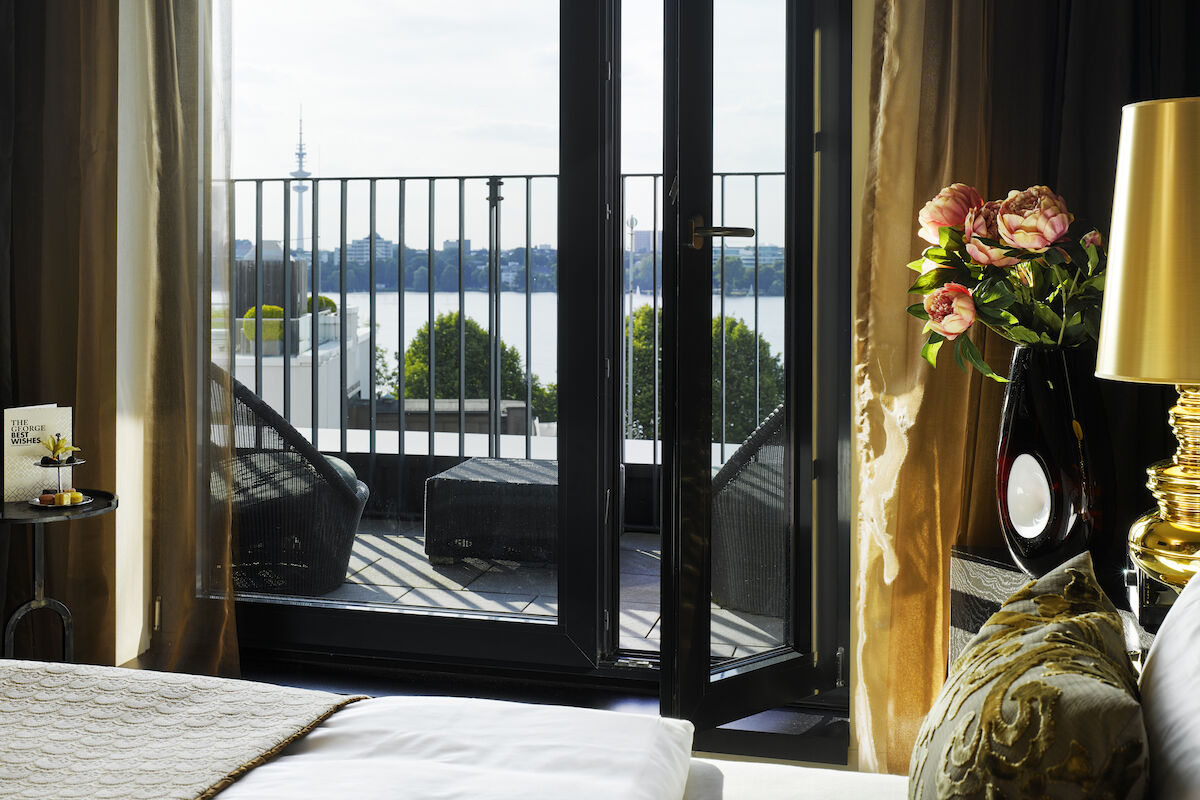
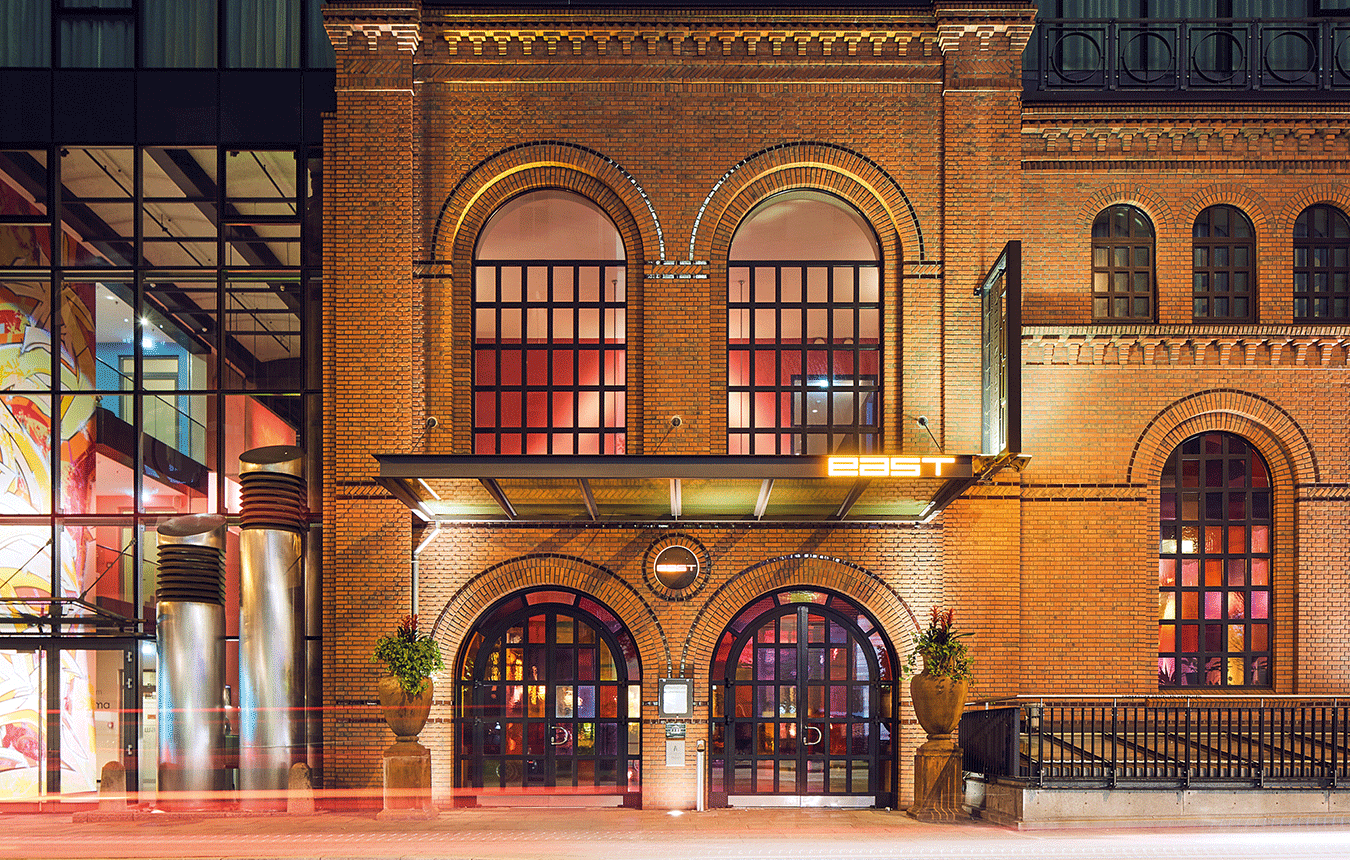
Where to Stay in Hamburg
9 recommended properties
Money-Saving Tips
- 1.Buy a Hamburg Card for €10.50 (1 day) or €25 (3 days) – includes public transport plus discounts at 150+ attractions and restaurants
- 2.Eat lunch at university cafeterias (Mensa) in St. Georg or Eimsbüttel – full meals for €3-5, no student ID required
- 3.Take harbor ferry Line 62 instead of expensive boat tours – same Elbe River views for the price of a bus ticket (€3.50)
- 4.Shop at Lidl or Aldi for groceries – 50% cheaper than tourist-area supermarkets, especially for beer and snacks
- 5.Visit museums on Thursday evenings when many offer reduced admission or free entry after 6pm
- 6.Book restaurants through OpenTable or Resy for lunch instead of dinner – same menu, 30-40% lower prices
- 7.Stay in Altona or Eimsbüttel neighborhoods – 20 minutes from city center but hotel rates drop significantly
- 8.Download the HVV app for public transport – mobile tickets cost €0.10 less than paper ones and you avoid ticket machine lines
Travel Tips
- •Learn basic German greetings – Hamburg locals appreciate the effort more than other German cities
- •Carry cash – many restaurants, bars, and small shops still don't accept cards, especially in St. Pauli
- •Book Elbphilharmonie concert tickets months ahead – this architectural marvel sells out quickly for popular performances
- •Dress in layers – North Sea weather changes fast, and you'll want options for both indoor venues and waterfront walks
- •Respect the Reeperbahn's boundaries – photography restrictions apply in certain areas, and locals take privacy seriously
- •Try the fish sandwich (Fischbrötchen) from harbor stands – fresh, cheap, and authentically Hamburg
- •Use the StadtRAD bike-sharing system for short trips – first 30 minutes free, perfect for exploring the Speicherstadt
- •Download offline maps – cell service can be spotty in some underground U-Bahn stations and older buildings
- •Pack an umbrella – Hamburg gets 200+ rainy days per year, so be prepared regardless of season
- •Book Sunday brunch early – popular spots in Schanzenviertel and St. Georg fill up fast on weekends