SUBREGION GUIDE
Dordogne
Medieval castles crown France's gastronomic heartland
The Dordogne isn't just another pretty French region. This is where medieval history meets world-class gastronomy, where 1,000 castles dot rolling hills and prehistoric caves hide 17,000-year-old art. The locals call it Périgord, and they guard its secrets fiercely. But here's the thing — once you taste the duck confit at a village bistro or float down the Dordogne River past cliff-top châteaux, you'll understand why this corner of southwestern France captures hearts like nowhere else. The region spans four distinct areas, each with its own personality, from the truffle-rich Périgord Noir around Sarlat to the limestone cliffs of Périgord Blanc near Périgueux.
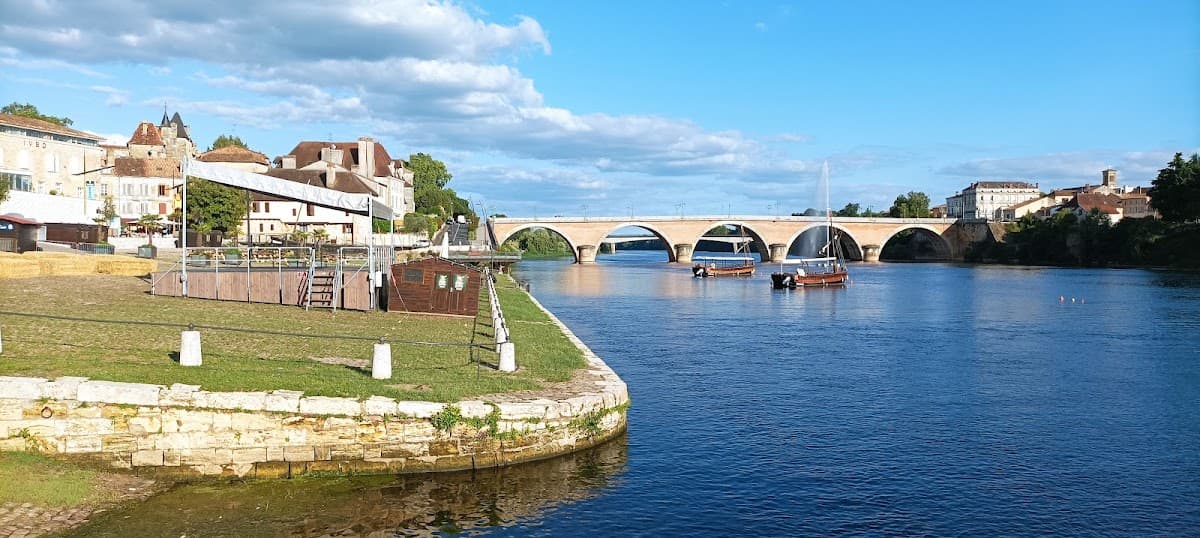
The Dordogne sprawls across 9,000 square kilometers of southwestern France, roughly two hours east of Bordeaux. The region takes its name from the Dordogne River, which carves through limestone cliffs and medieval towns like a liquid timeline. But locals know it by its historic name: Périgord, divided into four color-coded zones. Périgord Noir (Black Périgord) around Sarlat gets the name from its dark oak forests and concentration of prehistoric sites. Périgord Blanc (White Périgord) centers on Périgueux with its pale limestone architecture. Périgord Vert (Green Périgord) up north stays lush year-round, while Périgord Pourpre (Purple Périgord) around Bergerac celebrates its wine heritage. The landscape shifts from gentle hills dotted with sunflower fields to dramatic river valleys carved deep into limestone. Over 1,000 châteaux crown hilltops and guard river bends — more castles per square kilometer than anywhere else in France. And beneath your feet? Some of the world's most important prehistoric art, hidden in caves that stayed sealed for millennia.
Money-Saving Tips
- 1.Visit in shoulder seasons (April-May or September-October) for 30-40% lower accommodation rates
- 2.Shop at local markets instead of tourist restaurants - a picnic with regional specialties costs €15 vs €40 for restaurant meals
- 3.Many châteaux offer combination tickets - the Sarlat area pass covers 5 castles for €35 instead of €60 individually
- 4.Free parking exists in most villages - just walk 5 minutes from the center instead of paying €2/hour
- 5.Wednesday markets in smaller towns like Domme offer the same products as Sarlat's famous Saturday market at lower prices
- 6.Book gîtes (vacation rentals) for stays over 3 days - they cost less than hotels and include kitchens for self-catering
Travel Tips
- •Download offline maps before exploring - cell service drops out in rural valleys and forest areas
- •Bring cash for markets and small restaurants - many don't accept cards, especially for purchases under €20
- •Book restaurant reservations 2-3 days ahead in summer, especially in Sarlat and Beynac
- •Pack comfortable walking shoes with good grip - medieval streets are cobblestone and can be slippery when wet
- •Learn basic French greetings - locals appreciate the effort, especially in smaller villages where English is rare
- •Visit châteaux early morning or late afternoon to avoid tour groups and harsh midday light for photos
- •Carry a reusable water bottle - public fountains exist in most town squares and château grounds
- •Check château opening hours before visiting - many close on Mondays or have reduced winter schedules
Frequently Asked Questions
Plan at least 4-5 days to see the highlights without rushing. A week lets you explore smaller villages, take river trips, and really savor the food scene. Most visitors base themselves in Sarlat and take day trips, but consider splitting time between Sarlat and Périgueux to see different sides of the region.