Bordeaux
World capital of wine with elegant French architecture
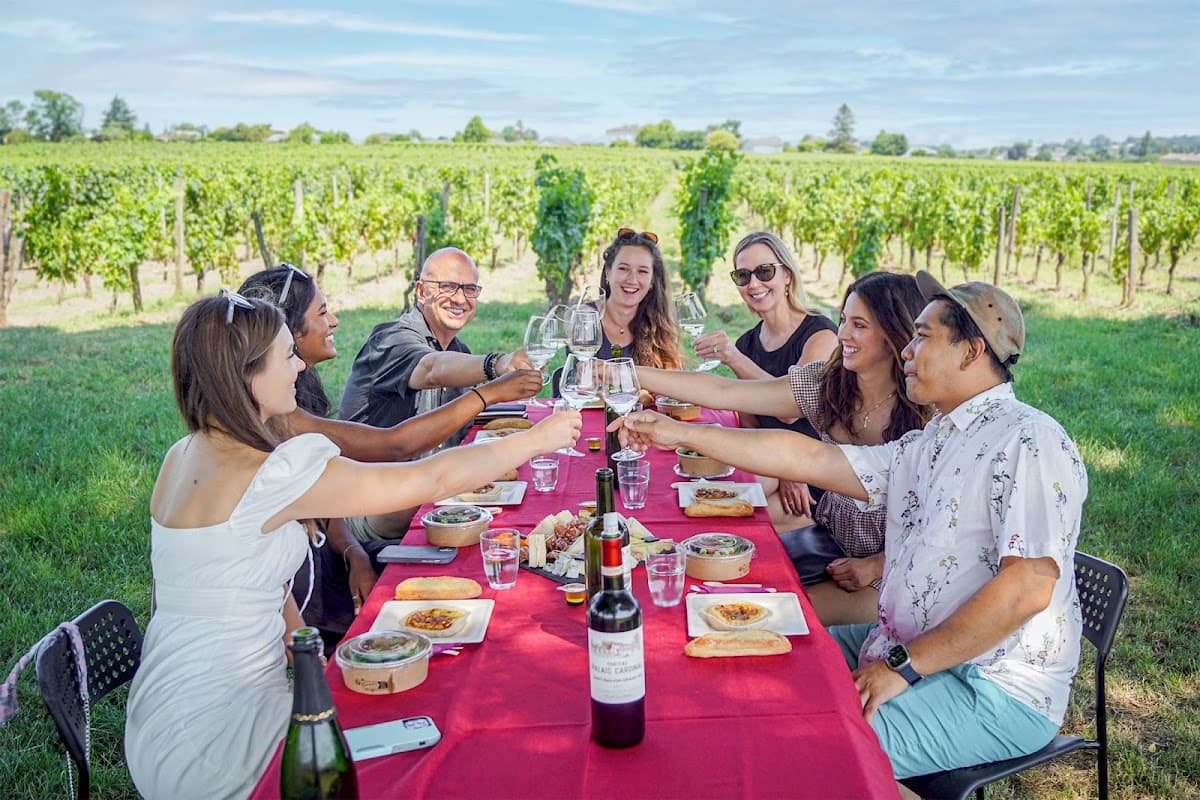
Bordeaux isn't just about wine—though the wine is extraordinary. This elegant French city along the Garonne River serves up 18th-century limestone architecture that'll make your Instagram followers weep with envy, plus a food scene that rivals Paris without the attitude. The UNESCO-listed city center feels like a living museum, but one where you can actually afford dinner. And yes, you'll drink some of the world's best wine straight from the source, but you'll also stumble upon contemporary art galleries, riverside markets, and cafés where locals argue about football over morning coffee.
Best Months
APR – OCT
~23°C · moderate crowds
Culture & Context
SLEEPING BEAUTY AWAKENED
Bordeaux is France's wine capital, a UNESCO World Heritage city, and home to one of the country's largest universities. It carries serious weight as a historic port town. Ships loaded with wine, flour, and silk sailed out of here for centuries.
The 18th-century stone architecture along the Garonne is genuinely magnificent without being overdone. But here's the thing: Bordeaux spent decades being dismissed as stuffy and slow, earning the nickname "la belle endormie" (the sleeping beauty). That reputation is long gone.
The city has quietly become one of France's most liveable, with a proper food and nightlife scene that doesn't revolve entirely around grand cru wines. It's also a serious student city, which keeps things cheap and energetic in neighborhoods like Saint-Michel and around Place de la Victoire. The Bordelais themselves can read as reserved at first.
They run on their own schedule (the "Bordeaux quarter-hour" of being late is a real local joke) and they have strong opinions about things like whether your pastry should be called a chocolatine or a pain au chocolat. It's always a chocolatine here. Don't argue.
Local Customs
CHOCOLATINE, NOT PAIN
Call it a chocolatine, never a pain au chocolat. This is non-negotiable and will earn you immediate goodwill at any boulangerie.. Punctuality is loose.
If someone says 'à tout à l'heure' (see you in a bit), budget in the 'Bordeaux quarter-hour' of extra time. Being 15 minutes late is completely normal socially.. Apéro culture is serious business.
A pre-dinner drink (usually wine, obviously) is not optional in social settings. Show up to a dinner party and you'll start with wine and snacks for at least an hour before anyone mentions food.. Rugby is the sport here, not football.
UBB (Union Bordeaux Bègles) matches are a local institution. Ask a Bordelais about rugby and you've got a friend for the evening.. The Marché des Capucins in Saint-Michel opens early and locals take it seriously.
Show up after 11am on a Sunday and the best oysters are already gone.. Validate your tram ticket every single time you board, even if you've already validated once that hour. Inspectors do check, and the fine is not worth the hassle..
Sundays are genuinely quiet. Many smaller restaurants and shops close completely. Plan ahead, especially if you're hoping to eat somewhere specific.
Safety
WATCH THE CROWDS
Bordeaux is genuinely safe for tourists. Violent crime against visitors is rare. The main issues are pickpockets and petty theft, concentrated around the Gare Saint-Jean train station, Marché des Capucins, and on crowded trams. Keep bags closed and don't leave phones on cafe tables. The Gare Saint-Jean area can feel rough after dark and is worth avoiding late at night unless you're heading to a train. The areas around Quartier Saint-Michel and near Quinconces after midnight are also better navigated carefully.
The historic center (within the UNESCO perimeter) is safe at all hours and where you'll be spending most of your time anyway. Solo female travelers generally report feeling comfortable here, particularly in the center. Standard common-sense precautions apply: don't walk alone in unlit streets late at night, don't leave drinks unattended.
Armed military and police patrol major landmarks, train stations, and airports, which is a standard security measure across France and deters opportunistic crime nearby.
Emergency number: 112.
Getting Around
TRAMS & TICKETS
The TBM network (Transports Bordeaux Métropole) runs four tram lines (A, B, C, D) covering 134 stations across 77km. It's the most extensive tram network in France outside Paris. Trams run from 5am to midnight. A single ticket costs €1.80 and gives you one hour of unlimited travel including transfers between tram, bus, and the river shuttle. The 24-hour pass is €5.20, the 7-day pass €14.40. Buy tickets at machines at every tram stop (multilingual, accepts cards) or via the TBM app.
Line A goes directly to Bordeaux-Mérignac Airport in about 45 minutes from the city center. Line B serves the Cité du Vin and the university. Line C connects Gare Saint-Jean (the main train station) to the Grand Théâtre.
Le Bato (previously BatCub) is a hybrid electric river shuttle that crosses the Garonne between Bordeaux, Bègles, and Lormont. It's included in your standard TBM ticket and is a genuinely pleasant way to cross the river. Check frequency before relying on it since it runs less often than the trams.
Le Vélo (TBM's bike-share) has 170 stations and 2,000 bikes including 1,000 electric. Non-subscribers pay €1 to unlock a regular bike, €2 for electric, then €0.10/minute after a free 30-minute initial period. The city center is flat and genuinely easy to cycle.
One important practical note: validate your ticket on board every time. Inspectors do check. Also, trams get very crowded during peak hours and around major events. Keep bags closed and be aware of your surroundings on packed carriages.
Useful Phrases
Bordeaux Itineraries
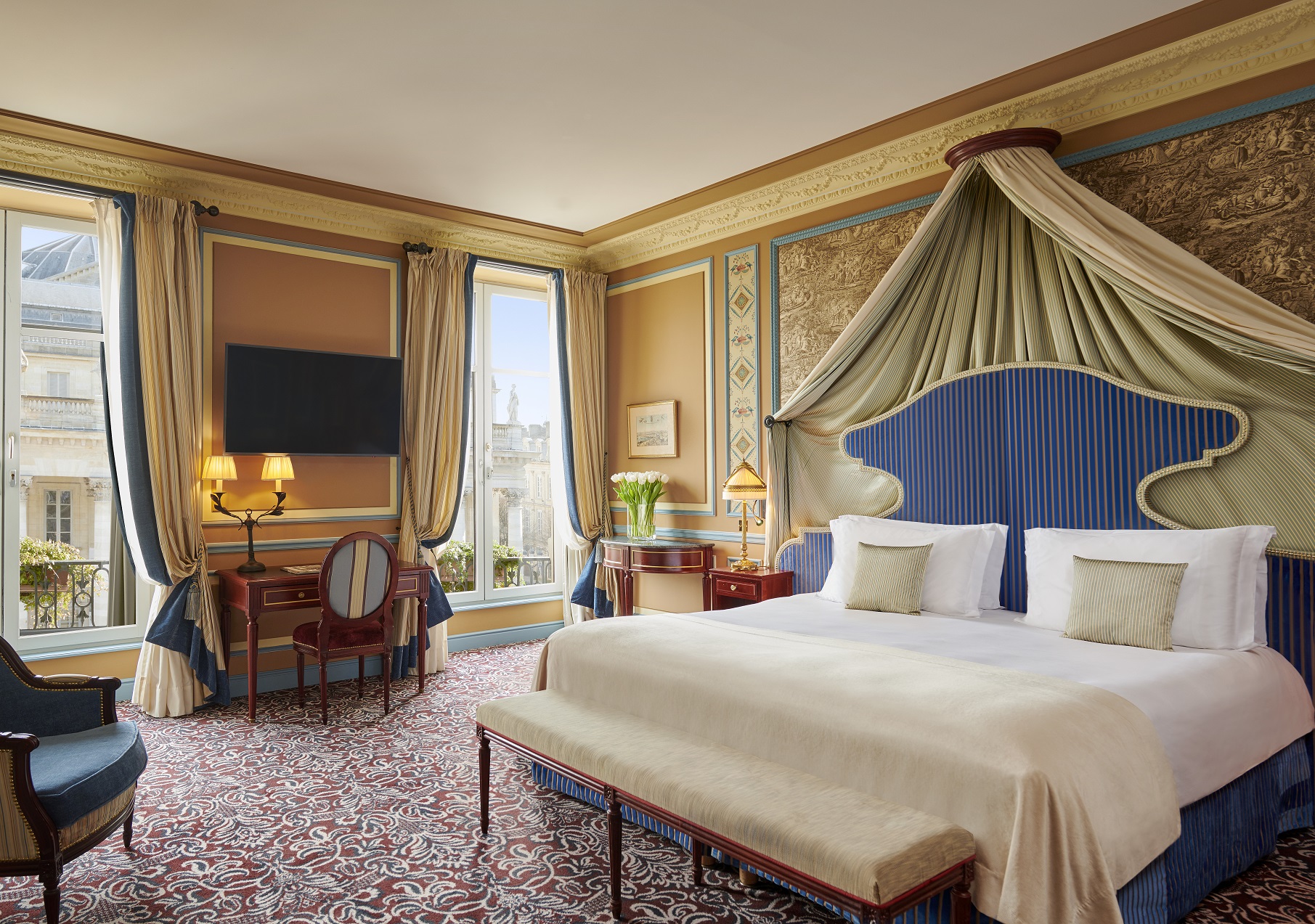
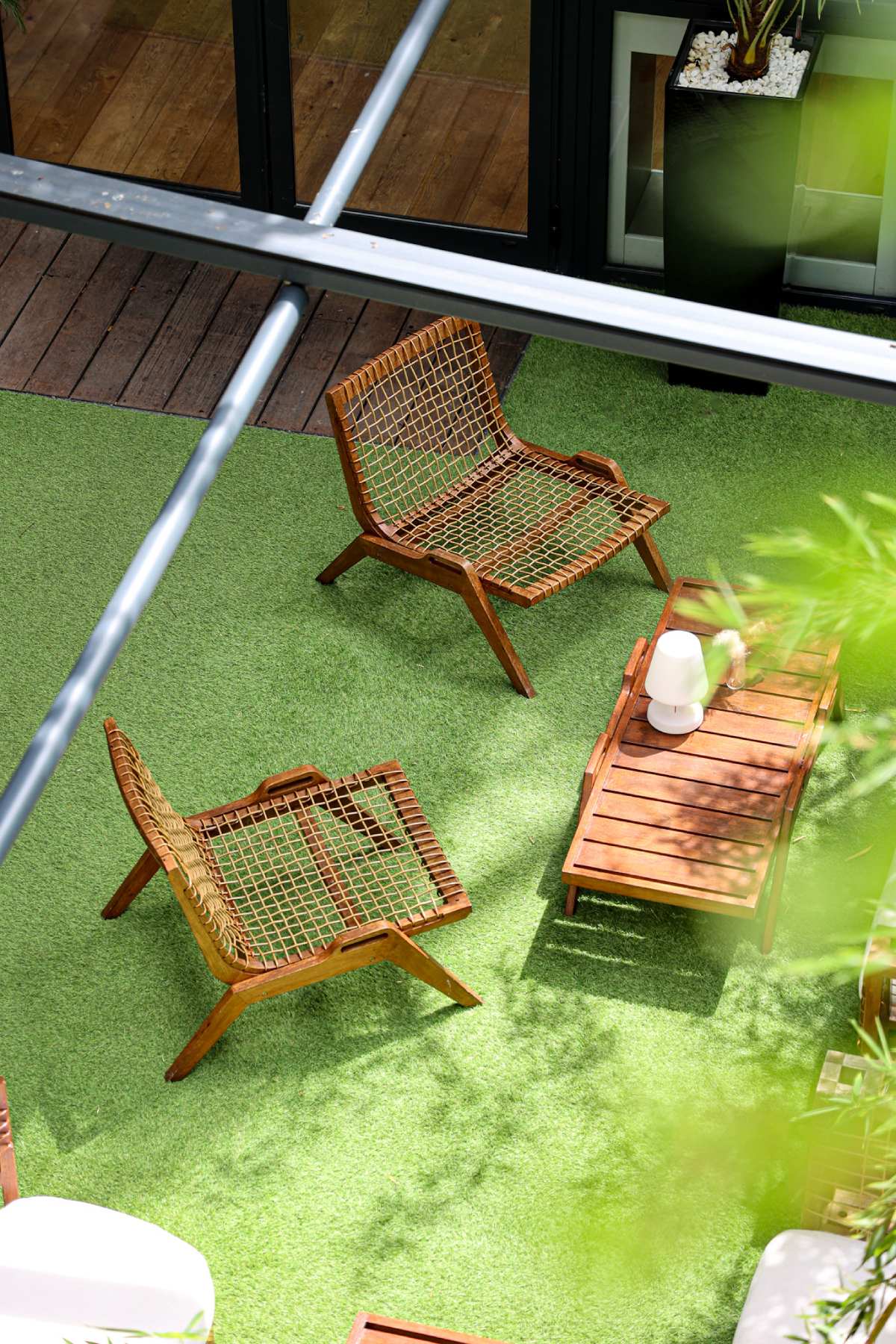
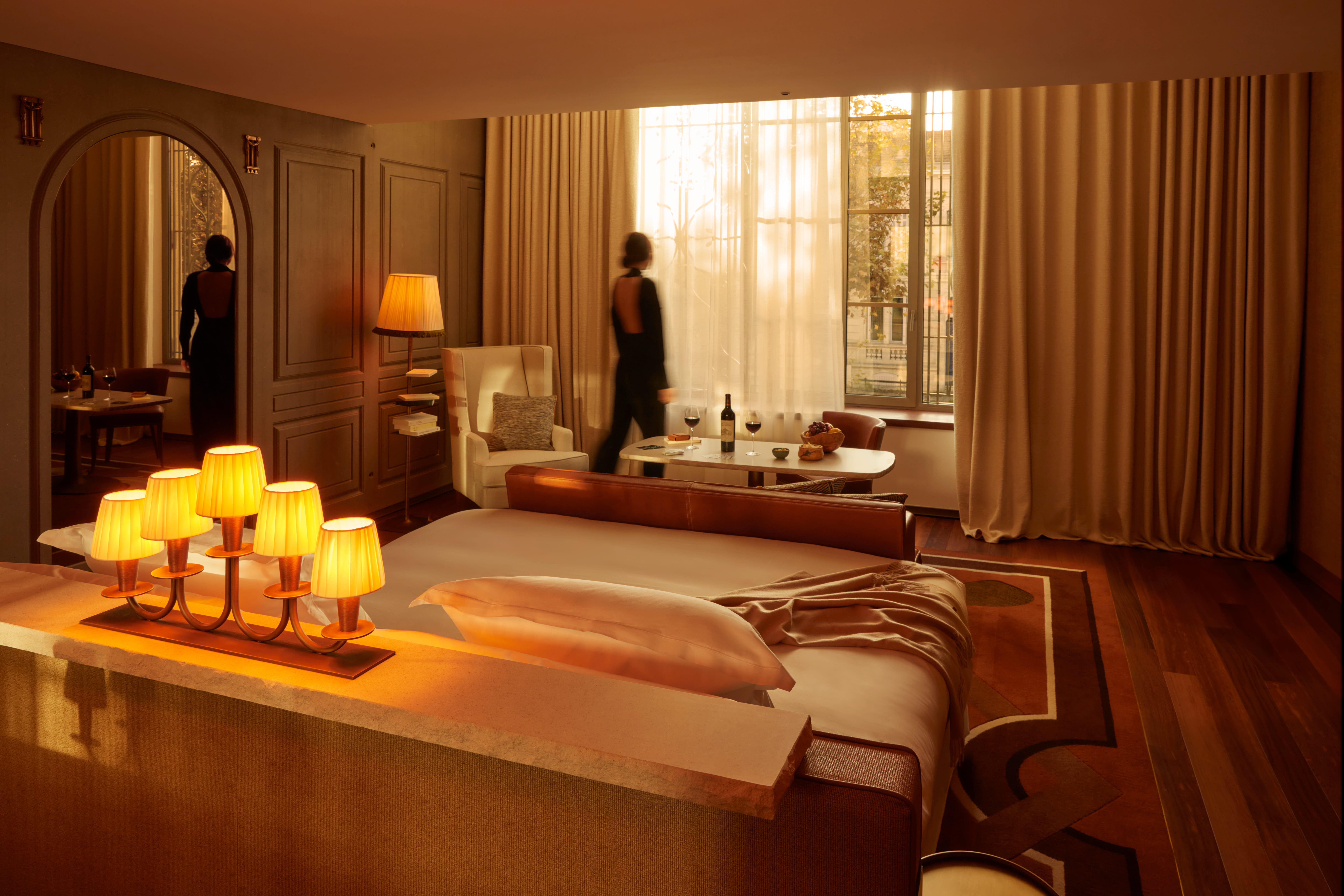
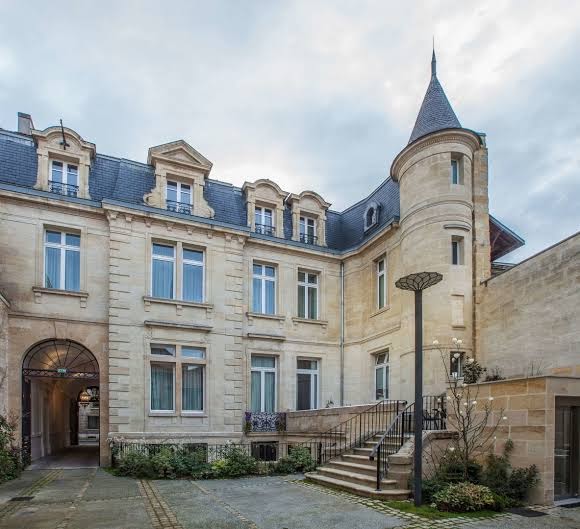
Where to Stay in Bordeaux
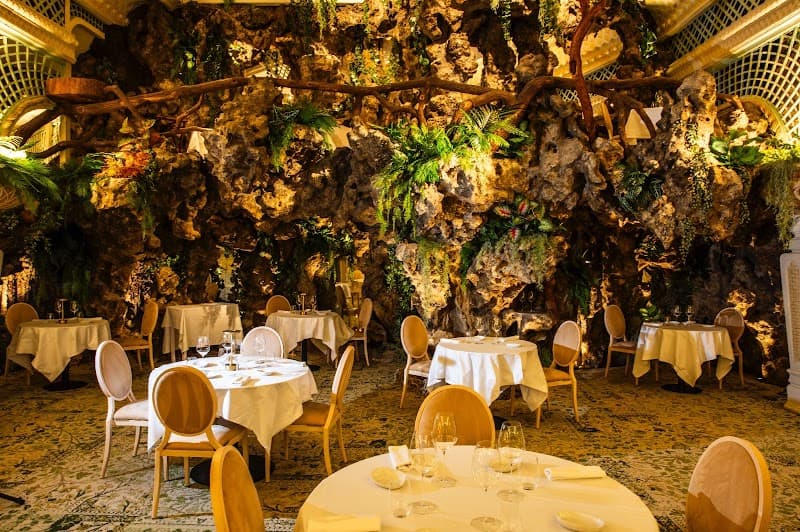
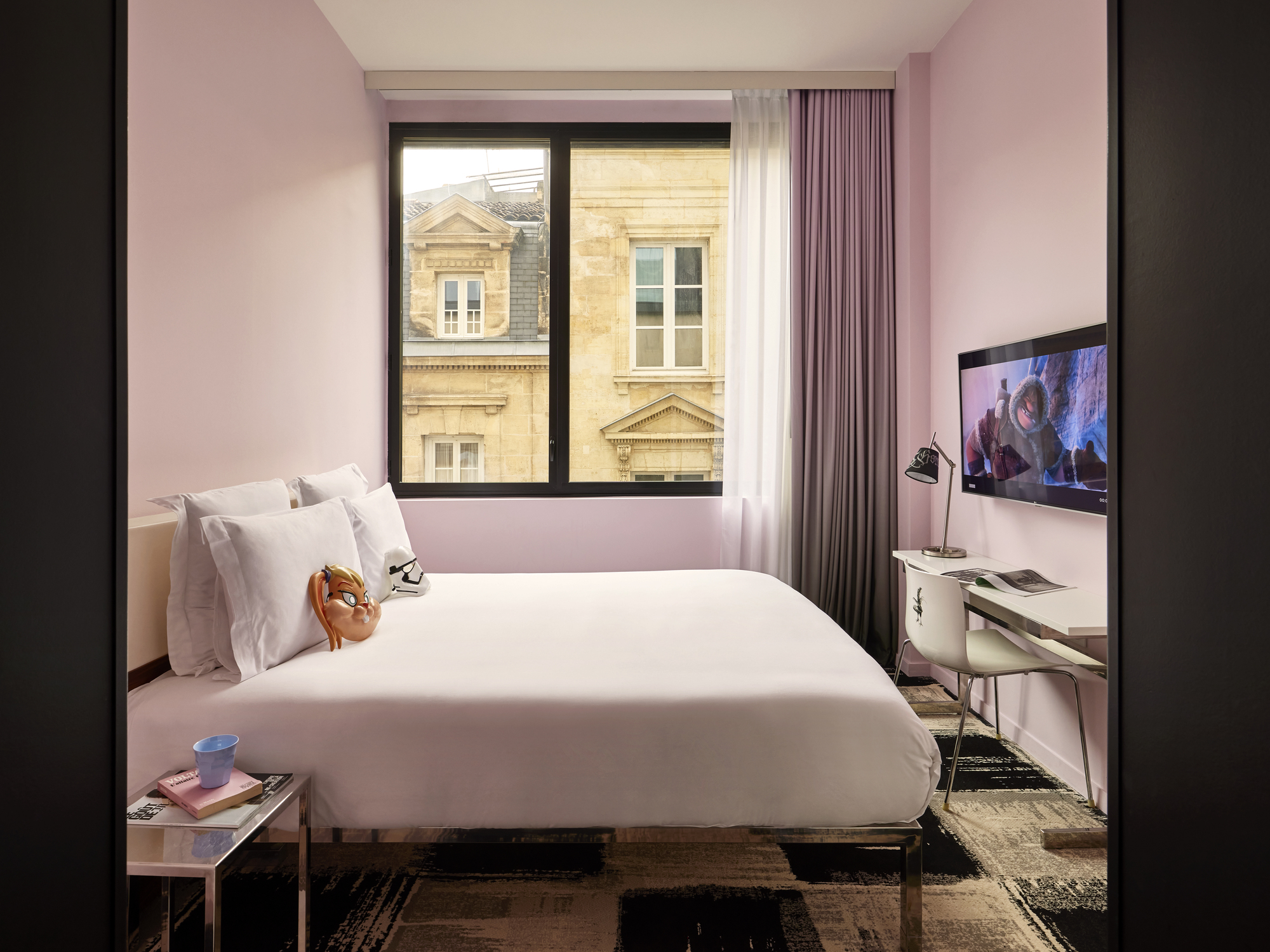
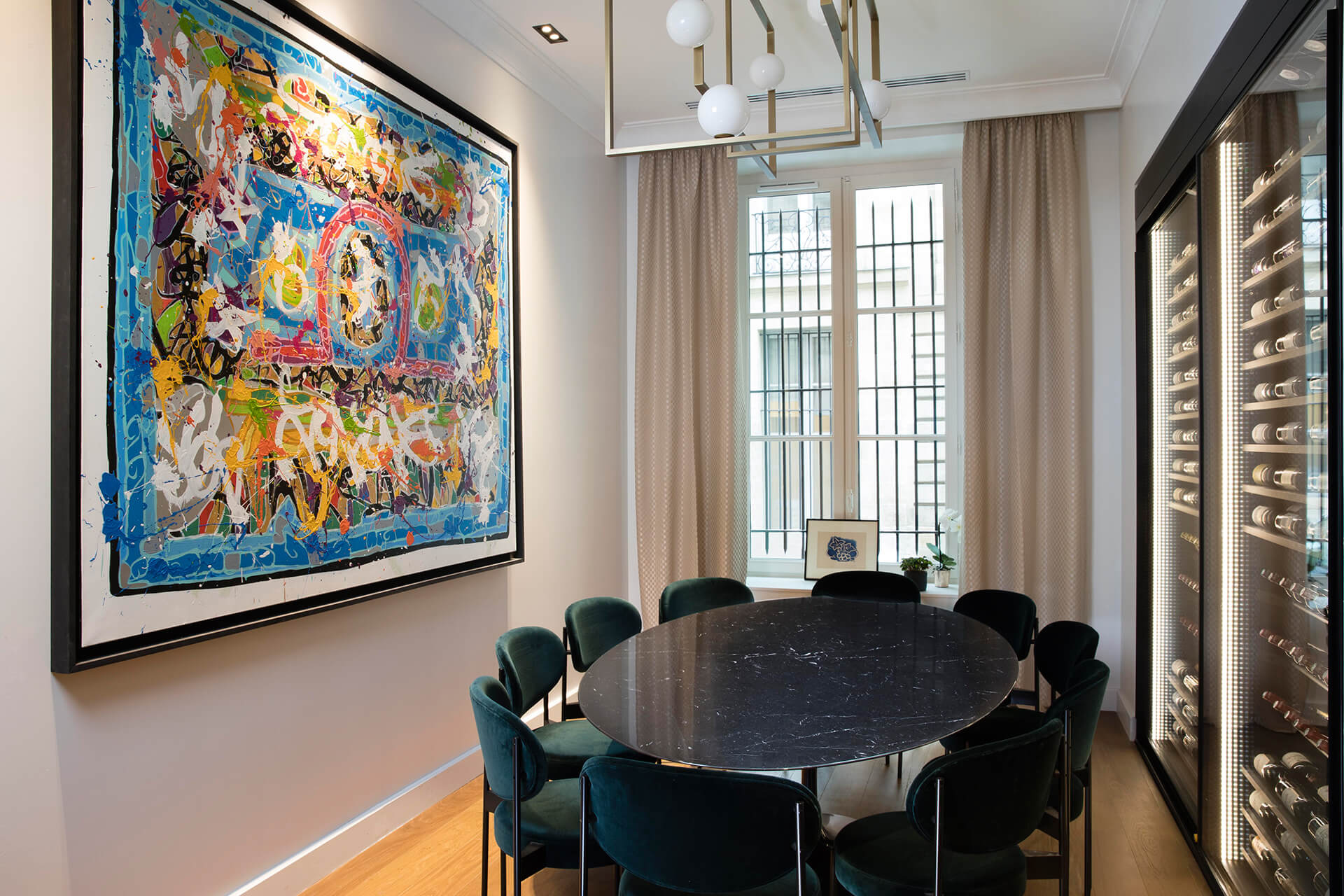
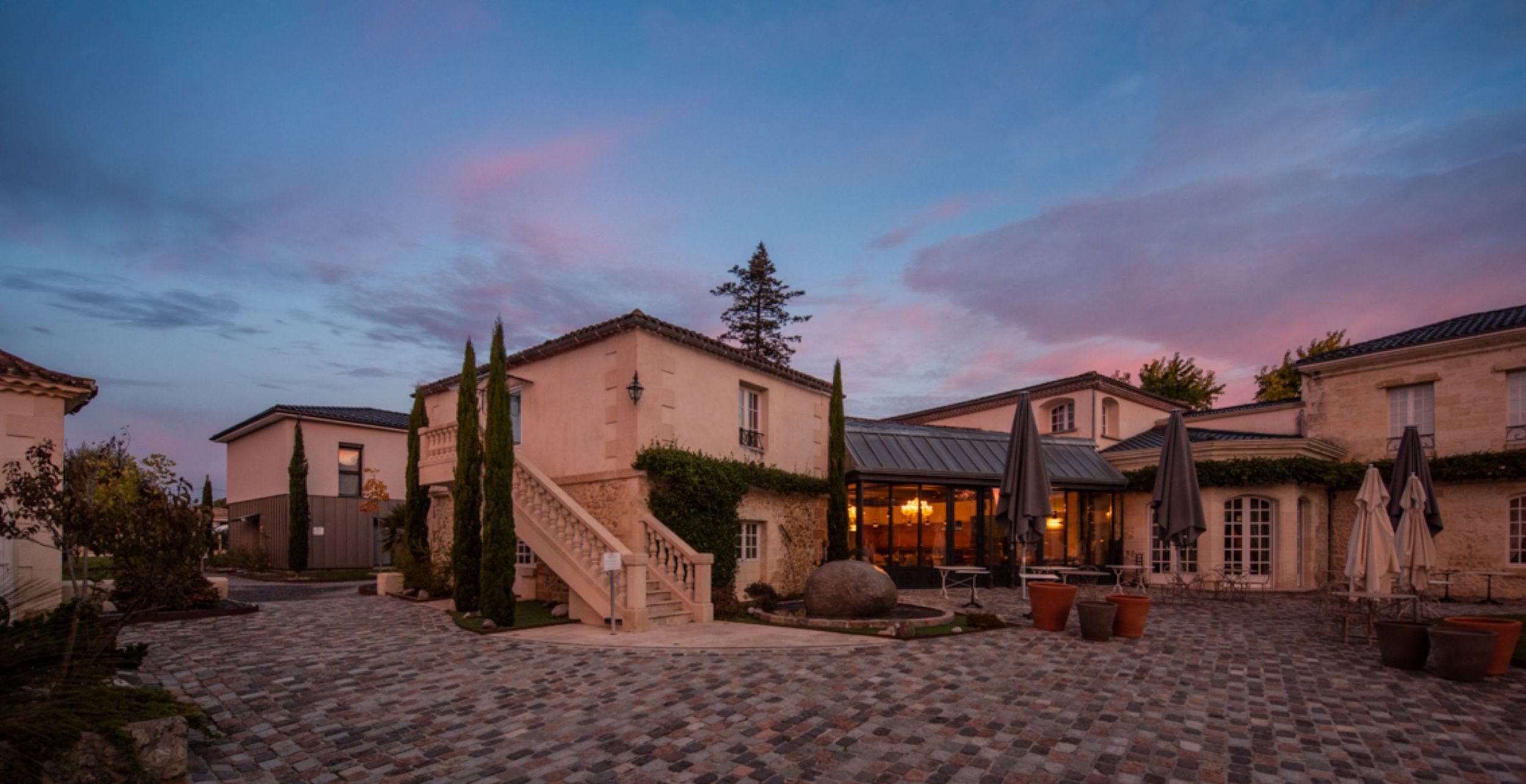
9 recommended properties
Things to Do in Bordeaux
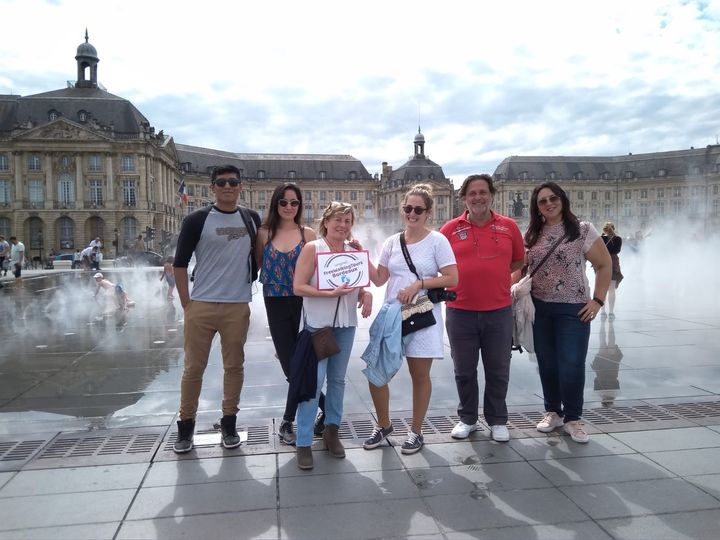
Bordeaux in a Day City and Chateau Visit Shared Walking Tour
300 min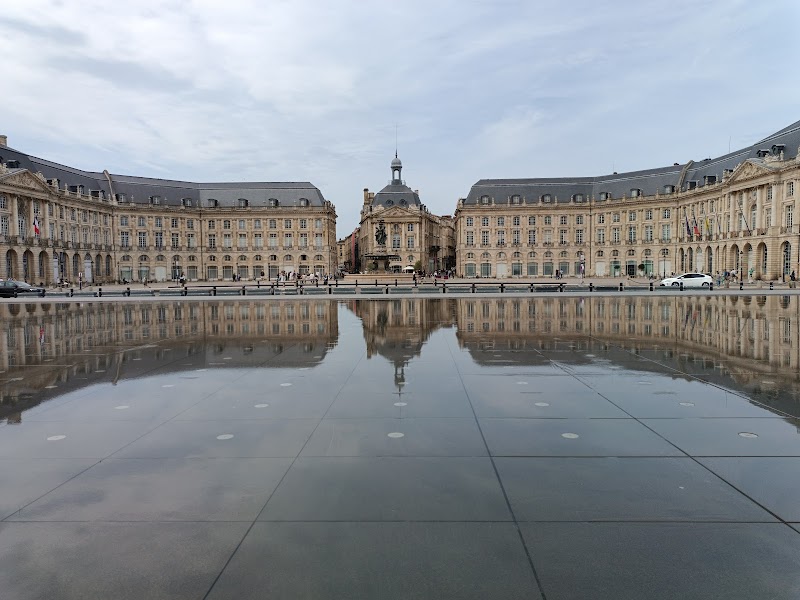
The Water Mirror (Miroir d'eau)
60 min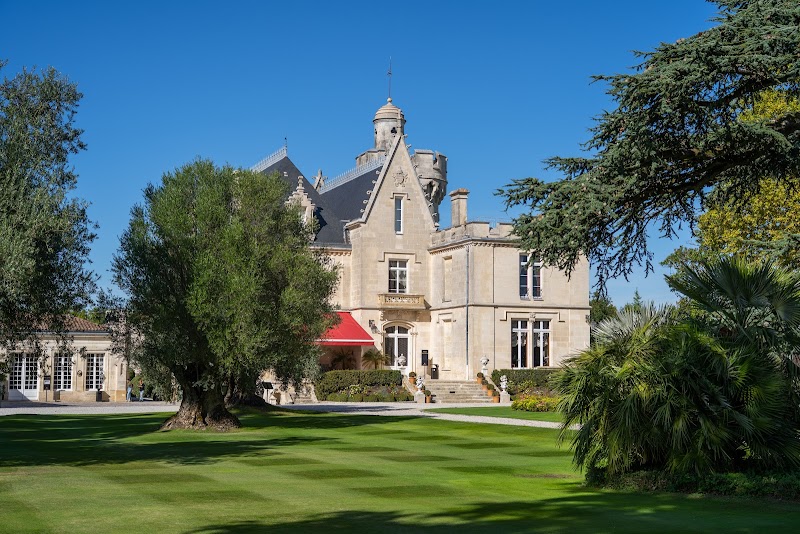
Château Pape Clément
150 minMoney-Saving Tips
- 1.Buy wine directly from producers in the Médoc—you'll pay 30-40% less than retail prices back home
- 2.The Bordeaux City Pass (€29 for 24 hours) includes tram transport and museum entries, but only worth it if you're hitting 3+ attractions
- 3.Lunch menus at quality restaurants run €18-25 vs €45+ for dinner—same kitchen, better value
- 4.Shop at Marché des Capucins Saturday mornings for the freshest produce at lowest prices
- 5.Many wine bars offer happy hour 5-7 PM with glasses starting at €4-6
- 6.Free wine tastings happen at Cave de la Monnaie and other wine shops—just ask politely
Travel Tips
- •Book château visits well in advance—popular estates like Margaux fill up weeks ahead, especially during harvest season
- •Pack layers even in summer—Atlantic weather changes quickly and evening river breezes can be cool
- •Learn basic wine vocabulary before you go—'sec' means dry, 'moelleux' means sweet, and you'll sound less like a tourist
- •The tram stops running at 12:30 AM weekdays, 1:30 AM weekends—plan your late nights accordingly
- •Many restaurants close Sunday evenings and all day Monday—check before you make plans
- •Bring comfortable walking shoes—those limestone streets look beautiful but can be unforgiving on feet
- •Download the TBM app for real-time tram schedules and mobile ticket purchases