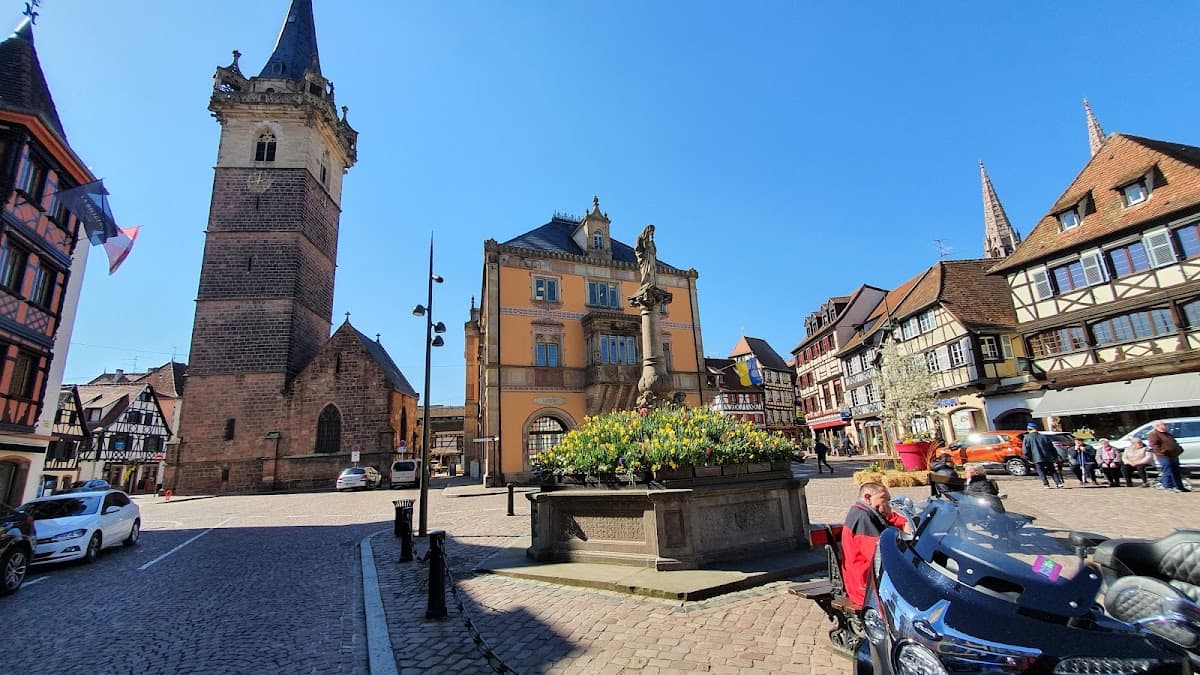
Alsace
Fairy-tale villages nestled among vineyards and mountains
Alsace feels like someone took the best parts of France and Germany, threw them in a blender with medieval architecture and world-class wine, then scattered the result across rolling hills dotted with storybook villages. Half-timbered houses lean into cobblestone streets. Church spires pierce morning mist. And everywhere you look, vineyards climb hillsides like green staircases.
This isn't your typical French region. Here, sauerkraut sits next to coq au vin on menus. Street signs appear in both French and German. And the Christmas markets? They practically invented the concept.
But here's what makes Alsace special: it's small enough to explore properly in a week, yet packed with enough wine cellars, medieval towns, and Michelin stars to keep you busy for months. The Vosges Mountains provide a dramatic backdrop to the west, while the Rhine Valley spreads eastward toward Germany. And that famous Route des Vins? It connects 170 wine villages across 105 miles of some of Europe's most scenic countryside.
Money-Saving Tips
- 1.Buy wine directly from producers - prices are often 30-50% lower than retail, and many offer free tastings
- 2.Stay in smaller wine villages instead of Strasbourg or Colmar to save on accommodation costs
- 3.Pack picnic supplies from local markets - eating outdoors among vineyards beats expensive restaurant meals
- 4.Visit during weekdays when possible - many attractions and restaurants offer lower weekday prices
- 5.Look for 'Menu du Jour' lunch specials at restaurants - often half the price of dinner menus
- 6.Use regional TER trains with day passes for unlimited travel between major towns
- 7.Book accommodations well ahead for Christmas market season - prices triple during peak weeks
- 8.Many museums offer free entry on first Sunday mornings of each month
- 9.Split wine tastings among your group - most wineries charge per tasting, not per person
- 10.Shop at local markets for souvenirs - artisanal products cost less than tourist shop versions
Travel Tips
- •Learn basic German phrases - many locals speak German as their first language, especially in rural areas
- •Book restaurant reservations ahead, especially for Michelin-starred establishments and during harvest season
- •Bring a designated driver or join organized wine tours - French drink-driving laws are strictly enforced
- •Pack comfortable walking shoes - village streets are often cobblestone and can be slippery when wet
- •Download offline maps - cell service can be spotty in the Vosges Mountains
- •Visit wineries in the afternoon - many close for lunch from 12-2 PM
- •Carry cash - smaller villages and wine producers often don't accept cards
- •Check opening hours carefully - many attractions and shops close on Sundays and Mondays
- •Book accommodations early for Christmas market season - popular hotels fill up months in advance
- •Rent bikes in advance during summer - popular cycling routes mean rental shops often sell out
- •Bring layers - mountain weather can change quickly, even in summer
- •Try local specialties beyond wine - Alsatian beer and fruit brandies are world-class